IN
IN₹
Apparel & Fashion
Description
Industrial Automation Ultrasonic Sensors represent advanced non-contact measurement technology designed for precision and reliability in demanding industrial applications. These sensors utilize ultrasonic waves to accurately detect objects, measure distances, and monitor levels without physical contact, ensuring minimal mechanical wear and extended operational life. With operating ranges suitable for various industrial requirements and multiple output configurations including analog, digital, and serial interfaces, they integrate seamlessly into existing automation architectures. The durable housing protects internal components from environmental factors while maintaining consistent performance across temperature variations and challenging industrial conditions.

These ultrasonic sensors serve critical functions across multiple industrial sectors including manufacturing automation, automotive production, packaging systems, and material handling operations. In manufacturing environments...
Industrial Automation Ultrasonic Sensors represent advanced non-contact measurement technology designed for precision and reliability in demanding industrial applications. These sensors utilize ultrasonic waves to accurately detect objects, measure distances, and monitor levels without physical contact, ensuring minimal mechanical wear and extended operational life. With operating ranges suitable for various industrial requirements and multiple output configurations including analog, digital, and serial interfaces, they integrate seamlessly into existing automation architectures. The durable housing protects internal components from environmental factors while maintaining consistent performance across temperature variations and challenging industrial conditions.

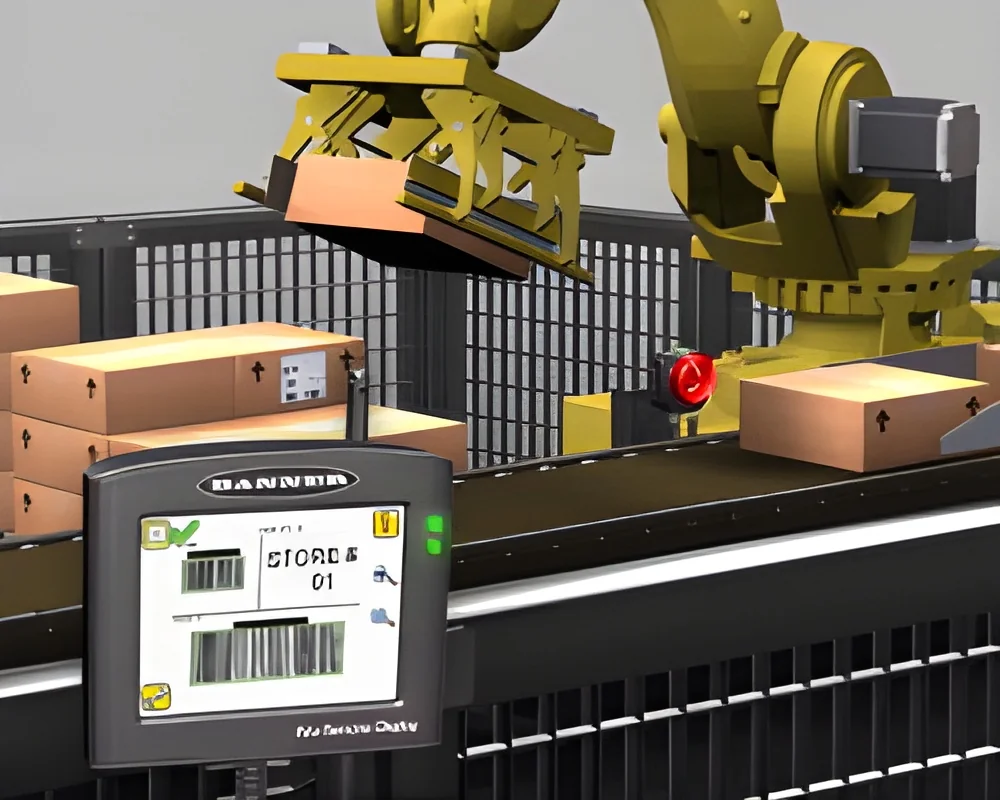
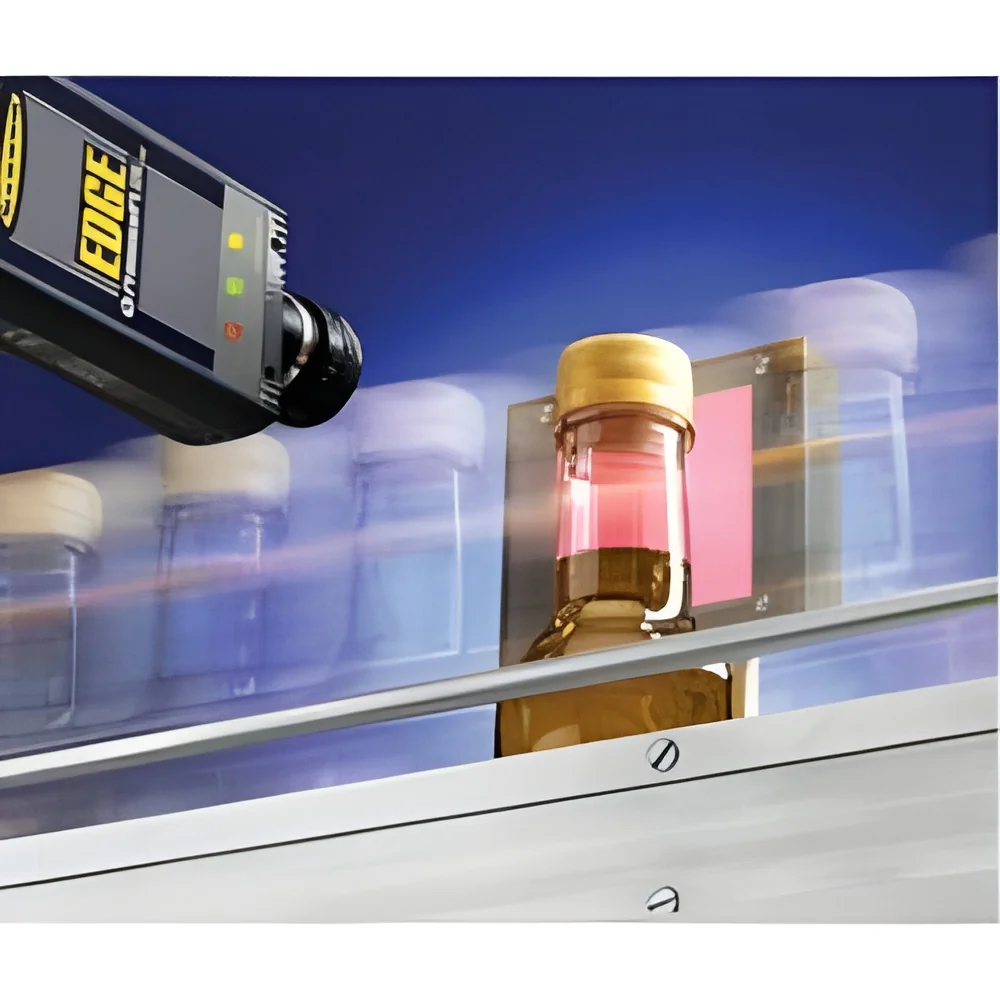
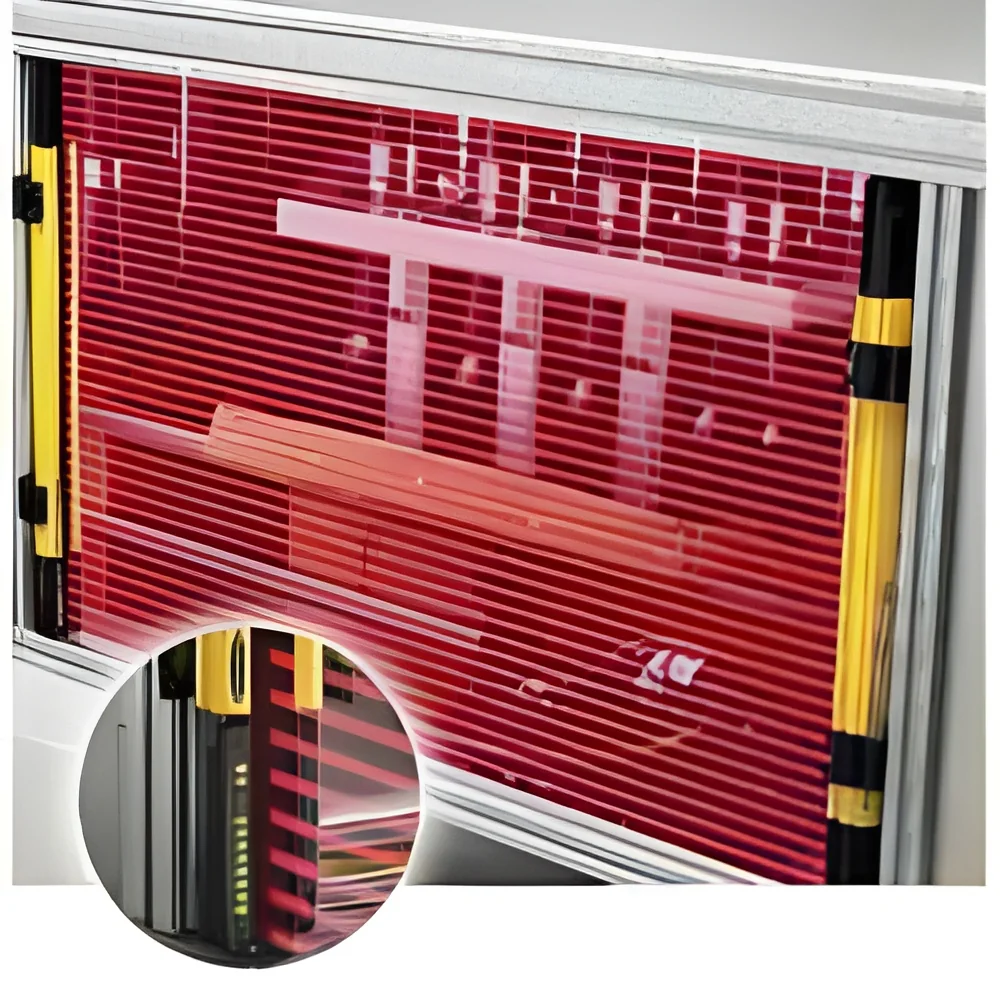
These ultrasonic sensors serve critical functions across multiple industrial sectors including manufacturing automation, automotive production, packaging systems, and material handling operations. In manufacturing environments, they enable precise object detection on conveyor systems, position verification in assembly processes, and quality control measurements. The automotive industry utilizes them for vehicle positioning, robotic guidance, and assembly verification applications. Logistics and warehousing operations depend on these sensors for pallet detection, inventory monitoring, and automated storage systems where reliability directly impacts operational efficiency and throughput accuracy.

The operational value of these ultrasonic sensors extends beyond technical specifications to deliver measurable advantages and cost efficiencies. Their non-contact operation eliminates mechanical wear, significantly reducing maintenance requirements and replacement costs while ensuring consistent performance over extended periods. The high reliability factor minimizes production downtime caused by sensor failures, protecting operational continuity and productivity. These sensors provide competitive advantages through improved automation accuracy, enhanced process control, and reliable data collection that supports informed decision-making and operational optimization across industrial applications.

Key Features:
- Non-contact ultrasonic measurement technology for wear-free operation
- Multiple output options including analog, digital, and serial interfaces
- Robust industrial housing resistant to environmental factors
- Configurable detection ranges and sensing parameters
- High immunity to ambient light and environmental interference

Benefits:
- Eliminates mechanical wear through non-contact operation
- Flexible integration with various control systems and platforms
- Durable construction for long-term reliability in harsh conditions
- Adaptable to specific application requirements and environments
- Consistent performance unaffected by lighting or environmental changes
Specifications
| Additional Information | |
|---|---|
| Country of Origin | India |
Application
These ultrasonic sensors deliver precise distance measurement and object detection across diverse industrial settings. They maintain reliable performance in challenging conditions including dust, moisture, and temperature variations, ensuring consistent operation for both indoor and outdoor applications without sacrificing accuracy or durability.
Engineered for seamless integration with automation systems, PLCs, and control platforms through multiple output interfaces, these sensors feature robust construction for long-term reliability in manufacturing, automotive, and logistics operations. Their dependable performance reduces maintenance requirements and operational downtime while providing accurate measurements that support efficient process control and automation.
- Automated assembly lines for precise part positioning and verification
- Vehicle detection and guidance systems in automotive manufacturing
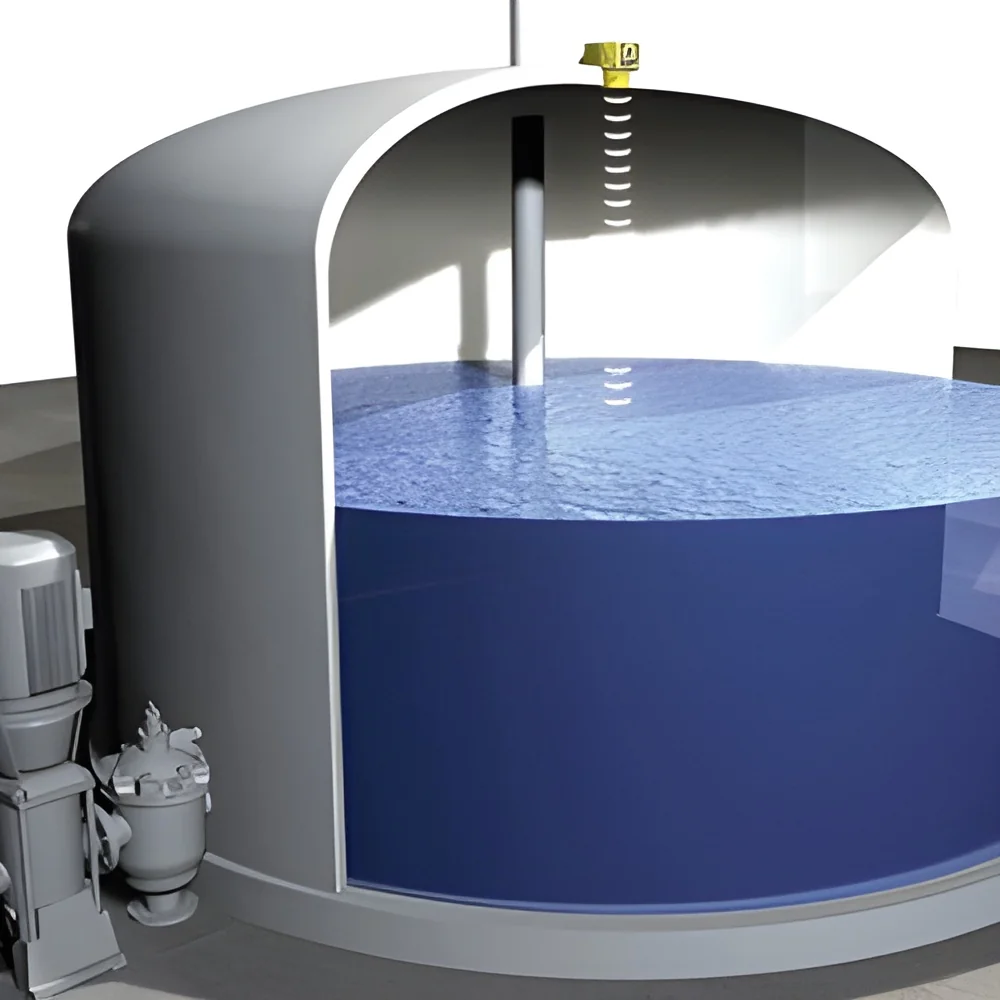
- Liquid and solid level monitoring in storage tanks and silos
- Robotic navigation and obstacle avoidance in material handling
- Conveyor systems for object counting and presence detection
Trade Details
| Available Stock | In Stock |
| Sample Availability | No |
Payment Terms
| Payment Terms |
|
Company Profile

Arcus Automation Private Limited, Tamil Nadu
 Tamil Nadu, India
Tamil Nadu, IndiaElectronics & Electrical•Manufacturer•Importer / Exporter
Factory Details
Factory SizeBelow 1000 sqm
Annual Production Capacity0
Industrial Automation Ultrasonic Sensors For Distance Measurement
Industrial Automation Ultrasonic Sensors provide high-precision non-contact distance measurement for robotics, manufacturing, and material handling. Reliable detection with robust construction for demanding industrial environments.
Min. Order Quantity: 1 unit
Shipping
Shipping fee and delivery date to be negotiated. Contact supplier now for more details.
Arcus Automation Private Limited
 Tamil Nadu, India
Tamil Nadu, IndiaElectronics & ElectricalManufacturer