
 IN
Tool Room Accessories
8 products available
What are Tool Room Accessories?
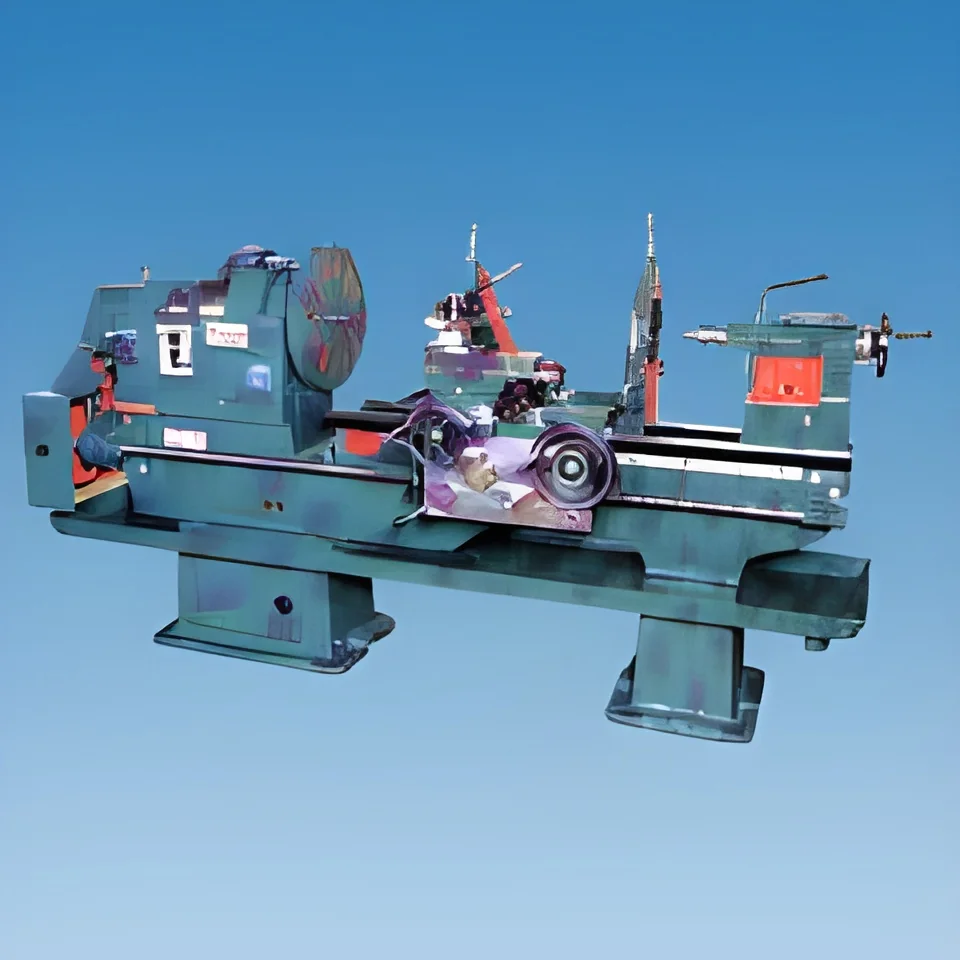
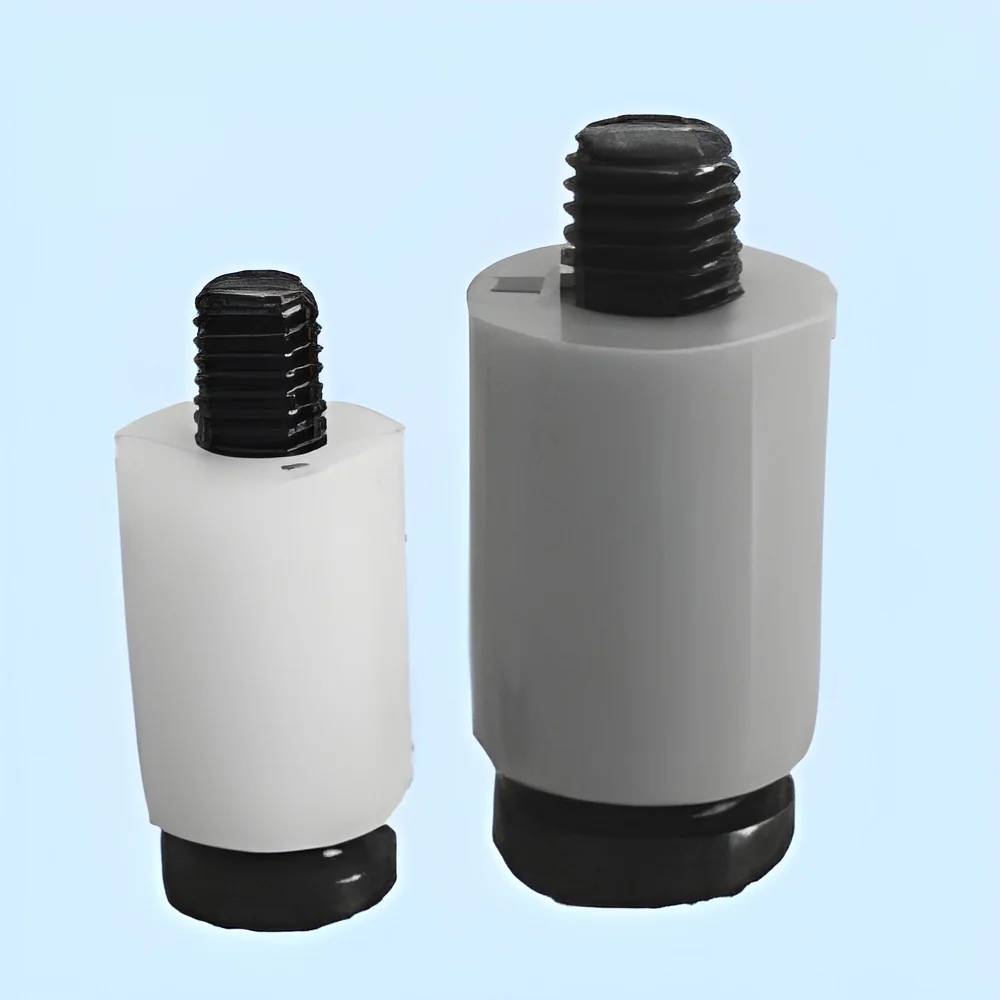
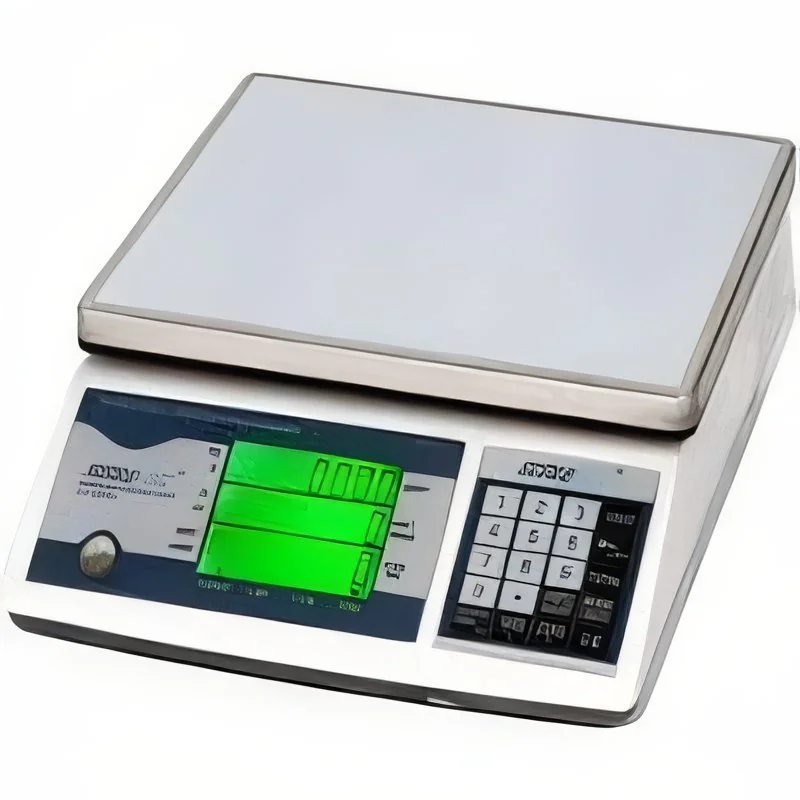
Tool Room Accessories refer to a wide range of components, tools, and equipment designed to enhance the functionality and efficiency of tool rooms in various manufacturing and industrial settings. These accessories support various tasks, including maintenance, tool storage, organization, and operational efficiency. The primary aim is to facilitate the seamless operation of machining and fabrication processes.
Tool Room Accessories are typically used in environments where precision and efficiency are paramount. Industries such as automotive, aerospace, and heavy machinery rely on these products to maintain their equipment and tools effectively. By ensuring tools are organized and readily accessible, businesses can reduce downtime and enhance productivity. In today's competitive market, the relevance of these accessories is underscored by a growing emphasis on lean manufacturing and operational excellence.
Key Features and Specifications
Tool Room Accessories come with a variety of features and specifications that make them essential for effective tool management. These specifications help businesses select the right accessories based on their unique needs and operational requirements.
Key specifications include:
1. Material Composition
- Typically made from durable materials like steel, aluminum, or high-grade plastics.
- Ensures longevity and resistance to wear and tear.
2. Size and Dimensions
- Available in various sizes to accommodate different tools and equipment.
- Custom sizes may be available based on user requirements.
3. Weight Capacity
- Designed to support varying weights depending on the accessory type.
- Critical for ensuring safety and operational efficiency.
4. Compatibility
- Many accessories are designed to be compatible with specific tools and machinery.
- Important for ensuring seamless integration into existing setups.
5. Ease of Installation
- Most accessories come with straightforward installation processes.
- Reduces downtime during the setup phase.
6. Safety Features
- Some accessories include features like locking mechanisms or safety guards.
- These features enhance user safety during operation.
7. Customization Options
- Certain manufacturers offer custom solutions tailored to specific applications.
- Enables businesses to optimize their tool room setups.
In summary, understanding these key specifications allows businesses to make informed decisions when selecting Tool Room Accessories that best meet their operational needs.
Common Applications and Use Cases
Tool Room Accessories play a crucial role across various industries, contributing to improved efficiency and productivity.
1. Automotive Industry: Tool Room Accessories are essential for managing tools used in assembly lines and maintenance tasks. They help keep tools organized and easily accessible, minimizing downtime.
2. Aerospace Industry: In aerospace manufacturing, precision tooling is vital. Accessories ensure tools are maintained and stored correctly, supporting strict safety and quality standards.
3. Heavy Machinery: For companies working with heavy equipment, Tool Room Accessories facilitate effective tool management, ensuring that all required tools are available when needed for repairs or maintenance.
4. Electronics Manufacturing: Accessories help in the organization and storage of delicate tools and components, reducing the risk of damage and improving workflow efficiency.
5. Construction: In the construction industry, these accessories aid in the organization of tools and materials, contributing to safer and more efficient job sites.
6. Metal Fabrication: Tool Room Accessories support the precision needs of metalworking, ensuring tools are readily available and in optimal condition for use.
7. Maintenance Operations: These accessories are vital for maintenance teams across industries, allowing for efficient tool organization and quick access when conducting repairs.
Product Variants and Subcategories
Tool Room Accessories are diverse, offering a range of variants designed for specific applications.
Tool Organizers: These accessories provide efficient storage solutions for various tools. They often include compartments and racks that help keep tools segregated and accessible.
Tool Cabinets: Designed for secure storage, tool cabinets provide an organized space for tools and equipment. They are essential for protecting valuable tools from damage and theft.
Tool Chests: These mobile storage solutions allow for easy transportation of tools across job sites. They often have multiple drawers and compartments for effective organization.
Workstations: Specialized workstations are designed to facilitate various tasks in the tool room. They often include integrated storage and power sources for enhanced functionality.
Benefits and Advantages
Investing in Tool Room Accessories offers numerous advantages for businesses.
1. Improved Efficiency: By keeping tools organized and accessible, businesses can reduce the time spent searching for equipment, leading to increased productivity.
2. Enhanced Safety: Proper storage and organization of tools minimize the risk of accidents and injuries in the workplace.
3. Cost Savings: Effective tool management can extend the lifespan of tools and reduce replacement costs, contributing to overall savings.
4. Streamlined Operations: Having the right accessories allows for smoother workflows, reducing bottlenecks in production processes.
5. Custom Solutions: Many manufacturers offer customization, enabling businesses to tailor accessories to their specific needs.
6. Quality Assurance: Using high-quality accessories ensures that tools are maintained to the best standards, which is crucial for meeting industry regulations.
Buying Guide for B2B Buyers
When sourcing Tool Room Accessories, several factors should be considered to ensure the right choice.
1. Quality Assessment: Evaluate the materials and construction of the accessories. Look for products that meet industry standards to ensure durability.
2. Supplier Verification: Vet suppliers to ensure they have a good reputation and proven track record in delivering quality products. Check for certifications and customer reviews.
3. Pricing and MOQ: Understand the pricing structure and minimum order quantities. This information is crucial for budgeting and ensuring you meet your operational needs.
4. Delivery and Lead Times: Factor in the logistics of obtaining the accessories. Assess lead times to ensure that the products will be available when needed.
5. Compliance Requirements: Ensure that the accessories meet relevant industry regulations and safety standards, which is essential for operational integrity.
Compliance and Certifications
Tool Room Accessories must adhere to several quality standards and certifications to ensure they meet industry requirements.
ISO 9001 is a widely recognized standard that signifies a commitment to quality management systems. Accessories that comply with this standard are designed to consistently meet customer expectations and regulatory requirements.
CE certification is another important standard for Tool Room Accessories. It indicates compliance with European health, safety, and environmental protection standards. Accessories with this certification are recognized as safe for use in the European market.
Safety and testing requirements are critical in ensuring that Tool Room Accessories perform effectively without posing risks to users. Manufacturers often conduct rigorous testing to meet these standards.
Regionally, compliance considerations may vary. It's essential for buyers to be aware of local regulations that may impact the sourcing and use of Tool Room Accessories in their specific markets.
Why Source Tool Room Accessories from Pepagora?
Pepagora is a trusted platform for sourcing Tool Room Accessories, providing several key advantages to B2B buyers.
Verified Supplier Network: Pepagora boasts a robust network of verified suppliers who are committed to quality and reliability. This network allows buyers to source accessories with confidence.
Streamlined RFQ Process: The platform offers a streamlined request for quotation process, enabling buyers to quickly obtain competitive quotes from multiple suppliers. This efficiency saves time and effort.
Trade Assurance and Support: Pepagora provides trade assurance, protecting buyers throughout the sourcing process. This includes support for any issues that may arise, ensuring a smooth transaction.
Regional Coverage: With a strong presence in India, the GCC, and Southeast Asia, Pepagora offers comprehensive coverage for businesses operating in these regions. Buyers can benefit from localized support and expertise.
In conclusion, sourcing Tool Room Accessories from Pepagora allows businesses to enhance their operational efficiency while ensuring quality and compliance, making it an ideal choice for B2B buyers.


 India
 India
 India
 India
 India

Frequently Asked Questions
What are Tool Room Accessories?
Tool Room Accessories refer to a range of supplementary tools and equipment used in tool rooms for manufacturing and maintenance purposes. These accessories support various operations, including machining, assembly, and quality control, enhancing efficiency and precision in production processes.
What are the different types of Tool Room Accessories?
Different types of Tool Room Accessories include tool holders, jigs, fixtures, clamps, cutting tools, and measuring instruments. Each type serves a specific function, such as securing workpieces, facilitating machining operations, or ensuring accurate measurements during production.
How do I choose the right Tool Room Accessories?
To choose the right Tool Room Accessories, consider the specific operations you need to perform and the materials you will be working with. Assess the compatibility of the accessories with your existing tools and machinery, and prioritize quality and reliability to ensure optimal performance.
What are the standard specifications for Tool Room Accessories?
Standard specifications for Tool Room Accessories often include dimensions, material type, load capacity, and precision tolerance levels. It is important to review these specifications to ensure the accessories meet the requirements of your specific applications and industry standards.
What is the price range for Tool Room Accessories?
The price range for Tool Room Accessories can vary widely depending on the type, material, and manufacturer. Generally, you can expect prices to start from a few hundred rupees for basic items and go up to several thousand rupees for specialized or high-quality accessories.
What quality standards apply to Tool Room Accessories?
Quality standards for Tool Room Accessories typically include ISO certifications, which ensure that the products meet international quality benchmarks. Manufacturers may also adhere to specific industry standards relevant to the application, ensuring durability and performance.
Where can I find Tool Room Accessories suppliers in India?
You can find Tool Room Accessories suppliers in India through online B2B marketplaces like Pepagora, industry trade shows, and local manufacturing directories. Networking with industry contacts and consulting with trade associations can also help identify reliable suppliers.
Can Tool Room Accessories be customized?
Yes, many manufacturers offer customization options for Tool Room Accessories to meet specific requirements. Customization may include alterations in dimensions, material selection, or design features to better suit your operational needs.
What is the typical minimum order quantity for Tool Room Accessories?
The typical minimum order quantity (MOQ) for Tool Room Accessories varies by supplier and product type. Generally, MOQs can range from 10 to 100 units, depending on the complexity and cost of the accessories being ordered.
What is the typical lead time for Tool Room Accessories?
The typical lead time for Tool Room Accessories can vary based on the supplier, availability of materials, and customization requirements. Generally, lead times can range from a few days for standard items to several weeks for customized orders.
Why Businesses Trust Pepagora
Thousands of companies trust Pepagora to source smarter and sell faster
Expand Your Sales Globally

Source Smarter,Grow Faster
