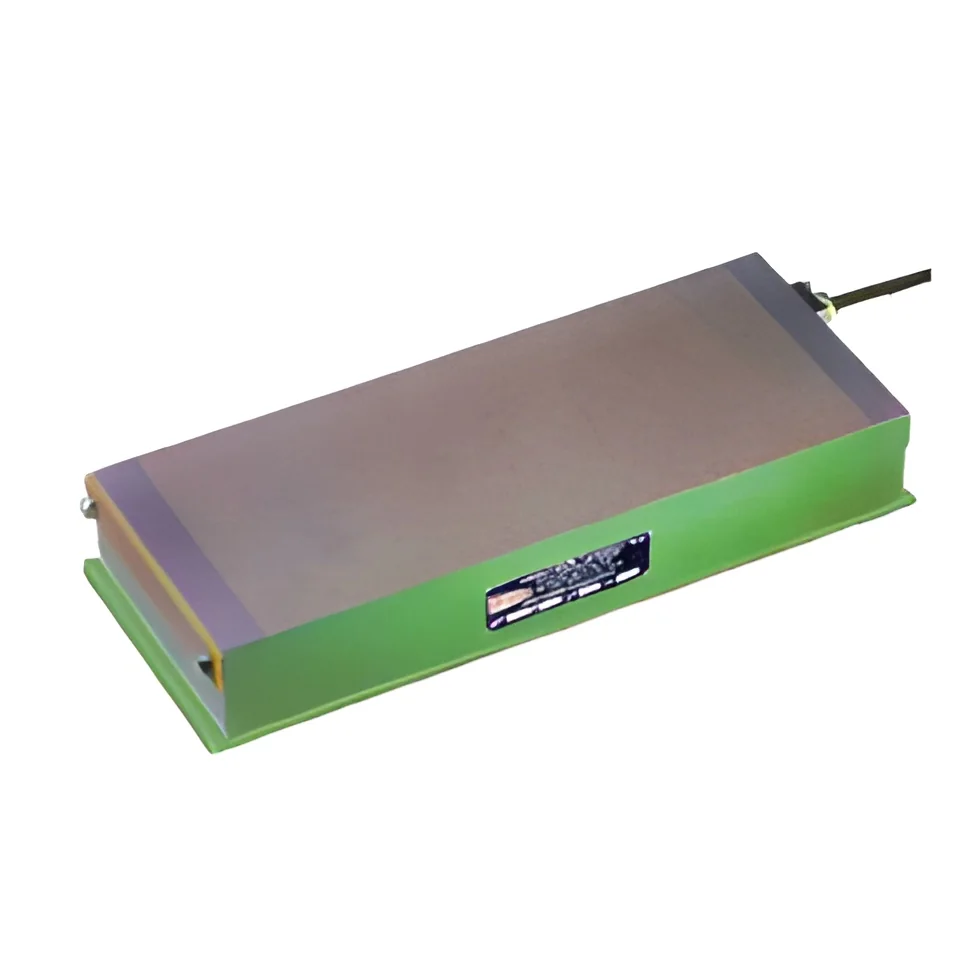
What are Tool Grinders?
Tool grinders are specialized machines designed for sharpening, grinding, and finishing tools used in various industrial applications. These machines utilize a rotating grinding wheel to remove material from tools, ensuring they maintain their cutting edges and precision. Tool grinders can vary in size and complexity, from small bench grinders to large, automated systems, depending on the specific needs of the user.
These machines find primary use in manufacturing sectors, where sharp and well-maintained tools are crucial for efficiency and quality. They are commonly employed in metalworking, woodworking, and fabrication industries. Tool grinders help extend the lifespan of tools, reduce operational downtime, and improve overall productivity. As industries increasingly focus on automation and precision, the relevance of tool grinders in maintaining tool integrity remains significant in today’s market.
Key Features and Specifications
Tool grinders come equipped with a range of features that enhance their efficiency and effectiveness in tool maintenance. Understanding these specifications is essential for selecting the right model for specific applications.
Key specifications include:
1. Grinding Wheel Size
- Typical sizes range from 6 inches to 14 inches in diameter.
- Larger wheels allow for faster material removal.
2. Motor Power
- Power ratings typically range from 1/2 HP to 5 HP.
- Higher power ratings enable more robust grinding tasks.
3. Speed Range
- Common speed ranges are between 1,750 RPM to 3,600 RPM.
- Adjustable speeds provide versatility for different materials.
4. Tool Rest Features
- Adjustable tool rests allow for precise angle settings.
- Some models come with built-in stops for consistency.
5. Cooling System
- Integrated cooling systems help prevent overheating of tools.
- Common types include water-cooled and air-cooled systems.
6. Safety Features
- Many grinders include safety guards and emergency shut-off switches.
- These features enhance operator safety during use.
7. Dust Collection Options
- Some models are equipped with dust collection systems.
- Effective dust management improves workplace safety and cleanliness.
8. Automation Capabilities
- Advanced models may include CNC capabilities for automated grinding.
- Automation increases precision and reduces manual labor.
In summary, the features and specifications of tool grinders are crucial in determining their suitability for specific applications, ensuring that users can maintain their tools effectively and safely.
Common Applications and Use Cases
Tool grinders serve a multitude of industries, each with unique requirements.
1. Metalworking: Tool grinders are widely used to sharpen cutting tools such as drill bits, end mills, and lathe tools. This ensures optimal performance and accuracy in machining operations.
2. Woodworking: In woodworking, tool grinders are essential for maintaining chisels, saw blades, and router bits, allowing for clean and precise cuts in various wood materials.
3. Fabrication: Fabricators utilize tool grinders to keep their tools in top condition, which is vital for producing high-quality metal parts and components.
4. Aerospace: In the aerospace industry, tool grinders are used for sharpening tools that work with high-precision components, ensuring safety and reliability.
5. Automotive: Tool grinders help maintain tools used in automotive repair and manufacturing, contributing to efficient assembly and maintenance processes.
6. Construction: In construction, tool grinders are used to sharpen tools like masonry bits and concrete saw blades, ensuring they are effective for tough materials.
7. Electronics: Tool grinders play a role in the electronics sector for sharpening tools used in circuit board fabrication and assembly, where precision is paramount.
Product Variants and Subcategories
Tool grinders come in various models and configurations, catering to different needs within the industry.
Bench Grinders: These are small, portable grinders ideal for sharpening small tools and general maintenance. They are commonly used in workshops and small manufacturing setups.
CNC Tool Grinders: These advanced machines offer automated grinding capabilities, allowing for precise and repeatable sharpening of complex tool geometries. They are ideal for high-volume production environments.
Surface Grinders: Designed to grind flat surfaces, these machines are suitable for tool and die work, providing smooth finishes on machined parts.
Tool and Cutter Grinders: These grinders are versatile and can sharpen a variety of cutting tools, including drills and end mills. They often come with multiple attachments for different types of tools.
Universal Grinders: These machines can handle various grinding tasks and are ideal for facilities that require flexibility in tool maintenance.
Benefits and Advantages
Investing in tool grinders offers several advantages for businesses engaged in tool maintenance.
1. Enhanced Tool Longevity: Regularly sharpening tools with a grinder extends their lifespan, reducing the need for frequent replacements.
2. Improved Precision: Tool grinders help maintain sharp edges, leading to more accurate cuts and better quality in finished products.
3. Increased Productivity: By ensuring tools are well-maintained, businesses can minimize downtime, allowing for smoother and more efficient operations.
4. Cost Savings: Maintaining tools can significantly reduce operational costs associated with tool replacement and inefficient cutting.
5. Versatility: Many tool grinders can handle a variety of tool types, making them suitable for diverse applications across different industries.
6. Safety: Using grinders with proper safety features reduces the risk of accidents and injuries in the workplace.
Buying Guide for B2B Buyers
When sourcing tool grinders, it is crucial to consider several essential factors to ensure you make the right choice for your business needs.
1. Quality Assessment: Look for grinders that meet industry standards for performance and durability. Consider customer reviews and ratings to gauge reliability.
2. Supplier Verification: Vet suppliers thoroughly to ensure they have a proven track record of delivering quality products and after-sales support.
3. Pricing and MOQ: Compare prices across different suppliers and be aware of minimum order quantities to find the best value while meeting your production needs.
4. Delivery and Lead Times: Consider logistics and ensure suppliers can meet your delivery timelines to avoid disruptions in your operations.
5. Compliance Requirements: Familiarize yourself with any regulatory standards relevant to your industry to ensure the grinders you choose meet necessary compliance.
Compliance and Certifications
Tool grinders are subject to various quality standards and certifications that ensure their reliability and safety in industrial applications.
ISO 9001 is a widely recognized standard that outlines requirements for quality management systems. Manufacturers of tool grinders often obtain this certification to demonstrate their commitment to consistent quality and continuous improvement.
The CE marking indicates conformity with European safety, health, and environmental protection standards. This certification is essential for tool grinders sold in European markets, ensuring they meet stringent safety requirements.
Safety and testing requirements are also crucial in the manufacturing of tool grinders. Manufacturers must conduct rigorous testing to ensure their products are safe for use and comply with industry standards.
Regional compliance considerations may vary depending on the market. It is essential for buyers to understand local regulations and certifications needed for tool grinders in their specific regions.
Why Source Tool Grinders from Pepagora?
Pepagora offers a trusted platform for sourcing tool grinders, providing several key advantages for B2B buyers.
Verified Supplier Network: Pepagora connects buyers with a network of verified suppliers, ensuring that you can source high-quality tool grinders from reputable manufacturers. This verification process minimizes the risk of encountering subpar products.
Streamlined RFQ Process: The platform features a streamlined Request for Quotation (RFQ) system, allowing buyers to easily request quotes from multiple suppliers. This efficiency helps you compare options and make informed purchasing decisions quickly.
Trade Assurance and Support: Pepagora provides trade assurance, giving buyers peace of mind with protections during transactions. This support ensures that you receive the products as promised and can address any issues that may arise.
Regional Coverage: With a strong presence in India, the Gulf Cooperation Council (GCC) region, and Southeast Asia, Pepagora offers comprehensive geographic reach. This enables buyers to access a wide range of tool grinder options tailored to their specific market needs.

 IN
IN
 India
India