IN
IN₹
Apparel & Fashion
Description
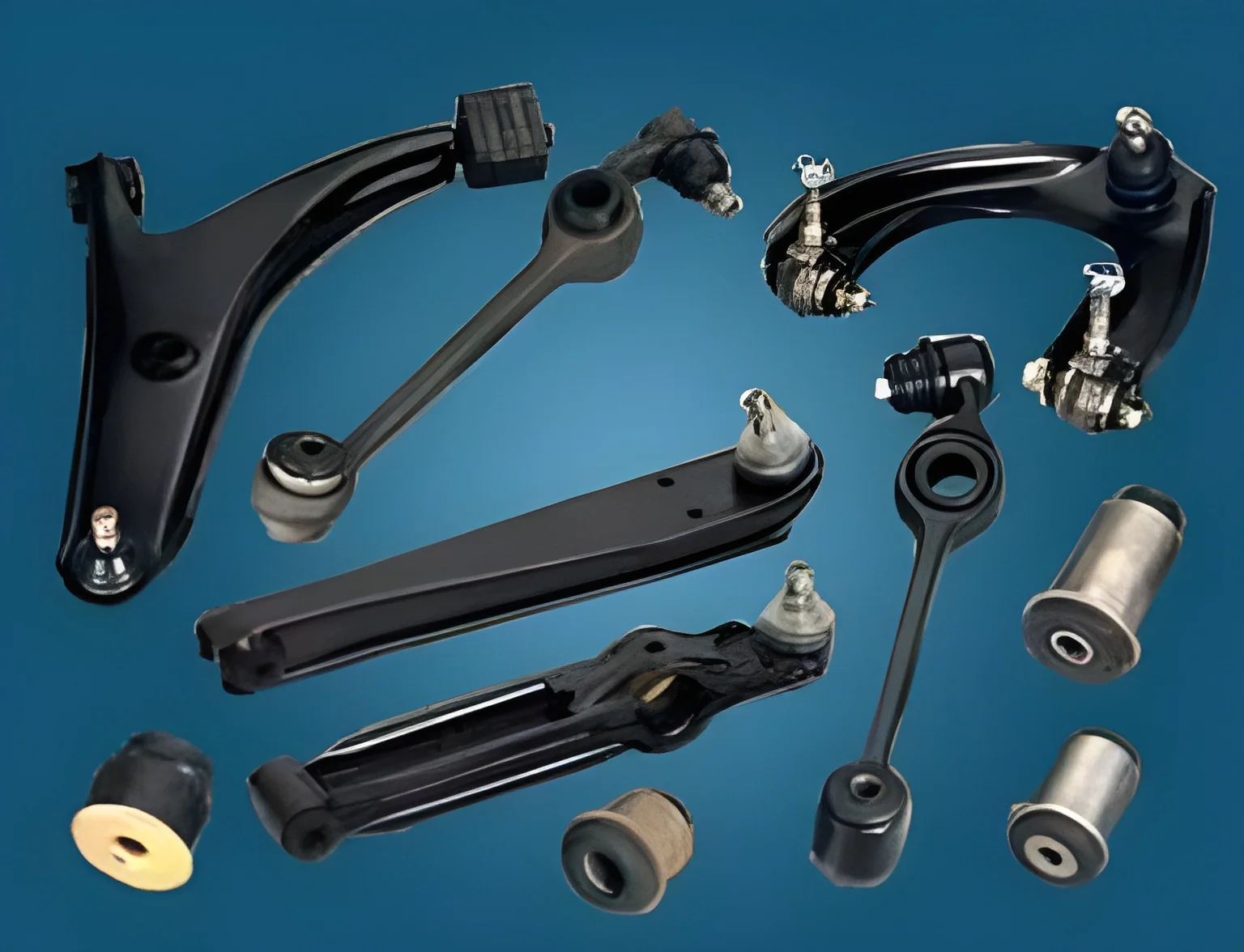
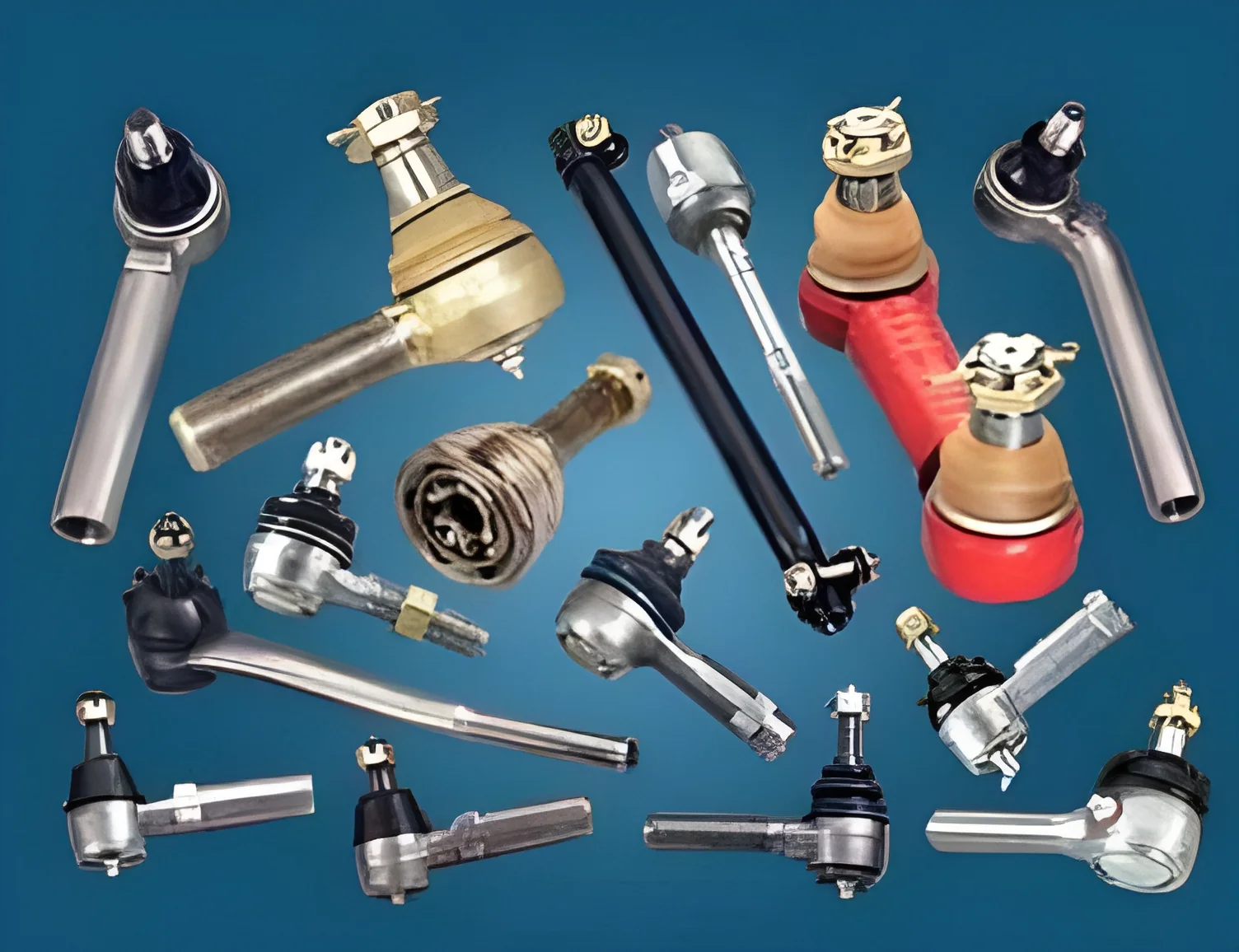
Automotive tie rod ends serve as critical linkage components within vehicle steering systems, connecting the steering rack or center link to the steering knuckle. This connection translates rotational steering input into lateral wheel movement while accommodating suspension travel. Manufactured to exacting specifications, these components feature precision ball joints that allow multi-directional movement, ensuring smooth steering response without compromising structural integrity. Their design accommodates the constant forces and vibrations encountered during vehicle operation while maintaining precise alignment settings that directly affect handling characteristics and tire wear patterns.

These steering components find essential application across the automotive industry, from compact passenger cars to heavy commercial vehicles. Vehicle manufacturers integrate them during assembly to ensure proper steering geometry from factory production lines. Maintenance facilities and service ce...
Automotive tie rod ends serve as critical linkage components within vehicle steering systems, connecting the steering rack or center link to the steering knuckle. This connection translates rotational steering input into lateral wheel movement while accommodating suspension travel. Manufactured to exacting specifications, these components feature precision ball joints that allow multi-directional movement, ensuring smooth steering response without compromising structural integrity. Their design accommodates the constant forces and vibrations encountered during vehicle operation while maintaining precise alignment settings that directly affect handling characteristics and tire wear patterns.

These steering components find essential application across the automotive industry, from compact passenger cars to heavy commercial vehicles. Vehicle manufacturers integrate them during assembly to ensure proper steering geometry from factory production lines. Maintenance facilities and service centers rely on them as replacement parts when restoring steering performance during repairs. Fleet operators specify them for regular maintenance to prevent downtime and ensure driver safety. Their universal design principles apply to various vehicle types while specific models are engineered for particular load ratings and operating environments.

The business value of these tie rod ends lies in their contribution to vehicle safety and operational reliability. Properly functioning steering components directly influence driver control and accident prevention. For businesses operating vehicle fleets, consistent steering performance reduces maintenance costs through extended tire life and fewer alignment adjustments. The durability of these parts minimizes unexpected failures that could lead to costly roadside assistance calls or vehicle downtime. Their precise engineering ensures compatibility with existing steering systems without requiring modifications, making installation straightforward for technicians while delivering immediate performance improvements.

Key Features:
- Precision ball joint design for smooth multi-directional articulation
- High-strength construction materials resistant to wear and impact
- Sealed configurations that protect internal components from contaminants
- Standardized mounting interfaces for straightforward installation
- Engineered load ratings suitable for specific vehicle applications

Benefits:
- Maintains accurate wheel alignment for predictable vehicle handling
- Reduces steering system wear through proper force distribution
- Extends tire service life by preventing irregular tread wear patterns
- Provides reliable performance across diverse operating conditions
- Ensures driver confidence through consistent steering response
Specifications
| Additional Information | |
|---|---|
| Country of Origin | 106 |
Application
Our automotive tie rod ends are engineered for reliable performance across diverse vehicle platforms. They facilitate the crucial connection between steering mechanisms and wheel assemblies, translating driver input into accurate directional changes while absorbing road vibrations and impacts.
These components are vital for maintaining proper wheel geometry and alignment during operation. By allowing controlled articulation, they prevent binding in the steering system while ensuring tires maintain optimal contact with the road surface for predictable handling and extended tire life across various driving conditions.
- Passenger vehicle steering systems requiring precise control and alignment maintenance
- Commercial truck and bus fleets needing durable components for heavy-duty operation
- Off-road and utility vehicles demanding robust steering articulation
- Public transportation vehicles requiring reliable steering for safety
- Vehicle maintenance and repair shops using quality replacement parts
Trade Details
| Available Stock | In Stock |
| Sample Availability | No |
Payment Terms
| Payment Terms |
|
Shipping & Logistics
| Port of Dispatch | Chennai |
Company Profile
Brakes India Pvt. Ltd, Tamil Nadu
 Tamil Nadu, India
Tamil Nadu, IndiaAutomotive & Transport•Manufacturer•Distributor / Wholesaler
Factory Details
Factory SizeBelow 1000 sqm
Premium Automotive Tie Rod Ends For Steering Control And Wheel Alignment
Premium Automotive Tie Rod Ends ensure precise steering control and wheel alignment. These durable components connect steering to suspension for stable handling in passenger and commercial vehicles.
Min. Order Quantity: 10 Unit
Shipping
Shipping fee and delivery date to be negotiated. Contact supplier now for more details.
Brakes India Pvt. Ltd
 Tamil Nadu, India
Tamil Nadu, IndiaAutomotive & TransportManufacturer