
 IN
Taps & Dies
13 products available
What are Taps & Dies?
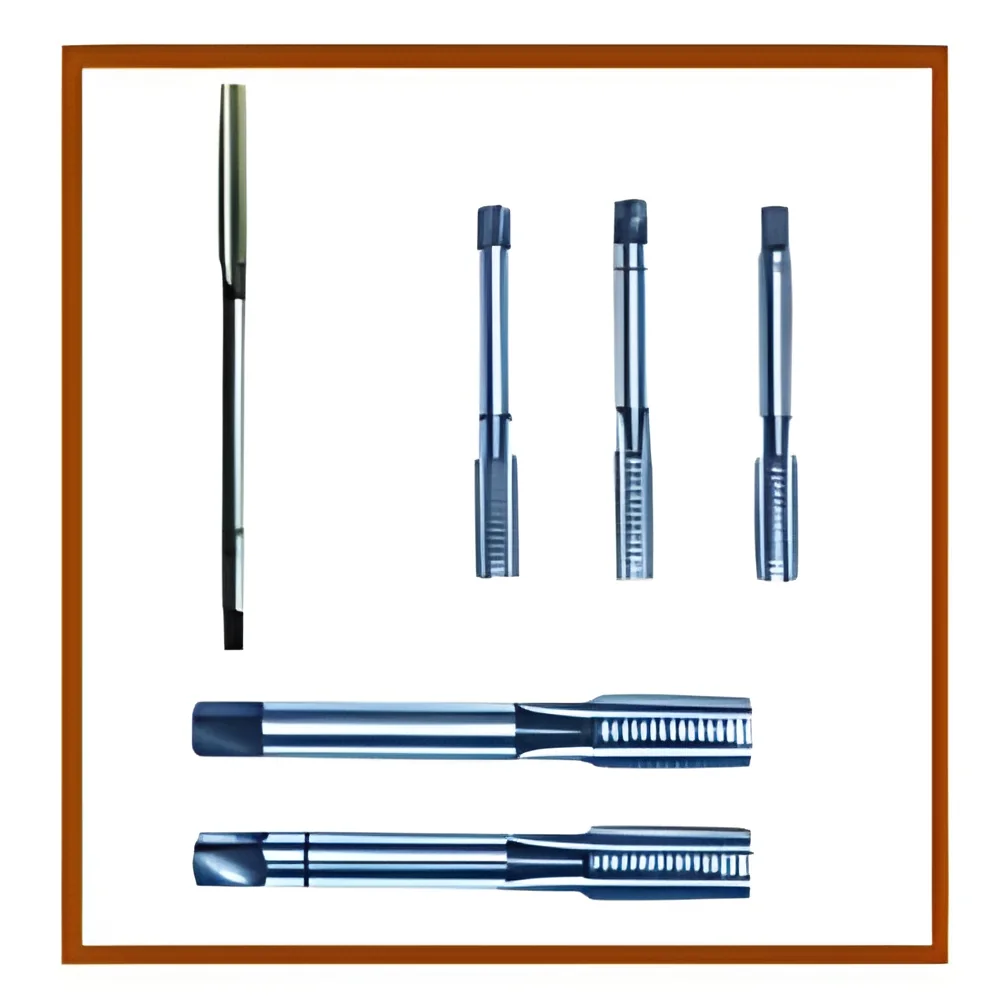
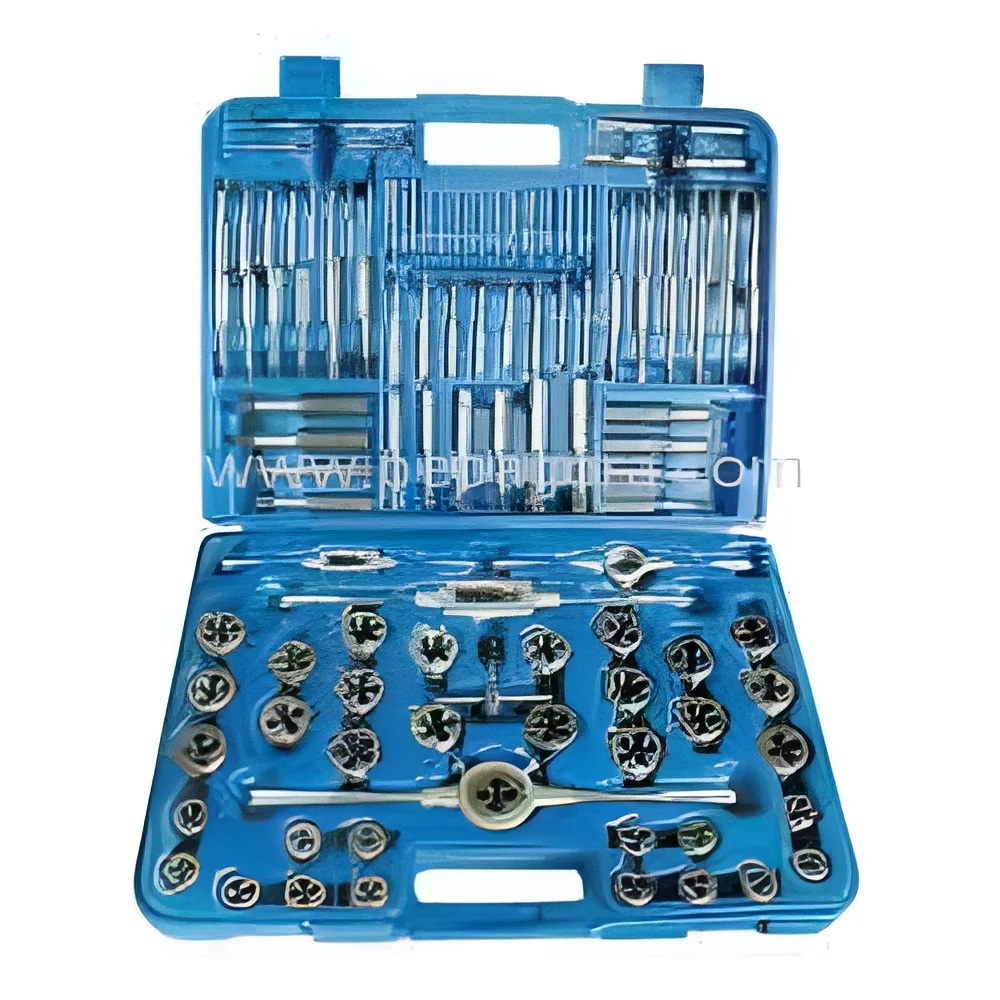
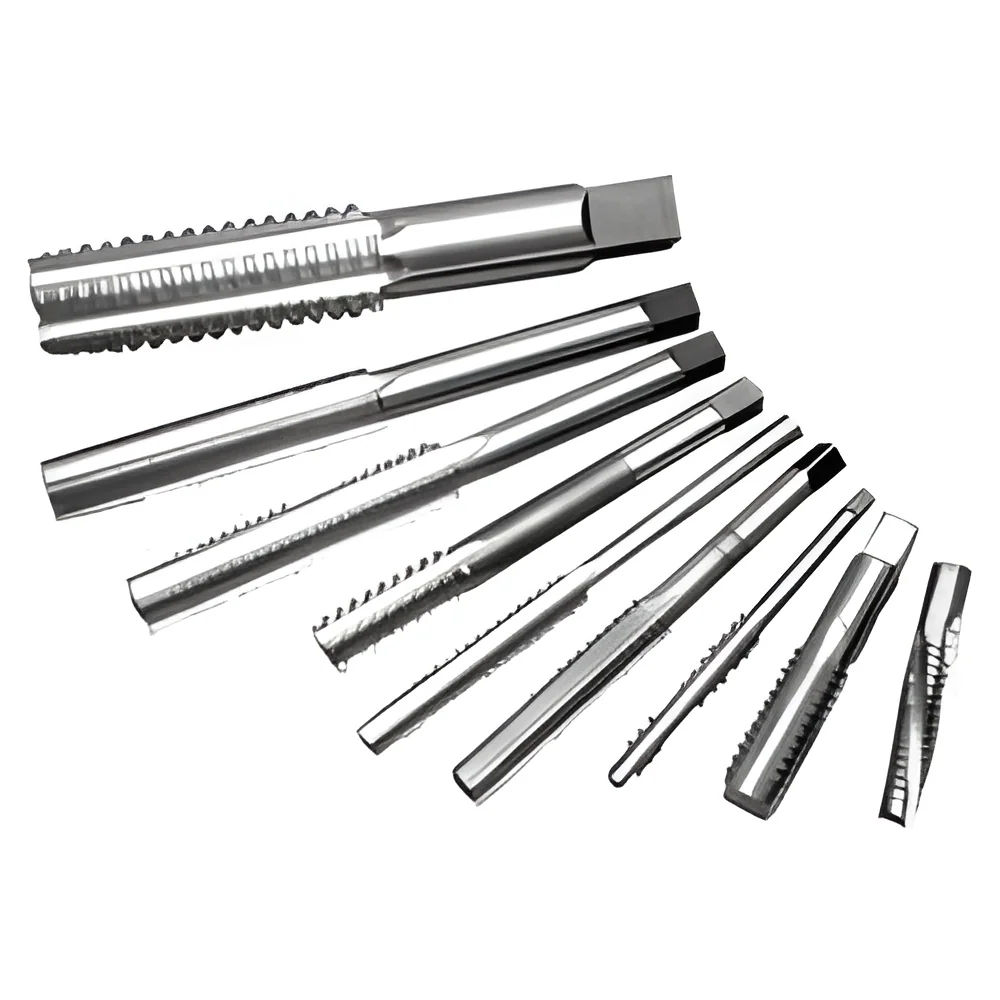
Taps and dies are essential tools used in metalworking for creating internal and external threads. A tap is a cutting tool designed to create threads inside a pre-drilled hole, while a die is used to cut threads on the outside of a cylindrical object. These tools are fundamental in machining and manufacturing processes, enabling the production of threaded fasteners, fittings, and other components.
The primary uses of taps and dies extend to various applications in industries such as automotive, aerospace, and machinery. They are pivotal in assembling and fastening parts securely, allowing for precise fittings that are crucial in high-performance environments. Businesses rely on these tools for maintenance, repair, and production, ensuring that components work together efficiently.
In the current market, taps and dies are integral to the supply chain of many manufacturing sectors. As industries continue to advance, the demand for high-quality threading tools is on the rise. This growth reflects the increasing complexity of products and the need for reliable, durable tools that can withstand rigorous use in various applications.
Key Features and Specifications
Taps and dies are designed with specific features and specifications that enhance their performance and usability. Understanding these specifications is crucial for selecting the right tools for your needs.
Key specifications include:
1. Material Composition
- Usually made from high-speed steel or carbon steel
- Offers durability and resistance to wear
2. Thread Types
- Available in various thread standards such as UNC, UNF, and metric
- Ensures compatibility with different fasteners and components
3. Tapered vs. Straight Taps
- Tapered taps are easier to start and less likely to break
- Straight taps provide a more precise thread in deeper holes
4. Die Sizes
- Available in a range of sizes to accommodate different diameters
- Ensures versatility in creating threads on various materials
5. Coatings
- Some taps and dies feature coatings like titanium nitride for increased hardness
- Enhances performance and longevity
6. Cutting Edge Design
- Features sharp cutting edges for efficient material removal
- Allows for smoother and faster threading
7. Thread Pitch
- Varying pitches available for different thread requirements
- Ensures precision in final application
8. Hand vs. Machine Taps
- Hand taps are used manually while machine taps are designed for automated processes
- Choice depends on production needs
In summary, the specifications of taps and dies are tailored to meet varying industrial needs, ensuring efficiency and precision in threading applications.
Common Applications and Use Cases
Taps and dies find application across diverse industries, making them versatile tools in manufacturing and assembly.
1. Automotive: In the automotive industry, taps and dies are used for creating threaded holes for bolts and screws in engines, chassis, and bodywork. Their reliability ensures that components are securely fastened.
2. Aerospace: Aerospace manufacturing requires high precision, and taps and dies are used to create threads in critical components like fuselage and engine parts, ensuring safety and performance.
3. Machinery: In machinery production, taps and dies are used to create threads in various machine parts, facilitating assembly and disassembly during maintenance and repairs.
4. Construction: In the construction sector, these tools are used for creating threaded rods and fasteners that hold structural elements together, ensuring stability and safety.
5. Plumbing: Taps and dies are essential in plumbing for threading pipes and fittings, allowing for secure connections that prevent leaks.
6. Electronics: In the electronics industry, taps and dies are used for creating threads in housings and enclosures, ensuring that electronic components are properly secured.
7. Furniture Manufacturing: Taps and dies are used in furniture production for creating threaded holes in wooden and metal components, allowing for easy assembly of products.
Product Variants and Subcategories
Taps and dies come in various forms to suit different applications and user preferences.
Taper Taps
Taper taps have a gradual lead-in, making them easier to start threading. They are ideal for blind holes and applications requiring precision.
Plug Taps
Plug taps are used for through holes and offer a balance between ease of use and thread quality. They are designed for general-purpose threading tasks.
Bottoming Taps
Bottoming taps are designed for threading to the bottom of blind holes. They feature a flat end that allows for maximum thread engagement.
Dies
Dies can be solid or adjustable and are used for cutting external threads. Their design allows for versatility in creating various sizes and types of threads.
Benefits and Advantages
Choosing the right taps and dies offers numerous benefits to businesses.
1. Precision: Taps and dies provide high accuracy in threading, ensuring components fit together seamlessly.
2. Durability: High-quality materials enhance the lifespan of taps and dies, reducing the need for frequent replacements and maintenance.
3. Versatility: Available in various sizes and types, these tools can be used across multiple industries, making them a valuable addition to any workshop.
4. Cost-effective: Investing in reliable taps and dies can lead to significant savings in production costs due to reduced failures and rework.
5. Ease of Use: Many taps and dies are designed for straightforward operation, making them accessible for both skilled and novice operators.
6. Enhanced Productivity: Efficient threading tools can speed up production processes, allowing businesses to meet demand more effectively.
Buying Guide for B2B Buyers
When sourcing taps and dies, several factors should be considered to ensure the best selection for your business needs.
1. Quality Assessment: Evaluate the manufacturing processes and materials used in taps and dies. Look for tools made from high-speed steel or other durable materials to ensure longevity.
2. Supplier Verification: Research potential suppliers to confirm their reputation and reliability. Check for customer reviews and industry certifications to gauge their trustworthiness.
3. Pricing and MOQ: Understand the pricing structure and minimum order quantities. Compare different suppliers to find competitive rates while ensuring quality is not compromised.
4. Delivery and Lead Times: Inquire about delivery schedules and lead times to ensure that your production timelines are met. Timely delivery is crucial for maintaining workflow.
5. Compliance Requirements: Ensure that the taps and dies comply with relevant industry standards and regulations. This is vital for quality assurance and safety in applications.
Compliance and Certifications
Taps and dies must adhere to various quality and safety standards to ensure they meet industry requirements.
ISO 9001 is a widely recognized standard that outlines quality management principles. Manufacturers of taps and dies often seek ISO certification to demonstrate their commitment to quality and continuous improvement.
The CE marking signifies that a product meets European safety standards. Taps and dies with this certification assure buyers of compliance with essential health, safety, and environmental protection requirements.
Safety and testing requirements are paramount in the manufacturing of taps and dies. Regular testing and quality checks help ensure that tools perform adequately under various conditions.
Regional compliance considerations may also apply, depending on the markets being served. Different regions may have their own standards and regulations that manufacturers must adhere to.
Why Source Taps & Dies from Pepagora?
Pepagora offers a trusted platform for sourcing taps and dies, providing several key advantages to buyers.
Verified Supplier Network: Pepagora connects buyers with a network of verified suppliers, ensuring quality and reliability in the products offered. Each supplier is vetted to provide the best options for businesses.
Streamlined RFQ Process: The quotation system at Pepagora simplifies the procurement process. Buyers can easily request quotes from multiple suppliers, facilitating comparison and informed decision-making.
Trade Assurance and Support: Pepagora provides trade assurance, protecting buyers from potential issues during transactions. This added layer of security enhances buyer confidence in sourcing.
Regional Coverage: With a strong presence in India, the GCC, and Southeast Asia, Pepagora facilitates access to a wide range of suppliers, ensuring that businesses can find the right taps and dies for their needs, regardless of location.



 India

 India
 India
 India
Frequently Asked Questions
What are Taps & Dies?
Taps and dies are tools used for cutting threads on a cylindrical surface. A tap creates internal threads in a hole, while a die cuts external threads on a rod or bolt.
What are the different types of Taps & Dies?
There are various types of taps, including tapered taps, plug taps, and bottoming taps, each designed for different threading applications. Dies also come in several forms, such as round dies, hexagonal dies, and split dies, catering to different thread sizes and profiles.
How do I choose the right Taps & Dies?
Choosing the right taps and dies involves considering the material you are working with, the thread size, and the type of threading required. It's important to ensure compatibility between the tap and die to achieve precise threading.
What are the standard specifications for Taps & Dies?
Standard specifications for taps and dies typically include thread pitch, diameter, material composition, and coating type. Common materials include high-speed steel and cobalt steel, which enhance durability and cutting performance.
What is the price range for Taps & Dies?
The price of taps and dies can vary widely based on their type, size, and material. Generally, you can expect prices to range from a few hundred to several thousand Indian Rupees for sets or individual pieces.
What quality standards apply to Taps & Dies?
Quality standards for taps and dies often adhere to international guidelines such as ISO and ANSI. These standards ensure that the tools meet specific performance and safety criteria, enhancing their usability and longevity.
Where can I find Taps & Dies suppliers in India?
You can find taps and dies suppliers in India through online B2B marketplaces like Pepagora, trade shows, and industrial supply stores. It's advisable to compare suppliers based on their product offerings and customer reviews.
Can Taps & Dies be customized?
Yes, taps and dies can often be customized to meet specific requirements, including unique sizes or thread profiles. Many manufacturers are willing to accommodate custom orders based on client specifications.
What is the typical minimum order quantity for Taps & Dies?
The minimum order quantity (MOQ) for taps and dies can vary by supplier, but it typically ranges from 5 to 50 pieces. It's advisable to check with individual suppliers for their specific MOQ policies.
What is the typical lead time for Taps & Dies?
The lead time for taps and dies can vary depending on the supplier and order size, but it generally ranges from 1 to 4 weeks. Custom orders may require additional time for production and delivery.
Why Businesses Trust Pepagora
Thousands of companies trust Pepagora to source smarter and sell faster
Expand Your Sales Globally

Source Smarter,Grow Faster
