
 IN
Stevia Extract
1 products available
What are Stevia Extract?
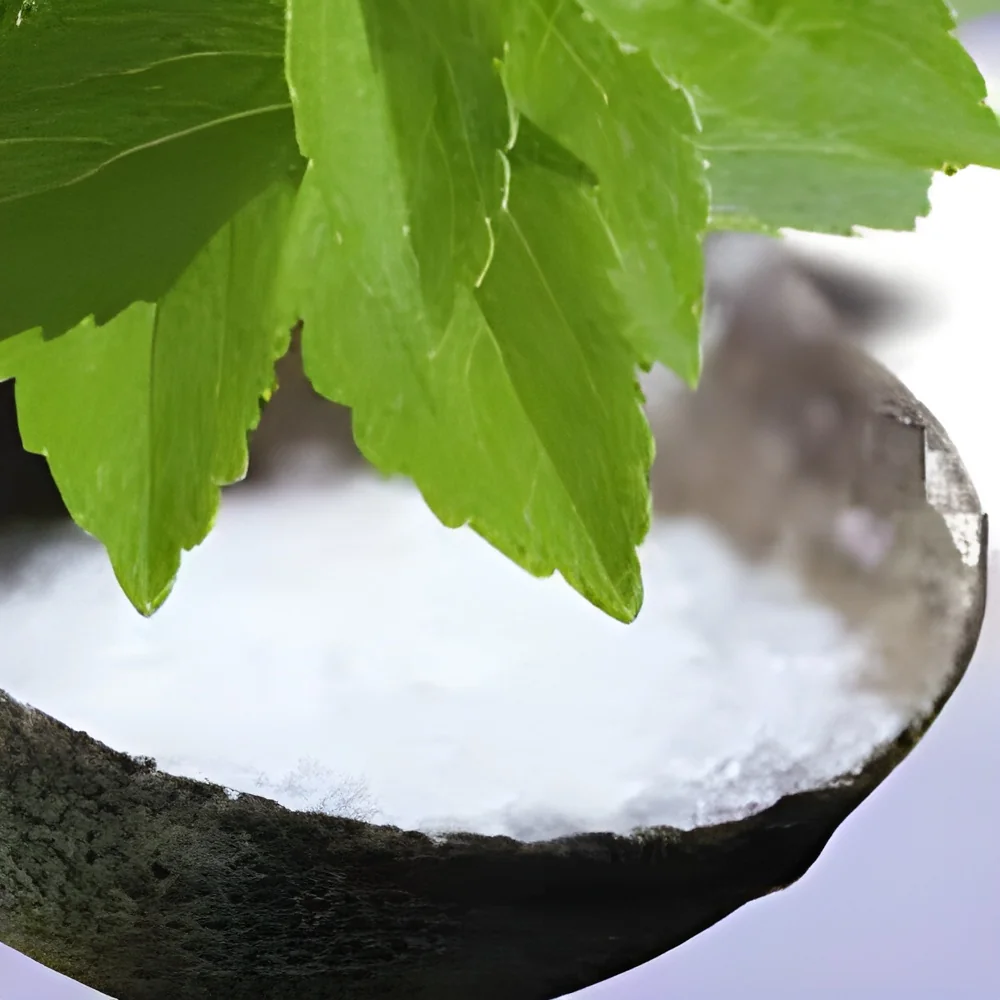
Stevia extract is a natural sweetener derived from the leaves of the Stevia rebaudiana plant. This plant is native to South America and has been used for centuries by indigenous cultures for its sweetening properties. The extract is primarily composed of steviol glycosides, which provide a sweet taste without the calories associated with traditional sugars. This makes stevia an appealing option for individuals and businesses looking to reduce sugar intake while maintaining flavor.
The primary uses of stevia extract are found in the food and beverage industry, where it serves as a sugar alternative in products such as soft drinks, baked goods, and dairy items. Additionally, stevia extract is utilized in dietary supplements and health products due to its natural origin and low-calorie content. As consumers increasingly prioritize health and wellness, the demand for stevia extract continues to grow, positioning it as a significant player in the global sweetener market.
In the context of the industry, stevia extract is relevant due to its versatility and the rising trend towards natural ingredients. This shift is driven by consumer preferences for clean labels and healthier product formulations. As a result, businesses are increasingly incorporating stevia into their offerings, making it an important consideration for manufacturers and suppliers in the food and beverage sector.
Key Features and Specifications
Stevia extract offers a range of features that make it a preferred choice for various applications. Its natural origin, high sweetness level, and low-calorie content are among the key selling points. When considering stevia extract, it is essential to understand its specifications to ensure it meets the intended use.
Key specifications include:
1. Sweetness Level
- Stevia extract is approximately 50 to 300 times sweeter than sucrose.
- Sweetness can vary based on extraction methods and glycoside content.
2. Purity
- Typically, stevia extract contains a high percentage of steviol glycosides.
- Purity levels can range from 95% to over 99% depending on the product.
3. Taste Profile
- Stevia has a unique taste that may include a slight aftertaste.
- The flavor can vary with different extraction processes.
4. Solubility
- Stevia extract is highly soluble in water and alcohol.
- Solubility can be affected by the concentration and formulation.
5. Stability
- Stevia extract remains stable under heat, making it suitable for baking.
- It has a shelf life of several years when stored properly.
6. Color
- Stevia extract is typically a white to off-white powder.
- Color can vary based on the extraction process and impurities.
7. Regulatory Status
- Stevia extract is generally recognized as safe (GRAS) by the FDA.
- Compliance with local food safety standards is essential.
In summary, stevia extract's key features and specifications make it a versatile and appealing ingredient for various industries. Understanding these elements can assist businesses in selecting the appropriate stevia products for their applications.
Common Applications and Use Cases
Stevia extract serves a diverse range of industries, highlighting its versatility as a sweetening agent.
1. Food and Beverage Industry: Stevia is widely used in soft drinks, fruit juices, and flavored waters, providing a low-calorie alternative to sugar while maintaining sweetness.
2. Baking and Confectionery: Bakers and confectioners utilize stevia extract in cakes, cookies, and candies, allowing for reduced sugar content without compromising taste.
3. Dairy Products: Stevia is incorporated into yogurt, ice creams, and other dairy items, catering to health-conscious consumers seeking lower-calorie options.
4. Dietary Supplements: Many health products, such as protein powders and vitamins, include stevia extract for flavor enhancement while keeping calorie counts low.
5. Health Foods: Stevia is popular in products marketed as natural or organic, appealing to consumers looking for clean label ingredients.
6. Sauces and Condiments: Stevia can be found in various sauces, dressings, and marinades, providing sweetness without added sugars.
7. Pharmaceuticals: Some medicinal formulations include stevia extract to mask unpleasant flavors, improving patient compliance with treatments.
Product Variants and Subcategories
Stevia extract is available in various forms, catering to different preferences and applications.
Powdered Stevia Extract: This form is highly concentrated and ideal for baking and cooking. It dissolves easily in liquids, making it suitable for beverages and sauces.
Liquid Stevia Extract: This variant is available in dropper bottles and is perfect for sweetening drinks and recipes without measuring. It offers precise control over sweetness levels.
Granulated Stevia: Often blended with fillers, granulated stevia mimics the texture of sugar, making it easy to substitute in recipes. It is commonly used in home and commercial baking.
Benefits and Advantages
Stevia extract offers numerous benefits that make it an attractive option for businesses and consumers alike.
1. Zero Calories: Stevia provides sweetness without adding calories, aiding in weight management and healthier diets.
2. Natural Origin: Derived from the Stevia rebaudiana plant, it appeals to consumers seeking natural ingredients.
3. Tooth-Friendly: Stevia does not contribute to tooth decay, making it a safe choice for oral health.
4. Versatile Applications: With various forms available, stevia can be used in a wide range of food and beverage products.
5. Stable Under Heat: Stevia maintains its sweetness when exposed to heat, making it suitable for cooking and baking.
6. Low Glycemic Index: Stevia has little to no impact on blood sugar levels, making it suitable for diabetics and those managing blood sugar.
Buying Guide for B2B Buyers
When sourcing stevia extract, B2B buyers should consider several critical factors to ensure they make informed purchasing decisions.
1. Quality Assessment: Evaluate the purity and sweetness level of the stevia extract. Look for certificates of analysis to confirm product quality.
2. Supplier Verification: Vet suppliers for reliability and reputation in the market. Check for customer reviews and industry certifications.
3. Pricing and MOQ: Understand the pricing structure and minimum order quantities. Compare quotes from different suppliers to obtain the best value.
4. Delivery and Lead Times: Inquire about delivery schedules and lead times to ensure timely availability of products for production.
5. Compliance Requirements: Ensure that the stevia extract meets necessary regulatory standards for food safety in the intended market.
Compliance and Certifications
Compliance and certifications are vital for ensuring product quality and safety in the food and beverage industry.
Stevia extract must adhere to relevant quality standards, including ISO 9001 for quality management systems. These standards ensure consistent product quality and operational efficiency.
Industry certifications such as CE indicate compliance with European safety regulations, enhancing marketability in international markets.
Safety and testing requirements are crucial, with regular testing for contaminants and impurities to ensure the product is safe for consumption.
Regional compliance considerations should also be taken into account, as regulations can vary significantly by country or region. Buyers must ensure that the stevia extract meets local regulatory requirements for food products.
Why Source Stevia Extract from Pepagora?
Pepagora provides an ideal platform for sourcing stevia extract, backed by several key advantages that enhance the buying experience.
Verified Supplier Network: Pepagora connects buyers with a network of verified suppliers, ensuring reliability and quality. Each supplier undergoes a rigorous vetting process to guarantee credibility.
Streamlined RFQ Process: The quotation system at Pepagora simplifies the sourcing process. Buyers can easily submit requests for quotes and receive competitive pricing from multiple suppliers.
Trade Assurance and Support: Pepagora offers trade assurance to protect buyers against potential risks. Support is available to address any concerns throughout the purchasing process.
Regional Coverage: With a strong presence in India, the GCC, and Southeast Asia, Pepagora ensures that buyers have access to local suppliers and products, facilitating efficient sourcing and logistics.

 India
Frequently Asked Questions
What are Stevia Extract?
Stevia Extract is a natural sweetener derived from the leaves of the Stevia rebaudiana plant. It is known for its intense sweetness and is often used as a sugar substitute in various food and beverage applications.
What are the different types of Stevia Extract?
There are several types of Stevia Extract, including crude extracts, refined extracts, and highly purified steviol glycosides. The most common forms used in food products are Rebaudioside A (Reb A) and Stevioside, which vary in sweetness and taste profiles.
How do I choose the right Stevia Extract?
To choose the right Stevia Extract, consider factors such as sweetness level, taste profile, and intended use in your product. It is also essential to evaluate the extraction process and purity of the extract to ensure it meets your quality standards.
What are the standard specifications for Stevia Extract?
Standard specifications for Stevia Extract typically include parameters such as purity percentage, moisture content, and specific sweetness levels. Regulatory standards may also dictate permissible levels of contaminants and additives.
What is the price range for Stevia Extract?
The price range for Stevia Extract can vary based on quality, purity, and supplier. Generally, prices may range from INR 1,000 to INR 5,000 per kilogram, depending on the specific product characteristics.
What quality standards apply to Stevia Extract?
Quality standards for Stevia Extract include compliance with food safety regulations such as FSSAI in India and international standards like Codex Alimentarius. Additionally, suppliers should provide certifications for purity and absence of contaminants.
Where can I find Stevia Extract suppliers in India?
You can find Stevia Extract suppliers in India through B2B marketplaces like Pepagora, trade shows, and industry directories. Researching online and reaching out to manufacturers directly can also help in locating reputable suppliers.
Can Stevia Extract be customized?
Yes, Stevia Extract can be customized based on specific requirements such as sweetness level, formulation, and packaging. Many manufacturers offer customization options to meet the unique needs of their clients.
What is the typical minimum order quantity for Stevia Extract?
The typical minimum order quantity (MOQ) for Stevia Extract varies by supplier but generally ranges from 25 to 100 kilograms. It's advisable to check with individual suppliers for their specific MOQ policies.
What is the typical lead time for Stevia Extract?
The typical lead time for Stevia Extract can range from 1 to 4 weeks, depending on the supplier's inventory and the complexity of the order. It's important to confirm lead times during the ordering process to ensure timely delivery.
Why Businesses Trust Pepagora
Thousands of companies trust Pepagora to source smarter and sell faster
Expand Your Sales Globally

Source Smarter,Grow Faster
