
 IN
Fructose
1 products available
What are Fructose?
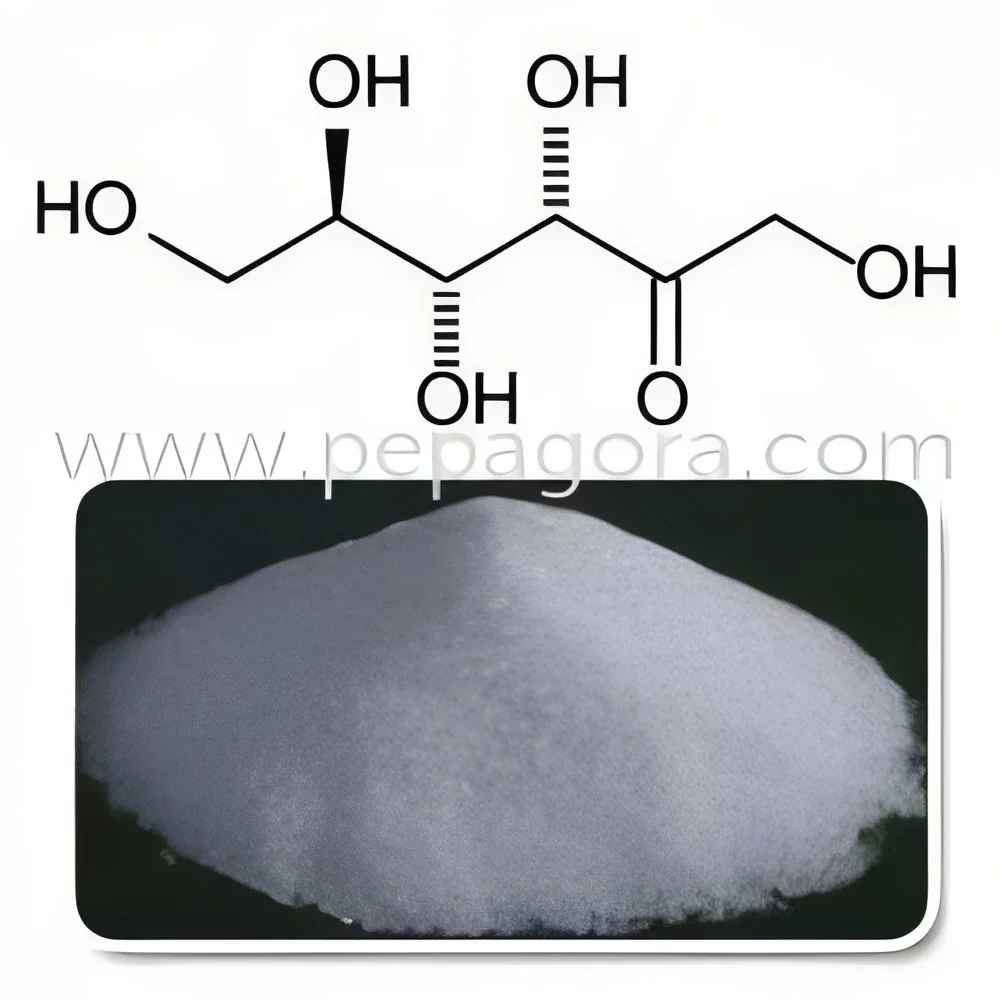
Fructose is a simple sugar, also known as fruit sugar, that is naturally found in many fruits, vegetables, and honey. As a monosaccharide, it is one of the primary sources of energy for living organisms. Fructose is sweeter than glucose, which makes it a preferred ingredient in various food and beverage products, providing not only sweetness but also enhancing the overall flavor profile.
In the business context, fructose is predominantly used in the food and beverage industry as a sweetening agent. It is commonly utilized in processed foods, soft drinks, and confectionery items. Additionally, fructose plays a significant role in the pharmaceutical industry as an excipient and is increasingly being used in health and wellness products due to its low glycemic index. The growing demand for natural sweeteners and the rising health consciousness among consumers have made fructose an important ingredient in various market segments.
Key Features and Specifications
Fructose is characterized by various features that make it suitable for a range of industrial applications. Understanding these specifications is crucial for businesses looking to incorporate fructose into their products.
Key specifications include:
1. Purity Level
- Fructose typically has a purity level of 99% or higher.
- High purity ensures minimal flavor interference in food applications.
2. Solubility
- Fructose is highly soluble in water.
- This feature allows for easy integration into liquid products.
3. Sweetness Level
- Fructose is about 1.5 times sweeter than sucrose.
- This high sweetness level enables reduced usage in formulations.
4. Low Glycemic Index
- Fructose has a glycemic index of around 19.
- This property makes it a suitable alternative for diabetic products.
5. Shelf Stability
- Fructose is stable under proper storage conditions.
- Its stability ensures a longer shelf life for food products.
6. Fermentability
- Fructose can be fermented by yeast and bacteria.
- This characteristic is beneficial in alcoholic beverage production.
7. Color and Odor
- Fructose is typically colorless and odorless.
- This neutral profile allows it to blend seamlessly with other ingredients.
In summary, fructose is a versatile ingredient with many beneficial characteristics, making it an essential component in various industries.
Common Applications and Use Cases
Fructose serves various industries due to its unique properties and versatility.
1. Food and Beverage: Fructose is widely used as a sweetener in soft drinks, juices, and snacks, enhancing flavor without the need for high sugar content.
2. Pharmaceuticals: In the pharmaceutical industry, fructose acts as an excipient in tablets and syrups, improving taste and solubility.
3. Nutraceuticals: Fructose is increasingly being used in health supplements and functional foods designed for weight management and diabetic diets.
4. Bakery: In the bakery sector, fructose helps improve browning and moisture retention in bread and pastries.
5. Confectionery: Fructose is a popular choice for candy and chocolate production, providing sweetness while maintaining texture.
6. Dairy Products: Fructose is used in flavored yogurts and ice creams to enhance sweetness without increasing calories significantly.
7. Animal Feed: Fructose is also incorporated into animal nutrition products, providing energy and improving palatability.
Product Variants and Subcategories
Fructose is available in various forms, catering to different industrial needs.
Liquid Fructose
Liquid fructose is a syrup form that is easy to use in liquid formulations. It is ideal for beverages and sauces, providing excellent sweetness and solubility.
Crystalline Fructose
Crystalline fructose comes in a powdered form and is often used in baking and dry mixes. Its high purity makes it a preferred choice for many manufacturers.
Benefits and Advantages
Fructose offers several benefits that make it an attractive option for businesses.
1. Enhanced Sweetness: Fructose is sweeter than regular sugar, allowing for lower usage rates in formulations while achieving desired sweetness levels.
2. Low Glycemic Impact: With a low glycemic index, fructose is suitable for products targeting health-conscious consumers, including those with diabetes.
3. Versatile Applications: Fructose's solubility and stability make it suitable for a wide range of applications across multiple industries.
4. Natural Source: Being derived from fruits, fructose appeals to consumers looking for natural ingredients in their foods and beverages.
5. Improved Flavor Profile: Fructose enhances the overall flavor of products, making them more appealing to consumers.
6. Cost Efficiency: Due to its high sweetness level, less fructose is needed in formulations, potentially reducing overall ingredient costs.
Buying Guide for B2B Buyers
When sourcing fructose, businesses should consider several critical factors to ensure they select the right product for their needs.
1. Quality Assessment: Evaluate the purity and quality of fructose being offered. High purity levels are essential for maintaining flavor integrity in food products.
2. Supplier Verification: Vet potential suppliers by checking their certifications and industry reputation. Reliable suppliers ensure consistent quality and supply.
3. Pricing and MOQ: Understand the pricing structure and minimum order quantities required by suppliers. This information is crucial for budgeting and planning.
4. Delivery and Lead Times: Discuss logistics and expected lead times for delivery. Timely delivery is essential for maintaining production schedules.
5. Compliance Requirements: Ensure that the fructose meets relevant regulatory standards for your specific industry, including food safety and labeling requirements.
Compliance and Certifications
Fructose must adhere to various quality standards and certifications to ensure safety and reliability in its applications. Relevant quality standards such as ISO 9001 are critical for maintaining consistent product quality. Additionally, adherence to HACCP (Hazard Analysis and Critical Control Points) guidelines ensures food safety throughout the production process.
Industry certifications, including CE, signify compliance with European health, safety, and environmental protection standards. It is also essential to consider safety and testing requirements specific to the regions where fructose will be used. Understanding local compliance considerations is crucial for businesses involved in international trade.
Why Source Fructose from Pepagora?
Pepagora provides a trusted platform for sourcing fructose, offering several key advantages for businesses.
Verified Supplier Network: Pepagora ensures that all suppliers are thoroughly vetted, providing access to quality products from reliable sources. This verification process helps businesses make informed decisions.
Streamlined RFQ Process: The request for quotation process on Pepagora is designed to be simple and efficient, allowing buyers to receive quotes quickly and compare options easily.
Trade Assurance and Support: Pepagora offers buyer protection through trade assurance measures, ensuring that businesses can source fructose with confidence.
Regional Coverage: With a strong presence in regions such as India, the GCC, and Southeast Asia, Pepagora provides extensive geographic reach, facilitating smooth transactions across borders and enhancing supply chain efficiency.

Frequently Asked Questions
What are Fructose?
Fructose is a simple sugar, or monosaccharide, found naturally in many fruits, honey, and root vegetables. It is sweeter than glucose and is commonly used as a sweetener in food and beverages.
What are the different types of Fructose?
There are primarily two types of fructose: crystalline fructose and high fructose corn syrup (HFCS). Crystalline fructose is a pure sugar form, while HFCS is derived from corn starch and contains varying levels of fructose and glucose.
How do I choose the right Fructose?
Choosing the right fructose depends on your specific application and sweetness requirements. Consider factors such as purity, form (crystalline or liquid), and any potential dietary restrictions when selecting fructose.
What are the standard specifications for Fructose?
Standard specifications for fructose include parameters such as purity (typically 98% or higher), moisture content, and color. These specifications can vary depending on the manufacturer and intended use.
What is the price range for Fructose?
The price range for fructose can vary significantly based on the type, quality, and quantity purchased. Generally, prices can range from INR 100 to INR 300 per kilogram, but it's advisable to check with suppliers for specific rates.
What quality standards apply to Fructose?
Fructose must adhere to various quality standards and regulations, including food safety standards set by organizations such as FSSAI in India. Manufacturers often conduct tests for purity, contaminants, and shelf life to ensure compliance.
Where can I find Fructose suppliers in India?
You can find fructose suppliers in India through B2B marketplaces like Pepagora.com, industry trade shows, and local directories. It's recommended to compare multiple suppliers to find the best fit for your needs.
Can Fructose be customized?
Yes, fructose can be customized based on specific requirements such as sweetness level, form, and packaging. Many manufacturers offer customization options to meet the unique needs of their clients.
What is the typical minimum order quantity for Fructose?
The typical minimum order quantity (MOQ) for fructose can vary between suppliers, but it usually starts at 100 kilograms. It's best to confirm MOQs directly with the supplier you choose.
What is the typical lead time for Fructose?
The typical lead time for fructose orders can range from 1 to 4 weeks, depending on the supplier and the volume ordered. Factors such as availability and shipping logistics can also influence delivery times.
Why Businesses Trust Pepagora
Thousands of companies trust Pepagora to source smarter and sell faster
Expand Your Sales Globally

Source Smarter,Grow Faster
