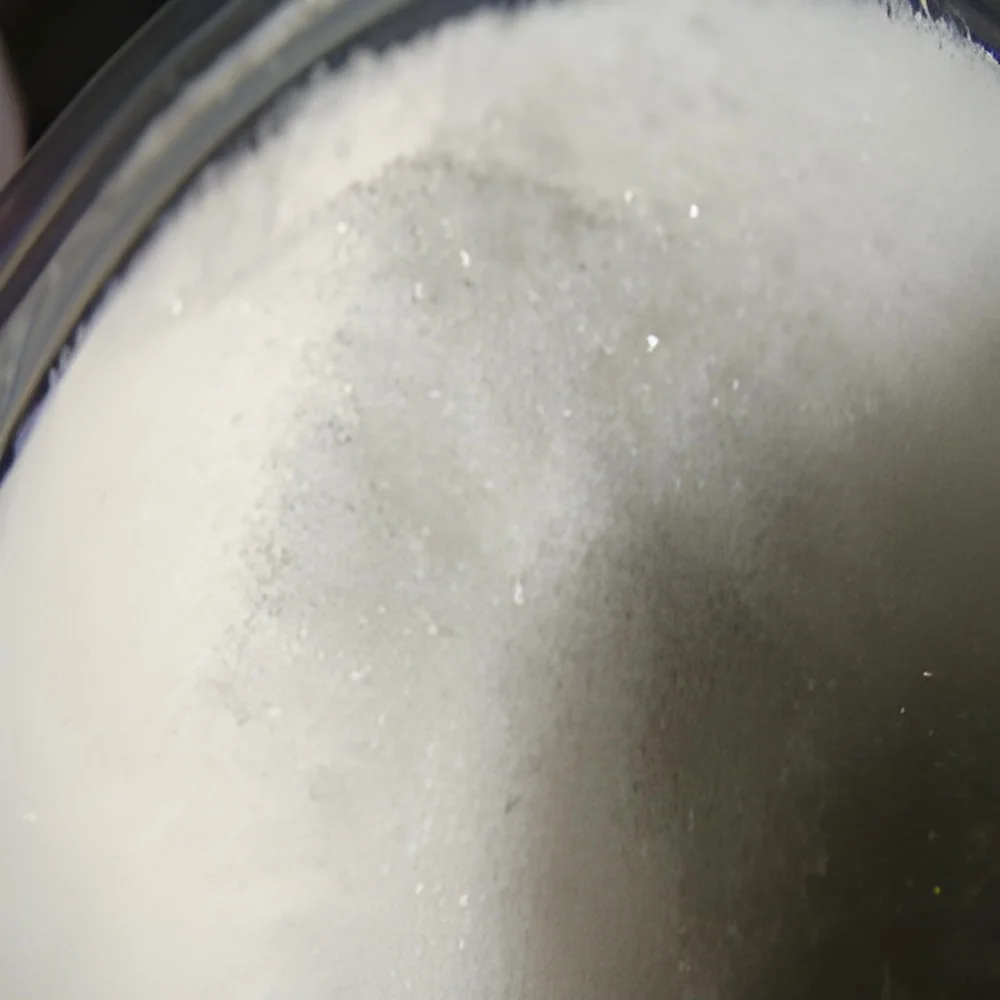
What are Tartaric Acid?
Tartaric acid is a naturally occurring organic acid that is primarily derived from the grape and other fruits. It is a white crystalline substance with a sour taste, commonly used in various industrial applications. Tartaric acid plays a crucial role in the food and beverage industry, particularly in winemaking, where it helps in stabilizing the acidity and enhancing the flavor of wines.
In addition to its use in food and beverages, tartaric acid is also applied in pharmaceuticals, cosmetics, and the manufacturing of certain chemicals. Its chemical properties make it useful as a stabilizer, acidulant, and emulsifier. As industries continue to seek natural and effective ingredients, the demand for tartaric acid remains robust, highlighting its relevance in both traditional and modern applications.
Key Features and Specifications
Tartaric acid is characterized by several key features that define its suitability for various applications. Understanding these specifications is essential for businesses looking to utilize this compound effectively.
Key specifications include:
1. Purity Level
- Typically ranges from 99% to 100%
- Higher purity levels are often required for food and pharmaceutical applications
2. Solubility
- Soluble in water
- Solubility increases with temperature
3. Melting Point
- Melting point is approximately 170 degrees Celsius
- This characteristic is important for processing and formulation
4. Appearance
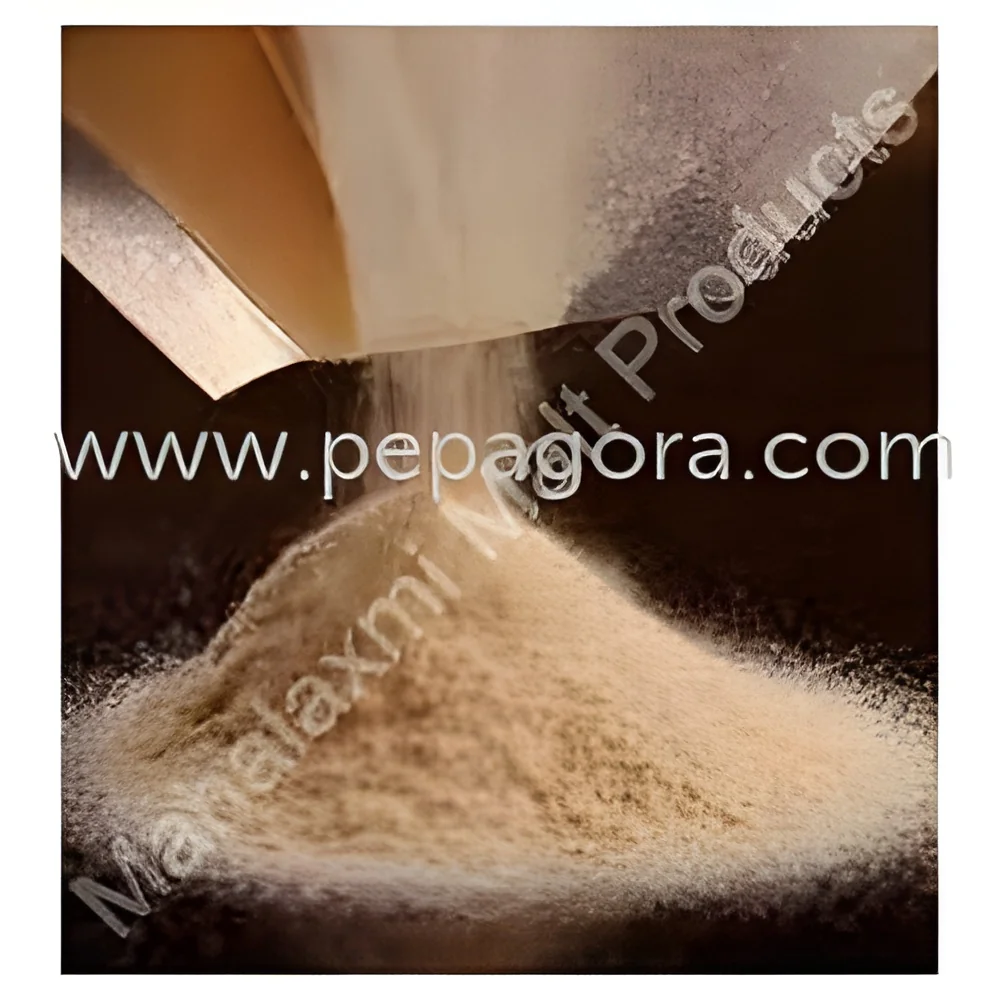
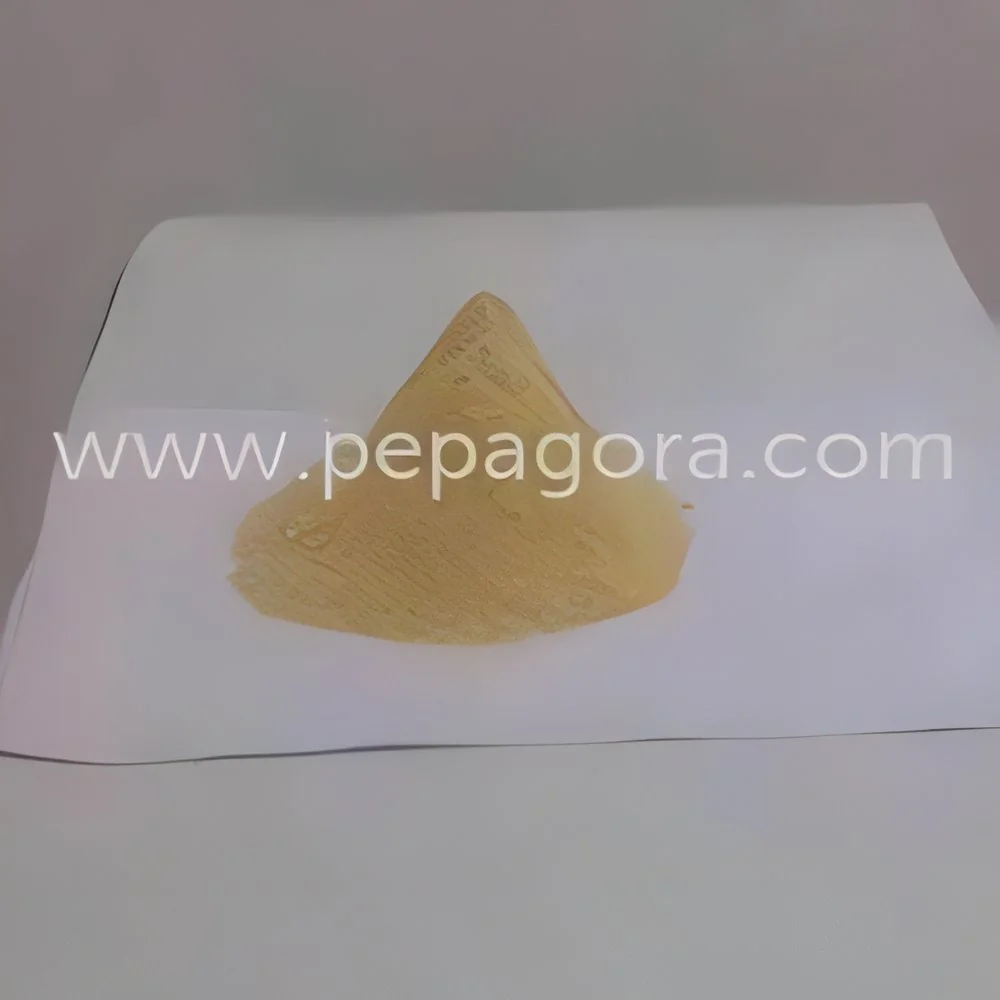
- White crystalline powder
- Consistent appearance is crucial for branding and consumer acceptance
5. pH Level
- Typically ranges from 3.0 to 4.0 in solution
- Important for applications in food and beverages
6. Molecular Weight
- Molecular weight is approximately 150.09 g/mol
- This is significant for chemical calculations in formulations
7. Storage Conditions
- Should be stored in a cool, dry place
- Protect from moisture to maintain quality
8. Shelf Life
- Generally has a shelf life of 24 months if stored properly
- Regular quality checks are recommended
These specifications ensure that tartaric acid meets industry standards and customer expectations.
Common Applications and Use Cases
Tartaric acid serves various industries, making it a versatile compound with broad applications.
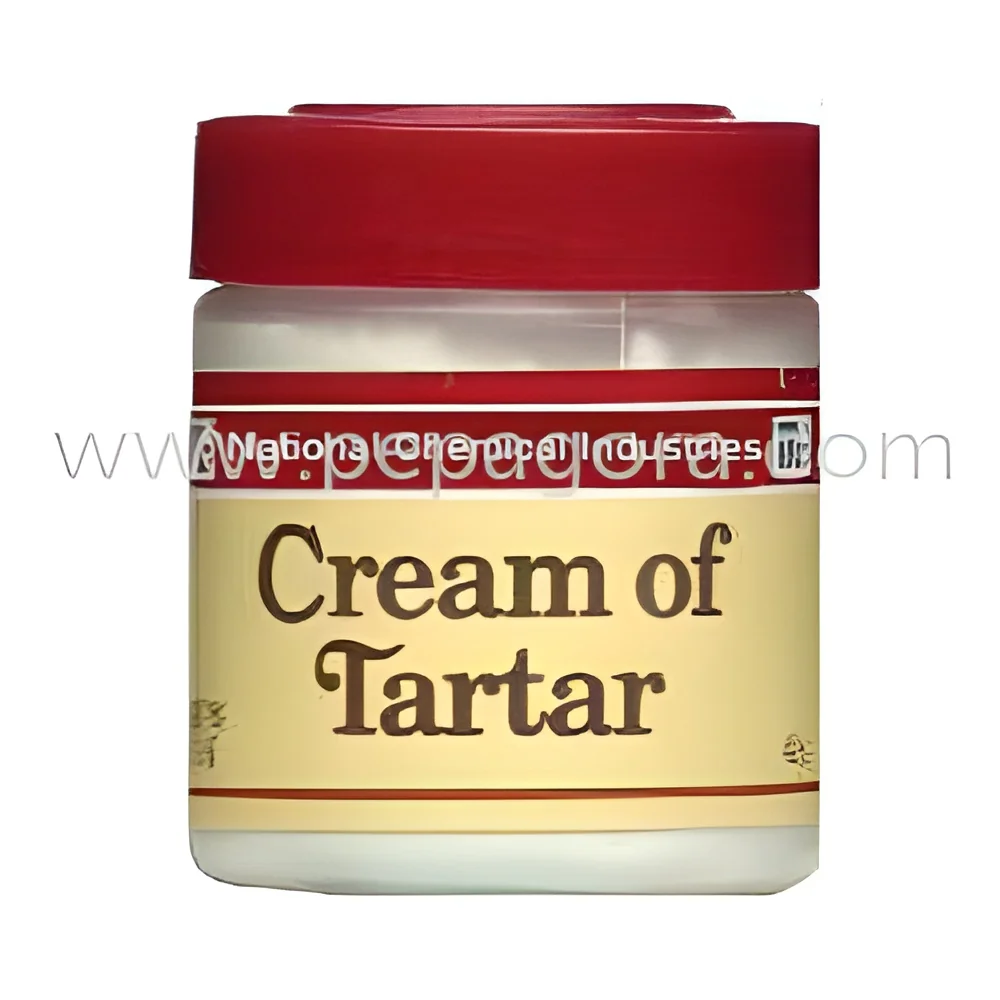
1. Food and Beverage Industry: Tartaric acid is widely used as an acidulant and stabilizer in products like cream of tartar, wine, and soft drinks. It enhances flavor while ensuring product stability.
2. Pharmaceutical Industry: In pharmaceuticals, tartaric acid is used as an excipient in drug formulations. It helps improve the solubility and bioavailability of certain medications.
3. Cosmetics and Personal Care: Tartaric acid is utilized in cosmetic formulations for its exfoliating properties. It helps in maintaining skin pH balance and improving product texture.
4. Chemical Manufacturing: It is used in the production of various chemical compounds and as a buffering agent in industrial processes.
5. Agriculture: Tartaric acid finds application in agriculture as a pH regulator in soil treatment and as a component in fertilizers.
6. Baking Industry: Used in baking powder formulations, tartaric acid acts as a leavening agent, enhancing the texture and volume of baked goods.
7. Laboratory Use: In laboratories, tartaric acid is employed in analytical chemistry as a reagent for various tests and experiments.
Product Variants and Subcategories
Tartaric acid is available in different forms and specifications, catering to diverse industry needs.
Granulated Tartaric Acid
This variant features a finer granule size, making it suitable for applications that require quick dissolution, such as in beverages and instant mixes.
Powdered Tartaric Acid
This form is ideal for baking and food processing, as it allows for even distribution in formulations. It is often used in baking powders and as a leavening agent.
Liquid Tartaric Acid
Liquid forms are used in specific applications where immediate solubility is desired. This variant is commonly utilized in the beverage industry.
Benefits and Advantages
Tartaric acid offers several benefits that make it an essential ingredient across various sectors.
1. Natural Source: Extracted from fruits, tartaric acid is a natural ingredient, appealing to health-conscious consumers.
2. Versatile Applications: Its multifunctional properties allow it to be used in food, pharmaceuticals, and cosmetics, providing businesses with flexibility.
3. Enhances Flavor: In the food and beverage industry, tartaric acid improves taste and flavor profiles, making products more appealing to consumers.
4. Stabilizing Agent: It acts as a stabilizer in formulations, ensuring product quality and consistency over time.
5. Cost-Effective: Tartaric acid is generally affordable, which helps companies manage production costs while maintaining quality.
6. Compliance-Friendly: Being a naturally derived ingredient, it often meets various regulatory requirements for food and beverage applications.
Buying Guide for B2B Buyers
When sourcing tartaric acid, buyers should consider several critical factors to ensure they make informed purchasing decisions.
1. Quality Assessment: Check for purity levels and consistency in appearance. High-quality tartaric acid should meet industry standards and specifications relevant to your application.
2. Supplier Verification: Vet suppliers thoroughly. Look for credentials, certifications, and reviews to ensure reliability and quality assurance.
3. Pricing and MOQ: Understand the price range for tartaric acid and inquire about minimum order quantities. This helps in budgeting and ensuring sufficient supply.
4. Delivery and Lead Times: Discuss logistics with suppliers to understand delivery timelines. Timely delivery is crucial for production schedules.
5. Compliance Requirements: Ensure that the tartaric acid meets relevant regulations and safety standards in your industry. This includes checking for certifications like CE.
Compliance and Certifications
Tartaric acid is subject to various quality standards and certifications that ensure its safety and efficacy in industrial applications. Key standards include ISO 9001, which emphasizes quality management systems, and HACCP, which focuses on food safety.
Additionally, tartaric acid is often certified under CE regulations, indicating compliance with European health, safety, and environmental protection standards.
Safety and testing requirements are also critical. Regular testing for purity and contaminants is essential to maintain product integrity. Furthermore, regional compliance considerations may vary, necessitating awareness of specific local regulations when sourcing tartaric acid for use in different markets.
Why Source Tartaric Acid from Pepagora?
Pepagora provides a trusted platform for sourcing tartaric acid with several key advantages that benefit B2B buyers.
Verified Supplier Network: Pepagora connects buyers with a network of verified suppliers, ensuring that the quality and reliability of tartaric acid are upheld throughout the supply chain.
Streamlined RFQ Process: The platform features a user-friendly request for quotation (RFQ) system, allowing buyers to easily obtain multiple quotes from suppliers, facilitating competitive pricing.
Trade Assurance and Support: Pepagora offers trade assurance to protect buyers from potential risks associated with procurement. This includes support throughout the purchasing process, ensuring peace of mind.
Regional Coverage: With a strong presence in India, the GCC, and Southeast Asia, Pepagora provides extensive geographic reach, making it convenient for businesses in various regions to source tartaric acid efficiently.

 IN
IN