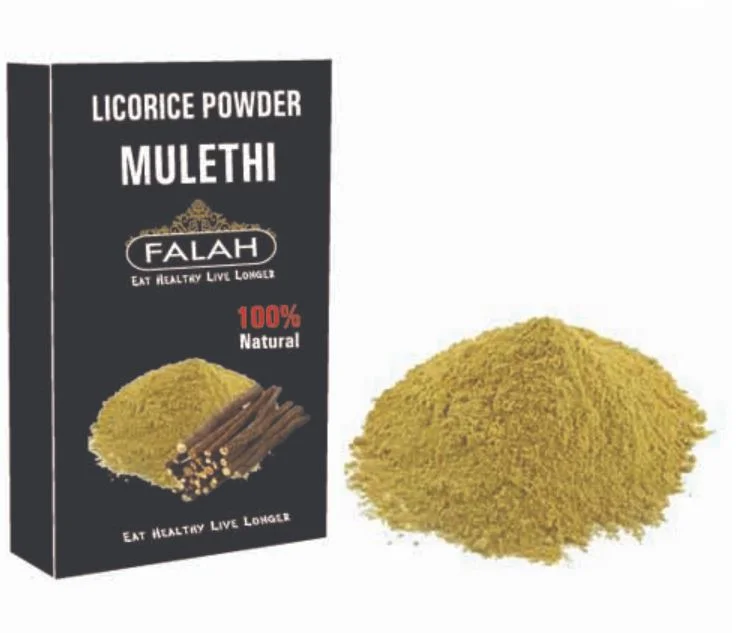
What are Baking Powder?
Baking powder is a chemical leavening agent used in baking to increase the volume and lighten the texture of baked goods. It consists of a combination of an acid, a base, and a filler, often cornstarch, which keeps the two components dry and separated. When mixed with moisture and heat, baking powder produces carbon dioxide gas, which causes doughs and batters to rise. This process is essential for achieving the desired texture in cakes, muffins, and other baked items.
In the industrial context, baking powder is widely used in bakeries, food manufacturing, and catering services. Its primary application is in the production of various baked goods, including bread, pastries, and cookies. Businesses rely on baking powder not only for its leavening properties but also for its consistency and reliability in producing uniform results. The demand for baking powder continues to grow due to the expanding bakery and snack food market, making it a critical ingredient in many food production operations.
Key Features and Specifications
Baking powder is available in different formulations, each tailored to meet specific baking needs. Understanding its key features and specifications is essential for businesses looking to incorporate baking powder into their operations.
Key specifications include:
1. Composition
- A blend of baking soda (sodium bicarbonate) and one or more acids, such as cream of tartar.
- Typically includes a stabilizer like cornstarch.
2. Type
- Single-acting: Releases gas when moistened.
- Double-acting: Releases gas in two phases, once when moistened and again when heated.
3. Shelf Life
- Generally ranges from 6 months to 1 year when stored properly.
- Performance can decline after the expiration date.
4. Packaging
- Available in bulk packaging for industrial use or smaller packages for retail.
- Commonly sold in sealed, moisture-proof containers.
5. Solubility
- Should dissolve easily when mixed with wet ingredients.
- Ensures even distribution in the batter or dough.
6. Color
- Typically white or off-white, indicating purity and quality.
- Any discoloration may indicate spoilage or contamination.
7. Country of Origin
- Different countries may have various regulations and quality standards.
- Important for compliance and import considerations.
8. Certifications
- Must meet local and international food safety standards, such as CE certification.
Baking powder is a versatile ingredient that plays a crucial role in the baking process, and understanding its specifications can help businesses select the right product for their needs.
Common Applications and Use Cases
Baking powder serves various industries beyond traditional baking. Its versatility makes it a valuable ingredient in numerous applications.
1. Bakery Industry: Baking powder is essential for producing a wide range of baked goods such as bread, cakes, muffins, and pastries, ensuring they rise properly and have the desired texture.
2. Food Manufacturing: Many pre-packaged food products, including frozen desserts and snack foods, depend on baking powder for leavening, contributing to their light and airy qualities.
3. Catering Services: Caterers use baking powder in recipes for large quantities of baked items, ensuring consistency and quality across various events.
4. Home Baking: Retail consumers often purchase baking powder for home use, making it a staple in kitchens for baking enthusiasts.
5. Industrial Food Processing: Large-scale food producers utilize baking powder in the manufacturing of convenience foods, ensuring they meet consumer expectations for quality and taste.
6. Gluten-Free Baking: Specialized baking powders are available for gluten-free products, allowing those with dietary restrictions to enjoy baked goods.
7. Snacks Production: Baking powder is used in the production of various snacks, providing the necessary leavening for items like crackers and puffed snacks.
Product Variants and Subcategories
Baking powder comes in several variants, allowing businesses to choose the best option for their specific needs.
Regular Baking Powder: This is the most common variant, suitable for general baking purposes. It is typically double-acting, providing reliable leavening for a variety of baked goods.
Aluminum-Free Baking Powder: This variant is formulated without aluminum compounds, making it a popular choice for health-conscious consumers. It is often preferred for its cleaner taste and is used in a variety of recipes.
Gluten-Free Baking Powder: Designed for those with gluten sensitivities, this product uses alternative ingredients to ensure safe baking without compromising performance.
Organic Baking Powder: Made with organic ingredients, this variant appeals to consumers seeking natural and organic products. It meets strict organic standards and is often used in specialty baking.
Benefits and Advantages
Baking powder offers numerous benefits that make it indispensable in the baking industry.
1. Consistent Results: Baking powder ensures uniform rising in baked goods, leading to consistent quality and texture across batches.
2. Convenience: As a pre-measured ingredient, baking powder simplifies the baking process, saving time and effort for bakers.
3. Versatility: It can be used in a wide range of recipes, from sweet to savory, making it a versatile ingredient for various applications.
4. Improved Shelf Life: Properly formulated baking powders have a longer shelf life compared to homemade leavening agents, providing reliability in production.
5. Easy to Use: Baking powder requires no special preparation or activation, making it user-friendly for both professional and home bakers.
6. Enhances Flavor: Baking powder helps create a light texture that enhances the overall flavor of baked goods, contributing to their appeal.
Buying Guide for B2B Buyers
When sourcing baking powder, businesses should consider several key factors to ensure they select the appropriate product.
1. Quality Assessment: Evaluate the quality of baking powder by checking for certifications and compliance with industry standards to ensure safety and effectiveness.
2. Supplier Verification: Vet suppliers by checking their reputation, production practices, and history in the market to ensure reliability and consistency in supply.
3. Pricing and MOQ: Understand the pricing structure and minimum order quantities to align with budget constraints and production needs.
4. Delivery and Lead Times: Consider logistics and delivery schedules to ensure timely availability of baking powder, which is crucial for uninterrupted production.
5. Compliance Requirements: Be aware of local and international regulations regarding food safety, labeling, and ingredient sourcing to ensure compliance.
Compliance and Certifications
Baking powder must adhere to various quality and safety standards to ensure it is safe for consumption and meets industry requirements. Key standards include ISO 9001, which ensures a consistent quality management system, and HACCP, which focuses on food safety by identifying and controlling potential hazards in the production process. Additionally, compliance with Good Distribution Practice (GDP) is essential for maintaining the integrity of the product during distribution.
Industry certifications, such as CE certification, indicate that the product meets European safety standards, adding credibility to suppliers and products. Safety and testing requirements often include microbiological testing and chemical analysis to verify purity and effectiveness. Moreover, regional compliance considerations may vary, requiring businesses to stay informed about local regulations affecting food products.
Why Source Baking Powder from Pepagora?
Pepagora provides a trusted platform for sourcing baking powder, offering several key advantages for businesses looking to enhance their product offerings.
Verified Supplier Network: Pepagora features a comprehensive network of verified suppliers, ensuring that buyers have access to high-quality baking powder from reputable sources. This reduces the risk of sourcing subpar products.
Streamlined RFQ Process: The platform simplifies the quotation request process, enabling businesses to quickly obtain pricing and product details from multiple suppliers. This efficiency helps buyers make informed decisions faster.
Trade Assurance and Support: Pepagora prioritizes buyer protection through trade assurance, offering support throughout the purchasing process. This commitment enhances confidence in transactions and fosters long-term partnerships.
Regional Coverage: With a presence in India, the GCC, and Southeast Asia, Pepagora provides extensive geographic reach, making it easier for businesses in these regions to access quality baking powder and connect with suppliers. This broad coverage enhances market accessibility and facilitates growth opportunities in various markets.

 IN
IN