What are Maltodextrin?
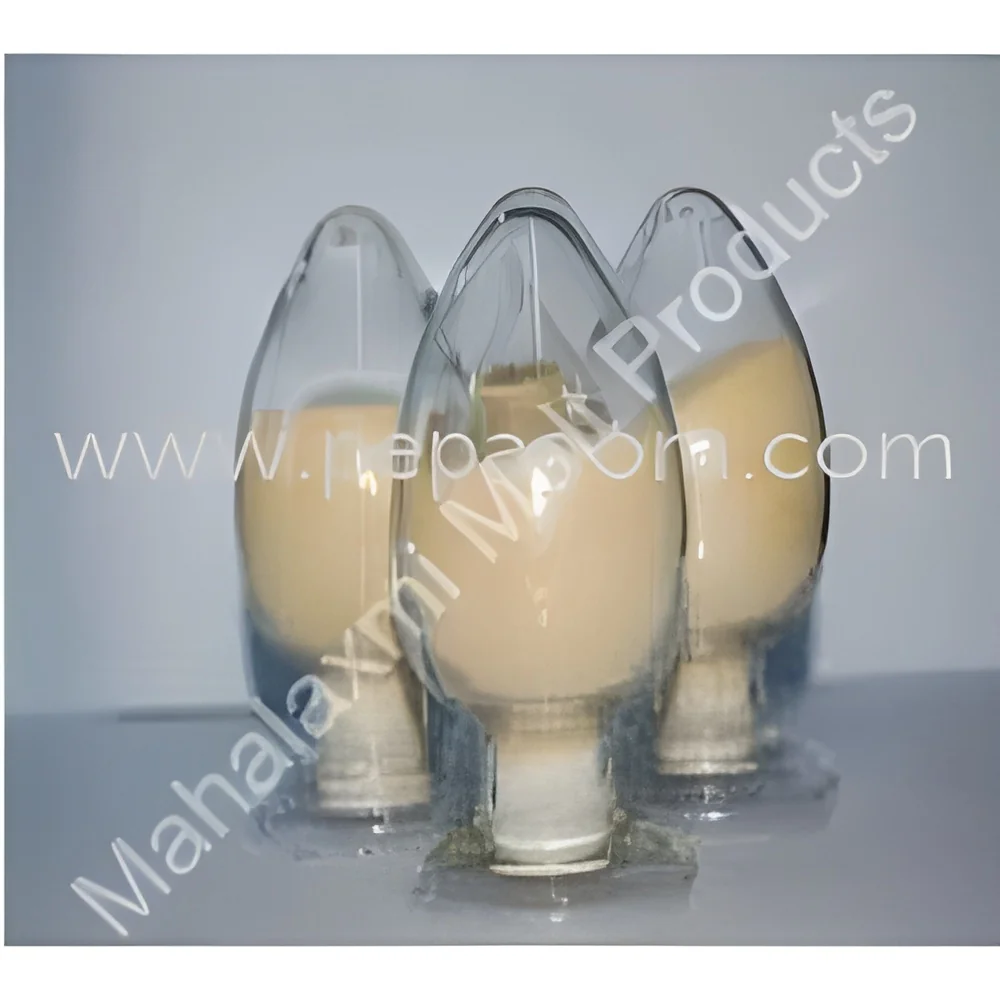
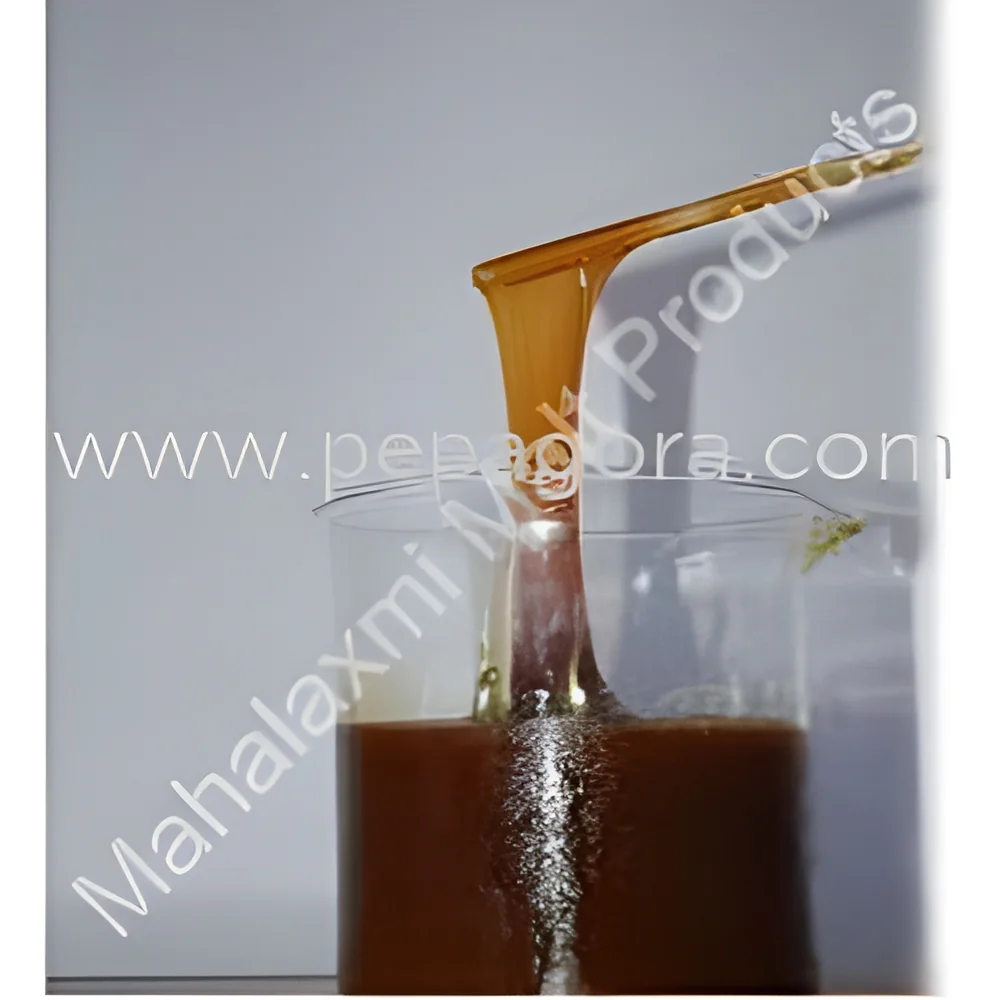
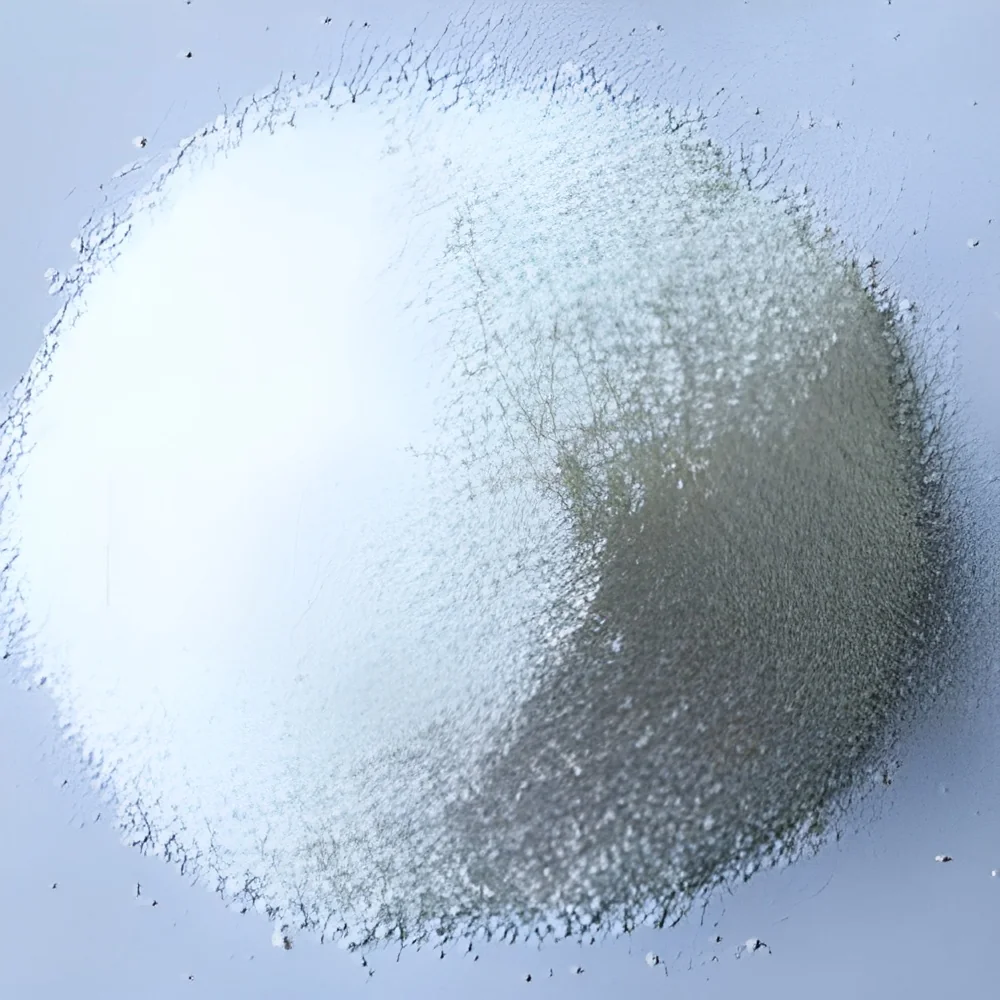
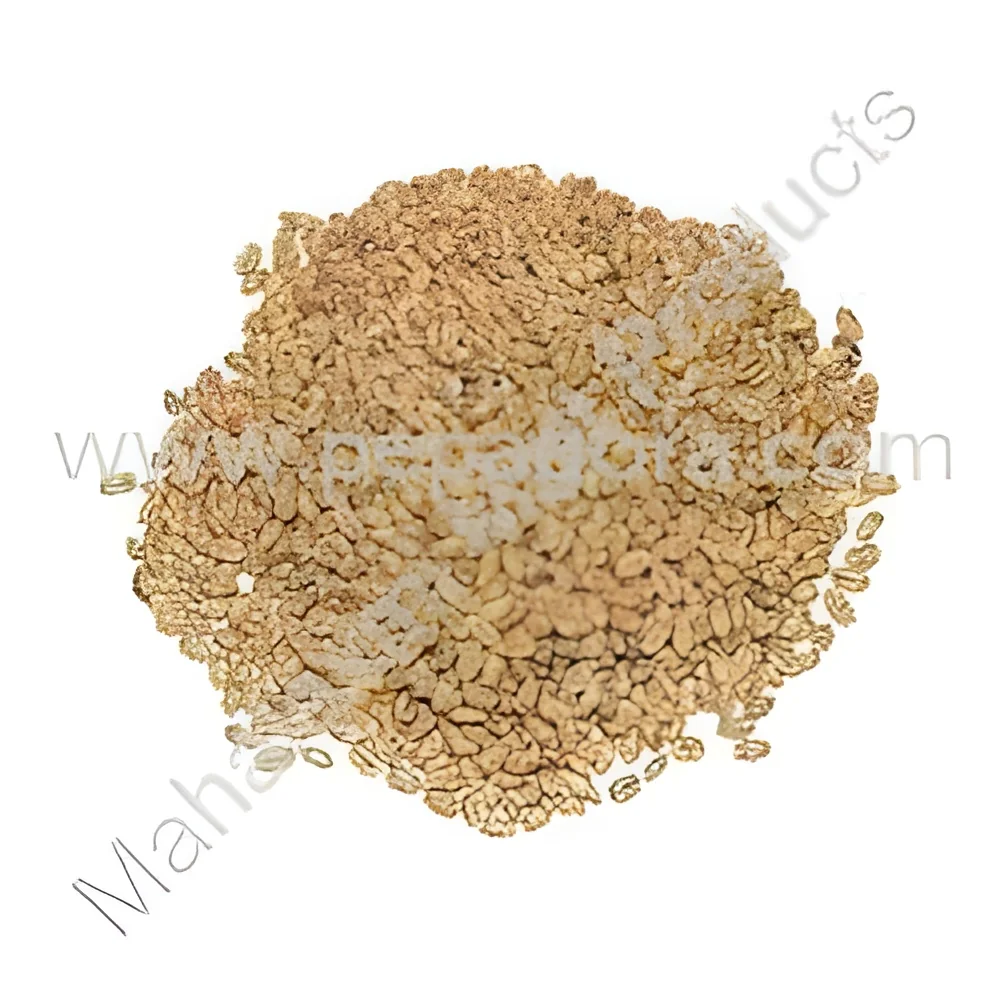
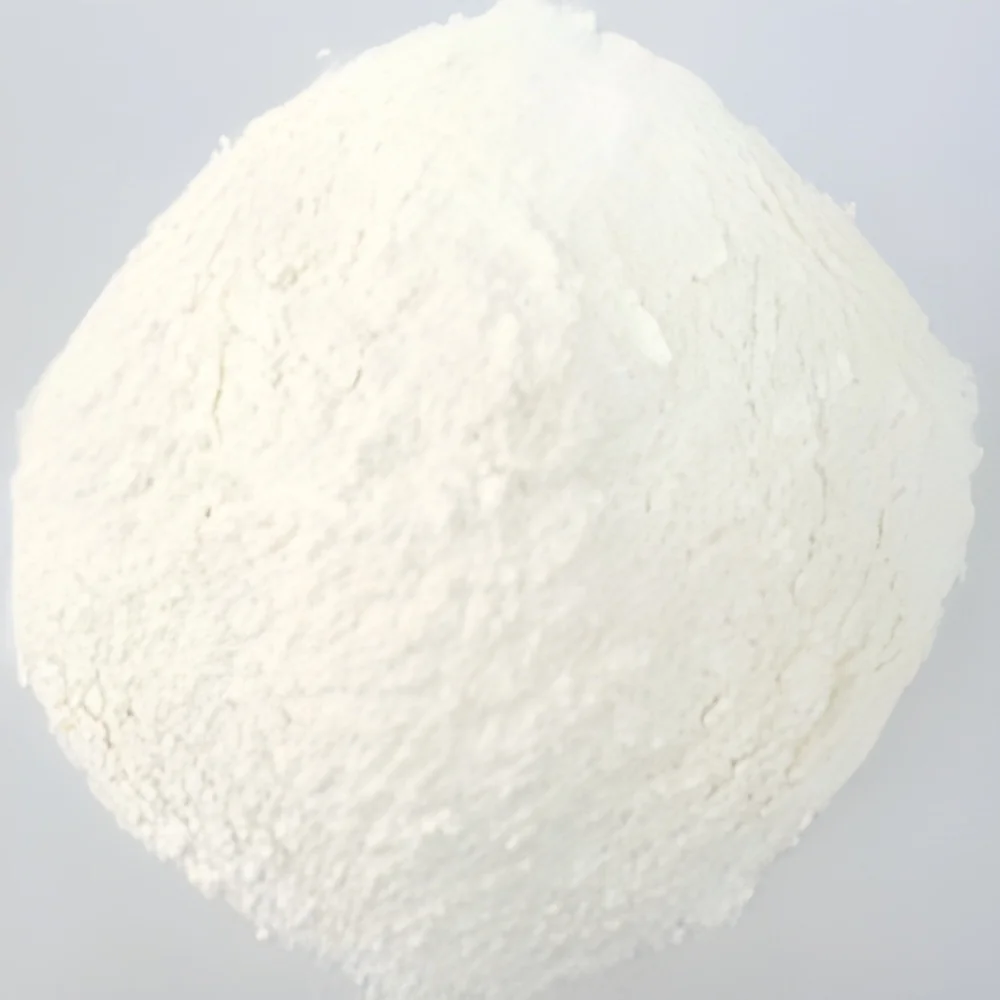
Maltodextrin is a white powder made from starches, commonly derived from corn, rice, or potato. It is produced through a process called hydrolysis, where starch is broken down into smaller glucose molecules. Maltodextrin is known for its mild sweetness and is often used as a thickening agent, filler, or preservative in various food products. It is easily digestible and can be absorbed quickly by the body, making it a popular ingredient in sports drinks and nutritional supplements.
In the business context, maltodextrin finds extensive applications across various sectors, including food and beverage, pharmaceuticals, and cosmetics. In the food industry, it acts as a stabilizer, bulking agent, and sweetener. Additionally, it is utilized in pharmaceuticals for its binding properties in tablet formulations. The market for maltodextrin continues to grow, driven by increasing consumer demand for processed foods and health supplements, where it offers functional benefits.
Key Features and Specifications
Maltodextrin boasts several key features that make it suitable for various applications in different industries. Below are some important specifications to consider when evaluating maltodextrin for your business needs.
Key specifications include:
1. Appearance
- White, free-flowing powder
- Consistent texture and granule size
2. Solubility
- Highly soluble in water
- Quick dissolution properties
3. Dew Point
- Controlled humidity levels for optimal storage
- Ensures product stability and shelf life
4. Moisture Content
- Typically ranges from 5% to 10%
- Crucial for preventing clumping and ensuring product efficacy
5. pH Level
- Generally neutral, around 4.5 to 7.0
- Important for maintaining product compatibility in formulations
6. Particle Size
- Varies from fine to coarse
- Influences the texture and mouthfeel in food applications
7. Shelf Life
- Typically ranges from 12 to 24 months
- Storage conditions can affect longevity
8. Nutritional Value
- Provides energy through carbohydrates
- Low in fat and protein content
In summary, understanding the key features and specifications of maltodextrin is essential for selecting the right product for specific applications, ensuring quality and performance.
Common Applications and Use Cases
Maltodextrin serves various industries and fulfills diverse roles in formulations and products.
1. Food and Beverage: Maltodextrin is widely used as a thickener, stabilizer, and sweetener in products like sauces, dressings, and energy drinks. Its ability to enhance texture and mouthfeel makes it a valuable ingredient.
2. Pharmaceuticals: In the pharmaceutical industry, maltodextrin is utilized as a binder in tablet formulations. It ensures uniformity in dosage and enhances the stability of active ingredients.
3. Cosmetics: Maltodextrin is employed in cosmetic formulations for its thickening properties. It helps improve the texture of creams and lotions, providing a smooth application.
4. Sports Nutrition: Maltodextrin is a common ingredient in sports drinks and energy gels. Its quick absorption helps replenish energy during and after physical activities.
5. Dairy Products: The dairy industry uses maltodextrin in products like yogurt and ice cream to enhance creaminess and improve mouthfeel.
6. Confectionery: In candies and snacks, maltodextrin acts as a bulking agent, providing volume without adding significant sweetness.
7. Pet Food: Maltodextrin is included in pet food formulations for its digestibility and energy content, catering to the nutritional needs of pets.
Product Variants and Subcategories
Maltodextrin is available in various forms to cater to specific needs and applications.
Regular Maltodextrin: This variant is commonly used in food and beverage applications. It is versatile and functions well as a thickener, bulking agent, and sweetener.
Modified Maltodextrin: This type has undergone additional processing to enhance its properties. It is often used in specialized formulations, including low-calorie products and dietary supplements.
High-Dextrose Maltodextrin: This variant has a higher dextrose equivalent, making it suitable for applications requiring quick energy release. It is popular in sports nutrition products.
Low-Degree Maltodextrin: This type is characterized by a lower degree of polymerization, making it less sweet and suitable for savory applications, such as sauces and soups.
Benefits and Advantages
Maltodextrin offers numerous benefits for businesses across various industries.
1. Versatility: Maltodextrin can be used in a wide range of applications, from food and beverages to pharmaceuticals, making it a valuable ingredient for formulators.
2. Quick Energy Source: Its rapid absorption provides an immediate energy boost, making it ideal for sports nutrition products and energy supplements.
3. Improved Texture: Maltodextrin enhances the mouthfeel and texture of products, contributing to a more enjoyable consumer experience.
4. Stability: Maltodextrin helps stabilize formulations, preventing separation and maintaining product quality over time.
5. Cost-Effectiveness: It serves as a bulking agent, allowing manufacturers to reduce costs while maintaining product volume and quality.
6. Low Allergen Potential: Maltodextrin is generally considered hypoallergenic, making it suitable for sensitive populations.
Buying Guide for B2B Buyers
When sourcing maltodextrin, several factors should be considered to ensure quality and suitability for your specific needs.
1. Quality Assessment: Evaluate the quality of maltodextrin by reviewing supplier certifications, lab test results, and compliance with industry standards. It is crucial to ensure that the product meets your specifications.
2. Supplier Verification: Vet potential suppliers by checking their reputation, experience in the industry, and customer reviews. Reliable suppliers should have a proven track record of delivering quality products.
3. Pricing and MOQ: Understand the pricing structure and minimum order quantities (MOQ) of maltodextrin. Compare offers from different suppliers to find the best value for your business.
4. Delivery and Lead Times: Assess the supplier's logistics capabilities, including delivery times and shipping options. Timely delivery is essential for maintaining production schedules.
5. Compliance Requirements: Ensure that the maltodextrin complies with relevant regulations and safety standards in your region. This may include certifications such as CE and adherence to quality management systems.
Compliance and Certifications
Maltodextrin must meet various compliance and certification standards to ensure product safety and quality. Relevant quality standards include ISO 9001, which emphasizes quality management systems and continuous improvement processes. The HACCP (Hazard Analysis and Critical Control Points) standard is also critical, particularly in the food industry, as it focuses on identifying and managing food safety risks.
Additionally, certification such as CE indicates that the product meets European safety and health regulations. Companies sourcing maltodextrin should also consider safety and testing requirements, ensuring that the product has undergone rigorous testing for contaminants and quality assurance.
Regional compliance considerations vary by market, so it is essential to understand local regulations that may impact the sourcing and use of maltodextrin in different regions.
Why Source Maltodextrin from Pepagora?
Pepagora provides a trusted platform for sourcing maltodextrin, offering several key advantages for businesses.
Verified Supplier Network: Pepagora connects buyers with a network of verified suppliers, ensuring that you can source high-quality maltodextrin. Each supplier undergoes a thorough vetting process, providing peace of mind for your procurement needs.
Streamlined RFQ Process: The Request for Quotation (RFQ) process on Pepagora is designed to be user-friendly, allowing buyers to easily submit their requirements and receive competitive quotes from multiple suppliers. This saves time and helps in making informed purchasing decisions.
Trade Assurance and Support: Pepagora offers trade assurance to protect buyers against potential issues, including product quality and delivery. The platform also provides dedicated support to address any concerns throughout the purchasing process.
Regional Coverage: With a strong presence in India, the Gulf Cooperation Council (GCC), and Southeast Asia, Pepagora ensures broad geographic coverage for sourcing maltodextrin. This makes it easier for businesses in these regions to access reliable suppliers and meet their product needs efficiently.

 IN
IN