What are Glucose Syrup?
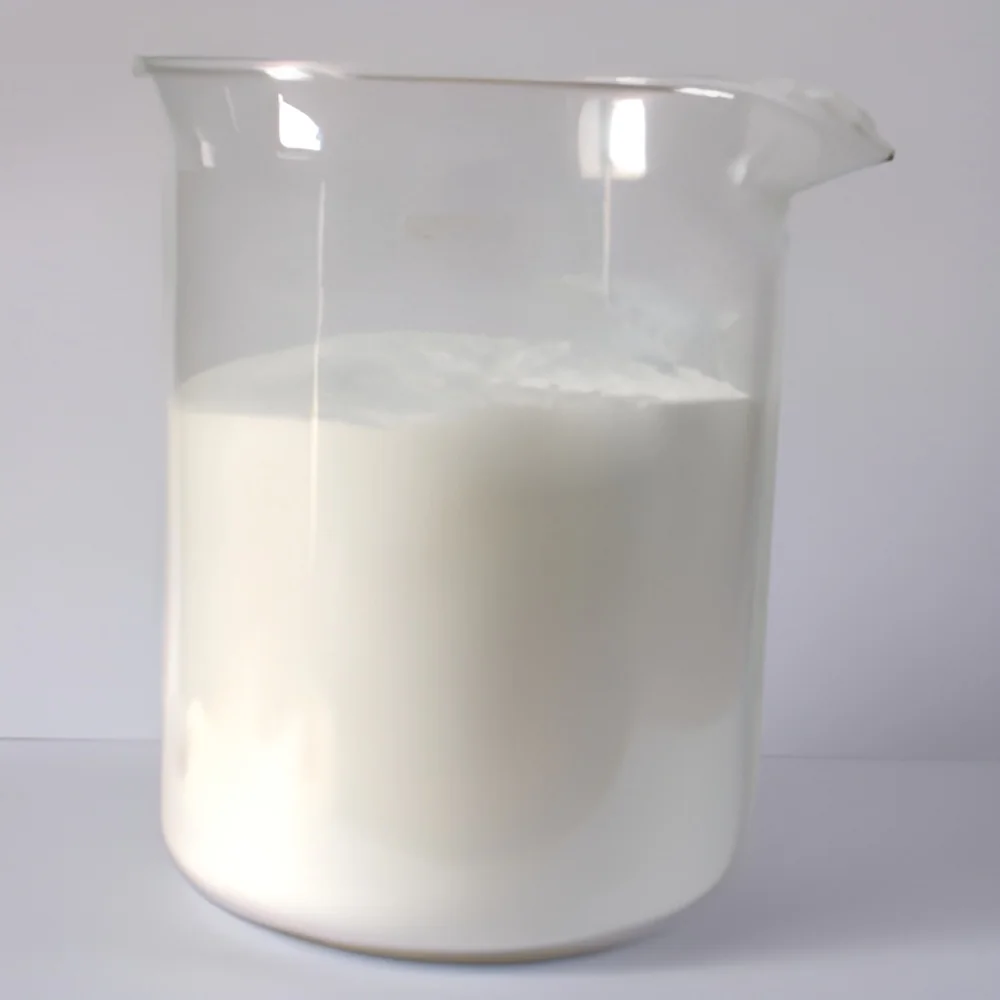
Glucose syrup is a thick, sweet liquid derived from the hydrolysis of starch. It primarily consists of glucose and is commonly produced from corn, wheat, or potatoes. The syrup is known for its high viscosity and ability to absorb moisture, making it a versatile ingredient in various food and industrial applications.
The primary uses of glucose syrup include its role as a sweetener, humectant, and thickening agent in food products. It is widely utilized in confectionery, bakery, and beverage industries due to its ability to enhance flavor and texture. In addition to food applications, glucose syrup is also used in pharmaceuticals and cosmetics, highlighting its diverse market relevance.
The demand for glucose syrup continues to grow in response to rising consumer preferences for sweeteners that provide functional benefits. As the food industry trends toward natural ingredients, glucose syrup stands out as a reliable option. The global market for glucose syrup is expanding, driven by its versatility and effectiveness across multiple sectors.
Key Features and Specifications
Glucose syrup is characterized by several key features that make it suitable for various applications. It is essential to understand its specifications to select the right type for specific needs.
Key specifications include:
1. Purity Level
- High purity levels, typically above 75%
- Ensures optimal sweetness and functionality in products
2. Viscosity
- Viscosity levels range from 100 to 2000 centipoise
- Affects the texture and mouthfeel of end products
3. Color
- Usually clear to light amber
- Color may vary depending on the source of starch used
4. pH Level
- Generally ranges from 4.0 to 5.0
- Important for maintaining stability and flavor in food products
5. Moisture Content
- Typically less than 20%
- Low moisture content helps prevent microbial growth
6. Shelf Life
- Can range from 1 to 2 years
- Proper storage conditions can extend shelf life
7. Solubility
- Highly soluble in water
- Excellent for use in syrups and beverages
8. Regulatory Compliance
- Must meet food safety regulations
- Compliance with standards such as CE certification
In summary, understanding these key features and specifications is crucial for businesses looking to incorporate glucose syrup effectively into their products.
Common Applications and Use Cases
Glucose syrup has a wide range of applications across multiple industries.
1. Food and Beverage: Used in candies, baked goods, and soft drinks to enhance sweetness and improve texture.
2. Pharmaceuticals: Serves as a sweetening agent in syrups and medicinal products, improving palatability for consumers.
3. Cosmetics: Acts as a humectant in skincare products, helping to retain moisture.
4. Confectionery: Essential in the production of gummies and marshmallows, contributing to their chewy texture.
5. Ice Cream: Functions as a stabilizer, preventing ice crystal formation and enhancing creaminess.
6. Baking: Utilized in bread and pastries to retain moisture and extend shelf life.
7. Distilleries: Employed as a fermentable sugar source in alcohol production.
Product Variants and Subcategories
Glucose syrup is available in various forms tailored to specific applications.
Liquid Glucose Syrup
This variant is a clear, viscous syrup commonly used in the food industry. Its high solubility and sweetness make it ideal for confectionery and beverages.
Dried Glucose Syrup
This variant is produced through the evaporation of moisture, resulting in a powder form. It is often used in baking and snack foods to provide sweetness without adding liquid.
High Fructose Glucose Syrup
This variant contains higher levels of fructose and is commonly used as a sweetener in soft drinks and processed foods. It is valued for its enhanced sweetness compared to traditional glucose syrup.
Benefits and Advantages
Glucose syrup offers numerous benefits that make it a preferred choice for many businesses.
1. Versatility: Suitable for a wide range of applications across various industries, enhancing its usability.
2. Cost-Effectiveness: Often more affordable than other sweeteners, providing economic benefits for manufacturers.
3. Enhanced Texture: Improves mouthfeel and consistency in food products, contributing to overall quality.
4. Stability: Provides stability in formulations, especially in high-temperature applications.
5. Moisture Retention: Acts as a humectant, helping to retain moisture in baked goods and confections.
6. Natural Sweetness: Offers a natural source of sweetness that aligns with consumer preferences for clean-label products.
Buying Guide for B2B Buyers
When sourcing glucose syrup, businesses should consider several important factors.
1. Quality Assessment: Ensure the product meets specific purity standards and quality tests. Look for certifications and lab results that verify the syrup's quality.
2. Supplier Verification: Vet suppliers thoroughly to ensure they have a reliable track record in providing high-quality glucose syrup. Check for industry certifications and customer reviews.
3. Pricing and MOQ: Evaluate pricing structures and minimum order quantities to ensure they align with your budget and production needs.
4. Delivery and Lead Times: Inquire about delivery schedules and lead times to prevent disruptions in your supply chain.
5. Compliance Requirements: Verify that the product complies with local and international regulations, including food safety and quality standards.
Compliance and Certifications
Glucose syrup must adhere to various quality standards and regulations to ensure safety and efficacy in its applications. Key standards include ISO 9001, which focuses on quality management systems, and HACCP, which emphasizes hazard analysis and critical control points for food safety.
Additionally, glucose syrup may require compliance with the Good Distribution Practice (GDP) to ensure proper handling and storage throughout the supply chain. Some products may also carry CE certification, indicating conformity with European health, safety, and environmental protection standards.
Safety and testing requirements are crucial for glucose syrup, as they help manufacturers ensure the product is safe for consumption. Regular testing for contaminants and adherence to safety protocols is vital to maintain product integrity. Moreover, businesses must consider regional compliance requirements, as regulations can vary significantly across different markets.
Why Source Glucose Syrup from Pepagora?
Pepagora stands out as a trusted platform for sourcing glucose syrup, offering several key advantages to buyers.
Verified Supplier Network: Pepagora connects businesses with a network of verified suppliers, ensuring that buyers can access high-quality glucose syrup from reputable sources. This verification process helps mitigate risks associated with sourcing.
Streamlined RFQ Process: The platform features a streamlined Request for Quotation (RFQ) system, allowing buyers to efficiently request and compare quotes from multiple suppliers. This simplifies the procurement process and enables informed decision-making.
Trade Assurance and Support: Pepagora provides trade assurance, offering buyers protection throughout their purchasing journey. This includes support for resolving any issues that may arise during transactions.
Regional Coverage: With a broad geographic reach spanning India, the GCC, and Southeast Asia, Pepagora enables businesses to source glucose syrup from diverse markets. This regional coverage ensures access to a variety of suppliers and pricing options, enhancing procurement flexibility.

 IN
IN