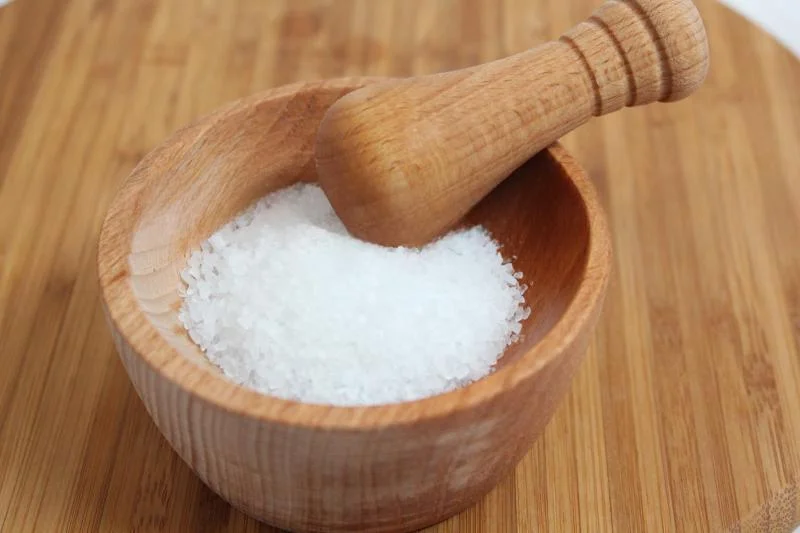
What are Salt Substitutes?
Salt substitutes are products designed to replace traditional sodium chloride, commonly known as table salt, in various culinary and industrial applications. These substitutes often contain potassium chloride or other mineral salts that mimic the flavor profile of salt while significantly reducing sodium content. They are particularly beneficial for individuals with health conditions that require a lower sodium intake, such as hypertension or heart disease.
In the business context, salt substitutes are used in food processing, culinary arts, and health food manufacturing. Companies in these sectors utilize salt substitutes to create products that cater to health-conscious consumers. The growing awareness of sodium's health risks has led to an increased demand for these alternatives, making them crucial in the food and beverage industry. As the market continues to evolve, the relevance of salt substitutes is expanding, with innovations focused on taste enhancement and health benefits.
Key Features and Specifications
Salt substitutes come with several key features that make them suitable for diverse applications. Understanding these specifications is critical for businesses looking to incorporate them into their products or offerings.
Key specifications include:
1. Composition
- Typically contains potassium chloride
- May include other mineral salts for flavor enhancement
2. Flavor Profile
- Designed to mimic the taste of traditional salt
- Various formulations to cater to different culinary needs
3. Sodium Content
- Significantly lower sodium levels compared to regular salt
- Supports health-conscious dietary requirements
4. Packaging Options
- Available in bulk for industrial use
- Retail packaging for consumer markets
5. Shelf Life
- Typically has a long shelf life when stored properly
- Ensures product longevity for manufacturers
6. Solubility
- High solubility in water and cooking applications
- Ideal for various cooking methods
7. Regulatory Compliance
- Must meet food safety standards
- Certification for health claims may be required
In summary, the specifications of salt substitutes are designed to meet the needs of both consumers and manufacturers, promoting healthier alternatives without compromising on taste.
Common Applications and Use Cases
Salt substitutes find applications across a variety of industries, each leveraging the benefits of reduced sodium content to meet consumer demand.
1. Food Processing: Salt substitutes are used in the production of snacks, canned goods, and frozen foods to enhance flavor while lowering sodium levels.
2. Culinary Arts: Chefs and restaurants use salt substitutes to create dishes that cater to health-conscious diners, providing flavorful options without the health risks associated with high sodium intake.
3. Health Food Manufacturing: Many health-focused food brands incorporate salt substitutes into their products to appeal to consumers looking for low-sodium alternatives.
4. Meal Preparation Services: Companies offering meal kits or prepared meals benefit from salt substitutes to create healthier meal options for customers.
5. Seasoning Blends: Salt substitutes are often blended with herbs and spices to create salt-free seasoning options for consumers seeking flavorful alternatives.
6. Bakery Products: In the baking industry, salt substitutes are used to maintain flavor while adhering to dietary regulations.
7. Dietary Supplements: Some nutritional supplements utilize salt substitutes to enhance palatability without increasing sodium content.
Product Variants and Subcategories
Salt substitutes are available in various forms to meet different consumer preferences and industry needs.
Potassium Chloride Based Substitutes
These substitutes primarily consist of potassium chloride and are designed to mimic the taste of salt closely. They are widely used in food processing and culinary applications due to their flavor profile.
Herb and Spice Blends
These blends combine salt substitutes with various herbs and spices, offering a flavor-rich alternative for seasoning. They are popular among health-conscious consumers looking for low-sodium options.
Flavored Salt Substitutes
Some manufacturers produce flavored variants that include additional spices or natural flavors, enhancing the overall taste experience while keeping sodium levels low.
Benefits and Advantages
Salt substitutes offer several advantages that make them an appealing choice for both consumers and businesses.
1. Health Benefits: Reducing sodium intake can lead to lower blood pressure and a decreased risk of heart disease.
2. Flavor Enhancement: Many salt substitutes are designed to closely replicate the taste of traditional salt, ensuring flavor is not compromised.
3. Versatility: Salt substitutes can be used in a variety of culinary applications, from cooking to seasoning.
4. Consumer Appeal: Offering low-sodium options can attract health-conscious consumers and expand market reach.
5. Compliance with Dietary Guidelines: Salt substitutes help businesses meet health regulations and dietary recommendations.
6. Innovation Opportunities: The growing market for salt substitutes allows companies to innovate with new flavors and formulations.
Buying Guide for B2B Buyers
When sourcing salt substitutes, several important factors should be considered to ensure quality and suitability for your specific needs.
1. Quality Assessment: Look for suppliers that provide detailed information about the quality of their salt substitutes, including ingredient sourcing and processing methods.
2. Supplier Verification: Vet potential suppliers to ensure they have a reliable reputation and adhere to industry standards. Reviews and certifications can provide valuable insights.
3. Pricing and MOQ: Understand the pricing structure and minimum order quantities (MOQs) to align with your budget and inventory needs.
4. Delivery and Lead Times: Consider the logistics involved, including delivery times and shipping methods, to maintain a smooth supply chain.
5. Compliance Requirements: Ensure the salt substitutes meet local and international food safety regulations, including necessary certifications.
Compliance and Certifications
Salt substitutes must adhere to various quality and safety standards to ensure they are suitable for consumer use. Common certifications include CE, which indicates compliance with European safety standards.
Quality standards such as ISO 9001 ensure that manufacturers maintain consistent quality management systems. Additionally, adherence to HACCP guidelines is critical for food safety, as it outlines processes to identify and control potential hazards in food production.
Safety testing is essential to confirm that salt substitutes do not pose health risks and are effective in their intended applications. Furthermore, businesses should stay informed about regional compliance considerations, as regulations may vary by location.
Why Source Salt Substitutes from Pepagora?
Pepagora is a trusted platform for sourcing salt substitutes, offering numerous advantages for B2B buyers.
Verified Supplier Network: Pepagora connects buyers with a network of verified suppliers, ensuring that quality and reliability are prioritized. This verification process helps businesses make informed sourcing decisions.
Streamlined RFQ Process: The platform provides a user-friendly Request for Quotation (RFQ) system, allowing buyers to easily request pricing and availability from multiple suppliers, saving time and effort.
Trade Assurance and Support: Pepagora offers trade assurance to protect buyers throughout the procurement process. This includes support for negotiations and resolving any issues that may arise.
Regional Coverage: With a focus on markets in India, the GCC, and Southeast Asia, Pepagora facilitates access to a broad range of suppliers, allowing businesses to find the best options for their specific requirements.
Leveraging Pepagora’s resources can streamline the sourcing process and enhance the overall purchasing experience for salt substitutes.

 IN
IN