Key Features and Specifications
Gelatin (Edible & Halal) is distinguished by several key features and specifications that make it suitable for various applications. Understanding these specifications is crucial for businesses looking to incorporate gelatin into their products.
Key specifications include:
1. Purity Level
- High purity levels are essential for food-grade applications.
- Typically ranges from 85% to 95% gelatin content.
2. Bloom Strength
- Indicates the gelling ability of gelatin.
- Commonly ranges from 150 to 300 grams.
3. Moisture Content
- Affects shelf life and stability.
- Usually kept below 15% for optimal performance.
4. pH Level
- Important for product formulation and stability.
- Generally maintained between 4.5 to 6.5.
5. Color
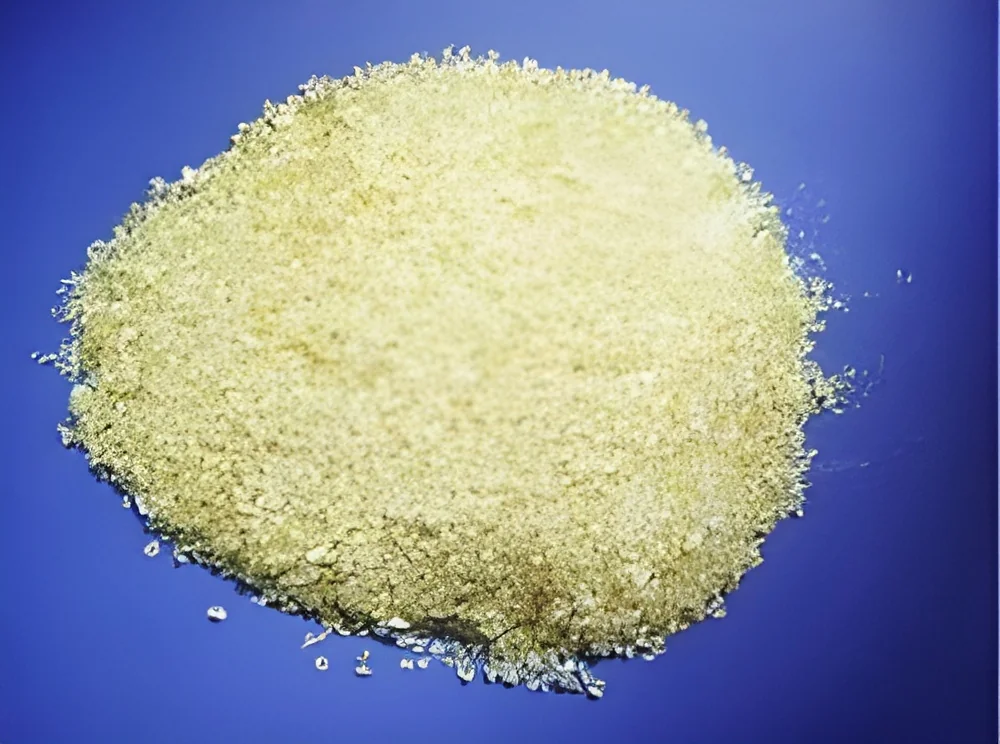
- Should be colorless or slightly yellow.
- Consistent color is a quality indicator.
6. Odor
- Must be neutral in odor.
- Any off-odor may indicate contamination.
7. Solubility
- Should dissolve easily in warm water.
- Ensures effective gelling when cooled.
8. Regulatory Compliance
- Must meet Halal certification standards.
- Compliance with food safety regulations is necessary.
These specifications help ensure that gelatin meets industry standards and consumer expectations for quality and safety.
Common Applications and Use Cases
Gelatin (Edible & Halal) is utilized across various industries, each with specific applications that highlight its versatility.
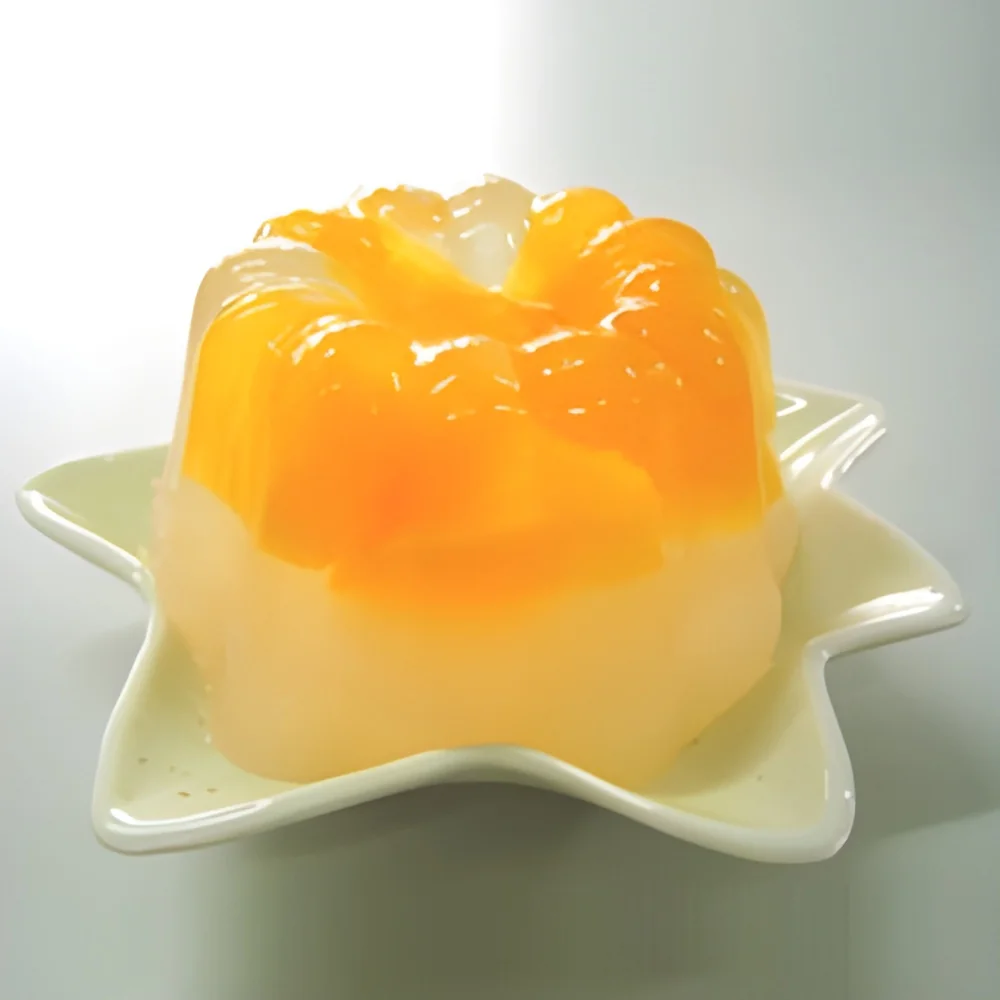
1. Food Industry: Gelatin is used in the production of desserts, gummy candies, and dairy products. It provides texture and stability, enhancing the sensory experience of food products.
2. Pharmaceutical Industry: Gelatin is an essential component in the production of soft and hard capsules. Its ability to form a stable structure makes it ideal for encapsulating medicines and supplements.
3. Cosmetic Industry: In cosmetics, gelatin is employed as a thickener and stabilizer in creams and lotions. It helps improve product consistency and enhances the user experience.
4. Nutraceuticals: Gelatin is often included in dietary supplements, providing both a source of protein and a means to deliver nutrients effectively.
5. Confectionery: Gelatin is a key ingredient in marshmallows and jelly-based candies. Its gelling properties contribute to the desired texture and mouthfeel.
6. Meat Industry: Halal gelatin is used in processed meat products as a binder. It helps maintain moisture and improves texture in sausages and deli meats.
7. Beverage Industry: Gelatin is sometimes used in beverage clarification processes, ensuring a clear and appealing product.
Product Variants and Subcategories
Gelatin (Edible & Halal) comes in various forms to meet different application needs. The diversity of gelatin products allows businesses to choose the right variant for their specific requirements.
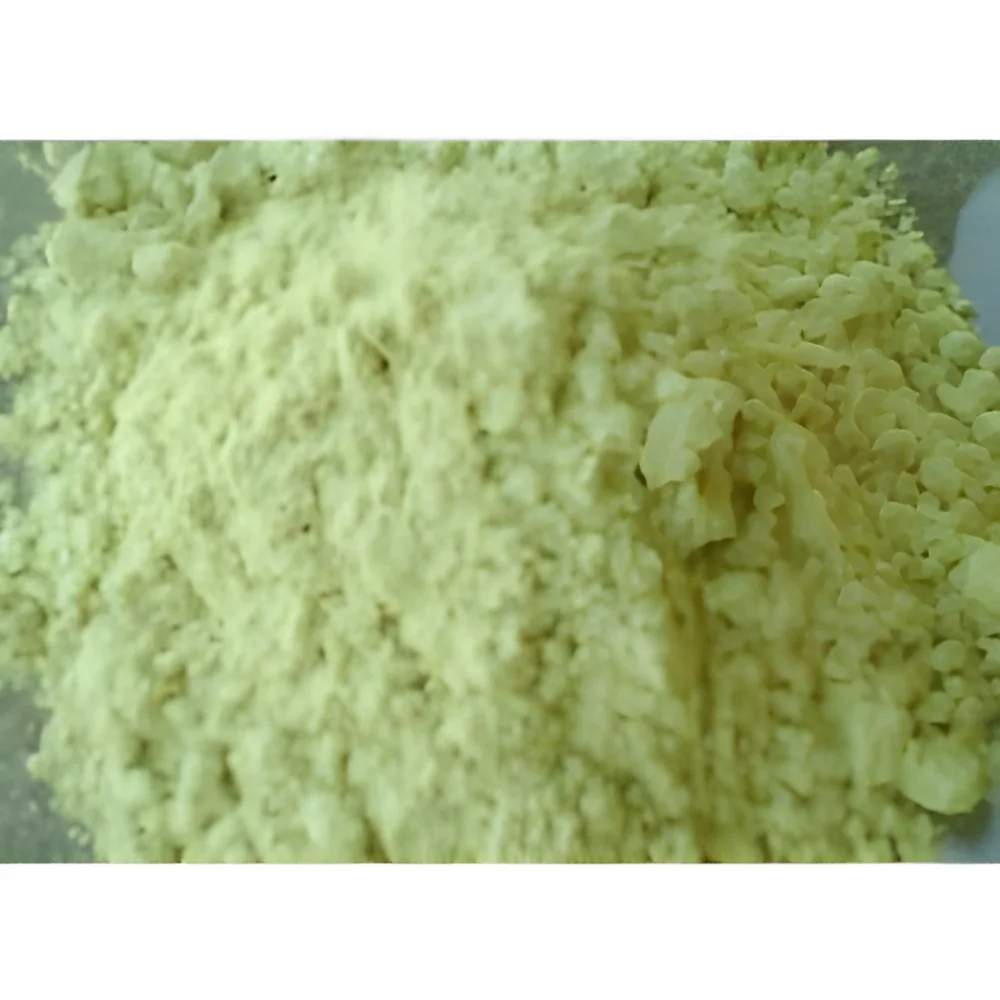
Powdered Gelatin
Powdered gelatin is a versatile option that easily dissolves in warm liquids. It is commonly used for making desserts, jellies, and other culinary applications. Its convenience and long shelf life make it a popular choice among food manufacturers.
Sheet Gelatin
Sheet gelatin provides a precise gelling strength and is favored by chefs for its ease of use. It is often used in high-end culinary applications where texture and clarity are paramount, such as in gourmet desserts and sauces.
Granulated Gelatin
Granulated gelatin is similar to powdered gelatin but offers a coarser texture. It is often used in baking and confectionery, where it can be incorporated into various mixtures without clumping.
Benefits and Advantages
Sourcing Gelatin (Edible & Halal) offers numerous benefits, making it an attractive option for B2B buyers.
Key benefits include:
1. Versatility: Gelatin can be used in a wide range of applications across multiple industries, providing flexibility for product formulations.
2. Compliance: Halal-certified gelatin ensures compliance with dietary requirements for Muslim consumers, expanding market opportunities.
3. Quality Assurance: High-quality gelatin meets stringent industry standards, ensuring safety and reliability in end products.
4. Texture Improvement: Gelatin enhances the texture and mouthfeel of food products, contributing to overall consumer satisfaction.
5. Nutritional Value: Gelatin is a source of protein, making it a beneficial ingredient in dietary supplements and food products.
6. Stability: Gelatin improves the stability of products, ensuring they maintain their desired characteristics over time.
Buying Guide for B2B Buyers
When sourcing Gelatin (Edible & Halal), it is important for B2B buyers to consider several key factors to ensure they make informed purchasing decisions.
1. Quality Assessment: Evaluate the quality of gelatin by reviewing manufacturer specifications and certifications. Look for products that meet relevant food safety standards.
2. Supplier Verification: Vet potential suppliers by checking their reputation, certifications, and customer reviews. A reliable supplier should have a proven track record in delivering high-quality products.
3. Pricing and MOQ: Understand pricing structures and minimum order quantities (MOQ) from suppliers. This helps in budgeting and ensuring that orders align with business needs.
4. Delivery and Lead Times: Confirm delivery schedules and lead times before placing orders. Timely delivery is essential for maintaining production schedules.
5. Compliance Requirements: Ensure that the gelatin meets all regulatory and Halal certification requirements relevant to your market. This is crucial for maintaining product integrity and consumer trust.
Compliance and Certifications
Gelatin (Edible & Halal) must adhere to various compliance and certification standards to ensure safety and quality. These standards include ISO 9001, which focuses on quality management systems, and HACCP, which outlines food safety management protocols. Compliance with Good Distribution Practice (GDP) ensures the product is handled and stored properly throughout the supply chain.
Additionally, certifications like CE confirm that the product meets European health, safety, and environmental protection standards.
Safety testing is crucial in verifying that gelatin is free from contaminants and harmful substances. This includes microbiological testing and chemical analysis to ensure product purity.
Regional compliance considerations may vary, and it is essential for suppliers to be aware of local regulations to ensure that their gelatin products meet all necessary legal requirements.
Why Source Gelatin (Edible & Halal) from Pepagora?
Pepagora offers a trusted platform for sourcing Gelatin (Edible & Halal), providing various advantages for B2B buyers.
Verified Supplier Network: Pepagora connects buyers with a network of verified suppliers. Each supplier undergoes a thorough vetting process to ensure they meet quality and compliance standards.
Streamlined RFQ Process: The Request for Quotation (RFQ) system simplifies the sourcing process. Buyers can easily request quotes from multiple suppliers, allowing for quick comparisons and informed decision-making.
Trade Assurance and Support: Buyers benefit from trade assurance features that protect their transactions. Pepagora provides support throughout the purchasing process, ensuring buyers feel secure in their investments.
Regional Coverage: With a broad geographic reach, Pepagora caters to markets in India, the GCC, and Southeast Asia. This regional coverage ensures that buyers can find quality gelatin products tailored to their specific needs.

 IN
IN