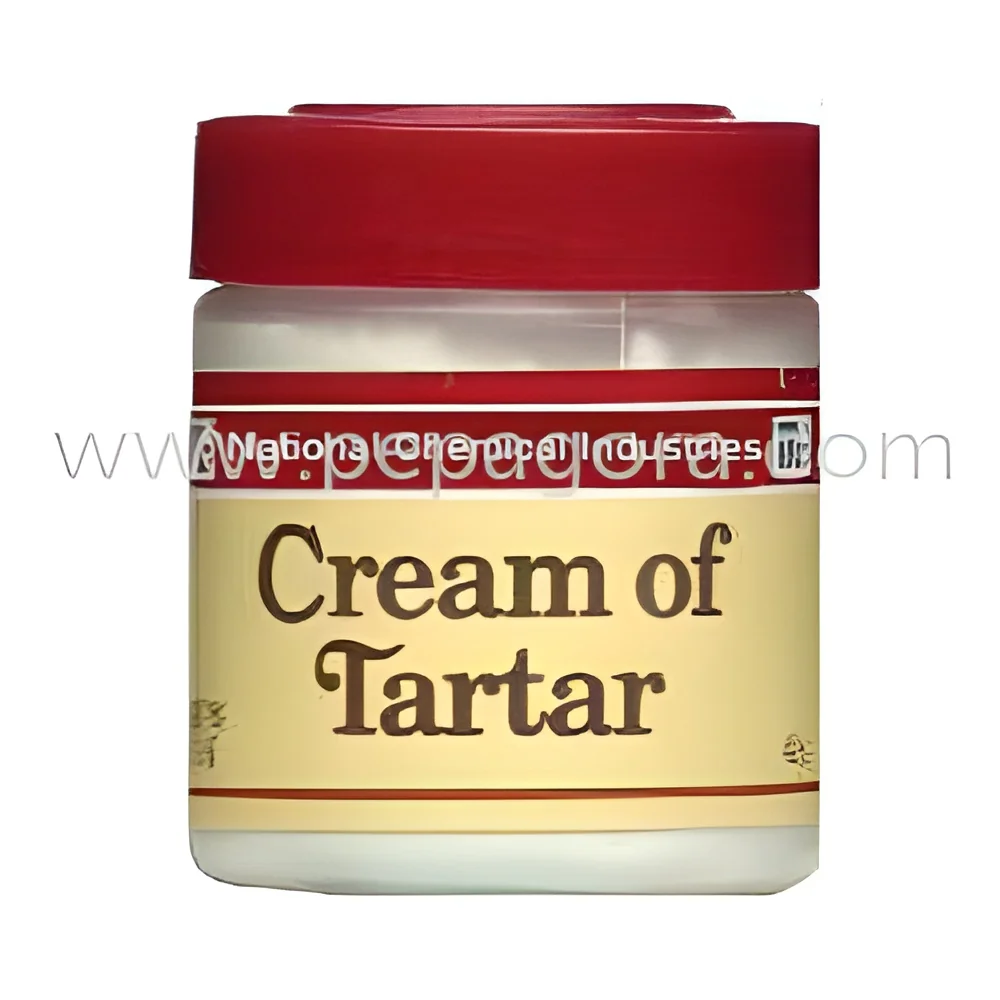
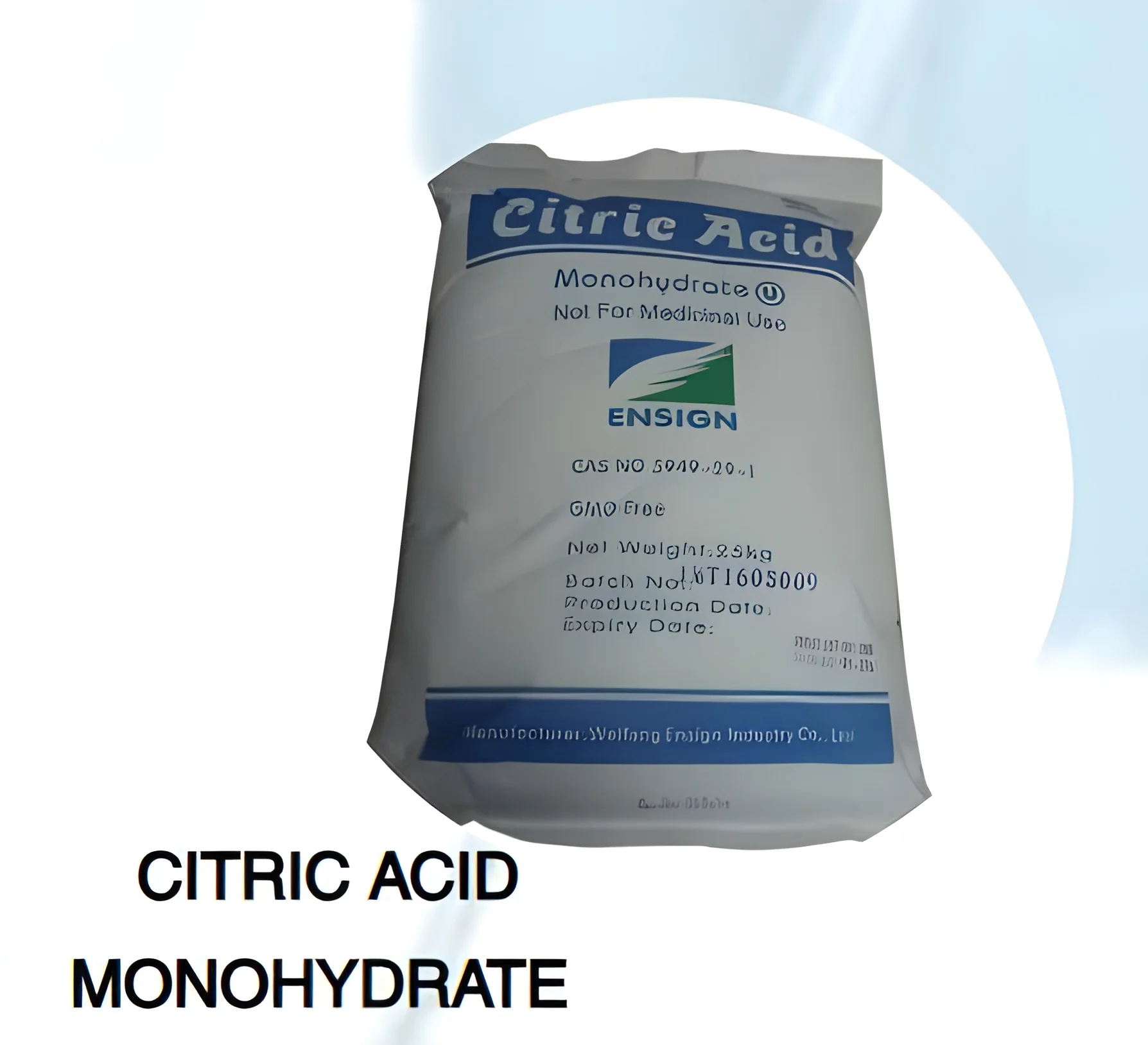
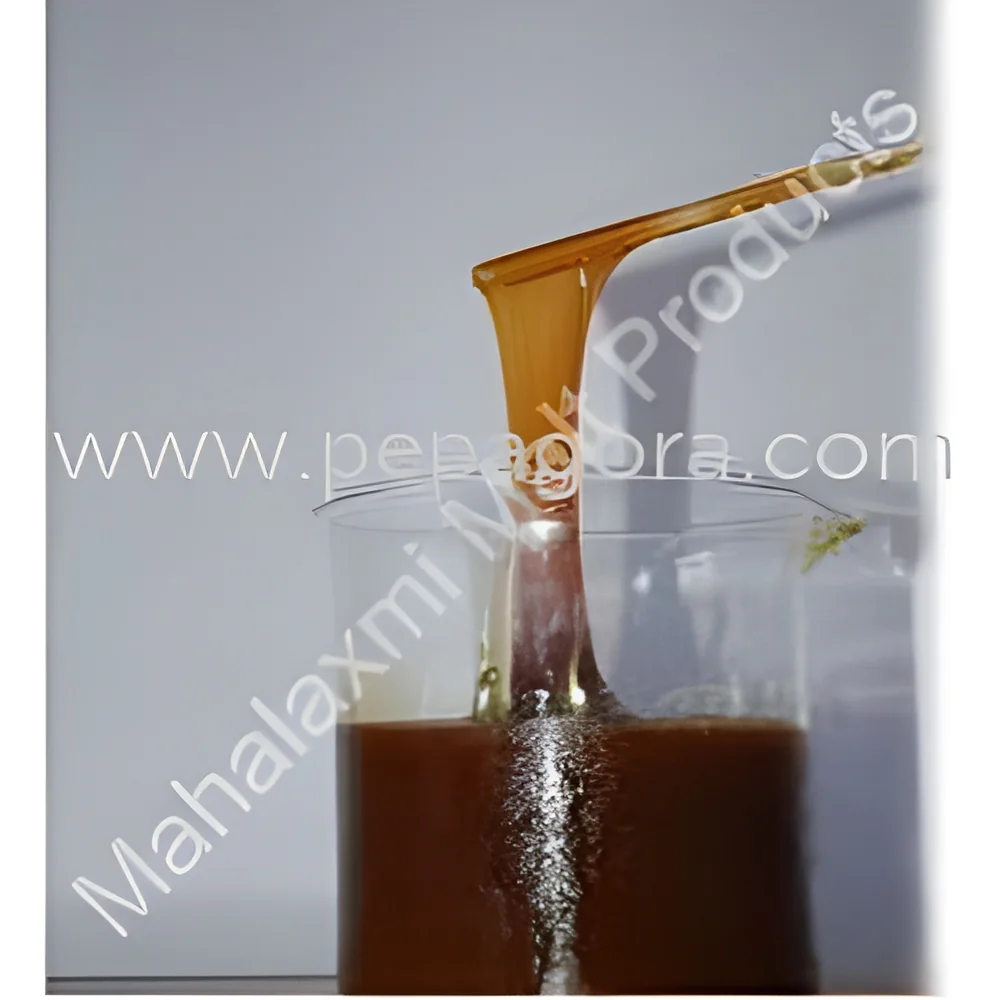
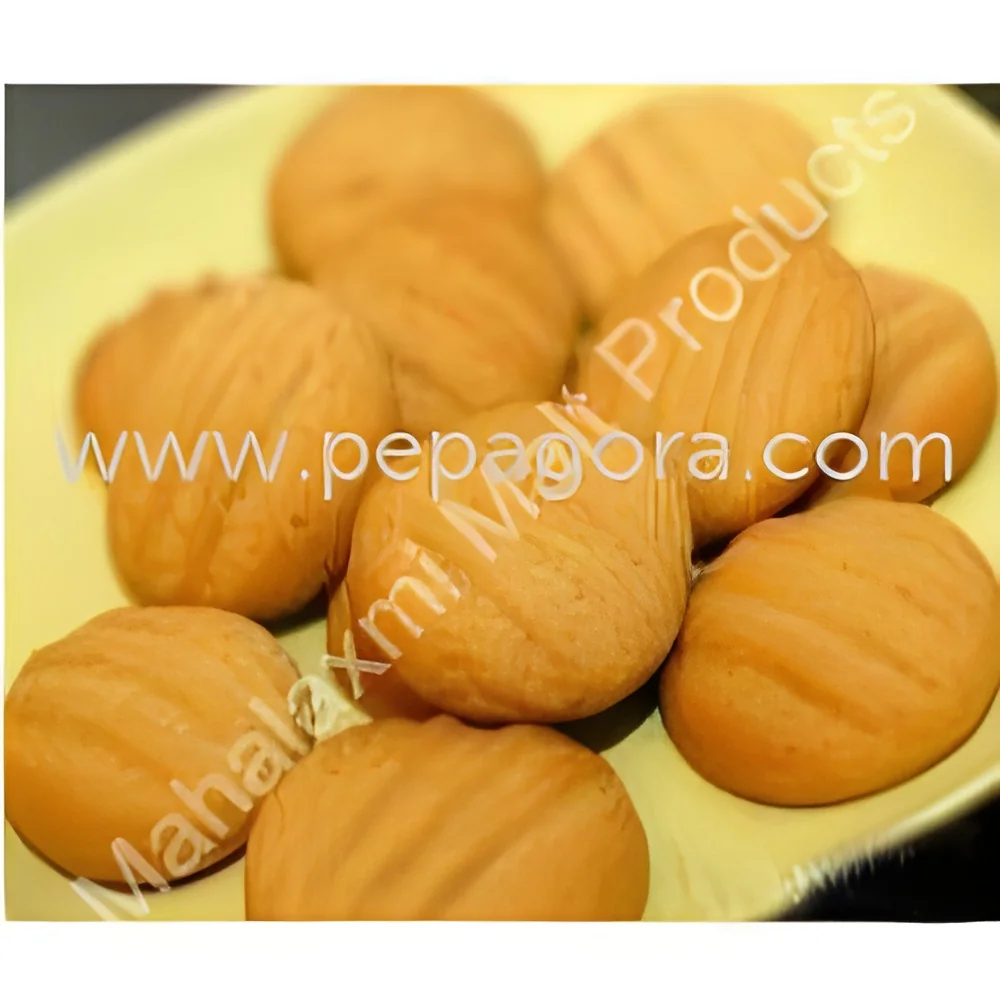
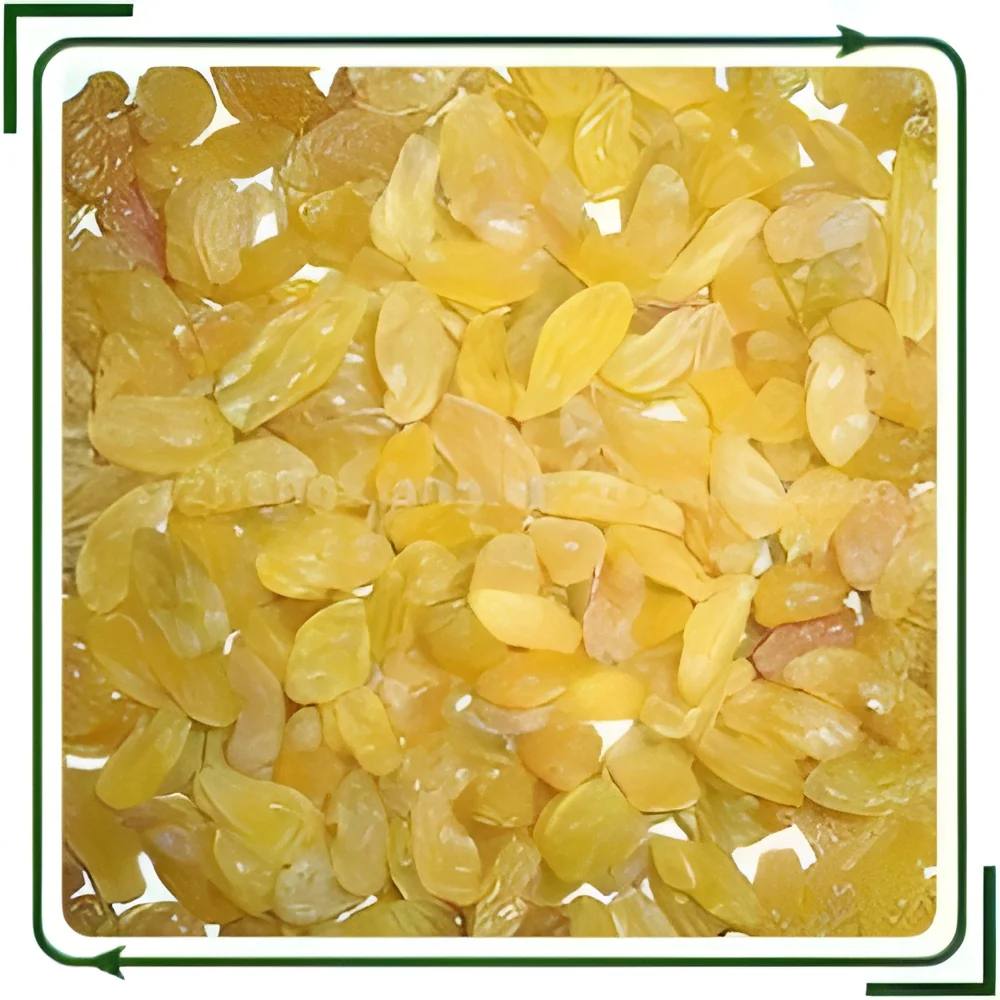
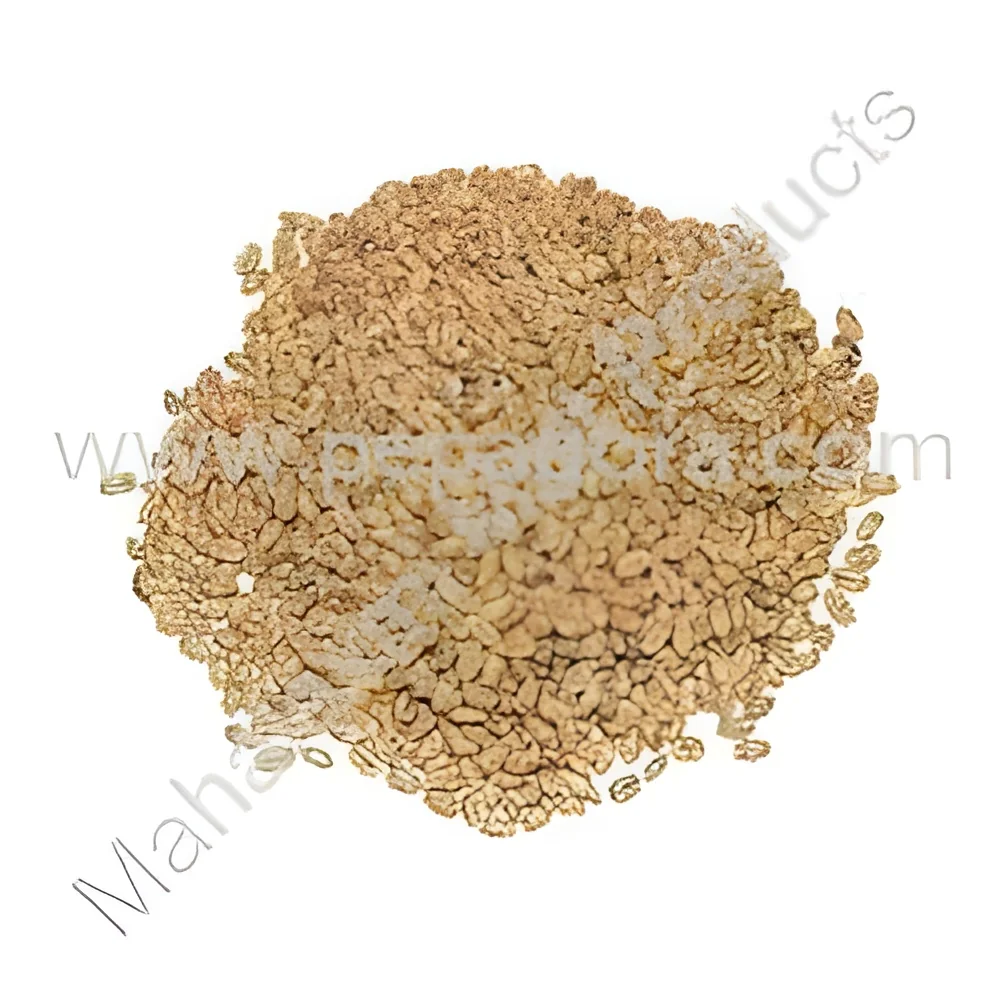
𝗪𝗵𝗮𝘁 𝗮𝗿𝗲 𝗙𝗼𝗼𝗱 𝗔𝗱𝗱𝗶𝘁𝗶𝘃𝗲𝘀 & 𝗜𝗻𝗴𝗿𝗲𝗱𝗶𝗲𝗻𝘁𝘀?
Food additives and ingredients are substances added to food products to enhance their flavor, appearance, texture, and nutritional value. They can be derived from natural sources or synthesized chemically. These substances play crucial roles in food preservation, ensuring safety and extending the shelf life of various food products.
In business applications, food additives and ingredients are essential for manufacturers in the food and beverage industry. They are used to improve product consistency, enhance taste, and meet consumer demands for specific dietary needs. The relevance of this sector is growing as more companies focus on clean-label products, driving innovation in the formulation and use of food additives and ingredients.
The global market for food additives and ingredients is expanding rapidly, influenced by trends in health and wellness, convenience, and sustainability. As consumer preferences shift towards more natural and organic options, the demand for high-quality food additives continues to rise, creating opportunities for suppliers and manufacturers in this space.
𝗞𝗲𝘆 𝗙𝗲𝗮𝘁𝘂𝗿𝗲𝘀 𝗮𝗻𝗱 𝗦𝗽𝗲𝗰𝗶𝗳𝗶𝗰𝗮𝘁𝗶𝗼𝗻𝘀
Food additives and ingredients exhibit various features that cater to the needs of manufacturers. Understanding these specifications is critical for making informed decisions in sourcing and application.
Key specifications include:
1. Functional Properties
- These determine how the additive interacts with food products, affecting taste, texture, and preservation.
- Common parameters include emulsification, gelling, and stabilizing properties.
2. Regulatory Compliance
- Food additives must meet specific regulations set by food safety authorities.
- Compliance with standards like CE certification ensures product safety and quality.
3. Shelf Life
- This indicates how long the additive remains effective in preserving food.
- Typical shelf life ranges can vary based on the type of additive.
4. Solubility
- This refers to how well the additive dissolves in food matrices.
- Parameters are often categorized into water-soluble and fat-soluble additives.
5. Sensory Impact
- This includes the additive's effect on flavor, aroma, and color.
- Specifications may detail usage levels to achieve desired sensory outcomes.
6. Nutritional Profile
- Some additives also provide nutritional benefits, such as vitamins and minerals.
- They may be categorized based on their contribution to dietary needs.
7. Origin
- Additives can be synthetic or natural, influencing consumer choice.
- Natural additives are increasingly preferred in clean-label trends.
8. Applications
- Different additives serve specific functions in various industries.
- Specifications often highlight targeted applications in food products.
In summary, understanding the key features and specifications of food additives and ingredients is essential for manufacturers looking to optimize product formulations and ensure compliance with industry standards.
𝗖𝗼𝗺𝗺𝗼𝗻 𝗔𝗽𝗽𝗹𝗶𝗰𝗮𝘁𝗶𝗼𝗻𝘀 𝗮𝗻𝗱 𝗨𝘀𝗲 𝗖𝗮𝘀𝗲𝘀
Food additives and ingredients find applications across multiple industries, enhancing product quality and consumer appeal.
1. Food and Beverage Industry: Additives are widely used to improve flavor, texture, and shelf life in processed foods, dairy products, and beverages.
2. Bakery Sector: Ingredients like emulsifiers and stabilizers help achieve desired textures and prolong freshness in baked goods.
3. Confectionery Manufacturing: Sweeteners and color additives enhance the visual appeal and taste of candies and chocolates.
4. Dairy Products: Ingredients such as stabilizers and thickeners are essential for maintaining consistency and quality in yogurt and cheese.
5. Meat Processing: Preservatives and flavor enhancers are used to improve the taste and extend the shelf life of meat products.
6. Sauces and Dressings: Emulsifiers and flavoring agents are critical in achieving the right consistency and flavor in sauces, dressings, and marinades.
7. Nutraceuticals: Certain additives are incorporated into health supplements to enhance nutritional value and efficacy.
8. Frozen Foods: Additives help maintain texture and prevent ice crystal formation in frozen products.
𝗣𝗿𝗼𝗱𝘂𝗰𝘁 𝗩𝗮𝗿𝗶𝗮𝗻𝘁𝘀 𝗮𝗻𝗱 𝗦𝘂𝗯𝗰𝗮𝘁𝗲𝗴𝗼𝗿𝗶𝗲𝘀
The market for food additives and ingredients is diverse, offering a range of variants to meet specific industry needs.
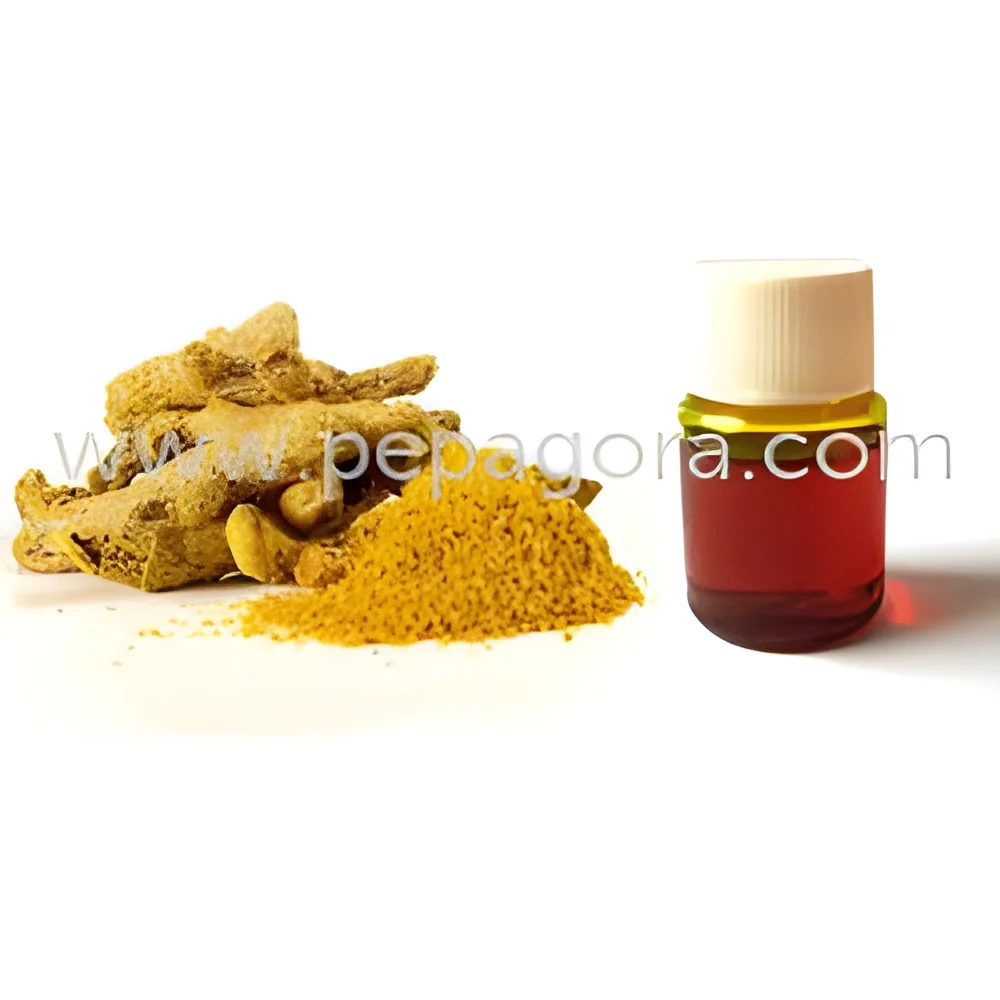
Natural Colorants: These are derived from plants, fruits, and vegetables. They are used to enhance the visual appeal of products without synthetic chemicals.
Preservatives: These substances help inhibit microbial growth and spoilage. They are essential in extending shelf life for various food products.
Flavor Enhancers: Added to improve or modify the taste of food, these ingredients contribute significantly to consumer satisfaction.
Thickeners: Used to increase the viscosity of food products, thickeners are vital in sauces, soups, and dressings.
Emulsifiers: These agents help blend ingredients that typically do not mix well, such as oil and water, ensuring product stability.
𝗕𝗲𝗻𝗲𝗳𝗶𝘁𝘀 𝗮𝗻𝗱 𝗔𝗱𝘃𝗮𝗻𝘁𝗮𝗴𝗲𝘀
Sourcing high-quality food additives and ingredients offers numerous advantages for businesses in the food sector.
Key benefits include:
1. Quality Improvement: High-quality additives enhance the overall quality and safety of food products.
2. Extended Shelf Life: Preservatives help maintain freshness, reducing food waste and increasing profitability.
3. Enhanced Flavor: Flavor enhancers significantly improve the taste profile, catering to consumer preferences.
4. Consistency: Additives ensure uniformity in product texture and taste, crucial for brand reputation.
5. Regulatory Compliance: Sourcing compliant ingredients helps manufacturers meet legal requirements, avoiding potential liabilities.
6. Consumer Appeal: The right additives can enhance the visual and sensory attributes of food, attracting more consumers.
𝗕𝘂𝘆𝗶𝗻𝗴 𝗚𝘂𝗶𝗱𝗲 𝗳𝗼𝗿 𝗕𝟮𝗕 𝗕𝘂𝘆𝗲𝗿𝘀
When sourcing food additives and ingredients, buyers should consider several important factors to ensure they make informed decisions.
1. Quality Assessment: Evaluate the quality of additives through certifications and supplier practices. Look for compliance with food safety standards.
2. Supplier Verification: Vet suppliers by checking their credentials, reputation, and experience in the industry. A reliable supplier can ensure consistent quality.
3. Pricing and MOQ: Understand the pricing structure and minimum order quantities. This will help in budgeting and inventory management.
4. Delivery and Lead Times: Consider logistics and supply chain efficiency. Reliable delivery schedules are essential for maintaining production timelines.
5. Compliance Requirements: Ensure that the additives meet regional and international regulatory standards to avoid compliance issues.
𝗖𝗼𝗺𝗽𝗹𝗶𝗮𝗻𝗰𝗲 𝗮𝗻𝗱 𝗖𝗲𝗿𝘁𝗶𝗳𝗶𝗰𝗮𝘁𝗶𝗼𝗻𝘀
Compliance and certifications are critical in the food additives and ingredients industry. Adhering to quality standards such as ISO 9001 ensures that products meet international quality management criteria. This certification demonstrates a commitment to continuous improvement and customer satisfaction.
HACCP (Hazard Analysis Critical Control Point) is another essential standard, focusing on food safety management. By implementing HACCP principles, suppliers can identify potential hazards and control them effectively throughout the food production process.
Additionally, industry certifications such as CE indicate that products comply with European safety standards. Manufacturers must also consider safety and testing requirements, ensuring that all ingredients undergo rigorous testing for quality and safety.
Regional compliance is also vital, as different regions may have varying regulations regarding food additives. Understanding these regulations ensures that businesses remain compliant in their target markets.
𝗪𝗵𝘆 𝗦𝗼𝘂𝗿𝗰𝗲 𝗙𝗼𝗼𝗱 𝗔𝗱𝗱𝗶𝘁𝗶𝘃𝗲𝘀 & 𝗜𝗻𝗴𝗿𝗲𝗱𝗶𝗲𝗻𝘁𝘀 𝗳𝗿𝗼𝗺 𝗣𝗲𝗽𝗮𝗴𝗼𝗿𝗮?
Pepagora provides a trusted platform for sourcing food additives and ingredients, offering several key advantages for B2B buyers.
Verified Supplier Network: Pepagora has established a network of vetted suppliers, ensuring that businesses can source high-quality ingredients from reliable partners. This verification process helps mitigate risks associated with supplier reliability.
Streamlined RFQ Process: The platform simplifies the request for quotation (RFQ) process, allowing buyers to easily compare offers from multiple suppliers. This efficiency helps in making faster and more informed purchasing decisions.
Trade Assurance and Support: Buyers benefit from trade assurance measures, providing protection against potential disputes. Pepagora’s support team is available to assist buyers throughout the sourcing process.
Regional Coverage: Pepagora serves a broad geographic area, including India, the Gulf Cooperation Council (GCC) countries, and Southeast Asia. This extensive reach allows businesses to access a diverse range of suppliers and products, catering to local market needs.
In conclusion, sourcing food additives and ingredients through Pepagora offers businesses a reliable, efficient, and comprehensive solution to meet their production needs.

 IN
IN