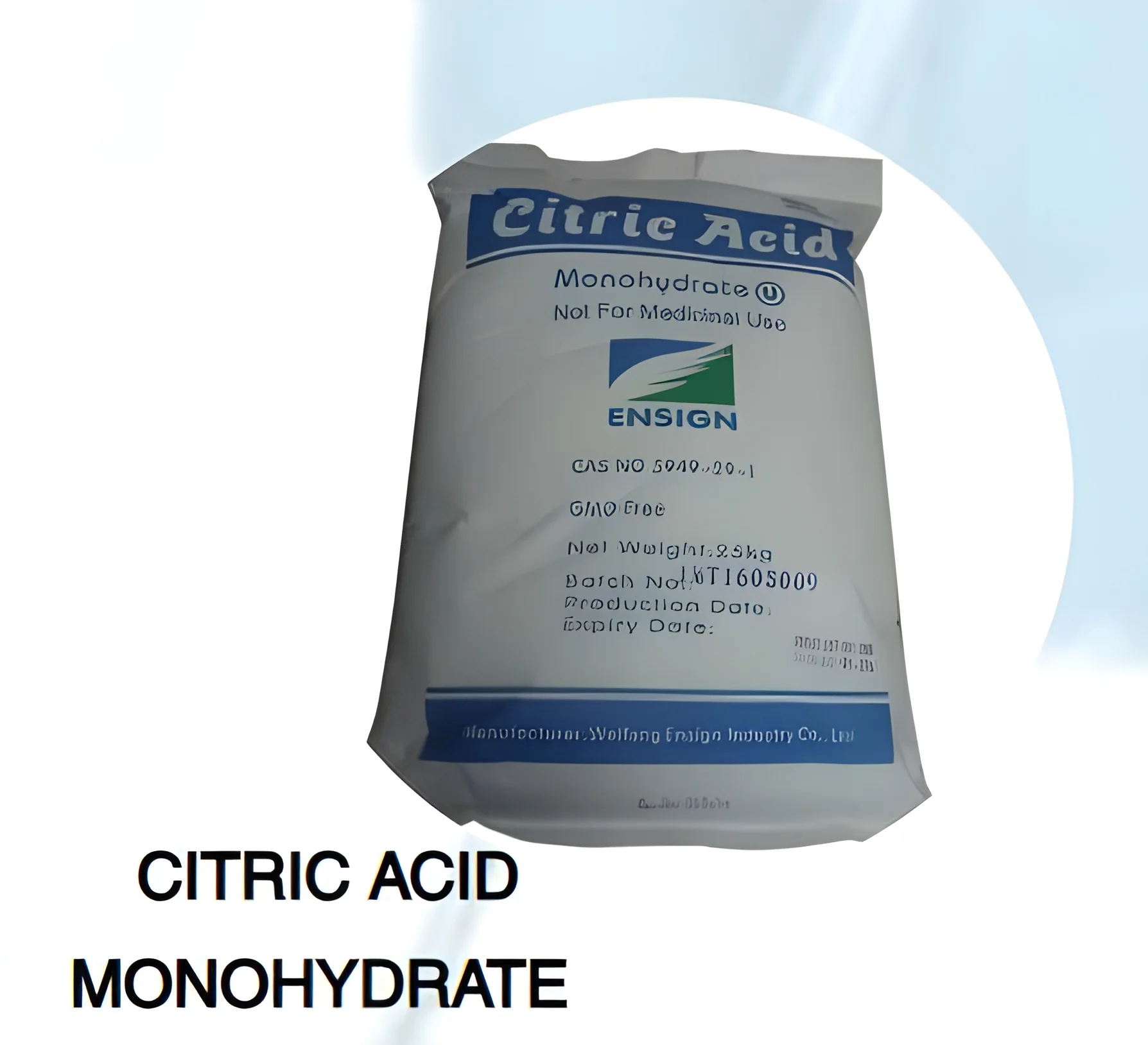
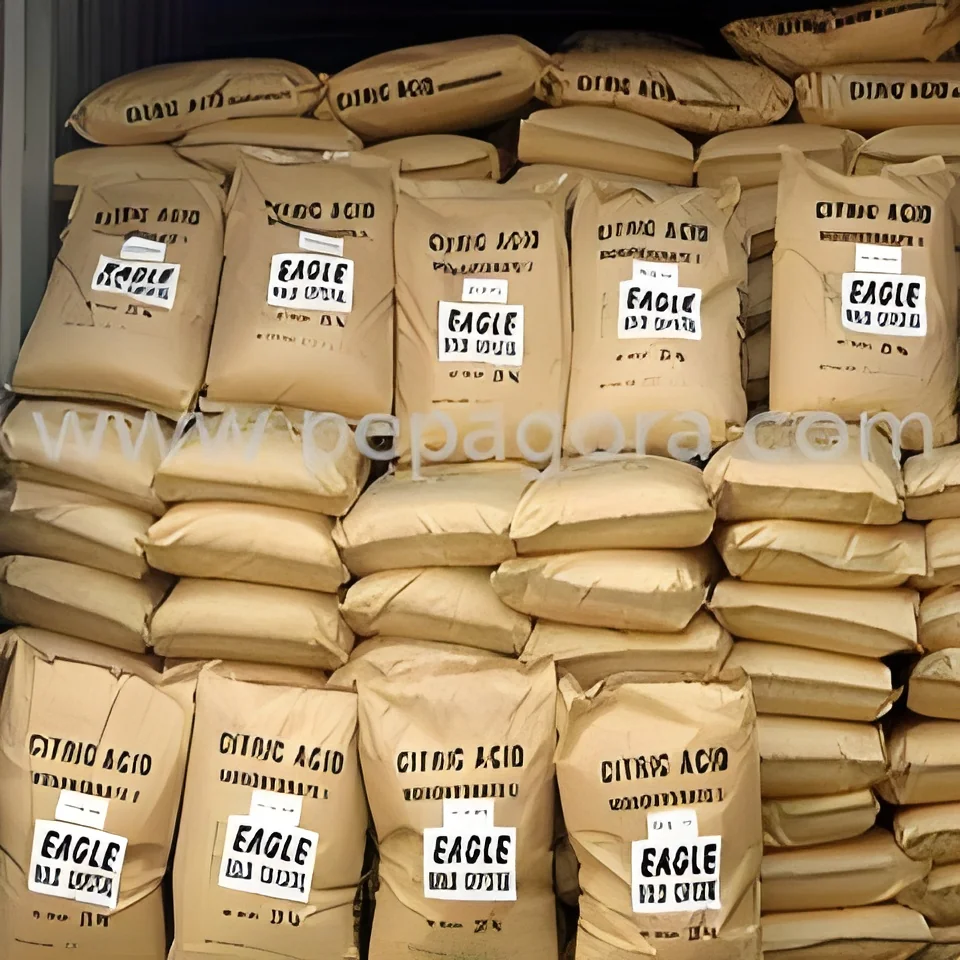
๐ช๐ต๐ฎ๐ ๐ฎ๐ฟ๐ฒ ๐๐ถ๐๐ฟ๐ถ๐ฐ ๐๐ฐ๐ถ๐ฑ?
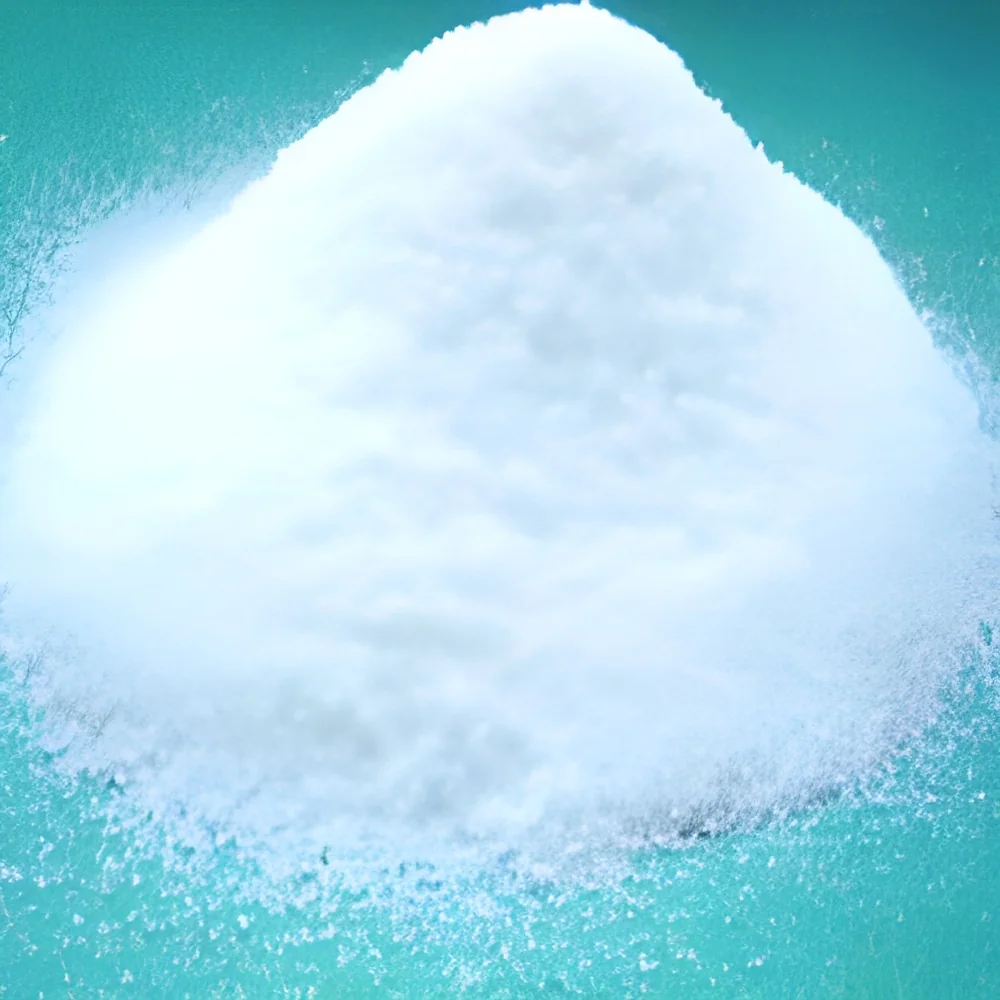
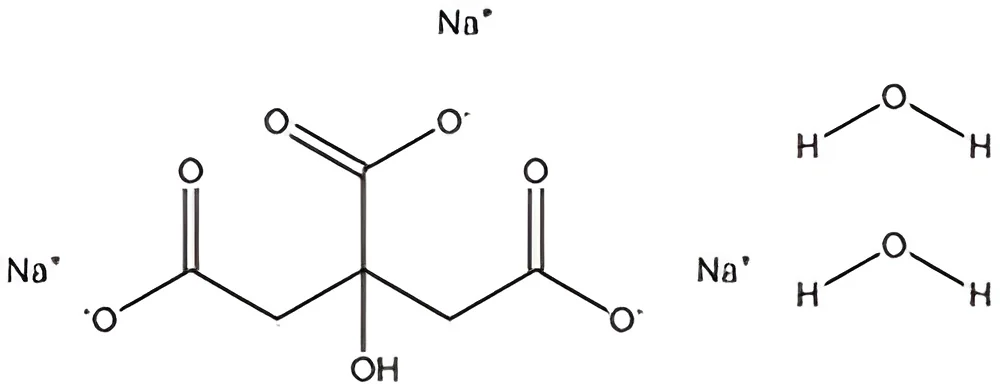
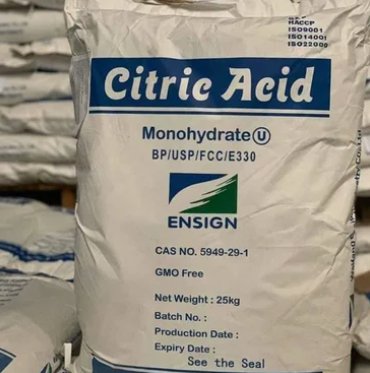
Citric acid is a weak organic acid that is naturally found in citrus fruits. It is a colorless, odorless crystalline substance that has a sour taste. Citric acid plays a vital role in various biochemical processes and is widely used as an acidulant in food and beverages. It is produced commercially through fermentation processes, primarily using sugar sources.
In business applications, citric acid is primarily utilized in the food and beverage industry as a flavor enhancer and preservative. Additionally, it is used in pharmaceuticals, cosmetics, and cleaning products. Citric acid is also a key ingredient in various industrial applications, including water treatment and metal cleaning. The growing demand for natural preservatives and flavor enhancers has positioned citric acid as an essential component in many formulations, making it a significant product in the global market.
๐๐ฒ๐ ๐๐ฒ๐ฎ๐๐๐ฟ๐ฒ๐ ๐ฎ๐ป๐ฑ ๐ฆ๐ฝ๐ฒ๐ฐ๐ถ๐ณ๐ถ๐ฐ๐ฎ๐๐ถ๐ผ๐ป๐
Citric acid is characterized by several key features that make it suitable for a variety of applications. Understanding these specifications is crucial for businesses looking to source this product effectively.
Key specifications include:
1. Purity Level
- Typically available in purities of 99% or higher
- Essential for food-grade and pharmaceutical applications
2. Form
- Available in anhydrous and liquid forms
- Selection depends on specific use cases
3. Molecular Weight
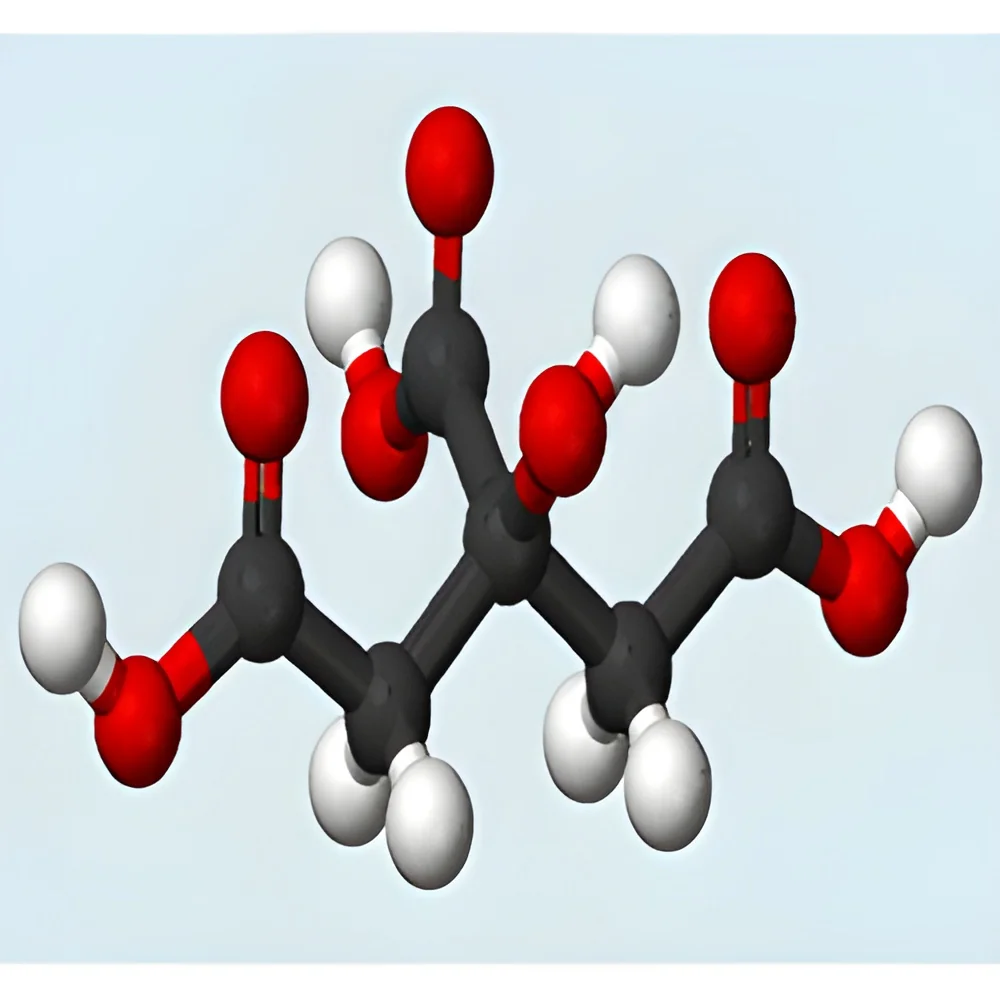
- Approximately 192.13 g/mol
- Important for chemical calculations and formulations
4. Solubility
- Highly soluble in water
- Allows for easy integration into various solutions
5. pH Level
- Generally exhibits a pH level of 2-3 in solution
- Important for applications requiring acidity control
6. Appearance
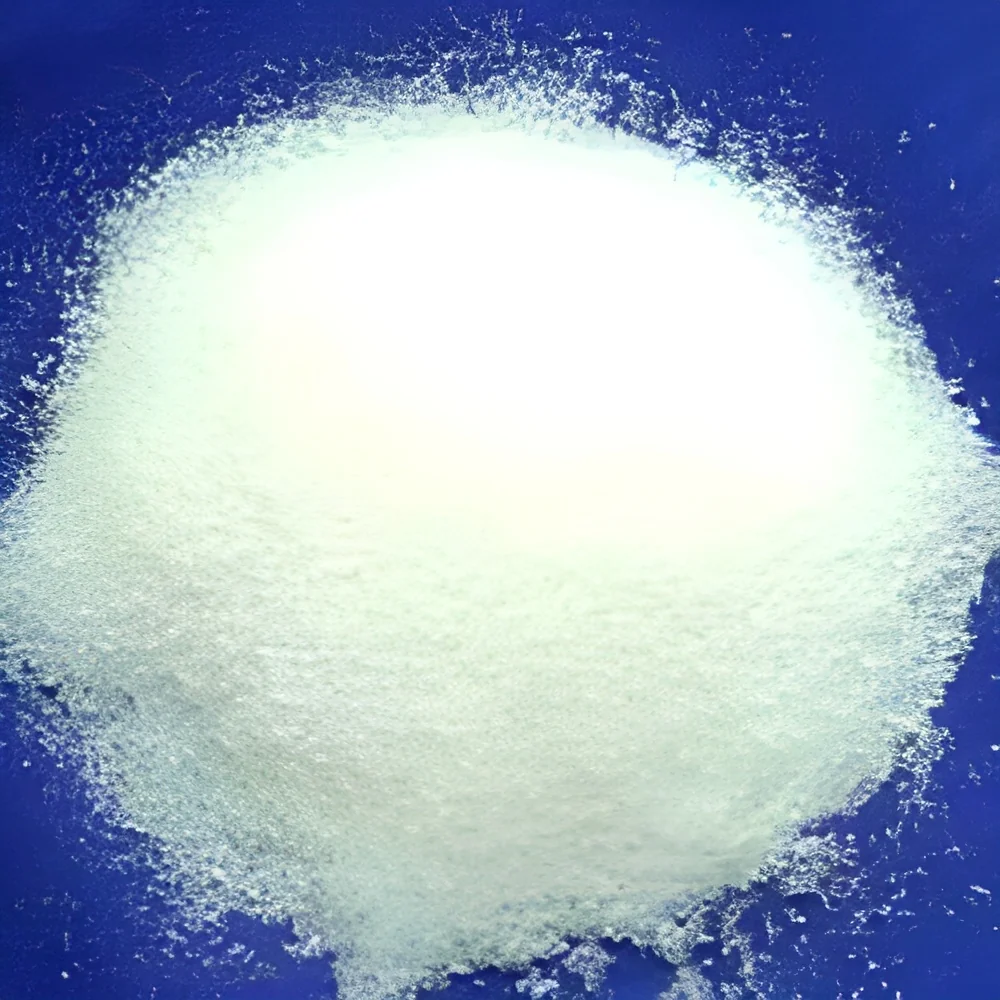
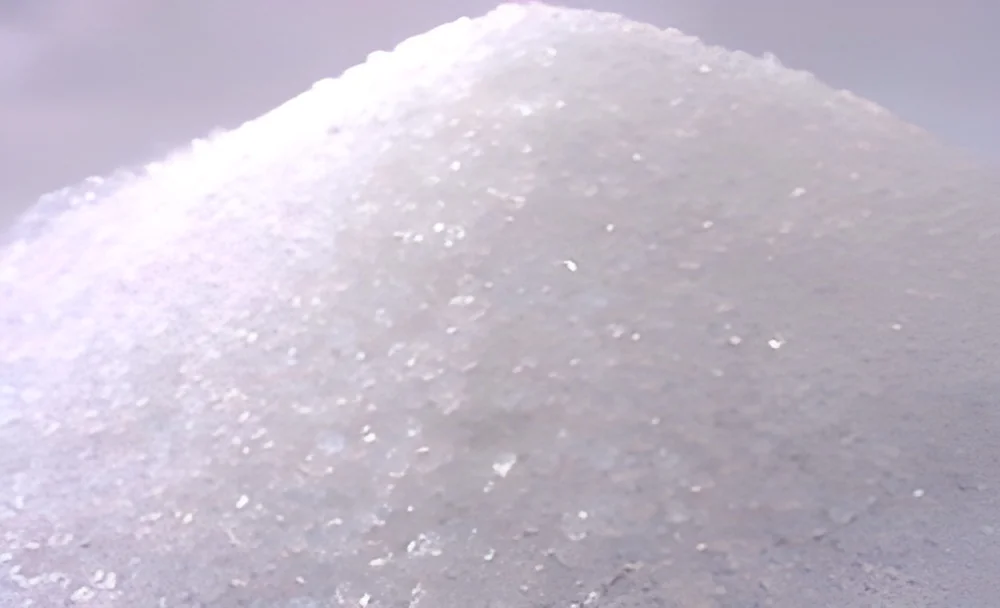
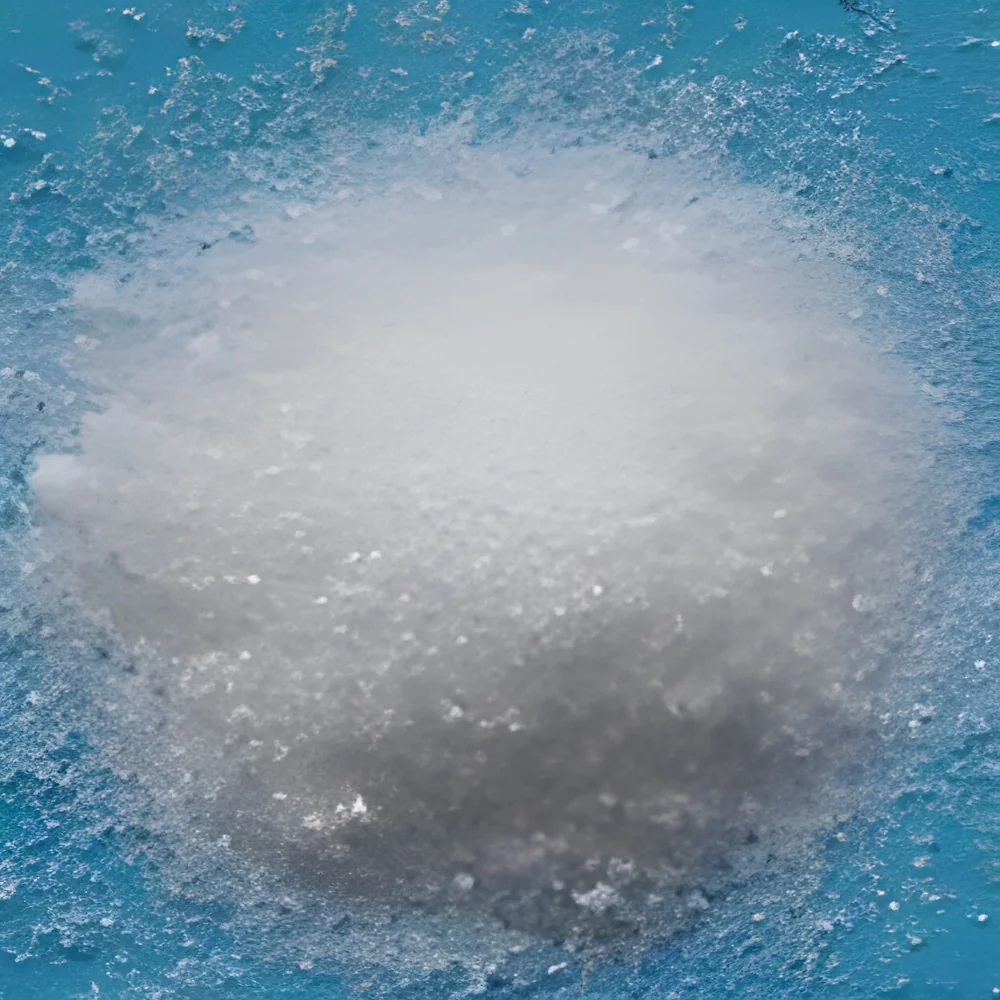
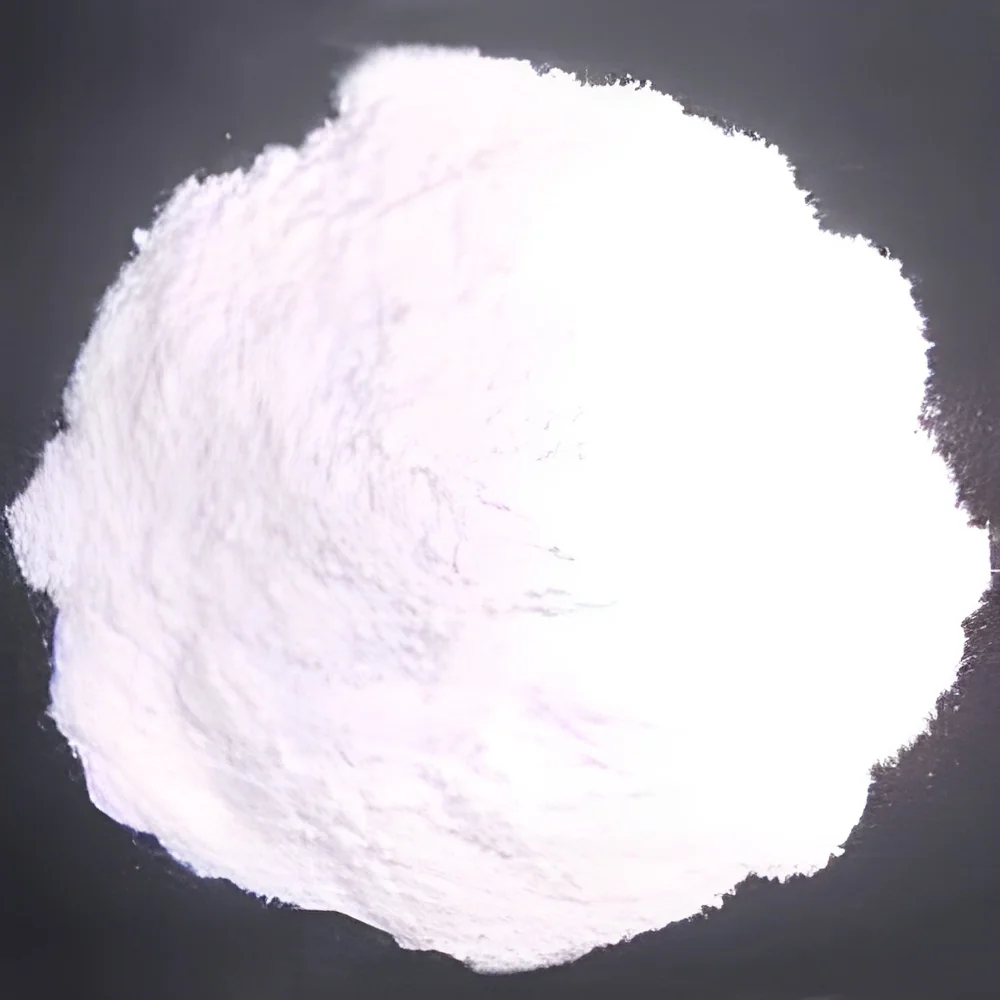
- White crystalline powder or colorless liquid
- Visual quality may impact consumer perception
7. Storage Conditions
- Should be stored in a cool, dry place
- Prevents degradation and maintains effectiveness
8. Shelf Life
- Typically has a shelf life of 2-3 years
- Important for inventory management and usage planning
In summary, understanding the key features and specifications of citric acid helps businesses make informed sourcing decisions based on their specific needs.
๐๐ผ๐บ๐บ๐ผ๐ป ๐๐ฝ๐ฝ๐น๐ถ๐ฐ๐ฎ๐๐ถ๐ผ๐ป๐ ๐ฎ๐ป๐ฑ ๐จ๐๐ฒ ๐๐ฎ๐๐ฒ๐
Citric acid serves various industries and has a wide range of applications.
1. Food and Beverage Industry: Citric acid is widely used as a preservative and flavoring agent. It enhances the taste of soft drinks, candies, and canned foods.
2. Pharmaceutical Industry: In pharmaceuticals, citric acid acts as a stabilizing agent in various formulations. It is also used to adjust the pH of medications.
3. Cosmetic Industry: Citric acid is incorporated into skincare products for its exfoliating properties and as a pH adjuster.
4. Cleaning Industry: It is used in household and industrial cleaning products for its ability to remove stains and limescale.
5. Water Treatment: Citric acid plays a role in water treatment processes, helping to prevent scaling in pipes and equipment.
6. Agriculture: It is used as a chelating agent in fertilizers to enhance nutrient uptake by plants.
7. Biotechnology: Citric acid is utilized in various biochemical applications, including as a buffer in laboratory settings.
๐ฃ๐ฟ๐ผ๐ฑ๐๐ฐ๐ ๐ฉ๐ฎ๐ฟ๐ถ๐ฎ๐ป๐๐ ๐ฎ๐ป๐ฑ ๐ฆ๐๐ฏ๐ฐ๐ฎ๐๐ฒ๐ด๐ผ๐ฟ๐ถ๐ฒ๐
Citric acid is available in various forms to cater to different industry needs.
Anhydrous Citric Acid
This variant is a dry powder that is highly concentrated. It is ideal for applications where moisture control is critical, such as in powdered food products and dry mixes.
Liquid Citric Acid
This form is typically used in beverages and liquid formulations. It offers ease of handling and precise dosing for manufacturers.
๐๐ฒ๐ป๐ฒ๐ณ๐ถ๐๐ ๐ฎ๐ป๐ฑ ๐๐ฑ๐๐ฎ๐ป๐๐ฎ๐ด๐ฒ๐
Citric acid offers numerous benefits that enhance its attractiveness to businesses.
1. Natural Preservative: It is a natural substance, appealing to health-conscious consumers seeking clean-label products.
2. Versatile Applications: Citric acid can be used across multiple industries, making it a highly adaptable ingredient.
3. Cost-Effective: Its availability and multifunctional uses contribute to its cost-effectiveness in formulations.
4. Enhances Flavor: It effectively enhances the taste of food and beverages, improving overall product quality.
5. Environmentally Friendly: Being biodegradable, citric acid is an eco-friendly alternative to synthetic additives.
6. Stabilizing Agent: In pharmaceuticals, it helps stabilize formulations, ensuring product efficacy.
๐๐๐๐ถ๐ป๐ด ๐๐๐ถ๐ฑ๐ฒ ๐ณ๐ผ๐ฟ ๐๐ฎ๐ ๐๐๐๐ฒ๐ฟ๐
When sourcing citric acid, businesses should consider several important factors to ensure they make the right choice.
1. Quality Assessment: Ensure that the citric acid meets the required purity standards for your application. This is particularly crucial in food and pharmaceutical industries.
2. Supplier Verification: Vet potential suppliers to confirm their credibility and reliability. Look for reviews, certifications, and past performance.
3. Pricing and MOQ: Understand the pricing structure and minimum order quantities. Assess your budget and inventory needs before making a decision.
4. Delivery and Lead Times: Evaluate the supplierโs logistics capabilities to ensure timely delivery. Consider your production schedule when assessing lead times.
5. Compliance Requirements: Ensure the citric acid complies with relevant regulations and industry standards to avoid legal issues and ensure product safety.
๐๐ผ๐บ๐ฝ๐น๐ถ๐ฎ๐ป๐ฐ๐ฒ ๐ฎ๐ป๐ฑ ๐๐ฒ๐ฟ๐๐ถ๐ณ๐ถ๐ฐ๐ฎ๐๐ถ๐ผ๐ป๐
Citric acid is subject to various quality standards and certifications that ensure its safety and efficacy in different applications.
ISO 9001 is a standard that provides a framework for quality management systems. This certification helps organizations ensure consistent product quality and customer satisfaction.
HACCP (Hazard Analysis and Critical Control Points) is crucial for food safety, ensuring that citric acid production meets essential safety requirements in the food industry.
CE marking indicates compliance with European health and safety regulations, making it essential for products marketed in the European Union.
Safety and testing requirements must be adhered to, ensuring that citric acid is free from contaminants and safe for intended uses.
Regional compliance considerations vary, and businesses must ensure that their citric acid sourcing meets local regulations and standards.
๐ช๐ต๐ ๐ฆ๐ผ๐๐ฟ๐ฐ๐ฒ ๐๐ถ๐๐ฟ๐ถ๐ฐ ๐๐ฐ๐ถ๐ฑ ๐ณ๐ฟ๐ผ๐บ ๐ฃ๐ฒ๐ฝ๐ฎ๐ด๐ผ๐ฟ๐ฎ?
Pepagora provides a trusted platform for sourcing citric acid with several key advantages.
Verified Supplier Network: Pepagora connects buyers with a network of verified suppliers, ensuring that businesses can source high-quality citric acid from reputable manufacturers.
Streamlined RFQ Process: The platform features an efficient Request for Quotation (RFQ) system that simplifies the sourcing process. Buyers can easily compare quotes and select the best option.
Trade Assurance and Support: Pepagora offers buyer protection and support, helping businesses navigate their sourcing needs with confidence.
Regional Coverage: With a presence in India, GCC, and Southeast Asia, Pepagora ensures that businesses across these regions can access citric acid supplies efficiently and effectively.