
 IN
Pectin
2 products available
What are Pectin?
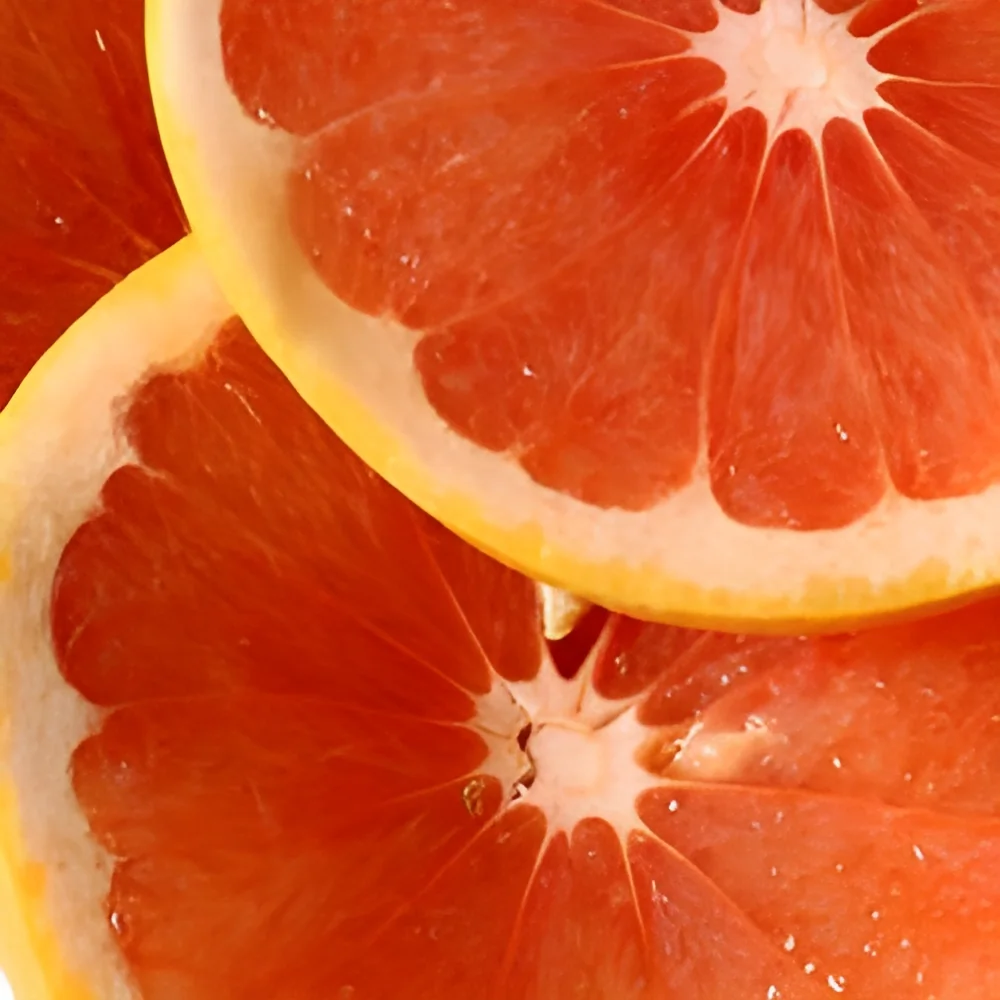
Pectin is a naturally occurring polysaccharide predominantly found in the cell walls of fruits and vegetables. It plays a critical role in food processing as a gelling agent, thickener, and stabilizer. Pectin is typically extracted from citrus fruits or apple pomace, and its ability to form gels upon heating with sugar and acid makes it essential for many food products.
The primary uses of pectin span across various industries, including food and beverage, pharmaceuticals, and cosmetics. In the food industry, it is commonly used in making jams, jellies, and fruit preserves, providing the desired texture and consistency. Beyond food, pectin serves as a binding agent in pharmaceuticals and is utilized in cosmetic formulations for its emulsifying properties. The market for pectin is significant, driven by the growing demand for natural food ingredients and the increasing consumer preference for healthier products.
Key Features and Specifications
Pectin is characterized by a range of features that make it suitable for diverse applications. Its specifications can vary based on the source and processing methods, which can affect its gelling properties and functionality.
Key specifications include:
1. Gelling Strength
- The ability to form a gel when combined with sugar and acid
- Typically measured in degrees of gelling
2. Solubility
- Pectin is soluble in water, forming a viscous solution
- Solubility can range from high to low depending on the type of pectin
3. Degree of Methoxylation (DM)
- Represents the percentage of methoxyl groups present
- Higher DM values indicate a stronger gelling capacity
4. Color and Appearance
- Generally a light to dark brown powder
- Consistency is typically fine and homogeneous
5. Moisture Content
- Pectin should have low moisture content for optimal storage
- Usually specified in percentage terms
6. pH Stability
- Pectin maintains stability within a specific pH range
- Important for applications in acidic foods
7. Viscosity
- A measure of the thickness of the pectin solution
- Can vary significantly based on concentration
Pectin's versatility in formulation makes it a valuable ingredient across numerous sectors.
Common Applications and Use Cases
Pectin is widely applied in different industries due to its versatile properties.
1. Food and Beverage: It is primarily used in the production of jams, jellies, and fruit preserves. Pectin helps achieve the desired texture and flavor retention in these products.
2. Pharmaceuticals: Pectin serves as a binding agent in tablets and capsules, ensuring proper dosage and stability.
3. Cosmetics: It is utilized in creams and lotions for its emulsifying properties, helping to maintain product consistency.
4. Bakery: Pectin is included in various baked goods to enhance moisture retention and improve shelf life.
5. Dairy: Used in yogurt and other dairy products to provide a creamy texture and stability.
6. Confectionery: Pectin is a key ingredient in gummy candies, providing the necessary firmness and chewiness.
7. Nutraceuticals: Pectin is incorporated in dietary supplements for its health benefits, such as promoting digestive health.
Product Variants and Subcategories
Pectin comes in various forms to cater to different industry needs.
High Methoxyl Pectin
This variant is suitable for high-sugar environments, making it ideal for traditional jams and jellies. It provides a strong gel structure and is favored in products requiring a robust texture.
Low Methoxyl Pectin
Used in lower-sugar formulations, this variant is perfect for making reduced-sugar jams and fruit spreads. It requires calcium ions for gelling, making it versatile for health-conscious products.
Modified Pectin
This type has been chemically altered to enhance specific properties such as solubility or gelling strength. It is commonly used in applications where traditional pectin may not perform adequately.
Pectin Powder
A fine powder form that offers convenience in handling and formulation. It is often used in various food and beverage applications for ease of mixing.
Benefits and Advantages
Pectin offers numerous benefits to businesses that incorporate it into their products.
1. Natural Ingredient: As a plant-based polysaccharide, pectin is a clean-label ingredient that appeals to health-conscious consumers.
2. Versatile Applications: Pectin can be used in a wide range of products, from food to pharmaceuticals, enhancing its marketability.
3. Functional Properties: Its gelling, thickening, and stabilizing abilities make it essential for achieving desired product textures and consistencies.
4. Health Benefits: Pectin is known for its dietary fiber content, promoting digestive health and providing nutritional benefits.
5. Customizable Formulations: Different types of pectin can be selected based on specific application needs, allowing for tailored product development.
6. Cost-Effective: With efficient sourcing and production, pectin can be a cost-effective ingredient for various applications.
Buying Guide for B2B Buyers
When sourcing pectin for business purposes, there are several important factors to consider.
1. Quality Assessment: Evaluate pectin based on its gelling strength, purity, and overall quality. Conduct tests to ensure it meets specific application requirements.
2. Supplier Verification: Vet potential suppliers by checking their certifications, reputation, and capacity to deliver consistent quality.
3. Pricing and MOQ: Understand the pricing structures and minimum order quantities (MOQ) set by suppliers to align with your budget and production needs.
4. Delivery and Lead Times: Consider logistics and delivery schedules, ensuring that suppliers can meet your timelines without compromising quality.
5. Compliance Requirements: Ensure that the pectin complies with relevant food safety and regulatory standards to avoid potential issues in product development.
Compliance and Certifications
Pectin must adhere to specific quality standards and certifications to ensure safety and efficacy in its applications. Relevant quality standards include ISO 9001, which focuses on quality management systems, and HACCP (Hazard Analysis Critical Control Point), which is crucial for food safety.
Industry certifications like CE indicate compliance with European health, safety, and environmental protection standards. Meeting safety and testing requirements is essential for suppliers to demonstrate the quality of their products.
Additionally, regional compliance considerations may vary, necessitating familiarity with local regulations governing food ingredients and additives. This awareness helps businesses maintain compliance and avoid potential legal issues.
Why Source Pectin from Pepagora?
Pepagora provides a trusted platform for sourcing pectin, offering several key advantages to B2B buyers.
Verified Supplier Network: Pepagora ensures a network of verified suppliers, allowing buyers to source high-quality pectin confidently. Each supplier undergoes rigorous checks to guarantee reliability.
Streamlined RFQ Process: The Request for Quotation (RFQ) process on Pepagora is designed to be user-friendly, enabling buyers to receive competitive quotes quickly and efficiently.
Trade Assurance and Support: Pepagora offers trade assurance measures to protect buyers, ensuring they receive the products as specified and in good condition. Support services are available to address any concerns during the sourcing process.
Regional Coverage: With a strong presence in India, the GCC, and Southeast Asia, Pepagora ensures that buyers can access pectin from various regions, facilitating diverse sourcing needs and enhancing supply chain efficiency.

Frequently Asked Questions
What are Pectin?
Pectin is a natural polysaccharide found in the cell walls of fruits and vegetables. It is widely used as a gelling agent, thickener, and stabilizer in food products, particularly in jams and jellies.
What are the different types of Pectin?
There are several types of pectin, primarily classified as high methoxyl (HM) and low methoxyl (LM) pectin. HM pectin requires sugar and acid for gelling, while LM pectin can gel with calcium ions and is often used in low-sugar products.
How do I choose the right Pectin?
When selecting pectin, consider the type of product you are making and the desired texture. Additionally, evaluate factors such as the required gelling strength, sugar content, and whether the application is for high or low sugar recipes.
What are the standard specifications for Pectin?
Standard specifications for pectin typically include parameters like gel strength, viscosity, degree of esterification, and moisture content. These specifications ensure that the pectin meets the requirements for various food applications.
What is the price range for Pectin?
The price of pectin can vary based on factors such as quality, type, and supplier. Generally, the price range for pectin in India can be between INR 300 to INR 1,500 per kilogram, depending on these variables.
What quality standards apply to Pectin?
Pectin must meet various quality standards, including food safety regulations set by organizations like the Food Safety and Standards Authority of India (FSSAI). Additionally, it may be subject to quality tests for purity and functionality.
Where can I find Pectin suppliers in India?
You can find pectin suppliers in India through B2B marketplaces like Pepagora.com, trade shows, and industry-specific directories. It is advisable to compare multiple suppliers to ensure quality and pricing.
Can Pectin be customized?
Yes, pectin can often be customized to meet specific requirements, such as varying degrees of esterification or tailored gelling properties. It is best to discuss customization options with manufacturers or suppliers directly.
What is the typical minimum order quantity for Pectin?
The typical minimum order quantity (MOQ) for pectin can vary by supplier, but it generally ranges from 25 kg to 100 kg. It is advisable to confirm the MOQ with the supplier before placing an order.
What is the typical lead time for Pectin?
The typical lead time for pectin orders can range from 1 to 4 weeks, depending on the supplier and the quantity ordered. Factors such as customization and shipping location may also affect the lead time.
Why Businesses Trust Pepagora
Thousands of companies trust Pepagora to source smarter and sell faster
Expand Your Sales Globally

Source Smarter,Grow Faster
