
 IN
Vanillin & Vanilla Extract
4 products available
What are Vanillin & Vanilla Extract?
Vanillin and vanilla extract are flavor compounds derived from the vanilla bean. Vanillin is a chemical compound that gives vanilla its distinctive flavor and aroma. It is often synthesized for commercial use, making it more accessible and cost-effective than natural vanilla extract, which is made through the extraction of vanillin from vanilla beans. Both substances are widely used in various food and beverage applications, providing a rich, sweet flavor profile.
These products find primary applications in the food industry, particularly in baking, confectionery, and beverage production. Vanillin is commonly used in ice creams, chocolates, and baked goods, while vanilla extract is favored for its complex flavor and is often used in gourmet recipes. The market for vanillin and vanilla extract continues to grow, driven by increasing consumer demand for natural flavors and premium products. The food industry’s focus on clean labels and natural ingredients further emphasizes the relevance of these flavorings in contemporary consumer products.
Key Features and Specifications
Vanillin and vanilla extract offer distinct features that cater to various industrial needs. Understanding these specifications is crucial for businesses looking to incorporate these flavor compounds into their products.
Key specifications include:
1. Composition
- Vanillin typically contains at least 90% pure vanillin.
- Vanilla extract is made from vanilla beans and may contain alcohol or glycerin.
2. Flavor Profile
- Vanillin provides a strong, sweet vanilla flavor.
- Vanilla extract offers a more complex flavor with additional aromatic compounds.
3. Solubility
- Vanillin is soluble in alcohol and oils.
- Vanilla extract is water-soluble, making it versatile for various applications.
4. Concentration
- Vanillin is available in different concentrations, typically ranging from 50% to 99%.
- Vanilla extract is usually sold in various strengths, such as pure or imitation.
5. Shelf Life
- Vanillin has a shelf life of up to two years if stored properly.
- Vanilla extract can last indefinitely if kept in a cool, dark place.
6. Regulatory Compliance
- Both products must meet food safety regulations and labeling requirements.
7. Flavor Consistency
- Vanillin provides consistent flavor quality, while vanilla extract may vary due to natural factors.
8. Origin
- Vanillin can be derived from natural or synthetic sources.
- Vanilla extract is exclusively derived from vanilla beans.
These features underscore the importance of selecting the right product based on application requirements.
Common Applications and Use Cases
Vanillin and vanilla extract serve a wide range of industries, enhancing flavor profiles and consumer appeal.
1. Food and Beverage Industry: Vanillin is extensively used in ice creams, chocolates, and baked goods for its strong vanilla flavor, while vanilla extract enhances the taste of sauces, beverages, and desserts.
2. Confectionery: Both products are popular in candy production, where they add depth and sweetness to a variety of treats.
3. Cosmetics and Personal Care: Vanilla extract is often incorporated into perfumes and beauty products for its pleasant aroma.
4. Pharmaceuticals: Vanillin is used in some medications and supplements as a flavoring agent to mask unpleasant tastes.
5. Household Products: Vanilla extract may be included in air fresheners and candles for its soothing scent.
6. Bakery Supplies: Commercial bakeries utilize these flavorings in their mixes and batters to ensure consistent quality.
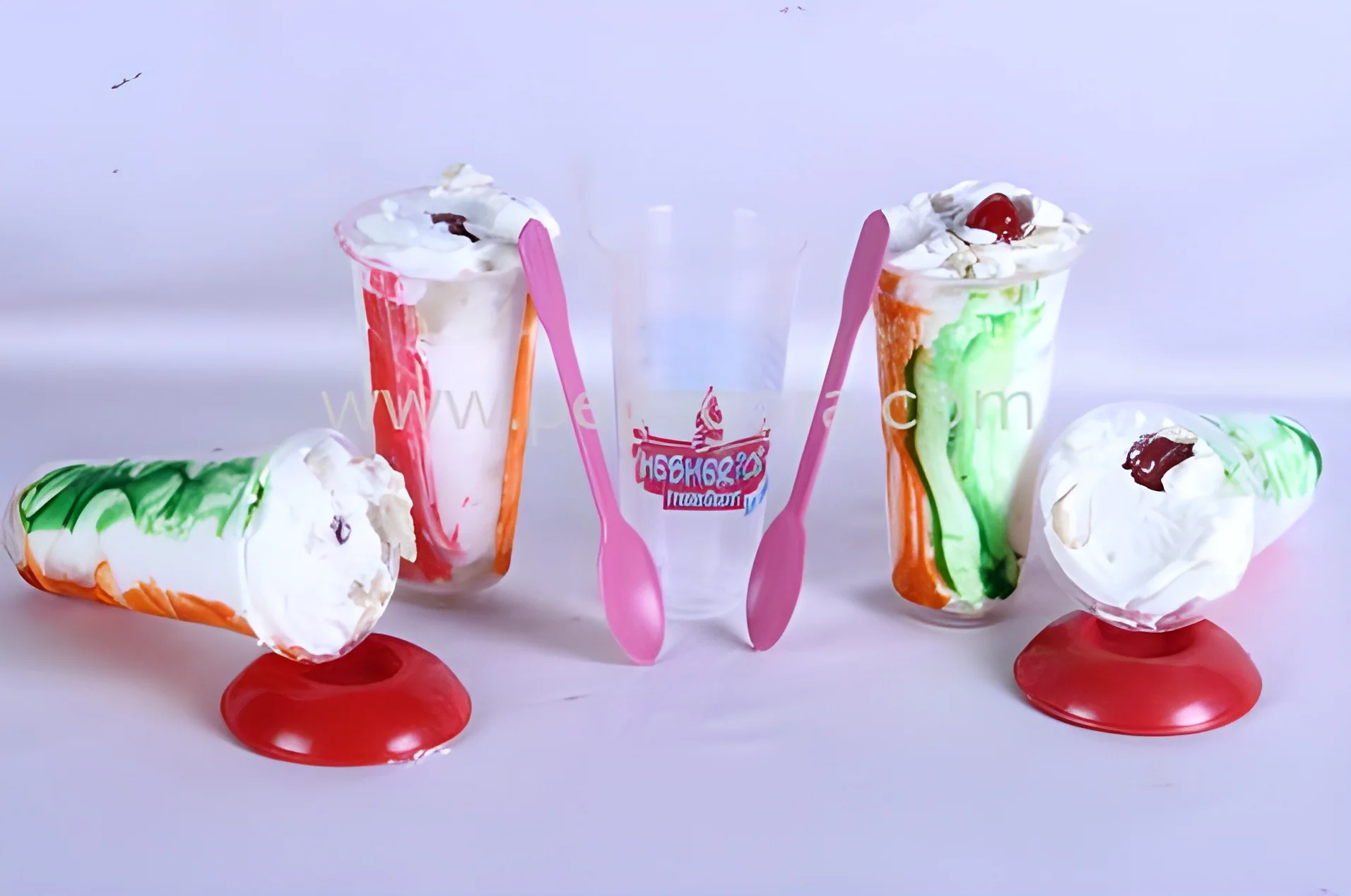
7. Dairy Products: Ice cream manufacturers frequently use both vanillin and vanilla extract to enhance flavor in their products.
Product Variants and Subcategories
Vanillin and vanilla extract come in various forms, catering to different market needs.
Vanilla Extract
This natural product is made by steeping vanilla beans in alcohol or glycerin, extracting the complex flavors and aromas. It is widely used in baking and cooking, valued for its authentic taste.
Synthetic Vanillin
This variant is chemically produced, offering a cost-effective alternative to natural vanilla. It delivers a strong vanilla flavor and is commonly used in mass-produced food products.
Pure Vanillin
This highly concentrated form of vanillin is often used in industrial applications where strong flavor profiles are required, such as in flavoring agents for soft drinks and candies.
Vanilla Powder
Produced from ground vanilla beans, this variant is ideal for dry applications and offers a strong vanilla flavor without the liquid component.
Benefits and Advantages
Vanillin and vanilla extract present several advantages for businesses looking to enhance their product offerings.
1. Cost-Effectiveness: Synthetic vanillin is generally more affordable than natural vanilla extract, making it accessible for large-scale production.
2. Consistent Quality: Vanillin offers a uniform flavor profile, ensuring products taste the same batch after batch.
3. Versatility: Both products can be used in a variety of applications, from food and beverages to personal care products.
4. Consumer Appeal: The use of natural flavors, like vanilla extract, can enhance product marketability and attract health-conscious consumers.
5. Enhanced Flavor: These flavorings improve the overall taste experience, making products more enjoyable for end-users.
6. Long Shelf Life: Properly stored vanillin and vanilla extract can maintain their flavor integrity over extended periods, reducing waste.
Buying Guide for B2B Buyers
When sourcing vanillin and vanilla extract, buyers should consider several important factors to ensure they select the right products.
1. Quality Assessment: Evaluate the purity and composition of the flavoring agents. High-quality vanillin should contain a high percentage of pure vanillin, while vanilla extract must meet industry standards for flavor and aroma.
2. Supplier Verification: It is essential to vet suppliers for reliability and product quality. Look for certifications and customer reviews to ensure they meet industry standards.
3. Pricing and MOQ: Understand the cost structure and minimum order quantities (MOQ) to align with budgetary constraints and production needs.
4. Delivery and Lead Times: Consider logistics and the supplier's ability to meet delivery schedules to avoid production delays.
5. Compliance Requirements: Ensure that the products adhere to local and international food safety regulations, including labeling and quality standards.
Compliance and Certifications
Compliance with industry standards is crucial for the safe and reliable use of vanillin and vanilla extract. Manufacturers must adhere to quality standards such as ISO 9001, which ensures consistent product quality and operational efficiency.
HACCP (Hazard Analysis and Critical Control Points) is another important standard, focusing on food safety and risk management throughout the production process.
Additionally, products must comply with Good Distribution Practices (GDP), ensuring that they are stored and transported under conditions that maintain their quality and safety.
In terms of certifications, CE marking is relevant for products sold within the European Economic Area, indicating compliance with safety, health, and environmental protection standards.
Safety and testing requirements also play a significant role in ensuring that these flavorings do not pose any health risks to consumers. Regional compliance considerations may vary, so businesses should be aware of specific regulations in the markets they serve.
Why Source Vanillin & Vanilla Extract from Pepagora?
Pepagora offers a trusted platform for sourcing vanillin and vanilla extract, providing numerous advantages for businesses.
Verified Supplier Network: Our platform connects buyers with a network of verified suppliers, ensuring that you receive high-quality products that meet your specifications. We prioritize supplier transparency and reliability.
Streamlined RFQ Process: Pepagora features a user-friendly request for quotation (RFQ) system that simplifies the procurement process. Buyers can quickly obtain pricing and product details from multiple suppliers, saving time and effort.
Trade Assurance and Support: We offer trade assurance to protect buyers, ensuring that your transactions are secure and that you receive products as promised. Our customer support team is always available to assist with any inquiries or issues.
Regional Coverage: Pepagora has a strong presence in India, the GCC, and Southeast Asia, providing extensive geographic reach to connect buyers with local suppliers. This regional focus allows for better logistics and quicker turnaround times for orders.

Frequently Asked Questions
What are Vanillin & Vanilla Extract?
Vanillin is a key flavor compound derived from vanilla beans or synthesized artificially. Vanilla extract, on the other hand, is a solution made by macerating and percolating vanilla pods in alcohol and water, capturing the rich, complex flavor of natural vanilla.
What are the different types of Vanillin & Vanilla Extract?
There are primarily two types of vanillin: natural vanillin, extracted from vanilla beans, and synthetic vanillin, which is chemically produced. Vanilla extract can also vary in concentration, with options like pure vanilla extract, vanilla essence, and vanilla flavoring, each differing in quality and intensity.
How do I choose the right Vanillin & Vanilla Extract?
Selecting the right vanillin or vanilla extract depends on your intended use. For culinary applications, opt for pure vanilla extract for its rich flavor, while synthetic vanillin may be suitable for cost-sensitive products or industrial uses.
What are the standard specifications for Vanillin & Vanilla Extract?
Standard specifications for vanillin include purity levels, typically above 99% for high-quality products, and moisture content not exceeding certain limits. For vanilla extract, specifications often include the vanillin content, alcohol percentage, and absence of artificial additives.
What is the price range for Vanillin & Vanilla Extract?
The price of vanillin and vanilla extract can vary significantly based on quality and source. Generally, natural vanilla extract is more expensive, ranging from INR 2,000 to INR 15,000 per liter, while synthetic vanillin is more affordable, typically costing between INR 500 to INR 2,000 per kilogram.
What quality standards apply to Vanillin & Vanilla Extract?
Quality standards for vanillin and vanilla extract include compliance with food safety regulations, such as those set by the Food Safety and Standards Authority of India (FSSAI). Additionally, products may be tested for purity, concentration, and the absence of contaminants.
Where can I find Vanillin & Vanilla Extract suppliers in India?
You can find vanillin and vanilla extract suppliers in India through B2B marketplaces like Pepagora.com, where manufacturers and distributors list their offerings. Additionally, industry trade shows and local food ingredient suppliers can be good sources.
Can Vanillin & Vanilla Extract be customized?
Yes, many manufacturers offer customization options for vanillin and vanilla extract, allowing you to specify concentrations, flavor profiles, and packaging sizes. It's advisable to discuss your requirements directly with suppliers to ensure your needs are met.
What is the typical minimum order quantity for Vanillin & Vanilla Extract?
The typical minimum order quantity (MOQ) for vanillin and vanilla extract can range from 5 to 20 kilograms, depending on the supplier and product type. It's best to check with individual suppliers for their specific MOQs.
What is the typical lead time for Vanillin & Vanilla Extract?
The typical lead time for vanillin and vanilla extract orders can vary, but it generally ranges from 1 to 4 weeks. Factors such as order size, customization, and supplier location can influence delivery times.
Why Businesses Trust Pepagora
Thousands of companies trust Pepagora to source smarter and sell faster
Expand Your Sales Globally

Source Smarter,Grow Faster
