
 IN
Sodium Metabisulfite
2 products available
What are Sodium Metabisulfite?
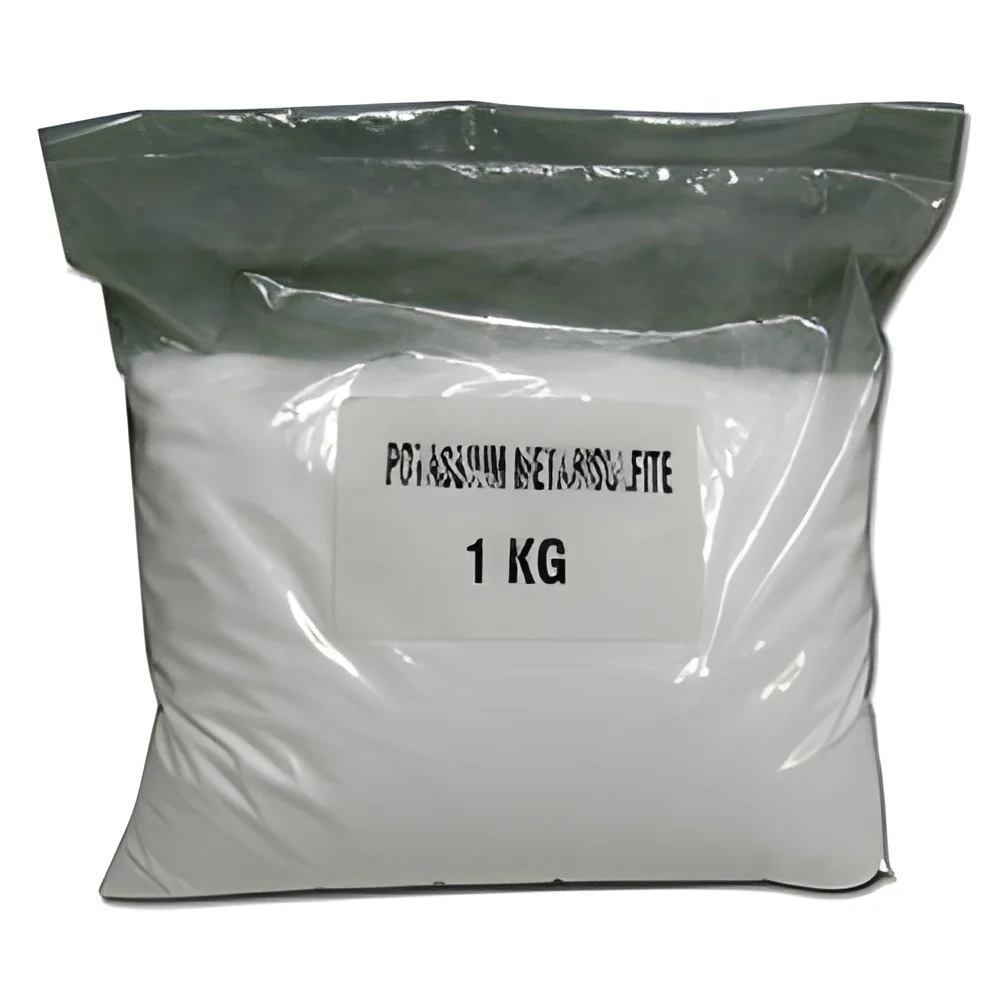
Sodium metabisulfite is a white crystalline powder that serves as a versatile chemical compound widely used across various industries. It is a sodium salt of metabisulfite and is known for its reducing and antioxidant properties. Sodium metabisulfite is soluble in water and releases sulfur dioxide gas when dissolved. This compound is appreciated for its effectiveness as a preservative, disinfectant, and antioxidant, making it an essential ingredient in many applications.
The primary uses of sodium metabisulfite include food preservation, water treatment, and textile processing. In the food industry, it acts as a preservative and antioxidant, extending the shelf life of various products. In water treatment, it is utilized to dechlorinate water by removing chlorine and chloramine. Additionally, the textile industry employs sodium metabisulfite in dyeing and bleaching processes. With its broad range of applications, sodium metabisulfite plays a crucial role across multiple sectors, contributing to product quality and safety.
Key Features and Specifications
Sodium metabisulfite is characterized by a variety of key features that enhance its utility in industrial applications. It is essential for businesses to understand these specifications to select the right product for their needs.
Key specifications include:
1. Appearance
- White crystalline powder
- Free-flowing and easily handled
2. Solubility
- Soluble in water
- Releases sulfur dioxide upon dissolution
3. Purity
- Typically greater than 95%
- High purity levels ensure effectiveness in applications
4. pH Level
- Acidic pH when dissolved in water
- Generally around 4.0 to 5.0 in solution
5. Moisture Content
- Low moisture content, typically less than 5%
- Important for maintaining stability and shelf life
6. Storage Conditions
- Store in a cool, dry place
- Protect from moisture and strong acids
7. Shelf Life
- Typically stable for 24 months if stored properly
- Regular checks recommended for quality assurance
8. Packaging Options
- Available in bulk bags or smaller containers
- Customized packaging options may be available
Understanding these features and specifications can help businesses make informed purchasing decisions.
Common Applications and Use Cases
Sodium metabisulfite serves various industries due to its multifunctional properties.
1. Food and Beverage Industry: Sodium metabisulfite is commonly used as a preservative in dried fruits, wines, and other food products to prevent spoilage and maintain freshness.
2. Water Treatment: It is employed to dechlorinate municipal water supplies, ensuring that harmful chlorinated compounds are neutralized before the water is released for public use.
3. Textile Industry: In textiles, sodium metabisulfite acts as a bleaching agent, helping to achieve desired color effects while maintaining fabric integrity.
4. Chemical Manufacturing: It is used in the production of other chemicals, including sodium sulfite and sulfur dioxide, serving as an important intermediate in various chemical processes.
5. Pharmaceuticals: Sodium metabisulfite is utilized in the pharmaceutical industry as an antioxidant and stabilizer in certain medications and formulations.
6. Photography: In the photography sector, it is used in developing solutions to preserve images and enhance clarity.
7. Waste Treatment: It plays a role in the treatment of industrial waste, helping to neutralize harmful compounds before disposal.
Product Variants and Subcategories
While sodium metabisulfite is typically available in a standard form, it can be sourced in various packaging options to meet specific industrial needs.
Granular Sodium Metabisulfite
This variant is available in a granular form, making it easier to handle and mix in various applications. It is often used in large-scale industrial processes that require efficient dissolution and distribution.
Powdered Sodium Metabisulfite
The powdered form offers a fine consistency, ideal for applications requiring rapid dissolution. It is commonly used in food preservation and water treatment where quick action is necessary.
Benefits and Advantages
Sodium metabisulfite provides numerous benefits that enhance its appeal to various industries.
1. Effective Preservation: It acts as a powerful preservative, extending the shelf life of food products by preventing oxidation and spoilage.
2. Versatile Applications: Its multifunctional properties allow it to be used across diverse sectors, from food to textiles and beyond.
3. Cost-Effective: Sodium metabisulfite is generally low-cost compared to alternative preservatives, making it an economical choice for businesses.
4. Easy to Use: The compound is easy to handle and can be conveniently incorporated into production processes without specialized equipment.
5. Regulatory Compliance: Sodium metabisulfite is recognized and regulated within various industries, ensuring safety and quality standards are met.
6. Environmental Benefits: When used in water treatment, it helps reduce harmful chemicals, contributing to a cleaner environment and safer water supplies.
Buying Guide for B2B Buyers
When sourcing sodium metabisulfite, it is essential for buyers to consider several important factors to ensure they make the right choice.
1. Quality Assessment: Evaluate the purity and quality of sodium metabisulfite from potential suppliers. Request samples and conduct tests to confirm that the product meets your specific requirements.
2. Supplier Verification: Vet suppliers by checking their certifications, customer reviews, and industry reputation. Reliable suppliers will have a proven track record in delivering quality products.
3. Pricing and MOQ: Understand the pricing structure and minimum order quantities (MOQ) before committing to a purchase. This will help you budget effectively and ensure you receive the best value.
4. Delivery and Lead Times: Inquire about delivery schedules and lead times to ensure timely access to sodium metabisulfite for your business operations.
5. Compliance Requirements: Ensure that the product complies with relevant regulations and standards in your industry. This may include certifications such as CE or UL.
Compliance and Certifications
Sodium metabisulfite must adhere to various quality standards and regulations to ensure safety and efficacy in its applications.
Relevant quality standards such as ISO 9001 ensure that manufacturers maintain consistent quality management processes. These standards are essential for guaranteeing that the product meets specified requirements and is fit for use in critical applications.
Industry certifications like CE and UL are important for demonstrating compliance with safety and performance criteria. These certifications help build trust among buyers and ensure that the product meets necessary regulatory requirements.
Safety and testing requirements are critical in the handling and usage of sodium metabisulfite. Proper handling procedures must be followed to minimize risks associated with exposure to the compound. Furthermore, regional compliance considerations should be taken into account, as different countries may have specific regulations governing the use of sodium metabisulfite in various applications.
Why Source Sodium Metabisulfite from Pepagora?
Pepagora provides a trusted platform for sourcing sodium metabisulfite, ensuring buyers receive quality products backed by a reliable supplier network.
Verified Supplier Network: Pepagora connects buyers with verified suppliers who meet stringent quality standards. This network ensures that businesses can source sodium metabisulfite from reputable manufacturers, minimizing the risk of subpar products.
Streamlined RFQ Process: The request for quotation (RFQ) process is designed to be user-friendly, allowing buyers to easily compare offers from multiple suppliers. This transparency helps companies make informed purchasing decisions based on price and quality.
Trade Assurance and Support: Pepagora offers trade assurance and support to protect buyers throughout the sourcing process. This includes assistance with order fulfillment and addressing any issues that may arise during the transaction.
Regional Coverage: With a broad geographic reach across India, the GCC, and Southeast Asia, Pepagora ensures that businesses in these regions can access sodium metabisulfite conveniently and efficiently. This regional focus enhances supply chain reliability and responsiveness to market demands.

Frequently Asked Questions
What are Sodium Metabisulfite?
Sodium Metabisulfite is a chemical compound with the formula Na2S2O5. It is commonly used as a preservative, antioxidant, and bleaching agent in various industries, including food processing, pharmaceuticals, and water treatment.
What are the different types of Sodium Metabisulfite?
Sodium Metabisulfite generally comes in two forms: powder and granules. The choice between these forms often depends on the specific application and ease of handling in various industrial processes.
How do I choose the right Sodium Metabisulfite?
When selecting Sodium Metabisulfite, consider factors such as purity, intended application, and physical form. It is also essential to verify the supplier's reputation and compliance with quality standards to ensure product effectiveness.
What are the standard specifications for Sodium Metabisulfite?
Standard specifications for Sodium Metabisulfite typically include a minimum purity level of 98%, moisture content, and pH level. It is important to review the technical data sheet provided by the manufacturer for specific details.
What is the price range for Sodium Metabisulfite?
The price of Sodium Metabisulfite can vary significantly based on purity, quantity, and supplier. Typically, prices range from INR 50 to INR 150 per kilogram, but it is advisable to request quotes from multiple suppliers for the best pricing.
What quality standards apply to Sodium Metabisulfite?
Quality standards for Sodium Metabisulfite include compliance with regulations set by bodies such as the Food Safety and Standards Authority of India (FSSAI) and the Bureau of Indian Standards (BIS). Manufacturers should provide certification to confirm adherence to these standards.
Where can I find Sodium Metabisulfite suppliers in India?
Sodium Metabisulfite suppliers in India can be found through online B2B marketplaces, chemical trade shows, and industry directories. Platforms like Pepagora.com offer a comprehensive list of verified suppliers for easy access.
Can Sodium Metabisulfite be customized?
Yes, Sodium Metabisulfite can be customized in terms of packaging and concentration based on specific customer requirements. It is advisable to discuss customization options directly with the manufacturer or supplier.
What is the typical minimum order quantity for Sodium Metabisulfite?
The minimum order quantity (MOQ) for Sodium Metabisulfite can vary by supplier but usually ranges from 25 kg to 1 ton. It is recommended to confirm the MOQ with the supplier prior to placing an order.
What is the typical lead time for Sodium Metabisulfite?
The typical lead time for Sodium Metabisulfite orders can range from one week to several weeks, depending on the supplier's inventory and production capacity. It is best to inquire about specific lead times when placing an order.
Why Businesses Trust Pepagora
Thousands of companies trust Pepagora to source smarter and sell faster
Expand Your Sales Globally

Source Smarter,Grow Faster
