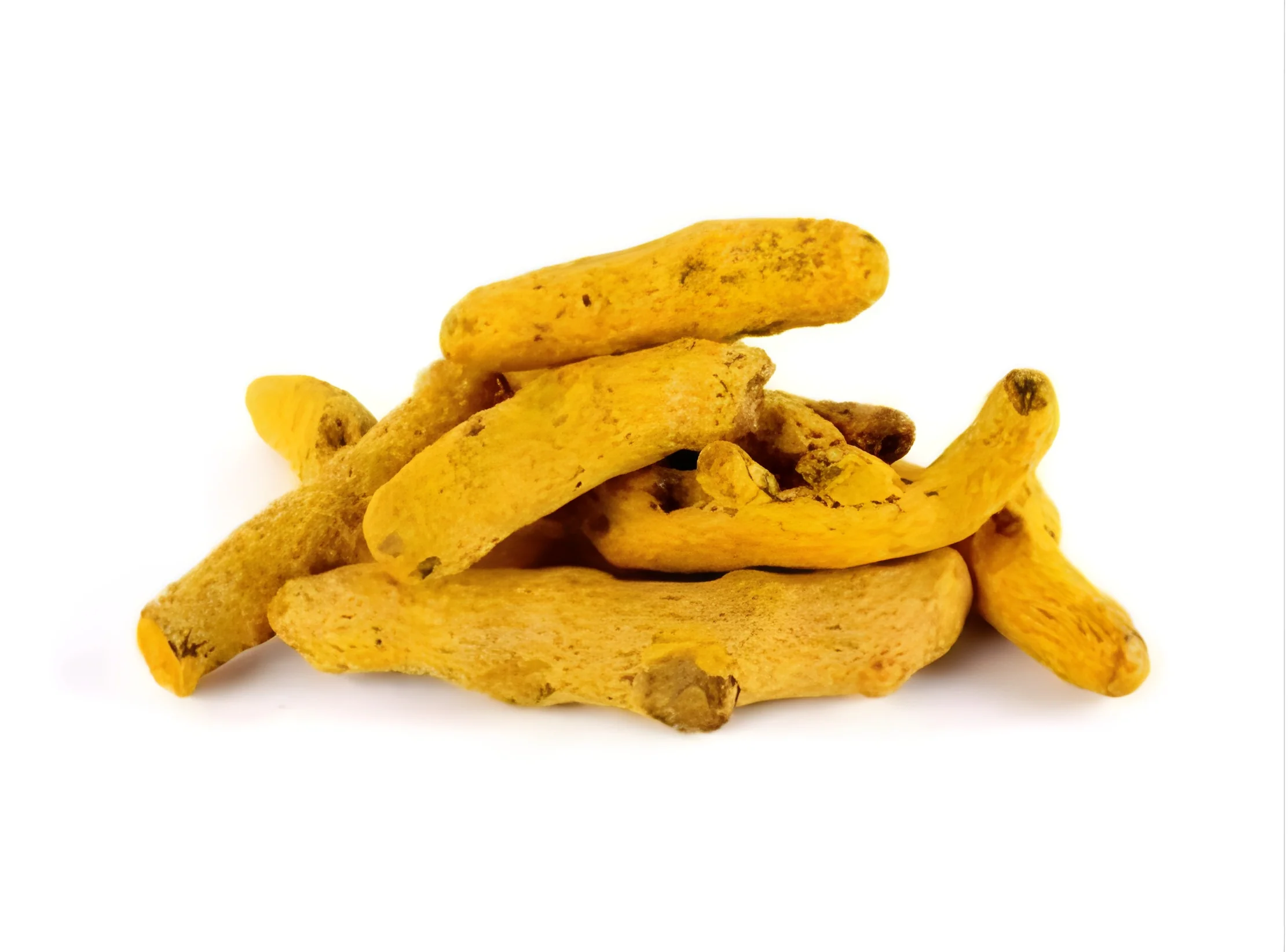
Key Features and Specifications
Natural Food Colors (Turmeric, Beetroot) come with various features that make them suitable for different applications in the food industry. Understanding these specifications is essential for businesses looking to incorporate these colors into their products.
Key specifications include:
1. Color Intensity
- The depth of color can vary depending on the concentration.
- Typical ranges for beetroot can be from deep red to light pink.
2. Solubility
- Both turmeric and beetroot colors exhibit different solubility properties.
- Turmeric is more soluble in oil, while beetroot can dissolve in water.
3. pH Stability
- These colors can have varying stability across different pH levels.
- Turmeric is stable in neutral to slightly alkaline conditions, while beetroot is more stable in acidic environments.
4. Shelf Life
- Natural food colors have a specific shelf life, influenced by storage conditions.
- Generally, they can last from 12 to 24 months if stored properly.
5. Regulatory Compliance
- These colors must meet specific food safety standards.
- Compliance with regulations like CE certification is essential.
6. Allergen Information
- Both turmeric and beetroot are free from common allergens.
- They are suitable for vegan and vegetarian diets.
7. Extraction Method
- Both colors can be produced through various extraction methods, including water and solvent extraction.
- The method affects the purity and intensity of the final product.
8. Concentration
- The concentration of active coloring compounds varies between batches.
- It is essential to adjust formulations based on the desired color outcome.
In summary, understanding these key features and specifications helps businesses select the right natural food color for their products and ensures compliance with industry standards.
Common Applications and Use Cases
Natural Food Colors (Turmeric, Beetroot) find usage across a diverse range of industries. Their versatility and natural origins make them an appealing choice for manufacturers.
1. Food and Beverage Industry: Natural food colors are widely utilized in beverages, dairy products, and snacks to enhance visual appeal while adhering to clean-label trends.
2. Bakery Products: They are commonly added to pastries and bread for aesthetic purposes, improving consumer attraction without compromising on health standards.
3. Confectionery: Candies and gummies benefit from natural colors to create vibrant products that appeal to children and health-conscious consumers alike.
4. Sauces and Dressings: These colors are utilized in sauces, dips, and dressings to provide a visually appealing product while maintaining a natural image.
5. Dietary Supplements: Turmeric is often included in health supplements for its potential health benefits, contributing both color and functional properties.
6. Meat Products: Natural colors are used in processed meats to enhance their appearance, aligning with consumer preferences for natural ingredients.
7. Cosmetics: Beyond food, beetroot is sometimes used in cosmetic formulations for its coloring properties, appealing to consumers seeking natural beauty products.
Product Variants and Subcategories
Natural Food Colors (Turmeric, Beetroot) can be diversified into several variants, catering to different needs in the market.
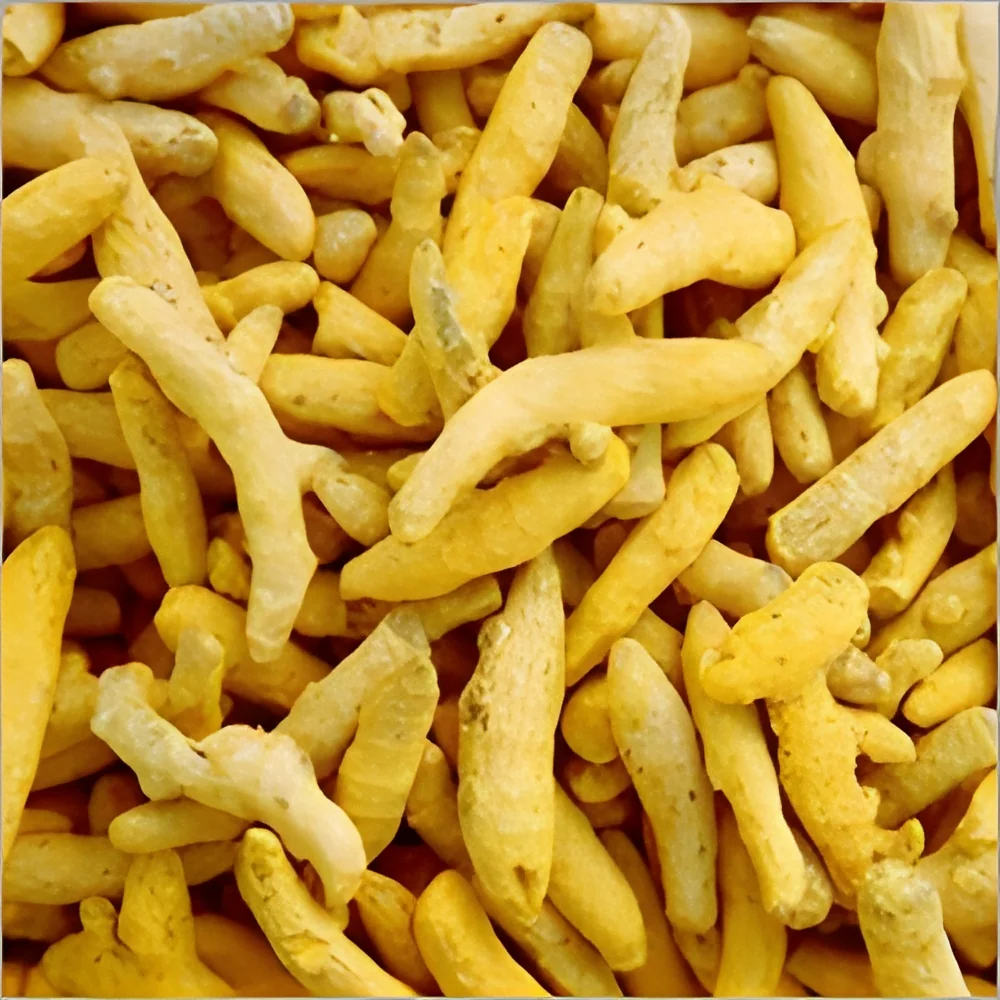
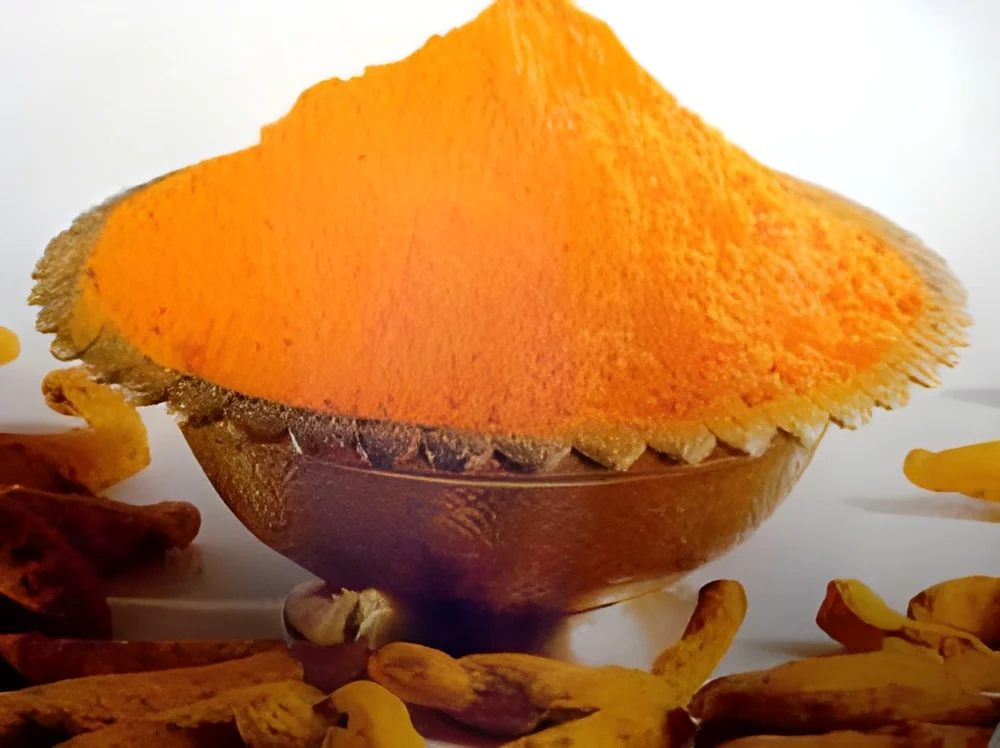
Turmeric Powder
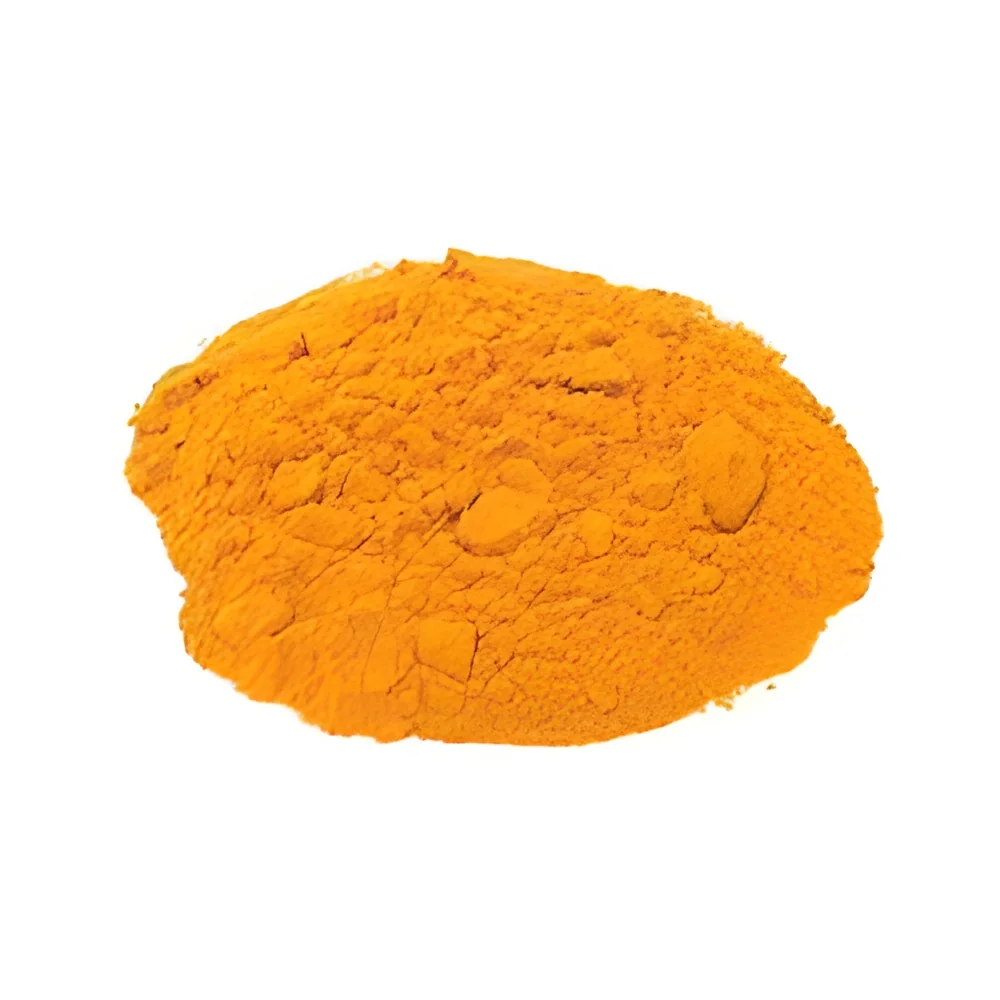
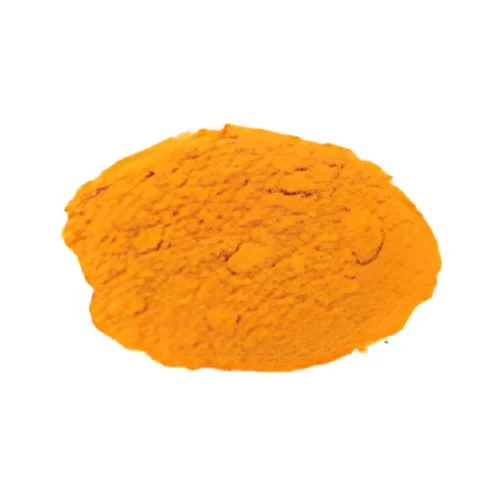
This variant is a finely ground form of turmeric used in various culinary applications. It offers a strong yellow color and is often used in curry powders, sauces, and as a natural food dye.
Beetroot Powder
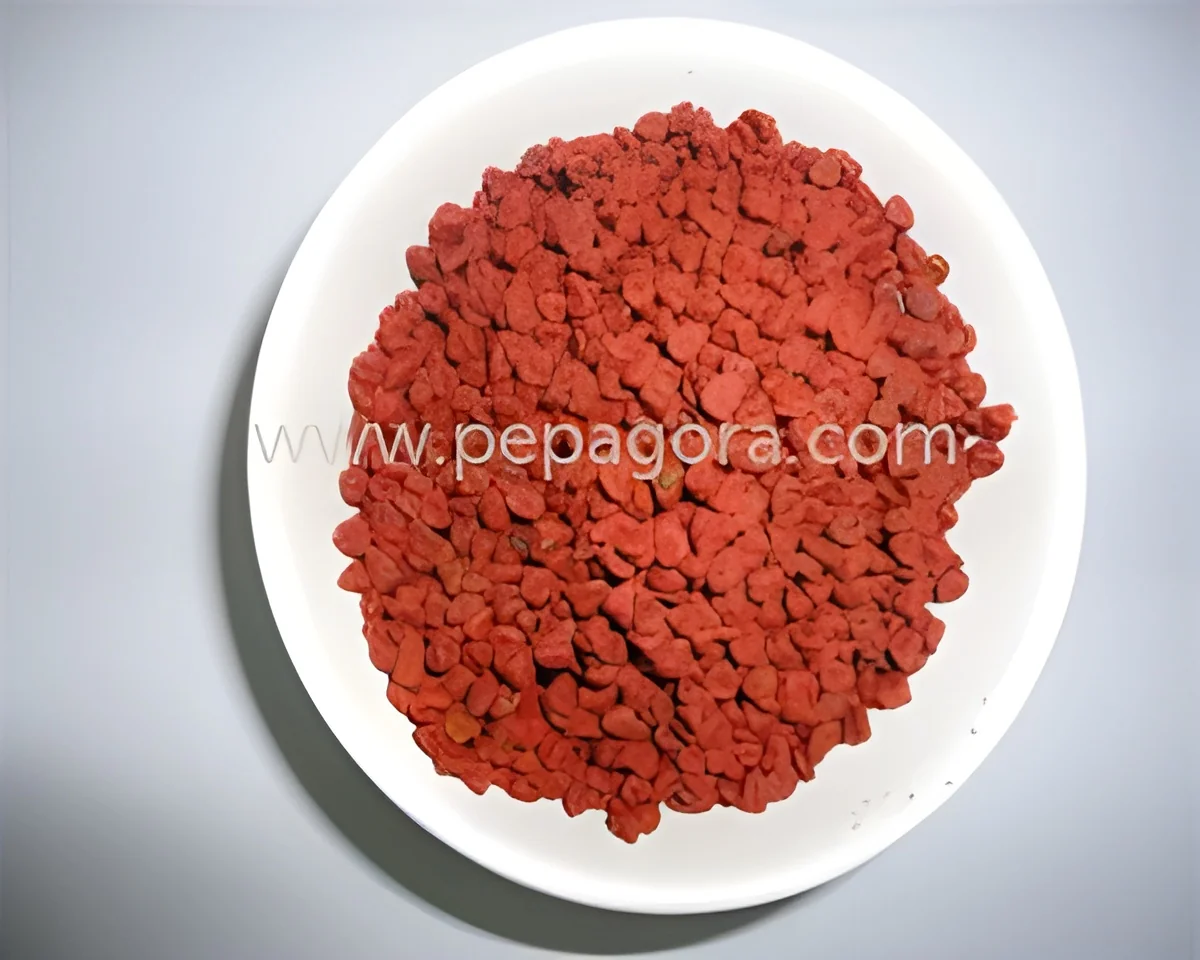
Beetroot powder is another variant that provides a vibrant red color. It is commonly used in smoothies, baked goods, and health foods, making it a popular choice for health-conscious consumers.
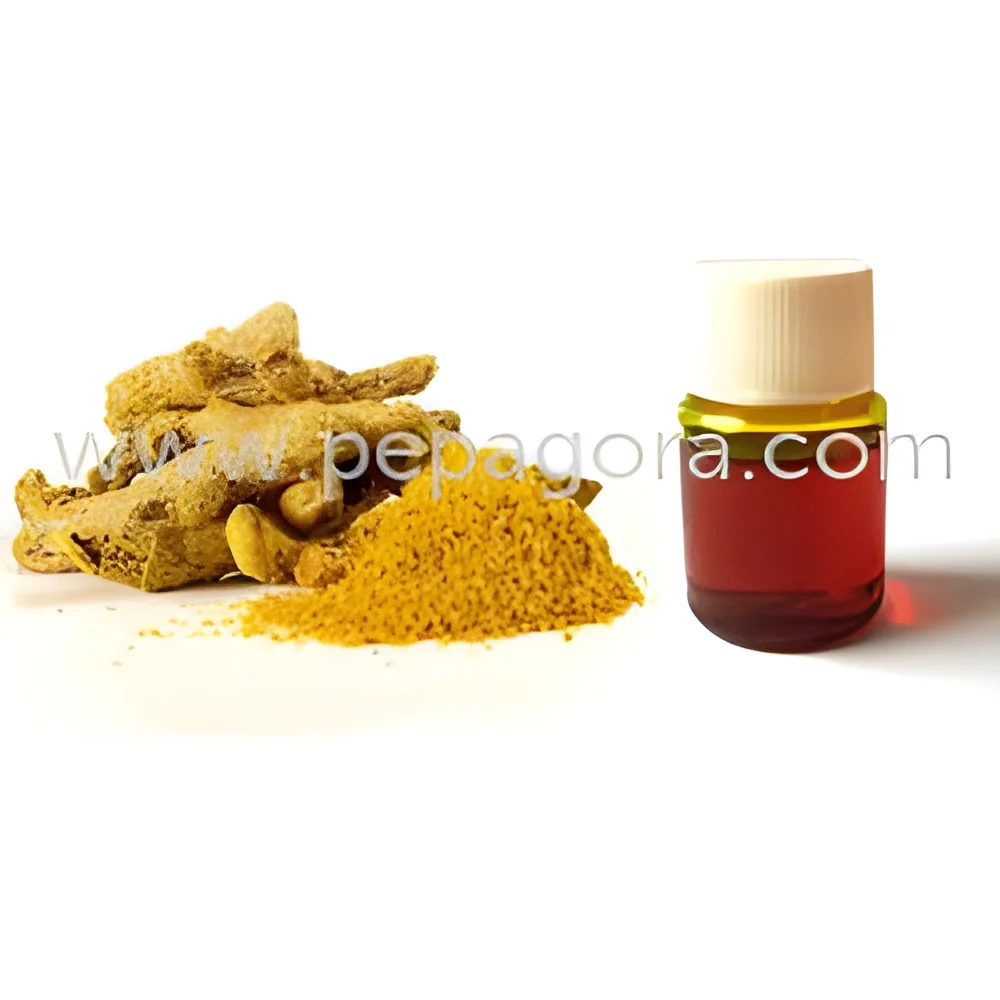
Liquid Extracts
Both turmeric and beetroot are available in liquid extract forms, allowing for easy incorporation into beverages and sauces. These extracts provide concentrated coloring and are ideal for manufacturers seeking ease of use.
Freeze-Dried Options
Freeze-dried turmeric and beetroot offer extended shelf life and maintain nutritional value. These options are typically used in snacks and meal replacements.
Benefits and Advantages
Natural Food Colors (Turmeric, Beetroot) present numerous benefits for manufacturers and consumers alike.
Key benefits include:
1. Health-Conscious Options: They provide a natural alternative to synthetic dyes, appealing to health-conscious consumers who prefer clean-label products.
2. Versatility: These colors can be used across various food and beverage applications, making them suitable for multiple industries.
3. Regulatory Compliance: Natural colors often meet stringent safety and quality standards, ensuring products are safe for consumption.
4. Aesthetic Appeal: They enhance the visual attractiveness of products, which can positively influence consumer purchasing decisions.
5. Nutritional Benefits: In addition to coloring, turmeric offers anti-inflammatory properties, while beetroot is rich in antioxidants, adding functional benefits to products.
6. Vegan and Allergen-Free: Natural food colors are suitable for vegan products and do not contain common allergens, making them safe for a broader audience.
Buying Guide for B2B Buyers
When sourcing Natural Food Colors (Turmeric, Beetroot), several factors should be considered to ensure quality and suitability for your products.
1. Quality Assessment: Evaluate the purity and concentration of the colors. Testing for contaminants and verifying the presence of active compounds is crucial for quality assurance.
2. Supplier Verification: Conduct thorough research on suppliers, checking their certifications and reputation in the industry to ensure reliability.
3. Pricing and MOQ: Understand the pricing structures and minimum order quantities (MOQ) offered by suppliers. This can significantly impact your procurement strategy.
4. Delivery and Lead Times: Consider logistics and delivery times when placing orders. Reliable suppliers should provide clear timelines for order fulfillment.
5. Compliance Requirements: Ensure the natural colors comply with regional and international food safety regulations. Familiarize yourself with necessary certifications such as CE.
Compliance and Certifications
Natural Food Colors (Turmeric, Beetroot) must adhere to various quality standards and certifications to ensure safety and efficacy. Key standards include ISO 9001, which ensures quality management systems are in place.
Additionally, adherence to HACCP principles is crucial for food safety management, providing a systematic approach to identifying and controlling food safety hazards.
These colors often require CE certification, indicating compliance with health, safety, and environmental protection standards within the European market.
Safety testing is also essential, ensuring that the colors do not contain harmful substances and are safe for consumption. Regional compliance considerations may vary, so it is vital to understand local regulations governing food additives and colors.
Why Source Natural Food Colors (Turmeric, Beetroot) from Pepagora?
Pepagora stands out as a trusted platform for sourcing Natural Food Colors (Turmeric, Beetroot), providing several key advantages for B2B buyers.
Verified Supplier Network: Pepagora connects businesses with a network of verified suppliers, ensuring that buyers have access to high-quality products that meet stringent safety standards.
Streamlined RFQ Process: The platform offers a streamlined Request for Quotation (RFQ) process, making it easy for buyers to obtain competitive quotes from multiple suppliers quickly.
Trade Assurance and Support: Pepagora provides trade assurance and support, protecting buyers throughout the procurement process and ensuring satisfactory outcomes.
Regional Coverage: With a geographic reach that includes India, the GCC, and Southeast Asia, Pepagora facilitates connections between buyers and suppliers across these regions, enhancing accessibility to Natural Food Colors.

 IN
IN