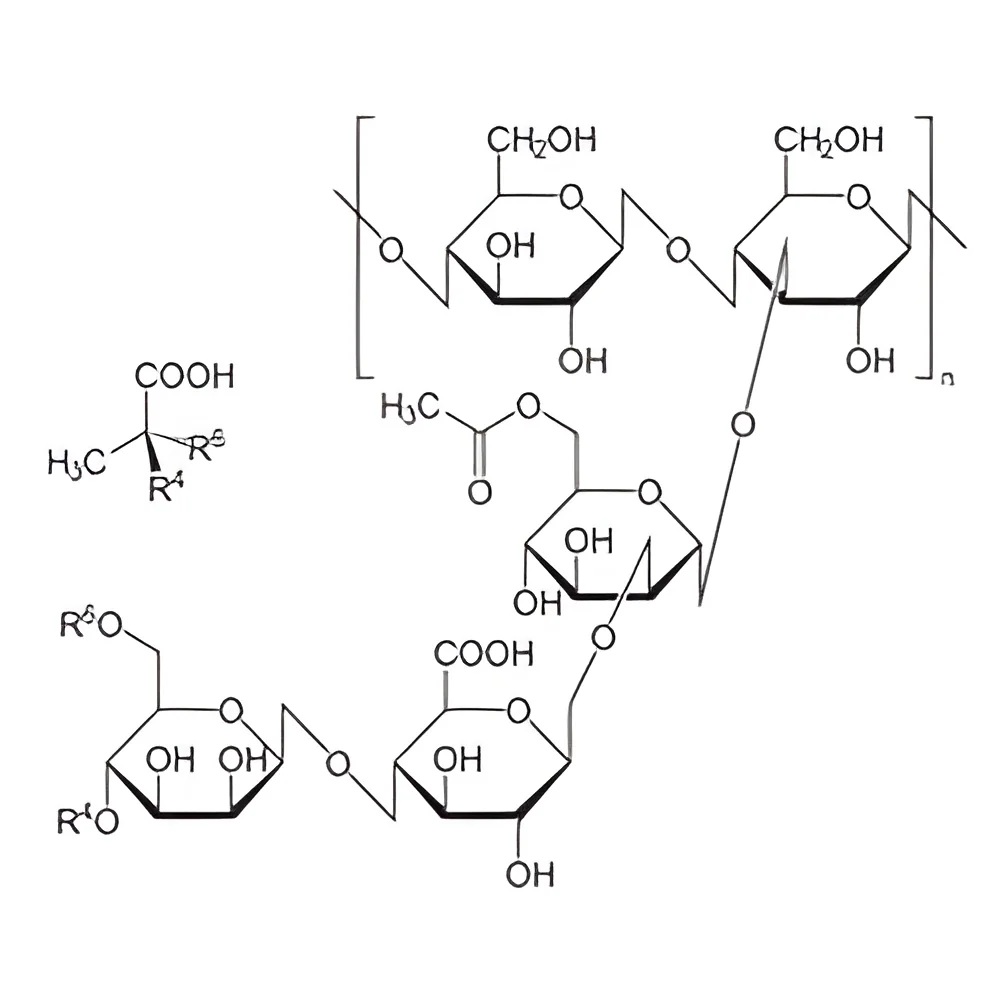
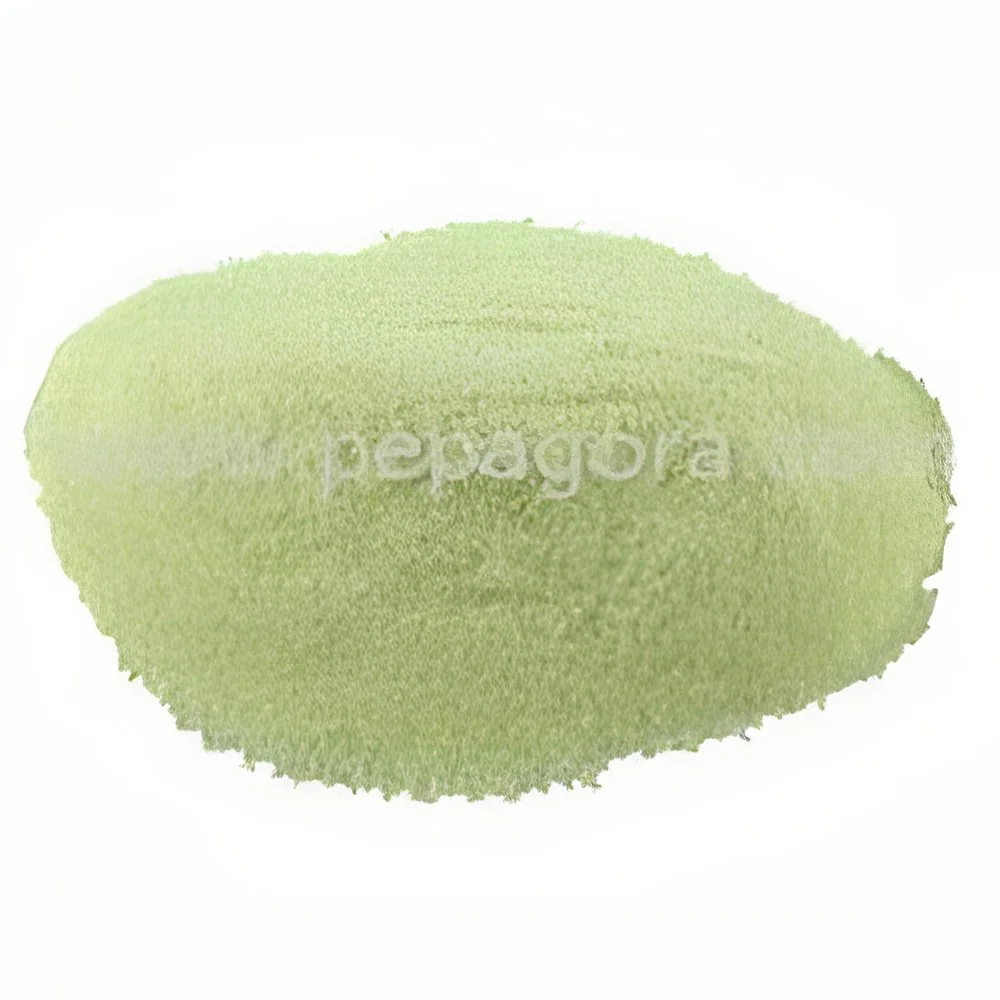
What are Xanthan Gum?
Xanthan gum is a polysaccharide that is produced through the fermentation of carbohydrates by the bacterium Xanthomonas campestris. This thickening agent is known for its ability to form a gel-like consistency when mixed with water, making it a popular choice in various food and industrial applications. Its unique properties include stability under extreme temperatures and pH levels, which enhances its versatility across multiple sectors.
In the food industry, xanthan gum is widely used as a thickener, stabilizer, and emulsifier. It is commonly found in salad dressings, sauces, and gluten-free baked goods, where it helps to improve texture and consistency. Beyond food production, xanthan gum has applications in pharmaceuticals, cosmetics, and industrial products, where it serves functions such as improving viscosity and enhancing the stability of emulsions. The growing demand for natural and gluten-free products has further solidified xanthan gum's relevance in the market.
Key Features and Specifications
Xanthan gum is characterized by several key features that make it an essential ingredient in various industries. Its ability to create viscosity and stabilize emulsions is a major reason for its widespread use. The product is available in various grades, tailored to meet specific industry requirements.
Key specifications include:
1. Viscosity
- Xanthan gum can achieve high viscosity levels even at low concentrations.
- Typical viscosity ranges from 100 to 2000 cP depending on the application.
2. Solubility
- It is readily soluble in both hot and cold water.
- The solubility is unaffected by the presence of salts or sugars.
3. pH Stability
- Xanthan gum maintains its thickening properties across a wide pH range.
- It is stable in acidic and alkaline environments.
4. Temperature Resistance
- This ingredient remains effective at both high and low temperatures.
- It can withstand temperatures up to 100 degrees Celsius without losing functionality.
5. Shelf Life
- Xanthan gum has a long shelf life when stored properly.
- Generally, it can last for several years under optimal conditions.
6. Compliance with Food Safety Standards
- Xanthan gum is compliant with major food safety regulations.
- It is certified as GRAS (Generally Recognized as Safe) by the FDA.
In summary, xanthan gum is a versatile product with specific features that cater to various industrial applications, making it a vital ingredient for manufacturers.
Common Applications and Use Cases
Xanthan gum serves numerous industries due to its unique properties and functionality.
1. Food Industry: Xanthan gum is extensively used in food products as a thickening and stabilizing agent. It enhances the texture of sauces, dressings, and gluten-free baked goods, ensuring consistent quality.
2. Pharmaceuticals: In the pharmaceutical sector, xanthan gum is utilized as an excipient in formulations, helping to control the viscosity of liquid medications and improve stability in topical creams.
3. Cosmetics: Xanthan gum is a common ingredient in cosmetic products, where it acts as a thickener and stabilizer in lotions, creams, and gels, contributing to a desirable texture.
4. Oil and Gas: In this industry, xanthan gum is used in drilling fluids and fracturing fluids to help enhance the viscosity and stability of the solutions, ensuring efficient drilling operations.
5. Personal Care Products: Xanthan gum is found in various personal care products, including shampoos and conditioners, where it helps to improve product texture and stability.
6. Agriculture: In agricultural applications, xanthan gum is used as a thickening agent in pesticides and herbicides, improving adherence to plant surfaces.
7. Construction: Xanthan gum is also used in construction materials, such as cement and mortar, to enhance workability and consistency.
Product Variants and Subcategories
Xanthan gum offers diversity across its formulations to cater to different industrial needs.
Food Grade Xanthan Gum: This variant is specifically designed for food applications, meeting stringent safety and quality standards. It enhances the texture and stability of various food products while ensuring compliance with food safety regulations.
Industrial Grade Xanthan Gum: This variant is formulated for use in non-food applications, such as oil drilling and construction. It provides excellent thickening and stabilizing properties for industrial formulations.
Pharmaceutical Grade Xanthan Gum: Tailored for use in the pharmaceutical sector, this variant meets specific regulatory requirements and is utilized in various drug formulations to ensure consistency and stability.
Benefits and Advantages
Xanthan gum offers numerous benefits that make it an attractive choice for various applications.
1. Versatility: Xanthan gum can be used across a wide range of industries, from food to pharmaceuticals, due to its unique properties.
2. Improved Texture: It enhances the mouthfeel and consistency of food products, making them more appealing to consumers.
3. Stability: Xanthan gum maintains its properties under varying temperatures and pH levels, ensuring consistent performance.
4. Natural Ingredient: As a natural product, xanthan gum appeals to the growing consumer demand for clean label and gluten-free options.
5. Cost-Effectiveness: Its effectiveness at low concentrations means that less product is needed, leading to cost savings in formulations.
6. Easy to Use: Xanthan gum is simple to incorporate into formulations, whether in powdered or liquid form, making it convenient for manufacturers.
Buying Guide for B2B Buyers
When sourcing xanthan gum, it is important to consider several key factors to ensure quality and reliability.
1. Quality Assessment: Evaluate the quality of xanthan gum by reviewing product specifications, certifications, and testing results. Look for suppliers who adhere to industry standards.
2. Supplier Verification: Vet potential suppliers by checking their reputation, customer reviews, and compliance with regulatory standards. Ensure they have a proven track record in the industry.
3. Pricing and MOQ: Understand the pricing structure and minimum order quantities (MOQ) required by suppliers. Compare costs among different suppliers to find the best value.
4. Delivery and Lead Times: Discuss logistics with suppliers to clarify delivery timelines and shipping methods. Timely delivery is crucial for maintaining production schedules.
5. Compliance Requirements: Ensure that the xanthan gum meets all relevant regulatory and safety standards. Verify certifications like CE and compliance with local regulations.
Compliance and Certifications
Xanthan gum is subject to various quality standards and certifications, ensuring its safety and efficacy for use in different applications.
Relevant quality standards include ISO 9001, which focuses on quality management systems, ensuring that manufacturers maintain high levels of quality in their products. Additionally, compliance with Hazard Analysis and Critical Control Points (HACCP) is essential in the food industry, as it helps to identify and mitigate potential hazards in food production.
Industry certifications, such as CE marking, indicate that the product meets European health, safety, and environmental protection standards. Safety and testing requirements are also crucial, as xanthan gum must undergo rigorous testing to ensure its suitability for consumption and industrial use.
Regional compliance considerations may vary, so it is important for manufacturers and suppliers to stay informed about the regulations specific to their target markets.
Why Source Xanthan Gum from Pepagora?
Pepagora provides a trusted platform for sourcing xanthan gum, offering several key advantages to B2B buyers.
Verified Supplier Network: Pepagora connects buyers with a network of verified suppliers, ensuring that they can source high-quality xanthan gum from reputable manufacturers. This verification process helps to mitigate risks associated with sourcing.
Streamlined RFQ Process: The platform features a streamlined request for quotation (RFQ) process, allowing buyers to easily request quotes from multiple suppliers. This efficient system helps buyers to compare prices and terms quickly.
Trade Assurance and Support: Buyers benefit from trade assurance programs that protect their orders and investments. Pepagora offers support throughout the sourcing process, ensuring that buyers have assistance when needed.
Regional Coverage: Pepagora has a broad geographic reach, serving markets in India, the GCC, and Southeast Asia. This extensive coverage allows buyers to connect with suppliers that are locally available, enhancing logistical efficiency.

 IN
IN