What are Fruit & Nut Flavors?
Fruit and nut flavors are concentrated taste profiles derived from various fruits and nuts. These flavors can be natural or artificial and are used to enhance the sensory experience of food and beverage products. They provide unique taste characteristics that can mimic the actual fruits and nuts or offer a more intense flavor experience. The formulation of fruit and nut flavors typically involves the extraction of essential oils, essences, and compounds that give each flavor its distinct profile.
These flavors have a wide range of applications across numerous industries. They are commonly used in the food and beverage sector, particularly in snacks, desserts, beverages, and sauces. Businesses leverage fruit and nut flavors to create innovative products that meet consumer preferences for taste and health. The growing trend towards natural and organic products has further increased the demand for authentic fruit and nut flavors in the market. As consumers become more health-conscious, the relevance of these flavors in creating appealing yet nutritious offerings continues to rise.
Key Features and Specifications
Fruit and nut flavors are characterized by several key features that ensure their effectiveness and versatility in various applications. Understanding these specifications is crucial for businesses when selecting the right flavors for their products.
Key specifications include:
1. Flavor Profile
- Wide range of taste options, from sweet to savory
- Customizable to meet specific product requirements
2. Concentration Levels
- Available in different intensities to suit various formulations
- Concentration can affect flavor impact and application
3. Natural and Artificial Options
- Both natural and synthetic flavors available
- Natural options often preferred for clean label products
4. Solubility
- Compatibility with water, oil, or alcohol-based products
- Affecting the usage in beverages, baked goods, and confections
5. Shelf Stability
- Formulated to maintain flavor integrity over time
- Resistance to degradation due to temperature and light
6. Regulatory Compliance
- Must meet food safety and labeling regulations
- Compliance with standards like CE certification
7. Packaging Options
- Available in bulk or smaller quantities for different business needs
- Ensures ease of use and storage
In summary, the features and specifications of fruit and nut flavors are designed to provide flexibility and quality for a range of industrial applications.
Common Applications and Use Cases
Fruit and nut flavors find extensive applications across various sectors, enhancing the taste of countless products.
1. Food Manufacturing: Used in creating snacks, cereals, and baked goods, fruit and nut flavors add appealing taste and aroma, making products more enticing to consumers.
2. Beverage Industry: These flavors are essential in soft drinks, juices, and alcoholic beverages, providing distinct flavors that enhance consumer enjoyment and satisfaction.
3. Confectionery: In candies and chocolates, fruit and nut flavors create unique taste combinations that appeal to a wide audience, enhancing product differentiation.
4. Dairy Products: Yogurts, ice creams, and cheese products often utilize fruit and nut flavors to develop innovative and flavorful options that attract health-conscious consumers.
5. Health and Wellness Products: Used in protein bars and dietary supplements, these flavors help mask undesirable tastes while promoting healthy eating habits.
6. Sauces and Dressings: Fruit flavors can enhance the taste of marinades, dressings, and sauces, offering a unique twist that appeals to gourmet food enthusiasts.
7. Baking Mixes: Added to cake and muffin mixes, fruit and nut flavors provide a fresh and homemade taste, appealing to consumers looking for convenience without compromising quality.
Product Variants and Subcategories
Fruit and nut flavors come in diverse variants, allowing businesses to choose options that best align with their product goals.
Citrus Flavor Variant
This variant includes flavors like orange, lemon, and lime. It offers a refreshing taste and is commonly used in beverages and desserts to evoke a sense of brightness.
Berry Flavor Variant
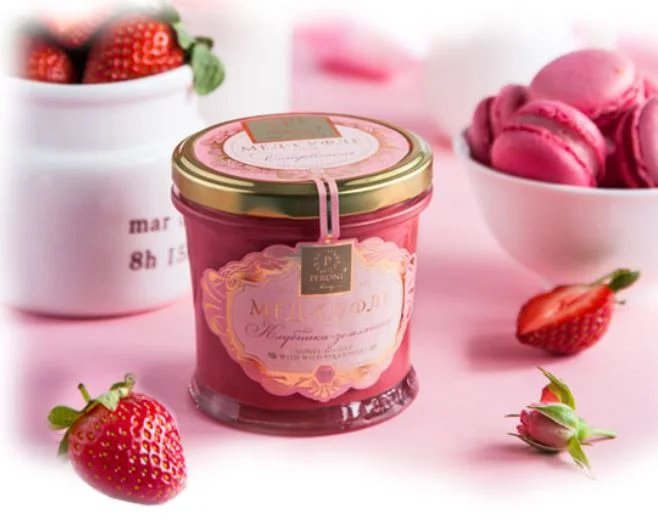
Featuring flavors like strawberry, raspberry, and blueberry, this variant is popular in frozen desserts and snacks, providing a sweet and tangy profile that appeals to consumers.
Nut Flavor Variant
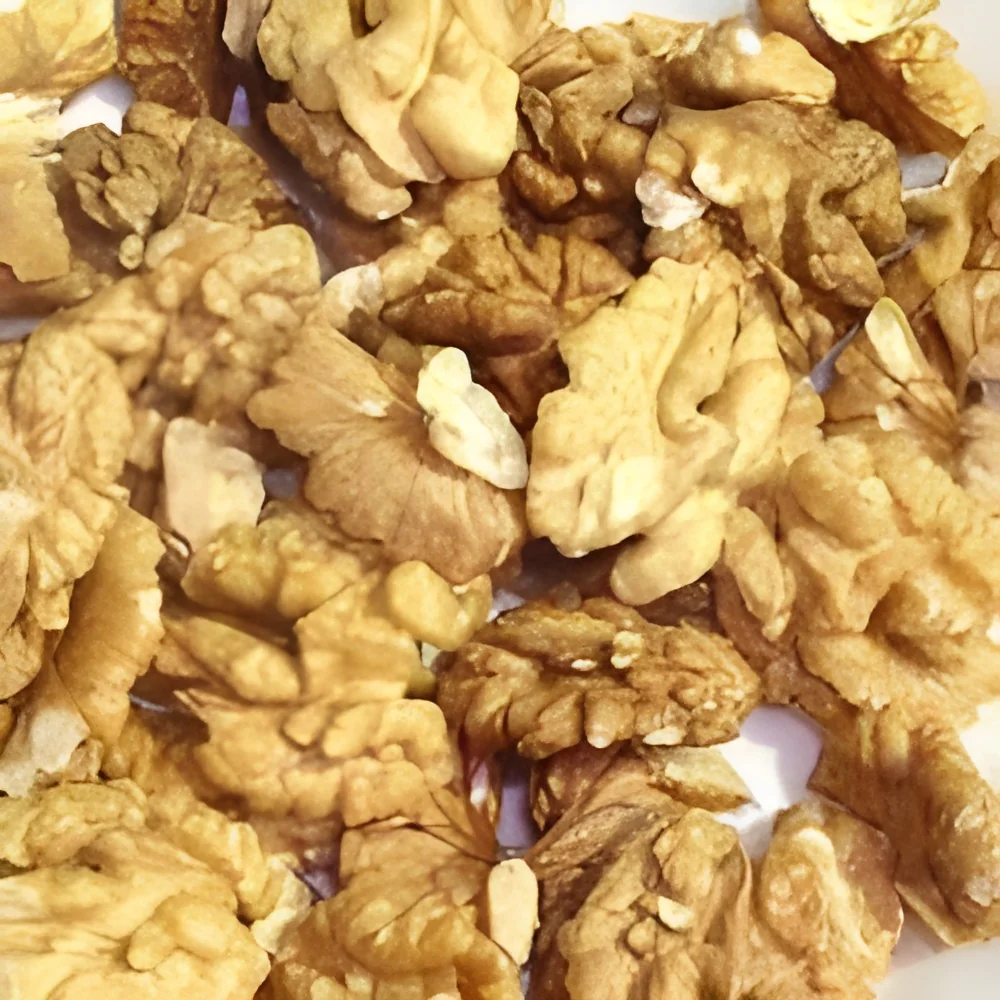
Options such as almond, hazelnut, and walnut flavors are ideal for confectionery and baked goods. They add richness and depth, enhancing the overall taste experience.
Tropical Flavor Variant
Flavors like mango, pineapple, and coconut are used in a variety of products. They evoke exotic tastes and are particularly popular in summer-themed beverages and desserts.
Spice Flavor Variant
Combining fruit with spice, this variant includes flavors like cinnamon apple or spiced pear. It adds complexity to products like sauces and baked goods, appealing to adventurous eaters.
Benefits and Advantages
Sourcing fruit and nut flavors offers several advantages for businesses looking to enhance their product offerings.
1. Unique Taste Enhancement: These flavors provide distinctive taste profiles that can differentiate products in a competitive market.
2. Versatility in Applications: Suitable for a wide range of products, fruit and nut flavors can be used in various sectors, from food and beverages to health supplements.
3. Consumer Appeal: With growing demand for natural ingredients, these flavors can help meet consumer preferences for clean and recognizable labels.
4. Innovation Opportunities: The variety of flavors available allows brands to experiment and create new products that resonate with evolving consumer trends.
5. Cost-Effectiveness: Utilizing concentrated flavors can reduce costs associated with using whole fruits or nuts while still delivering impactful taste.
6. Quality Consistency: Reliable suppliers ensure that fruit and nut flavors maintain consistent quality and flavor profiles across batches, aiding in brand reputation.
Buying Guide for B2B Buyers
When sourcing fruit and nut flavors, businesses should consider several key factors to ensure they make informed decisions.
1. Quality Assessment: Evaluate flavor quality by requesting samples and conducting taste tests. Consider consistency in flavor and aroma across products.
2. Supplier Verification: Vet suppliers for their reputation, production practices, and compliance with safety standards. Look for certifications that demonstrate reliability.
3. Pricing and MOQ: Understand the pricing structure and minimum order quantities (MOQ) required by suppliers. This helps in budgeting and aligning with production needs.
4. Delivery and Lead Times: Confirm the supplier's delivery capabilities and lead times to ensure timely receipt of flavors for production schedules.
5. Compliance Requirements: Check for compliance with food safety regulations and industry standards. Ensure that the flavors meet labeling requirements and certification needs.
Compliance and Certifications
Fruit and nut flavors must adhere to various quality standards and regulations to ensure safety and efficacy in food applications. Compliance with ISO 9001 standards ensures that suppliers maintain effective quality management systems. HACCP guidelines are critical for identifying and controlling potential hazards in food production.
Additionally, products often require CE certification, indicating conformity with health, safety, and environmental protection standards within the European Economic Area. Adhering to safety and testing requirements is essential to mitigate risks associated with food consumption.
Regional considerations also play a role in compliance. Different countries may have specific regulations regarding flavoring agents, necessitating awareness of local laws to ensure full compliance.
Why Source Fruit & Nut Flavors from Pepagora?
Pepagora offers a reliable platform for businesses seeking fruit and nut flavors, backed by several advantages that streamline the sourcing process.
Verified Supplier Network: Pepagora connects buyers with a network of verified suppliers, ensuring that they can source high-quality flavors from reputable sources. This reduces the risk associated with supplier selection.
Streamlined RFQ Process: The request for quotation (RFQ) system allows buyers to quickly and efficiently obtain quotes from multiple suppliers. This enhances competitiveness and helps businesses make informed purchasing decisions.
Trade Assurance and Support: Buyers are protected through trade assurance programs, ensuring that they receive products as promised. Customer support is available to resolve any issues that may arise during the sourcing process.
Regional Coverage: Pepagora's geographical reach extends across India, the GCC, and Southeast Asia, providing businesses with access to a broad array of suppliers and flavors tailored to regional preferences and market demands.

 IN
IN