
 IN
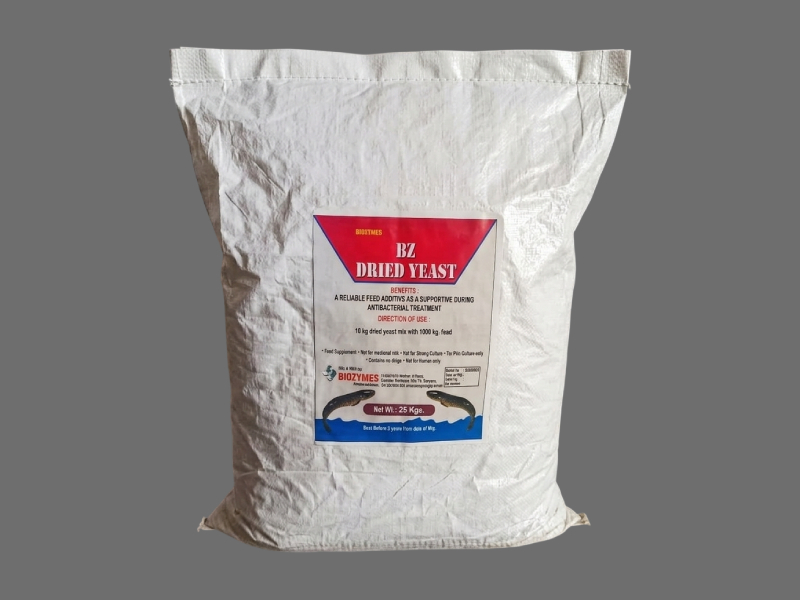
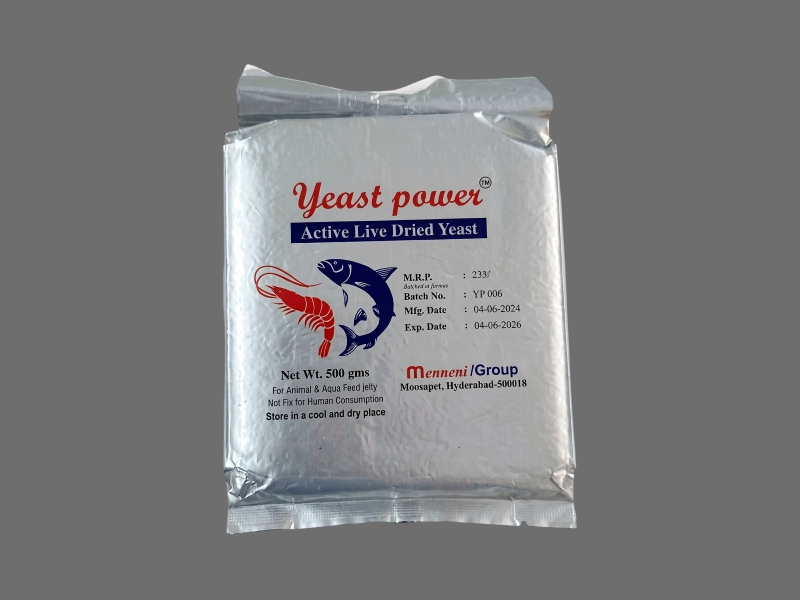
INYeast (Dry/Instant)
4 products available
Key Features and Specifications
Yeast (Dry/Instant) is characterized by several key features that make it suitable for various applications. Understanding these specifications is crucial for selecting the right product for specific needs.
Key specifications include:
1. Shelf Life
- Typically ranges from 12 to 24 months when stored properly
- Requires cool and dry storage conditions
2. Activation Temperature
- Ideal activation temperature is between 100°F to 110°F (37°C to 43°C)
- High temperatures can kill the yeast, while low temperatures may slow its activity
3. Moisture Content
- Generally contains less than 8% moisture
- Lower moisture content enhances shelf stability
4. Fermentation Rate
- Fast fermentation rates suitable for quick-rise doughs
- Varies based on yeast strain and environmental conditions
5. Particle Size
- Available in different granule sizes for various applications
- Smaller particles tend to dissolve more quickly in liquids
6. Viability
- High percentage of viable cells ensures effective fermentation
- Typically tested to maintain at least 90% viability at the time of packaging
7. Nutritional Content
- Contains vitamins, proteins, and minerals beneficial for health
- Often used as a nutritional supplement in food products
8. Packaging Options
- Available in bulk, sachets, or jars to suit different business needs
- Packaging designed to protect from moisture and contamination
The specifications of dry yeast are essential for ensuring optimal performance in various applications. By understanding these features, businesses can make informed decisions when purchasing yeast for their operations.
Common Applications and Use Cases
Yeast (Dry/Instant) is a versatile product utilized across numerous industries. Its applications are critical for various manufacturing processes.
1. Baking Industry: Dry yeast is extensively used in bread and pastry production. It helps dough rise and contributes to flavor development.
2. Brewing Industry: In beer production, dry yeast plays a vital role in fermentation, converting sugars into alcohol and carbon dioxide.
3. Winemaking: Yeast is essential in the fermentation process of wine, where it converts grape sugars into alcohol, enhancing flavor and aroma.
4. Food Processing: Used in the production of baked goods, snacks, and confectionery items, ensuring consistent quality and texture.
5. Animal Feed: Yeast is included in animal feed formulations to improve nutritional value and support animal health.
6. Biofuel Production: Yeast is utilized in the fermentation of biomass to produce bioethanol, contributing to renewable energy solutions.
7. Nutraceuticals: Dry yeast is used in dietary supplements for its health benefits, including probiotics and vitamins.
The diverse applications of dry yeast make it an integral component across multiple sectors, highlighting its importance in modern manufacturing.
Product Variants and Subcategories
Yeast (Dry/Instant) comes in various forms to meet different consumer needs. These variants are tailored for specific applications and performance requirements.
Active Dry Yeast: This is the most common form of dry yeast. It requires activation in warm water before use. It is ideal for general baking purposes and provides consistent results.
Instant Yeast: This variant can be mixed directly with dry ingredients without prior activation. It offers quicker fermentation and is preferred for high-speed baking processes.
Rapid-Rise Yeast: Designed for recipes that require a faster rise, this yeast is perfect for making quick bread and pizza dough. It is formulated to work efficiently with minimal waiting time.
Nutritional Yeast: This deactivated yeast is rich in nutrients and is often used as a dietary supplement. It provides a cheesy flavor and is popular among vegans and health-conscious consumers.
Organic Yeast: Sourced from organic ingredients, this variant caters to the growing market for organic products. It is free from synthetic additives and preservatives.
Benefits and Advantages
Choosing Yeast (Dry/Instant) offers numerous benefits for manufacturers and processors. These advantages can significantly impact production efficiency and product quality.
Key benefits include:
1. Convenience: Easy to store and use, dry yeast simplifies the fermentation process for manufacturers.
2. Longer Shelf Life: With appropriate storage, dry yeast maintains its potency for extended periods, reducing waste and loss.
3. Consistent Performance: Provides reliable fermentation results, ensuring uniformity in product quality across batches.
4. Versatility: Suitable for a wide range of applications, from baking to brewing, making it an essential ingredient in various industries.
5. Cost-Effectiveness: Generally more affordable than fresh yeast, dry yeast offers a budget-friendly solution for businesses.
6. Nutritional Value: Enriches products with essential nutrients, enhancing the overall health benefits of the final goods.
Buying Guide for B2B Buyers
When sourcing Yeast (Dry/Instant), several factors should be taken into account to ensure optimal selection and procurement.
1. Quality Assessment: Evaluate yeast quality by checking viability, shelf life, and performance specifications. Reliable suppliers will provide detailed quality assurance documentation.
2. Supplier Verification: It is important to vet suppliers for reliability and reputation. Look for established vendors with positive reviews and certifications.
3. Pricing and MOQ: Understand the pricing structure and minimum order quantities. Compare offers from different suppliers to ensure competitive pricing.
4. Delivery and Lead Times: Consider logistics and delivery times. Ensure that suppliers can meet your operational needs without delays.
5. Compliance Requirements: Familiarize yourself with regulatory standards relevant to your industry. Ensure that the yeast complies with local and international safety and quality standards.
Compliance and Certifications
Yeast (Dry/Instant) is subject to various quality standards and certifications that ensure safety and efficacy. These standards are crucial for maintaining product integrity throughout the supply chain.
ISO 9001 is a key quality management standard that applies to manufacturers of yeast. Compliance with ISO standards indicates consistent quality in production processes.
HACCP (Hazard Analysis Critical Control Point) is a systematic approach to food safety that is particularly relevant for yeast suppliers. It ensures that products are safe for consumption throughout the production cycle.
CE certification is important for products sold within the European market, confirming that the yeast meets safety and health requirements.
Safety and testing requirements must also be adhered to, including microbiological testing to ensure the absence of pathogens and contaminants.
Regional compliance considerations vary, so it is essential to understand local regulations regarding food production and safety to ensure compliance across different markets.
Why Source Yeast (Dry/Instant) from Pepagora?
Pepagora provides a trusted platform for sourcing Yeast (Dry/Instant) with several key advantages that benefit B2B buyers.
Verified Supplier Network: Pepagora offers a comprehensive network of verified suppliers, ensuring that buyers can access high-quality yeast products from reputable manufacturers.
Streamlined RFQ Process: The request for quotation process is efficient and user-friendly, enabling buyers to obtain competitive quotes quickly. This simplifies the procurement process and saves time.
Trade Assurance and Support: Pepagora provides trade assurance, protecting buyers from potential risks associated with purchasing. Support services are also available to assist buyers throughout the sourcing journey.
Regional Coverage: With a strong presence in India, the Gulf Cooperation Council (GCC), and Southeast Asia, Pepagora can facilitate sourcing across multiple regions, catering to diverse market needs.
Choosing Pepagora for Yeast (Dry/Instant) sourcing ensures that businesses receive quality products backed by a reliable supply chain and extensive support resources.

Frequently Asked Questions
What are Yeast (Dry/Instant)?
Yeast (Dry/Instant) refers to a type of leavening agent used in baking and fermentation processes. It is a dehydrated form of yeast that activates quickly when mixed with water and other ingredients, making it convenient for home bakers and industrial applications.
What are the different types of Yeast (Dry/Instant)?
The two primary types of Yeast (Dry/Instant) are Active Dry Yeast and Instant Yeast. Active Dry Yeast requires proofing before use, while Instant Yeast can be mixed directly into dry ingredients, allowing for a faster rise and more efficient baking process.
How do I choose the right Yeast (Dry/Instant)?
Choosing the right Yeast (Dry/Instant) depends on your specific baking needs. Consider factors such as the type of bread or pastry you are making, the desired rise time, and whether you prefer a faster-acting or traditional yeast option.
What are the standard specifications for Yeast (Dry/Instant)?
Standard specifications for Yeast (Dry/Instant) include moisture content, activity level, and granule size. Typically, the moisture content should be below 8%, and the yeast must meet specific activity levels to ensure proper fermentation and leavening.
What is the price range for Yeast (Dry/Instant)?
The price range for Yeast (Dry/Instant) can vary based on brand, packaging size, and supplier. Generally, prices can range from INR 100 to INR 500 per kilogram, depending on the quality and type of yeast.
What quality standards apply to Yeast (Dry/Instant)?
Quality standards for Yeast (Dry/Instant) typically include compliance with food safety regulations and certifications such as ISO and HACCP. Manufacturers must ensure that their products are free from contaminants and meet the required potency for optimal performance.
Where can I find Yeast (Dry/Instant) suppliers in India?
You can find Yeast (Dry/Instant) suppliers in India through online B2B marketplaces like Pepagora.com. These platforms list various manufacturers and wholesalers, allowing you to compare prices and quality before making a purchase.
Can Yeast (Dry/Instant) be customized?
Yes, some manufacturers may offer customization options for Yeast (Dry/Instant), such as specific activity levels or packaging sizes. It's advisable to contact suppliers directly to discuss any customization requirements you may have.
What is the typical minimum order quantity for Yeast (Dry/Instant)?
The typical minimum order quantity (MOQ) for Yeast (Dry/Instant) can vary among suppliers, but it generally ranges from 1 kg to 25 kg. Larger orders may be required for bulk purchases, depending on the supplier's policies.
What is the typical lead time for Yeast (Dry/Instant)?
The typical lead time for Yeast (Dry/Instant) orders can range from 3 to 14 days, depending on the supplier's inventory and production capabilities. It is advisable to confirm the lead time with your supplier when placing an order.
Why Businesses Trust Pepagora
Thousands of companies trust Pepagora to source smarter and sell faster
Expand Your Sales Globally

Source Smarter,Grow Faster
