
 IN
Steering Knuckles
8 products available
What are Steering Knuckles?
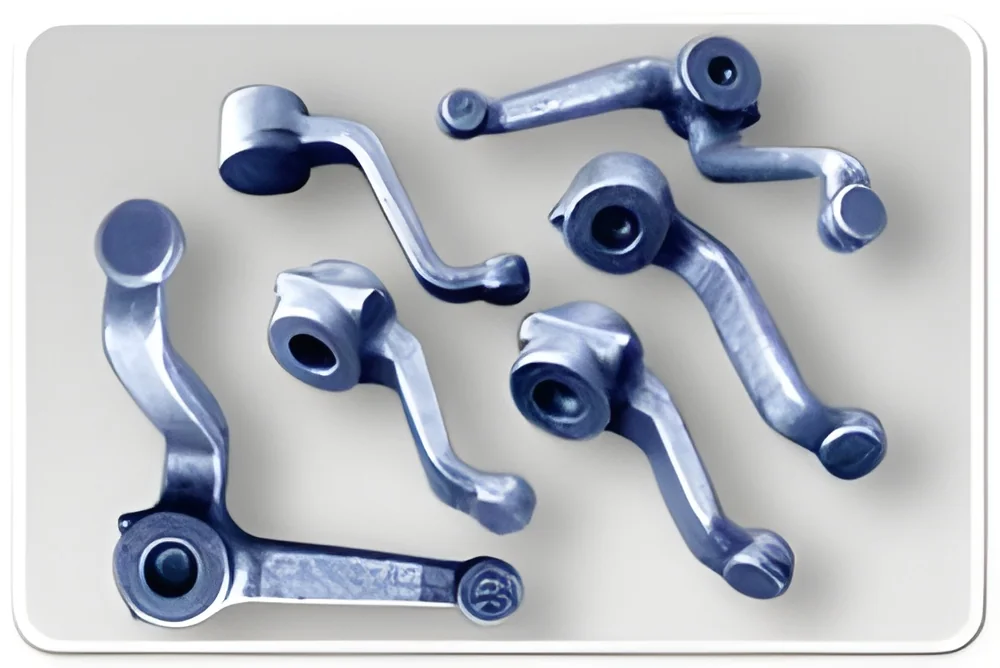
Steering knuckles are crucial components in a vehicle's steering system. They serve as a connection point between the wheel assembly and the suspension system, allowing for proper steering control and stability. Typically made from durable materials like cast iron or aluminum, steering knuckles are designed to withstand significant stresses and forces encountered during vehicle operation.
These components are primarily used in automotive applications, including passenger vehicles, trucks, and heavy-duty equipment. In addition to their role in steering, steering knuckles also house various elements such as wheel bearings and brake components, making them integral to the overall performance and safety of the vehicle. The demand for steering knuckles is closely tied to the automotive industry's growth, innovations in vehicle design, and trends toward enhanced vehicle safety and performance.
Key Features and Specifications
Steering knuckles come with a range of features and specifications that define their performance and compatibility. Understanding these specifications is essential for manufacturers and suppliers in the automotive sector.
Key specifications include:
1. Material Composition
- Typically constructed from cast iron or aluminum
- Provides strength and durability under stress
2. Weight Capacity
- Designed to support specific weight limits
- Varies depending on vehicle type and application
3. Compatibility
- Must match specific vehicle models and makes
- Ensures proper fit and functionality
4. Finish Type
- Available in various finishes, including coated and uncoated
- Affects corrosion resistance and aesthetic appeal
5. Pivot Point Design
- Varies in configuration for different steering systems
- Influences steering performance and response
6. Brake Component Integration
- Often includes mounts for brake calipers
- Enhances overall braking performance
7. Quality Standards
- Adheres to industry standards for safety and reliability
- Ensures consistent performance across applications
8. Supplier Certifications
- Some manufacturers may possess specific certifications like CE
- Indicates compliance with industry regulations
In summary, steering knuckles are designed to meet various specifications that impact their functionality and integration within vehicle systems.
Common Applications and Use Cases
Steering knuckles are utilized in a variety of industries beyond traditional automotive applications.
1. Automotive Industry: Steering knuckles are fundamental components in passenger cars, trucks, and SUVs, ensuring effective steering response and vehicle stability.
2. Heavy Machinery: In construction and agricultural vehicles, steering knuckles facilitate maneuverability and control, allowing for efficient operation in challenging environments.
3. Motorsports: High-performance vehicles in racing require specialized steering knuckles that can withstand extreme forces while providing precise handling.
4. Electric Vehicles: As the market for electric vehicles grows, steering knuckles adapted for electric drivetrains are becoming increasingly important for efficiency and performance.
5. Aftermarket Replacement: The aftermarket sector often requires steering knuckles for vehicle repairs and upgrades, highlighting the importance of quality and compatibility.
6. Commercial Vehicles: Trucks and buses utilize robust steering knuckles to ensure safety and reliability in transporting goods and passengers.
7. Recreational Vehicles: Off-road and recreational vehicles rely on steering knuckles to navigate rough terrains, emphasizing durability and performance.
Product Variants and Subcategories
Steering knuckles come in various forms to meet the specific needs of different vehicles and applications.
Standard Steering Knuckles
These are the most common type, designed for a wide range of passenger vehicles. They typically feature a standard pivot point and material composition, making them suitable for everyday use.
Performance Steering Knuckles
Engineered for enhanced handling and responsiveness, these variants are often found in racing and high-performance vehicles. They may include advanced materials and designs to improve strength and reduce weight.
Heavy-Duty Steering Knuckles
Designed for commercial and heavy machinery, these knuckles are built to withstand greater loads and stresses. Their robust construction ensures reliability in demanding applications.
Benefits and Advantages
Steering knuckles offer several key benefits that make them essential for vehicle performance and safety.
1. Enhanced Steering Control: Steering knuckles improve vehicle maneuverability, allowing for precise steering and handling.
2. Durability: Constructed from robust materials, steering knuckles are designed to endure significant forces and wear over time.
3. Safety Assurance: Properly functioning steering knuckles contribute to overall vehicle safety, reducing the risk of accidents caused by steering failures.
4. Improved Performance: High-quality steering knuckles can enhance vehicle performance, particularly in high-stress driving conditions.
5. Compatibility: With a variety of designs available, steering knuckles can be matched to specific vehicle models, ensuring a proper fit.
6. Easy Installation: Many steering knuckles are designed for straightforward installation, reducing downtime during vehicle repairs or upgrades.
Buying Guide for B2B Buyers
When sourcing steering knuckles, B2B buyers should consider several key factors to ensure they make informed decisions.
1. Quality Assessment: Buyers should evaluate the quality of steering knuckles based on material, construction standards, and manufacturer reputation to ensure reliability.
2. Supplier Verification: It is crucial to vet suppliers for their credibility, production capabilities, and compliance with industry standards to avoid potential issues.
3. Pricing and MOQ: Buyers should understand the pricing structure and minimum order quantities to ensure that they align with their budget and procurement strategies.
4. Delivery and Lead Times: Assessing delivery schedules and lead times is essential for planning inventory and ensuring timely project execution.
5. Compliance Requirements: Buyers must be aware of regulatory compliance requirements, including safety and environmental standards, to avoid legal complications.
Compliance and Certifications
Steering knuckles are subject to various quality standards and compliance regulations to ensure safety and performance.
Relevant quality standards include ISO 9001, which outlines requirements for a quality management system, ensuring that manufacturers meet customer and regulatory demands consistently. Additional industry certifications, such as CE, indicate compliance with European standards, enhancing product credibility in international markets.
Safety and testing requirements are critical for steering knuckles, as they undergo rigorous testing to verify their strength, durability, and functionality. Manufacturers often conduct tests to ensure that the components can withstand stresses encountered in real-world applications.
Regional compliance considerations are also important, as different regions may have specific regulations governing the manufacturing and sale of automotive components. Buyers should ensure that the products they source meet the necessary local regulations to facilitate smooth market entry.
Why Source Steering Knuckles from Pepagora?
Pepagora provides an efficient and reliable platform for sourcing steering knuckles, offering numerous advantages to B2B buyers.
Verified Supplier Network: Pepagora features a network of trusted suppliers, ensuring that buyers can source high-quality steering knuckles from established manufacturers. This verification process increases confidence in product quality and supplier reliability.
Streamlined RFQ Process: The platform simplifies the request for quotation (RFQ) process, allowing buyers to easily compare prices and specifications from multiple suppliers. This efficiency helps in making informed purchasing decisions.
Trade Assurance and Support: Pepagora offers trade assurance services, providing buyers with protection against potential risks associated with online transactions. This support enhances buyer confidence and security.
Regional Coverage: With a strong presence in India, the GCC, and Southeast Asia, Pepagora facilitates connections between buyers and suppliers across key markets. This broad geographic reach enables buyers to access a diverse range of products while fostering international trade relationships.

 India
 India
 India
 India
 India
 India
Frequently Asked Questions
What are Steering Knuckles?
Steering knuckles are crucial components of a vehicle's steering system, connecting the wheel hub to the suspension and allowing for precise steering control. They facilitate the pivoting motion of the wheels during turns and help maintain alignment.
What are the different types of Steering Knuckles?
There are various types of steering knuckles designed for different vehicle applications, including front steering knuckles and rear steering knuckles. Additionally, they can be categorized based on their design, such as forged, cast, or machined steering knuckles.
How do I choose the right Steering Knuckles?
To choose the right steering knuckles, consider the vehicle's make and model, as well as the specific suspension system in use. It's also important to assess the material quality, weight, and load-bearing capacity to ensure compatibility and performance.
What are the standard specifications for Steering Knuckles?
Standard specifications for steering knuckles typically include dimensions such as height, width, and weight, as well as material properties like tensile strength and hardness. Specific designs may also have unique mounting points and geometry to fit different vehicles.
What is the price range for Steering Knuckles?
The price range for steering knuckles can vary significantly based on factors such as type, material, and manufacturer. Generally, they can cost anywhere from INR 1,500 to INR 10,000 or more per unit, depending on the specifications and quality.
What quality standards apply to Steering Knuckles?
Steering knuckles must adhere to specific quality standards, such as ISO 9001 for quality management systems. Additionally, they may be subject to industry-specific standards like SAE and ASTM, ensuring durability, safety, and performance.
Where can I find Steering Knuckles suppliers in India?
You can find steering knuckles suppliers in India through B2B marketplaces like Pepagora.com, automotive parts distributors, and specialized manufacturers. It is advisable to compare multiple suppliers to ensure quality and competitive pricing.
Can Steering Knuckles be customized?
Yes, steering knuckles can often be customized to meet specific vehicle requirements or performance standards. Customization may include alterations in design, material selection, or specific load ratings as per client specifications.
What is the typical minimum order quantity for Steering Knuckles?
The typical minimum order quantity (MOQ) for steering knuckles can range from 50 to 100 units, depending on the supplier and the specific product. Some manufacturers may offer lower MOQs for specialized or custom orders.
What is the typical lead time for Steering Knuckles?
The typical lead time for steering knuckles varies based on the supplier and the complexity of the order, generally ranging from 2 to 6 weeks. Custom orders may require additional time for design and production.
Why Businesses Trust Pepagora
Thousands of companies trust Pepagora to source smarter and sell faster
Expand Your Sales Globally

Source Smarter,Grow Faster
