What are Skin Brightening Agents?
Skin brightening agents are specialized compounds used in cosmetic and personal care products to improve the luminosity and overall appearance of the skin. These agents work by inhibiting melanin production, which is responsible for pigmentation in the skin. By reducing excess melanin, these agents help in achieving a more uniform skin tone and a brighter complexion.
These agents are widely used in various skin care products, including creams, serums, and lotions. Their primary applications extend to the beauty industry, where they are essential for products aimed at reducing dark spots, hyperpigmentation, and uneven skin tone. With an increasing demand for skin care solutions that promote healthy and radiant skin, the market for skin brightening agents has seen significant growth, making them a key component in many formulations.
As consumer awareness regarding skin health and aesthetics continues to rise, the relevance of skin brightening agents in the beauty and cosmetics industry is paramount. The global market for these agents is expanding, with numerous companies investing in research and development to innovate effective formulations that cater to diverse consumer needs.
Key Features and Specifications
Skin brightening agents come with several key features and specifications that define their effectiveness and suitability for various applications. These specifications are crucial for manufacturers and formulators in the cosmetic industry to ensure quality and performance.
Key specifications include:
1. Active Ingredient Concentration
- Typically ranges between 1% to 10%
- Determines the potency and effectiveness of the brightening action
2. pH Level
- Usually maintained between 4.5 to 7.0
- Affects skin compatibility and product stability
3. Stability
- Should remain stable under various storage conditions
- Ensures long shelf life and consistent performance
4. Solubility
- Soluble in water or oil depending on the formulation
- Affects the formulation process and application method
5. Safety Profile
- Should comply with safety regulations
- Must undergo dermatological testing to confirm non-irritation
6. Regulatory Compliance
- Must meet local and international cosmetic regulations
- Ensures safe use in consumer products
7. Color and Odor
- Typically colorless to pale yellow with no strong odor
- Influences consumer acceptance and product perception
8. Source of Ingredients
- Can be synthetic or derived from natural sources
- Affects marketing appeal and consumer preferences
In summary, understanding these specifications is vital for companies looking to formulate effective skin brightening products that meet consumer expectations and regulatory standards.
Common Applications and Use Cases
Skin brightening agents find their place in a variety of industries, primarily within beauty and personal care. Their applications span a range of products designed to enhance skin appearance and promote health.
1. Cosmetics: Skin brightening agents are key ingredients in foundations, concealers, and tinted moisturizers, helping to achieve a radiant look while providing skin benefits.
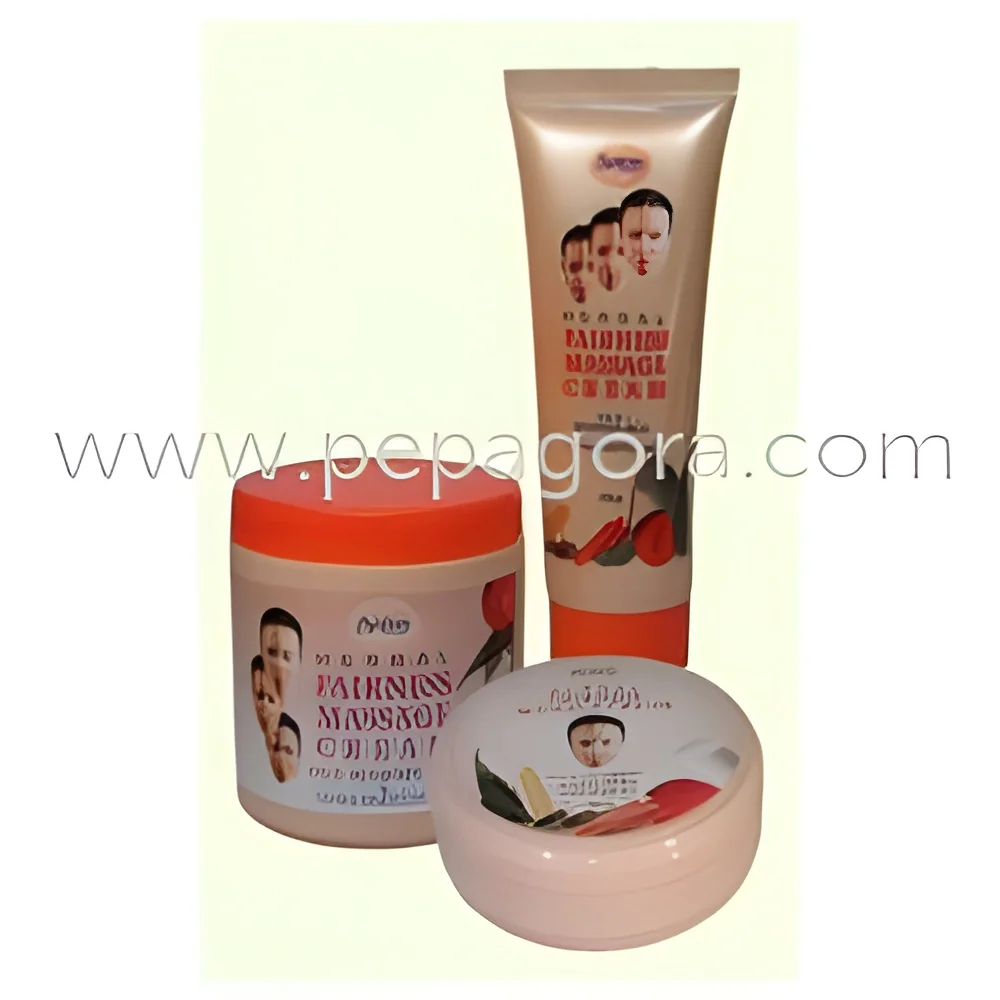
2. Skin Care: In lotions, creams, and serums, these agents work to reduce pigmentation issues, such as dark spots and uneven skin tone, making them popular in anti-aging products.
3. Pharmaceutical: Some skin brightening agents are incorporated into dermatological treatments for conditions like melasma, providing therapeutic benefits along with cosmetic enhancement.
4. Spa and Wellness: These agents are often used in professional spa treatments, such as facials and peels, designed to rejuvenate the skin and promote a brighter complexion.
5. Sun Care: Certain formulations include brightening agents to counteract sun-induced pigmentation, offering both protection and corrective benefits.
6. Men's Grooming: An increasing number of men's skincare products now feature brightening agents to address dull skin and uneven tone, appealing to this growing market segment.
7. Natural and Organic Products: With rising demand for natural skincare, some brands are exploring plant-based brightening agents, highlighting the trend toward cleaner beauty.
Product Variants and Subcategories
The market for skin brightening agents includes a diverse range of products tailored to meet specific consumer needs. This diversity allows manufacturers to cater to different preferences and formulations.
Hydroquinone
Hydroquinone is one of the most widely recognized skin brightening agents. It effectively reduces melanin production and is often used in formulations targeting hyperpigmentation and dark spots. However, its use is regulated in many regions due to safety concerns.
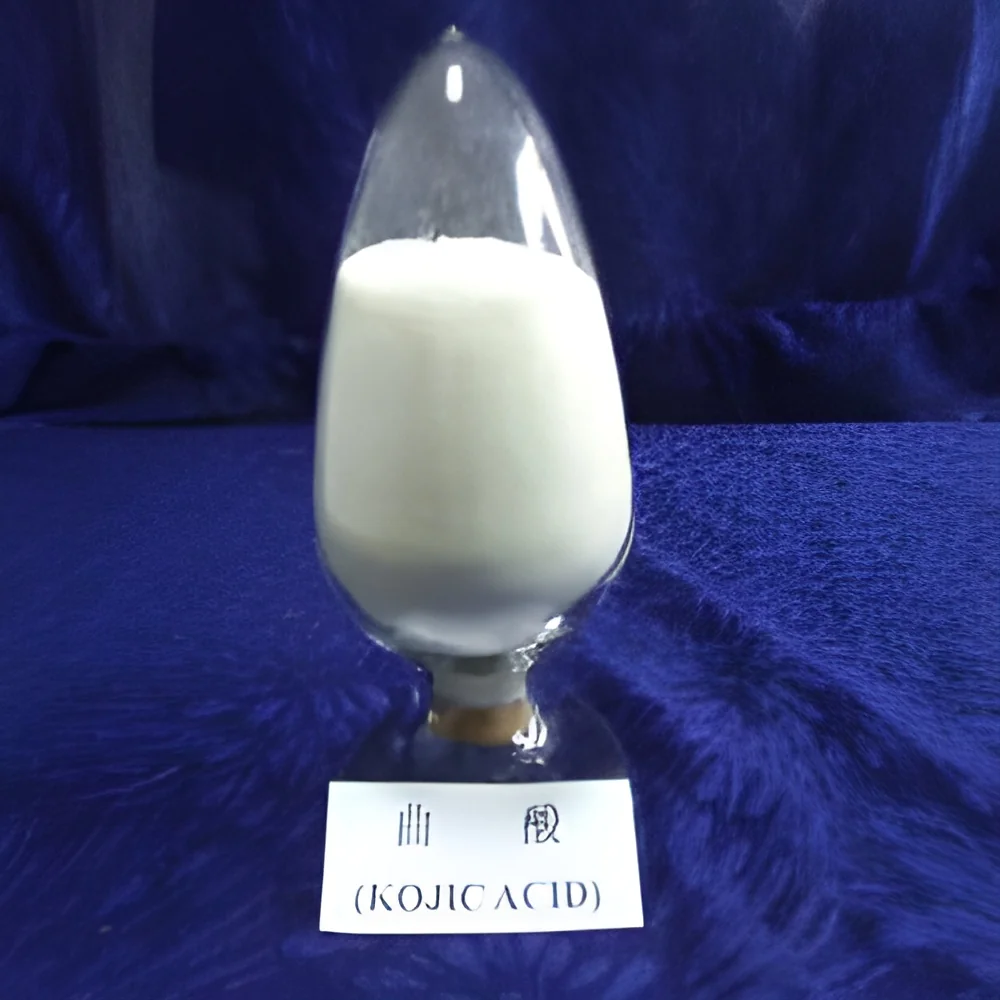
Kojic Acid
Kojic acid is derived from mushrooms and is known for its ability to brighten skin by inhibiting melanin production. It is commonly found in serums and creams aimed at improving skin tone and texture.
Vitamin C
As a potent antioxidant, Vitamin C not only brightens the skin but also helps in reducing oxidative stress. This makes it a popular choice in both cosmetic and skincare formulations focused on skin rejuvenation.
Niacinamide
Niacinamide, or Vitamin B3, is gaining traction as a skin brightening agent due to its ability to reduce the appearance of dark spots while improving skin elasticity. It is often included in various skincare products for its multi-functional benefits.
Arbutin
Arbutin is a naturally occurring derivative of hydroquinone that offers a safer option for skin brightening. It is often used in formulations aimed at achieving a more even skin tone without the harsh effects associated with other agents.
Benefits and Advantages
The use of skin brightening agents in cosmetic formulations offers several advantages that appeal to consumers and businesses alike. Understanding these benefits can aid in making informed decisions about product development and marketing.
1. Enhanced Skin Appearance: Skin brightening agents help improve overall skin luminosity, creating a healthier and more radiant look.
2. Even Skin Tone: These agents effectively reduce the appearance of dark spots and uneven pigmentation, resulting in a more uniform complexion.
3. Versatile Applications: They can be incorporated into a wide range of products, from creams to serums, allowing for innovative formulations that cater to diverse consumer needs.
4. Antioxidant Properties: Many brightening agents also offer antioxidant benefits, protecting the skin from environmental stressors and promoting overall skin health.
5. Increased Market Demand: With rising consumer interest in skin care, products containing brightening agents are often more desirable, leading to increased sales opportunities.
6. Customizable Formulations: Manufacturers can tailor products to include various brightening agents, enabling differentiation in a competitive market.
Buying Guide for B2B Buyers
When sourcing skin brightening agents, B2B buyers should consider several critical factors to ensure they select the right products for their formulations.
1. Quality Assessment: Evaluating the quality of skin brightening agents is crucial. Look for suppliers who provide detailed information on ingredient sourcing, testing, and certifications to ensure product reliability.
2. Supplier Verification: It is essential to vet suppliers thoroughly. Review their track record, client testimonials, and certifications to ensure they meet industry standards and can deliver consistent quality.
3. Pricing and MOQ: Understanding the pricing structure and minimum order quantities (MOQ) is vital for budgeting. Compare multiple suppliers to find competitive pricing that aligns with your business needs.
4. Delivery and Lead Times: Assess the logistics capabilities of potential suppliers. Reliable delivery and reasonable lead times can significantly impact your production schedule and product launch.
5. Compliance Requirements: Ensure that the skin brightening agents comply with relevant regulations in your region. Familiarize yourself with safety and ingredient regulations to avoid complications in product development.
Compliance and Certifications
Compliance and certification are critical aspects of sourcing skin brightening agents, as they ensure product safety and efficacy. Relevant quality standards, such as ISO 9001, help establish a framework for quality management systems in manufacturing processes.
Industry certifications, like CE, indicate that products have met European safety and health regulations. This is particularly important for companies looking to export their products to international markets.
Safety and testing requirements are fundamental to ensuring that skin brightening agents do not cause adverse effects on consumers. Rigorous dermatological testing is often mandated to confirm product safety.
Additionally, regional compliance considerations must be taken into account, as different countries may have varying regulations governing the use of certain ingredients in cosmetic products. It is essential for manufacturers to stay informed about these regulations to ensure market access and consumer safety.
Why Source Skin Brightening Agents from Pepagora?
Pepagora provides a trusted platform for sourcing skin brightening agents with several key advantages. Their verified supplier network ensures that buyers have access to reputable manufacturers who meet industry standards for quality and safety.
The streamlined RFQ process facilitates easy communication between buyers and suppliers, allowing for quick quotations and a more efficient procurement experience. This process helps businesses save time and resources when sourcing products.
Trade assurance and support offered by Pepagora provide buyers with peace of mind. This protection ensures that transactions are secure and that buyers receive the products they expect, fostering trust in the sourcing process.
With regional coverage in India, the GCC, and Southeast Asia, Pepagora extends its reach, making it easier for businesses in these areas to access high-quality skin brightening agents tailored to their market needs.

 IN
IN
 India
India