IN
IN₹
Apparel & Fashion
Loading subcategories...
View More

Description
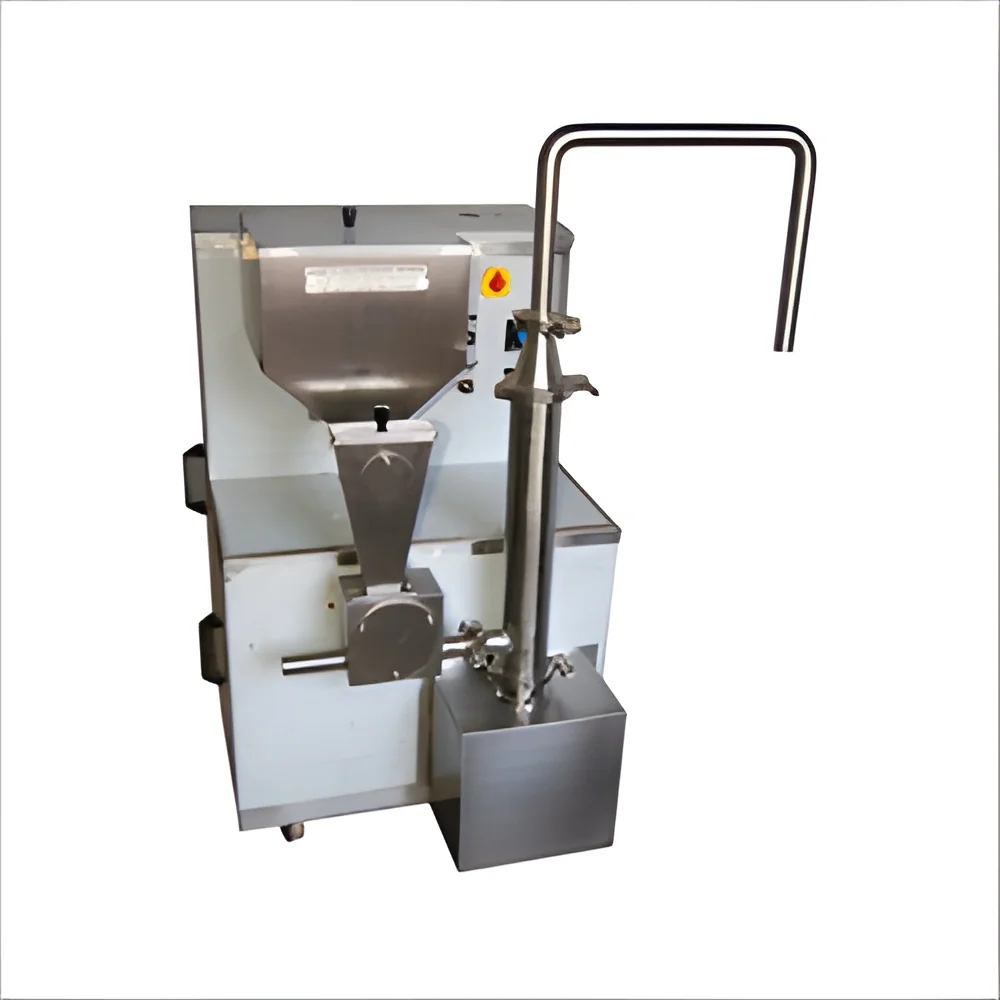
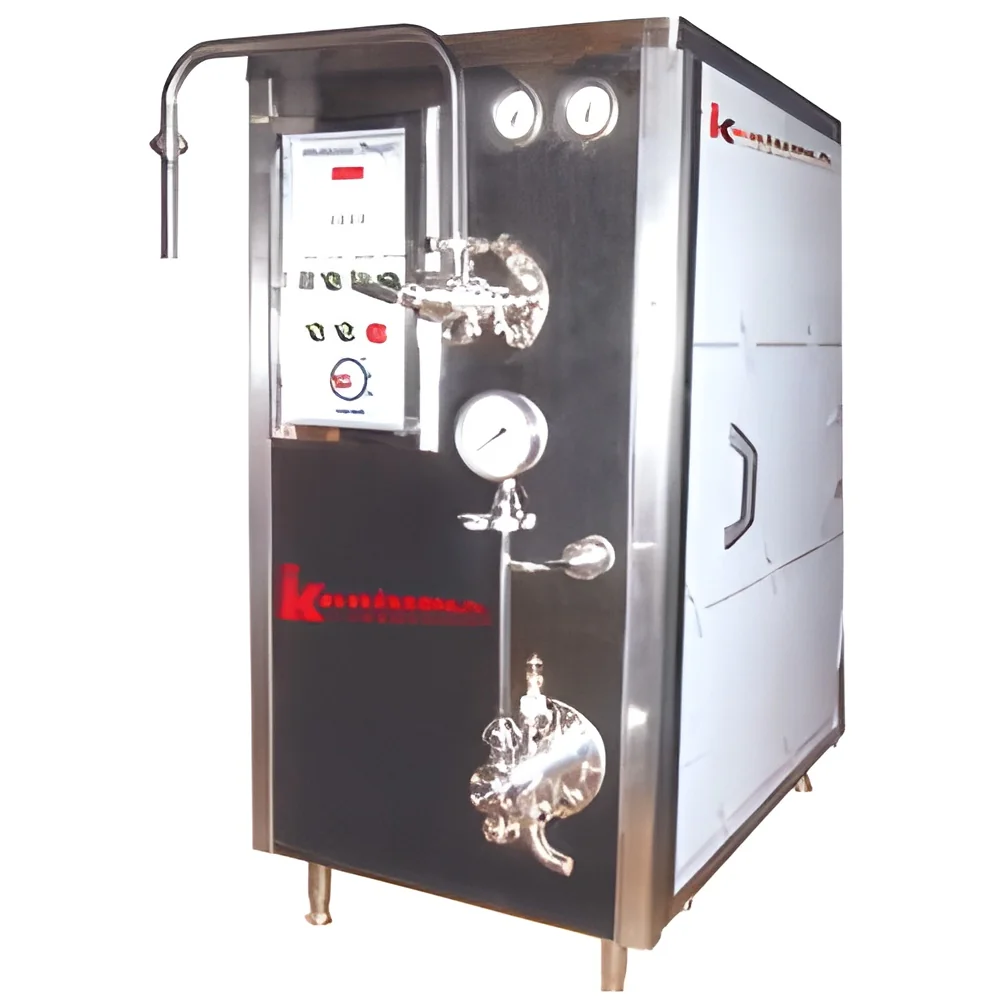
Industrial shell tube heat exchangers represent the established solution for efficient thermal transfer in demanding operational environments. These units feature a cylindrical shell containing multiple tubes, where one fluid circulates through the tubes while another flows around them within the shell. This configuration maximizes heat transfer surface area while maintaining structural integrity under high-pressure conditions. Manufacturers construct these exchangers using corrosion-resistant materials like stainless steel, copper alloys, or titanium to withstand aggressive fluids and extreme temperature ranges. The design allows for customization based on specific thermal capacity requirements, flow rates, pressure ratings, and spatial constraints, making them adaptable to virtually any industrial setting requiring precise temperature management. Multiple industries depend on shell tube heat exchangers for critical temperature control applications that impact process efficiency and p...
Industrial shell tube heat exchangers represent the established solution for efficient thermal transfer in demanding operational environments. These units feature a cylindrical shell containing multiple tubes, where one fluid circulates through the tubes while another flows around them within the shell. This configuration maximizes heat transfer surface area while maintaining structural integrity under high-pressure conditions. Manufacturers construct these exchangers using corrosion-resistant materials like stainless steel, copper alloys, or titanium to withstand aggressive fluids and extreme temperature ranges. The design allows for customization based on specific thermal capacity requirements, flow rates, pressure ratings, and spatial constraints, making them adaptable to virtually any industrial setting requiring precise temperature management.

Multiple industries depend on shell tube heat exchangers for critical temperature control applications that impact process efficiency and product quality. Chemical processing facilities utilize them for reactor temperature management, condenser operations, and intermediate fluid cooling in production streams. Power generation plants rely on these units for maintaining optimal turbine lubrication temperatures and cooling closed-loop systems in generation equipment. HVAC systems in large commercial complexes incorporate them for energy recovery and precise temperature regulation. The oil and gas industry employs shell tube exchangers for crude oil heating, product cooling, and various refinery processes requiring thermal management. Food production facilities implement them for pasteurization processes and maintaining exact temperatures during manufacturing operations.

Businesses select shell tube heat exchangers for their demonstrated reliability and long-term operational value across industrial applications. These units deliver consistent thermal performance with minimal maintenance requirements, reducing operational downtime and associated costs. Their robust construction ensures extended service life even in corrosive or high-pressure environments, providing excellent return on investment through reliable operation. The customizable nature allows precise matching to specific process requirements, ensuring optimal efficiency for each application while maintaining energy efficiency. Manufacturers conduct rigorous quality testing including pressure verification and material certification, guaranteeing compliance with international standards and reliable performance under specified operating conditions.

Key Features:
- Durable shell and tube construction engineered for high-pressure industrial operations
- Customizable design adaptable to specific thermal capacity and flow rate requirements
- Corrosion-resistant material options including stainless steel and titanium alloys
- Efficient heat transfer through optimized tube bundle and baffle configurations
- Modular design facilitating straightforward maintenance and component replacement

Benefits:
- Consistent thermal performance ensuring process stability and product quality
- Reduced maintenance requirements lowering operational costs and downtime
- Extended service life providing reliable long-term operation and value
- Energy-efficient design minimizing operational expenses and resource consumption
- Quality-assured construction meeting international standards for safety and performance
Specifications
| Additional Information | |
|---|---|
| Country of Origin | India |
| Customisable | No |
Application
Shell and tube heat exchangers deliver precise temperature control for industrial processes requiring reliable thermal management. Their durable construction handles high-pressure operations and diverse fluid types, from corrosive chemicals to high-viscosity oils, ensuring consistent performance in challenging environments. These units efficiently transfer heat between liquids and vapors, supporting continuous operation in critical systems while maintaining structural integrity under demanding conditions.
Industries value these heat exchangers for their adaptability to various operational requirements and fluid compatibility. The modular design allows seamless integration into existing systems with minimal modifications, reducing installation time and costs while ensuring long-term operational efficiency. Their proven reliability makes them essential for processes where temperature stability directly impacts product quality, safety standards, and overall system performance.
- Chemical processing plants for reactor temperature control and condenser operations
- Power generation facilities for turbine lubrication cooling and closed-loop systems
- HVAC installations in commercial buildings for energy recovery and temperature regulation
- Oil and gas refineries for crude oil heating and product cooling processes
- Food production facilities for pasteurization systems and precise thermal management
Trade Details
| Available Stock | In Stock |
| Sample Availability | No |
Payment Terms
| Payment Terms |
|
Company Profile
Bhakti Engineering, Gujarat
 Gujarat, India
Gujarat, IndiaFood & Agriculture•Manufacturer•Distributor / Wholesaler
Factory Details
Factory SizeBelow 1000 sqm
Annual Production Capacity0
Industrial Shell Tube Heat Exchangers For Efficient Fluid Heating And Cooling
Industrial shell tube heat exchangers provide efficient fluid heating and cooling for chemical processing, HVAC systems, and power generation. These reliable units feature robust construction and customizable designs for optimal thermal transfer in demanding applications.
Min. Order Quantity: 1 unit
Shipping
Shipping fee and delivery date to be negotiated. Contact supplier now for more details.
Bhakti Engineering
 Gujarat, India
Gujarat, IndiaFood & AgricultureManufacturerDistributor / Wholesaler