IN
IN₹
Apparel & Fashion
Description
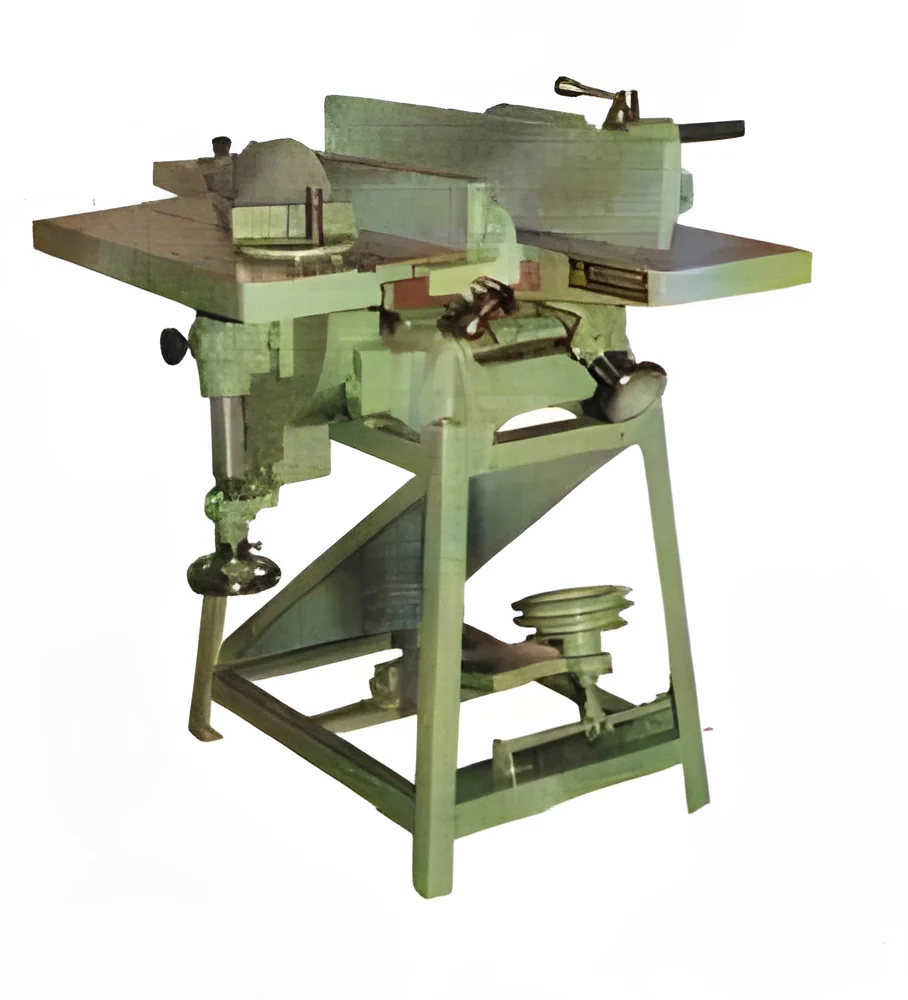
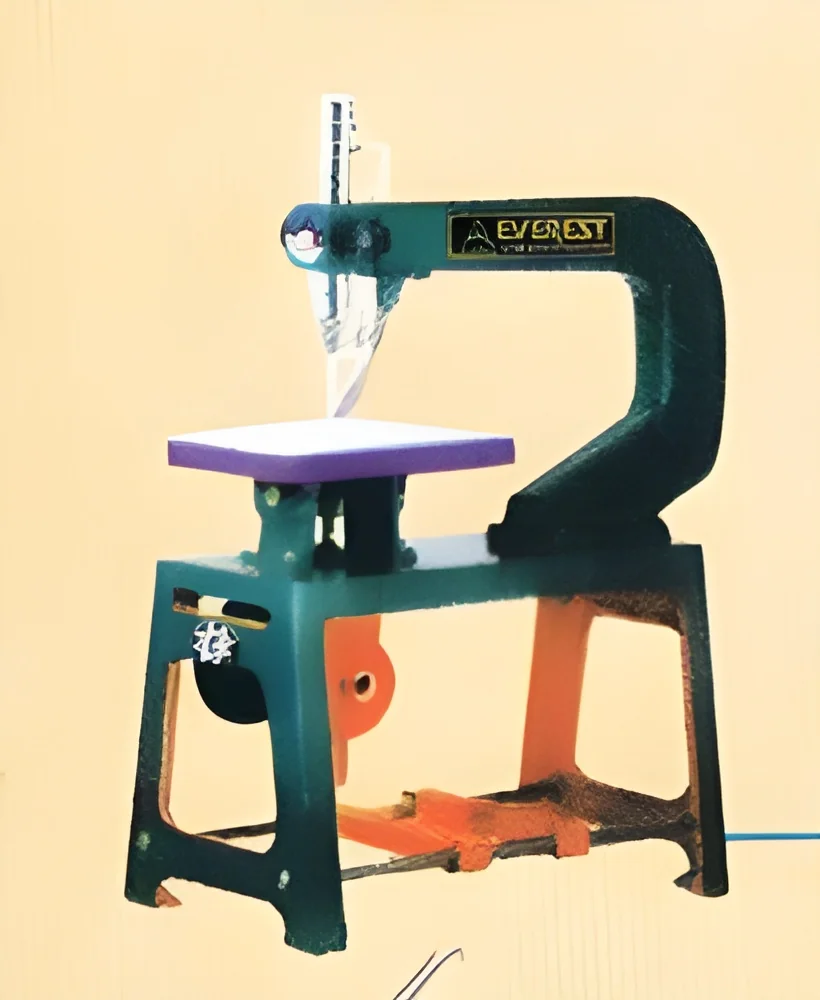
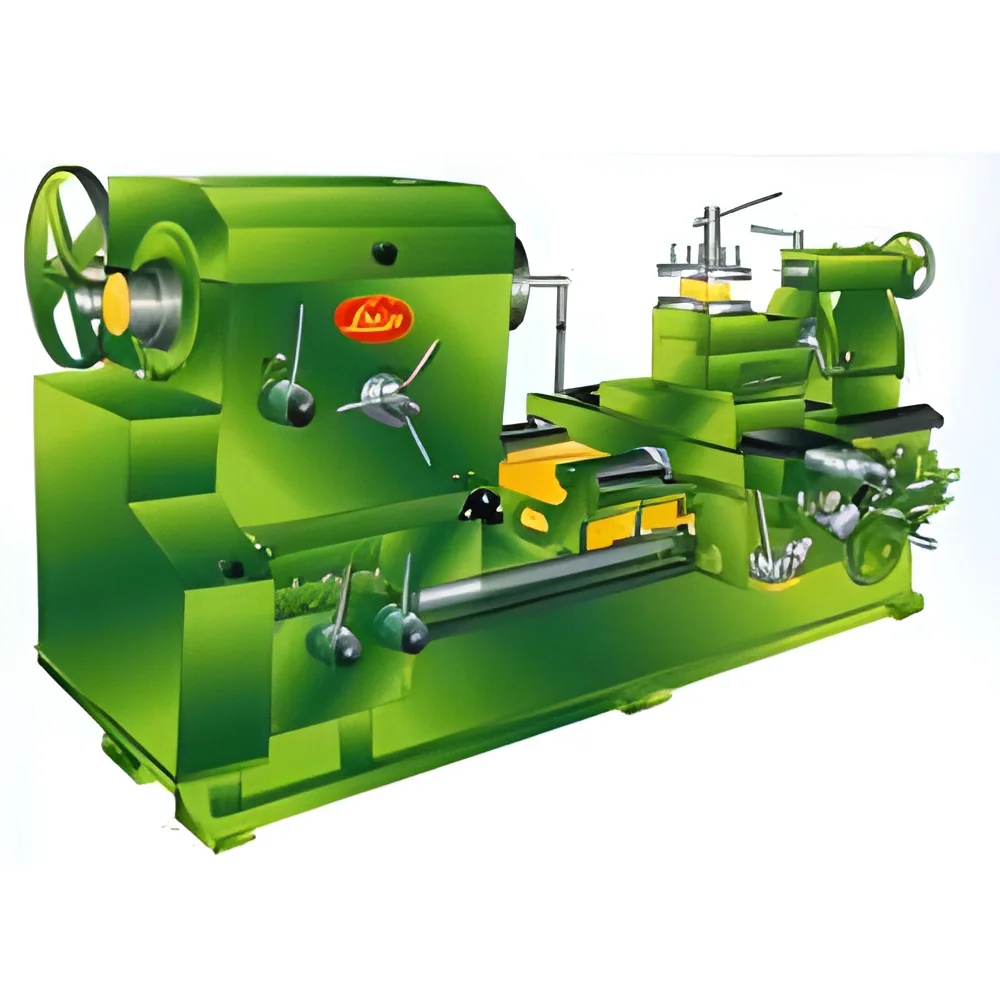
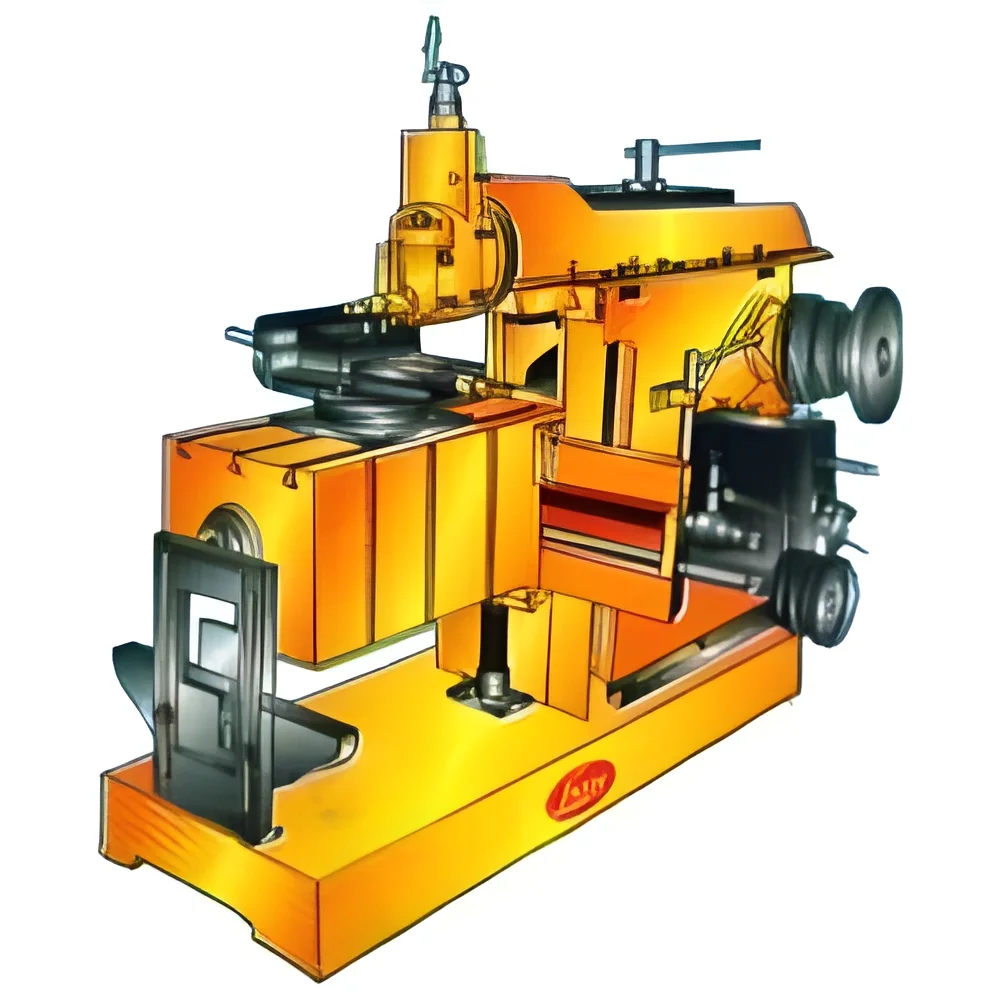
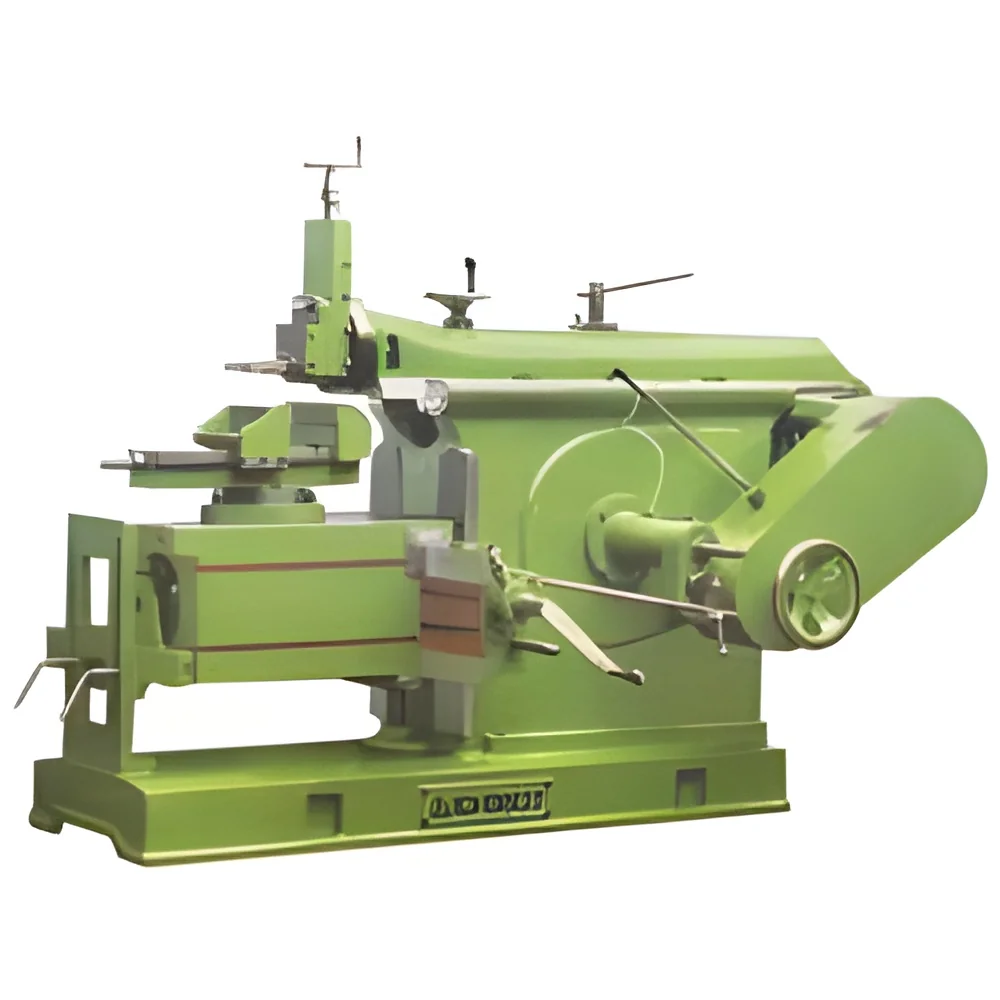
The Everest Shaper represents industrial-grade shaping technology designed specifically for metalworking and construction applications where precision and reliability are non-negotiable. This robust machine delivers consistent performance in demanding environments, engineered to handle various materials including steel, aluminum, and alloys with exceptional accuracy. Built for professional workshops and production facilities, it combines durable construction with intuitive operation to minimize downtime while maximizing output quality. The Everest Shaper stands as a trusted solution for businesses that require dependable shaping equipment capable of meeting both standard production requirements and specialized project needs without compromising on performance or longevity.

Across multiple industrial sectors, the Everest Shaper serves as essential equipment for component formation and structural fabrication. In metal fabrication workshops, it shapes parts for machinery, equipment, and ...
The Everest Shaper represents industrial-grade shaping technology designed specifically for metalworking and construction applications where precision and reliability are non-negotiable. This robust machine delivers consistent performance in demanding environments, engineered to handle various materials including steel, aluminum, and alloys with exceptional accuracy. Built for professional workshops and production facilities, it combines durable construction with intuitive operation to minimize downtime while maximizing output quality. The Everest Shaper stands as a trusted solution for businesses that require dependable shaping equipment capable of meeting both standard production requirements and specialized project needs without compromising on performance or longevity.

Across multiple industrial sectors, the Everest Shaper serves as essential equipment for component formation and structural fabrication. In metal fabrication workshops, it shapes parts for machinery, equipment, and structural assemblies with tight tolerance requirements. Automotive manufacturers utilize its capabilities for producing vehicle components that demand precise dimensions and finishes. The construction industry applies it to create beams, supports, and structural elements for buildings and infrastructure projects. Aerospace operations benefit from its ability to form lightweight yet durable components, while shipbuilding facilities rely on it for repair work and custom part fabrication. This widespread adoption across industries demonstrates the machine's versatility and capacity to meet diverse technical specifications and production volumes.

Businesses select the Everest Shaper for its proven operational reliability, which directly reduces production risks and equipment-related downtime. The machine's durable engineering ensures extended service life with minimal maintenance requirements, providing long-term value through reduced total ownership costs. Its precision capabilities enhance production quality, helping companies meet client specifications and industry standards consistently. By improving shaping accuracy and operational efficiency, the equipment supports faster project completion and increased production throughput. This combination of reliability, precision, and durability makes the Everest Shaper a strategic investment for businesses seeking to strengthen their manufacturing capabilities and maintain competitive advantages in quality-focused markets.

Key Features:
- Heavy-duty construction with reinforced components for sustained performance in industrial environments.
- Precision engineering that delivers accurate shaping results with tight tolerance capabilities.
- Versatile operation supporting various material types including metals and alloys of different thicknesses.
- Intuitive control system designed for straightforward operation with minimal training requirements.
- Low-maintenance design with accessible components for simplified servicing and reduced downtime.

Benefits:
- Consistent performance reliability that minimizes production interruptions and equipment failures.
- Enhanced shaping precision that improves component quality and reduces material waste.
- Operational versatility that accommodates diverse project requirements and material specifications.
- Reduced training time and operational complexity through user-friendly design and controls.
- Long-term cost efficiency through durable construction and minimal maintenance requirements.
Specifications
| Additional Information | |
|---|---|
| Country of Origin | India |
Application
The Everest Shaper industrial shaping machine is engineered for demanding metalworking and construction tasks, providing consistent performance across various materials and thicknesses. Its robust construction ensures reliable operation in workshops and production environments where precision shaping is critical for component quality and structural integrity. This equipment supports both high-volume production runs and specialized custom projects with equal capability, making it a versatile asset for operations that cannot afford equipment failure or inconsistent results.
Industries including automotive manufacturing, aerospace engineering, structural construction, industrial machinery production, and shipbuilding rely on the Everest Shaper for accurate component formation. The machine's design prioritizes operational simplicity to reduce training requirements while maintaining professional-grade output standards. Its adaptability to different project scales and material specifications makes it suitable for diverse industrial workflows, helping businesses maintain production schedules and meet stringent technical specifications without compromising on quality or precision.
- Forming structural steel beams and supports for construction projects and infrastructure development.
- Shaping precision metal components for automotive assembly lines and vehicle part manufacturing.
- Creating custom fabrications and lightweight components for aerospace and aviation industry applications.
- Producing high-tolerance machinery parts for industrial equipment manufacturing and maintenance operations.
- Supporting metal forming and repair tasks in shipbuilding yards and heavy industrial maintenance facilities.
Trade Details
| Available Stock | In Stock |
| Sample Availability | No |
Payment Terms
| Payment Terms |
|
Company Profile
Lovely Mechanical Works, Punjab
 Punjab, India
Punjab, IndiaFood & Agriculture•Manufacturer•Importer / Exporter
Factory Details
Factory SizeBelow 1000 sqm
Annual Production Capacity0
Industrial Shaping Solutions Everest Shaper For Metalworking And Construction
Everest Shaper industrial shaping machine delivers precision metalworking for manufacturing, fabrication, and construction sectors with reliable performance and durable engineering for demanding applications.
Min. Order Quantity: 1 unit
Shipping
Shipping fee and delivery date to be negotiated. Contact supplier now for more details.
Lovely Mechanical Works
 Punjab, India
Punjab, IndiaFood & AgricultureManufacturer