
 IN
SCADA for Compressors
11 products available
What are SCADA for Compressors?
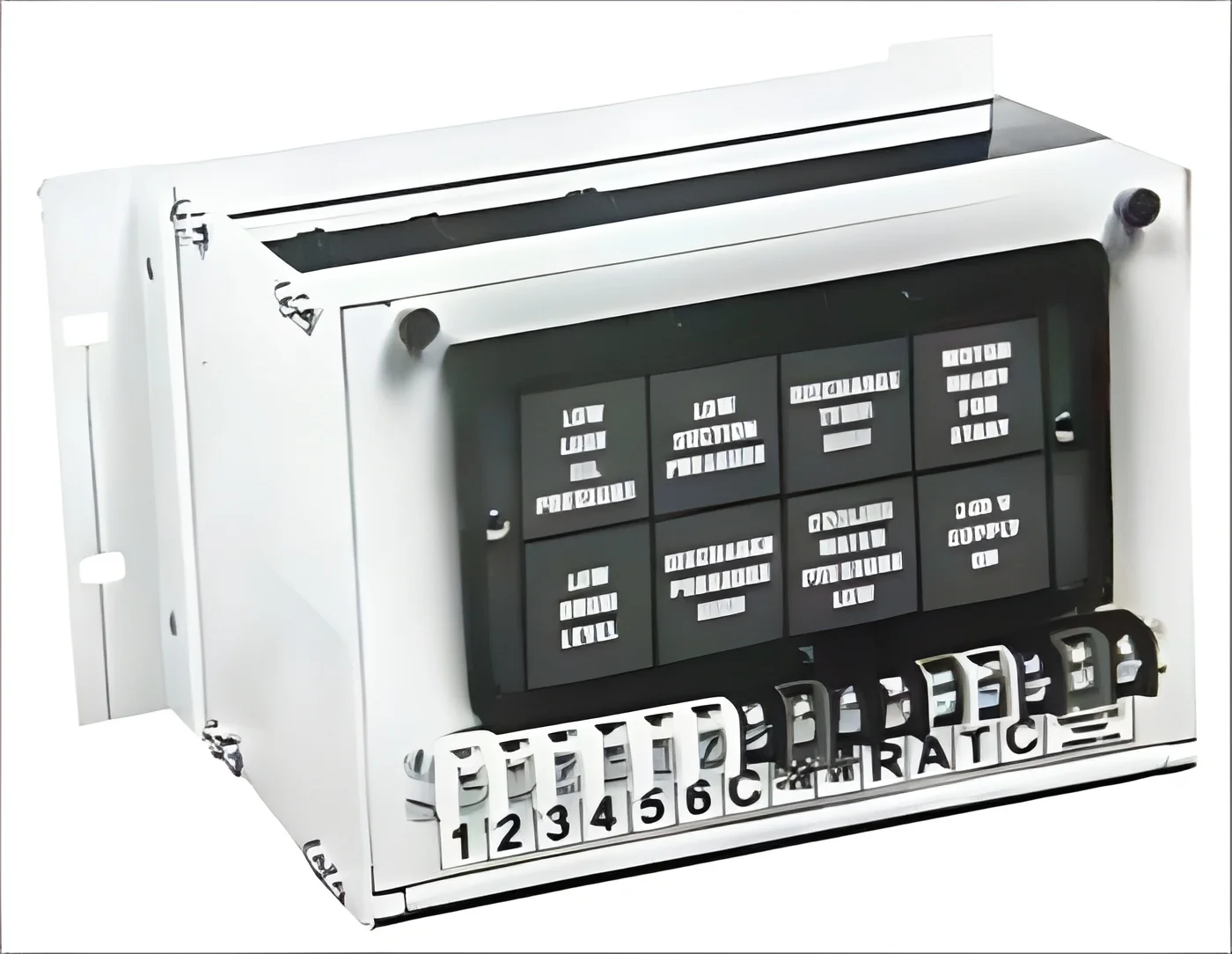
SCADA for Compressors refers to a Supervisory Control and Data Acquisition system specifically designed to monitor and control compressor operations. These systems enable real-time data collection, visualization, and management of compressor performance and efficiency. By integrating software and hardware components, SCADA systems ensure that operators can oversee multiple compressors and their associated processes from a centralized interface, enhancing operational efficiency and reliability.
The primary uses of SCADA for Compressors include monitoring pressure levels, temperature, and flow rates to optimize performance. Businesses in various sectors, such as manufacturing, oil and gas, and water treatment, utilize these systems to maintain continuous operations while ensuring safety and compliance with regulatory standards. SCADA systems are vital for predictive maintenance, helping to identify potential failures before they occur, thus minimizing downtime and repair costs.
In the current market context, the importance of SCADA systems for compressors is growing, driven by the increasing demand for automation and data-driven decision-making. Industries are focusing on improving energy efficiency and reducing operational costs, making SCADA an essential tool for modern compressor management. As the landscape evolves, SCADA systems are becoming more sophisticated, integrating advanced analytics and machine learning to enhance operational insights.
Key Features and Specifications
SCADA for Compressors comes with a range of features designed to enhance performance monitoring and control. These systems provide a comprehensive solution for managing compressor operations, ensuring reliability and efficiency.
Key specifications include:
1. Real-time Monitoring
- Allows for immediate tracking of compressor performance metrics
- Supports continuous data updates for enhanced decision-making
2. Data Logging
- Records historical performance data for analysis
- Facilitates trend analysis and reporting
3. Alarm and Event Management
- Provides alerts for abnormal conditions
- Helps in quick response to potential issues
4. Remote Access
- Enables control and monitoring from off-site locations
- Supports mobile access for greater flexibility
5. User-Friendly Interface
- Offers intuitive dashboards for easy navigation
- Customizable views for specific user needs
6. Integration Capabilities
- Compatible with various industrial protocols and systems
- Enhances interoperability with existing equipment
7. Scalable Architecture
- Supports expansion to accommodate additional compressors
- Adjustable to meet changing operational requirements
8. Data Security Features
- Includes measures to protect sensitive operational data
- Ensures compliance with industry security standards
In summary, SCADA for Compressors provides essential tools for monitoring and managing compressor systems, leading to improved efficiency, reduced costs, and enhanced safety.
Common Applications and Use Cases
SCADA for Compressors serves multiple industries with specific applications tailored to their operational needs.
1. Manufacturing: In manufacturing, SCADA systems monitor air compressors to ensure optimal performance and energy efficiency. They help maintain consistent production quality and reduce waste.
2. Oil and Gas: In the oil and gas industry, SCADA systems manage compressors crucial for transporting gas and maintaining pressure levels. They ensure operational safety and compliance with environmental regulations.
3. Water Treatment: SCADA systems in water treatment facilities monitor compressors used in aeration and pressure systems. They help maintain water quality and optimize treatment processes.
4. Food and Beverage: In food processing, SCADA systems control compressors that provide refrigeration and air supply. They ensure product safety and quality through precise monitoring.
5. Pharmaceutical: SCADA systems are employed in pharmaceutical manufacturing to ensure that compressed air systems meet stringent regulatory standards, safeguarding product integrity.
6. Aerospace: In aerospace applications, SCADA monitors compressors in testing facilities, ensuring reliable performance during critical testing phases.
7. Power Generation: SCADA systems manage compressors in power plants to optimize fuel efficiency and maintain operational reliability.
Product Variants and Subcategories
SCADA for Compressors offers a diverse range of variants tailored to meet specific operational requirements.
Standard SCADA System
This variant includes basic monitoring and control features suitable for small to medium operations. It provides essential data visualization and alarm functionalities.
Advanced SCADA System
Designed for larger operations, this variant includes enhanced analytics, integration capabilities, and remote access features, allowing for comprehensive management of multiple compressors.
Cloud-Based SCADA System
This modern variant leverages cloud technology for real-time data access and storage. It offers flexibility and scalability, making it ideal for organizations looking to reduce on-premise infrastructure.
Mobile SCADA Application
This variant allows users to monitor and control compressors through mobile devices. It enhances operational flexibility by enabling remote access to system data.
Benefits and Advantages
SCADA for Compressors provides numerous advantages that improve operational efficiency and reduce costs.
1. Enhanced Monitoring: SCADA systems enable real-time monitoring of compressor performance, allowing for proactive management.
2. Improved Efficiency: By optimizing compressor operations, SCADA systems reduce energy consumption and operational costs.
3. Predictive Maintenance: The data collected enables businesses to implement predictive maintenance strategies, minimizing downtime and repair expenses.
4. Increased Safety: SCADA systems provide alerts for abnormal conditions, supporting quick responses to potential hazards.
5. Regulatory Compliance: These systems help organizations adhere to industry regulations by maintaining accurate records and ensuring operational safety.
6. Better Decision-Making: By providing comprehensive data analysis, SCADA systems support informed decision-making and strategic planning.
Buying Guide for B2B Buyers
When sourcing SCADA for Compressors, there are several crucial factors to consider.
1. Quality Assessment: Evaluate the quality of the SCADA system by reviewing specifications, performance metrics, and user feedback. Look for systems that meet industry standards and offer robust features.
2. Supplier Verification: Vet potential suppliers by checking references, certifications, and their track record in the industry. Reliable suppliers should have a history of providing quality products and services.
3. Pricing and MOQ: Understand the pricing structure and minimum order quantities to ensure they fit within your budget. Compare multiple suppliers to find competitive pricing.
4. Delivery and Lead Times: Assess the supplier's delivery capabilities and lead times to ensure timely procurement. Consider logistics and the potential impact on your operations.
5. Compliance Requirements: Ensure that the SCADA system complies with relevant industry regulations and standards. This will help avoid potential legal and operational issues.
Compliance and Certifications
SCADA for Compressors must adhere to various industry standards and certifications to ensure quality and safety.
Relevant quality standards include ISO 9001, which focuses on quality management systems and continuous improvement. Compliance with HACCP (Hazard Analysis and Critical Control Points) ensures that the systems are designed to minimize risks in critical processes.
CE certification is essential for products sold within the European Union, indicating compliance with health, safety, and environmental protection standards.
Safety and testing requirements are crucial in the deployment of SCADA systems, ensuring they operate reliably under expected conditions.
Regional compliance considerations may vary, requiring awareness of local regulations and standards to ensure that the systems meet all necessary requirements for operation.
Why Source SCADA for Compressors from Pepagora?
Pepagora provides a trusted platform for sourcing SCADA for Compressors, offering several key advantages to B2B buyers.
Verified Supplier Network: Pepagora hosts a network of suppliers that have been thoroughly vetted for their reliability and quality. This ensures that buyers can trust the products they are sourcing.
Streamlined RFQ Process: The request for quotation process is designed to be efficient, allowing buyers to easily compare options and select the best fit for their needs. This saves time and enhances procurement efficiency.
Trade Assurance and Support: Pepagora offers trade assurance, providing buyers with protection and support throughout the purchasing process. This assurance fosters confidence in transactions.
Regional Coverage: With a presence in India, GCC, and Southeast Asia, Pepagora's platform caters to a diverse range of buyers across various regions, ensuring accessibility and support for all procurement needs.

 India
 India
 India
 India
 India
 India
 India
 India
Frequently Asked Questions
What are SCADA for Compressors?
SCADA for Compressors refers to supervisory control and data acquisition systems specifically designed to monitor and control compressor operations. These systems enable real-time data collection, process control, and performance analysis, ensuring efficient compressor management.
What are the different types of SCADA for Compressors?
The different types of SCADA for Compressors include centralized SCADA systems, which operate from a single location, and distributed SCADA systems, which utilize multiple control points. Additionally, cloud-based SCADA solutions offer remote access and enhanced data analytics capabilities.
How do I choose the right SCADA for Compressors?
Choosing the right SCADA for Compressors involves assessing your specific operational needs, budget, and scalability requirements. It is also crucial to consider the compatibility with existing systems and the level of technical support provided by the supplier.
What are the standard specifications for SCADA for Compressors?
Standard specifications for SCADA for Compressors typically include real-time monitoring capabilities, user-friendly interface, data logging, alarm management, and reporting functions. Additionally, they should ensure compatibility with various communication protocols and support for multiple user access levels.
What is the price range for SCADA for Compressors?
The price range for SCADA for Compressors can vary widely based on features, complexity, and vendor. Typically, basic systems may start from a few thousand rupees, while more advanced solutions can cost significantly more, depending on the customization and integration required.
What quality standards apply to SCADA for Compressors?
Quality standards for SCADA for Compressors generally include compliance with ISO 9001 for quality management systems and other industry-specific standards. Additionally, adherence to safety and cybersecurity protocols is essential to ensure reliable and secure system operations.
Where can I find SCADA for Compressors suppliers in India?
You can find SCADA for Compressors suppliers in India through B2B marketplaces like Pepagora.com, industry trade shows, or by searching online directories that list manufacturers and distributors in the automation sector.
Can SCADA for Compressors be customized?
Yes, SCADA for Compressors can often be customized to meet the specific requirements of different industries and applications. Customization options may include tailored dashboards, specific reporting features, and integration with other systems.
What is the typical minimum order quantity for SCADA for Compressors?
The typical minimum order quantity (MOQ) for SCADA for Compressors can vary by supplier, but it is often set to ensure cost-effectiveness and resource allocation. Generally, the MOQ could range from one unit for standard systems to larger quantities for customized orders.
What is the typical lead time for SCADA for Compressors?
The typical lead time for SCADA for Compressors can range from a few weeks to several months, depending on the complexity of the system, customization requirements, and supplier capabilities. It is advisable to discuss lead times with the supplier during the purchasing process.
Why Businesses Trust Pepagora
Thousands of companies trust Pepagora to source smarter and sell faster
Expand Your Sales Globally

Source Smarter,Grow Faster
