
 IN
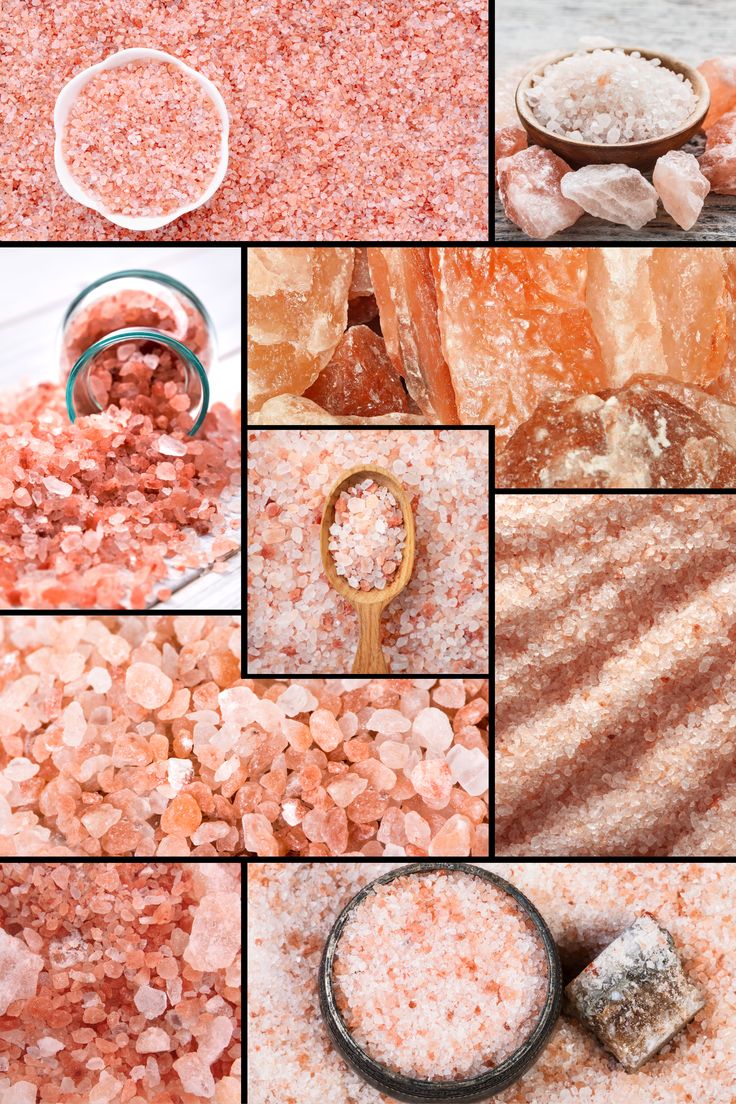
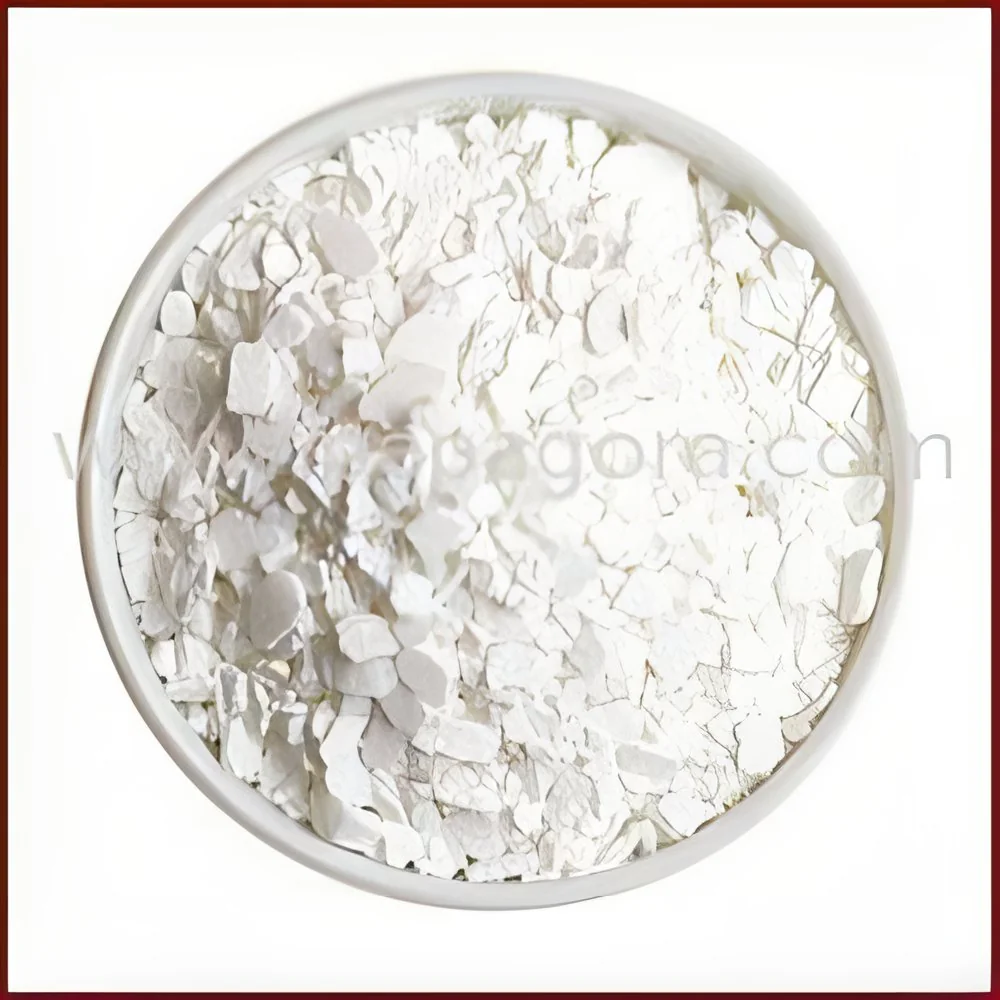
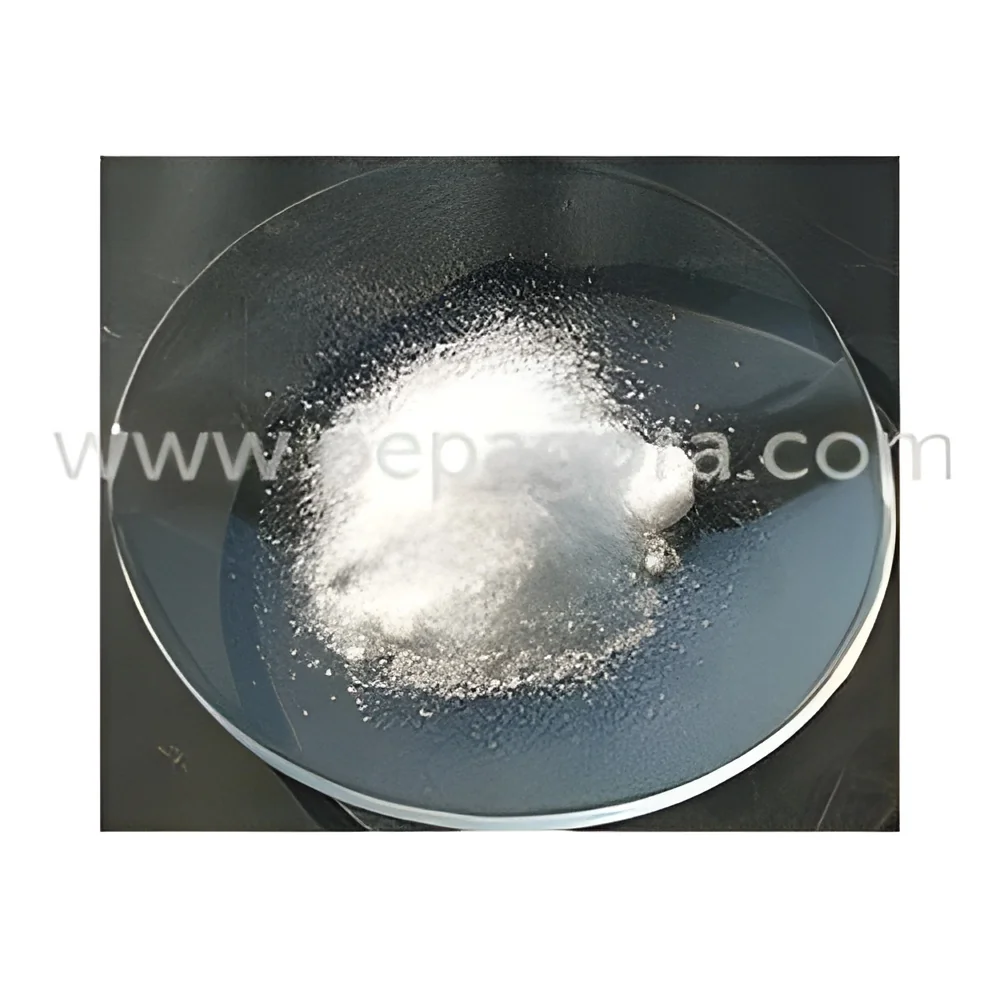
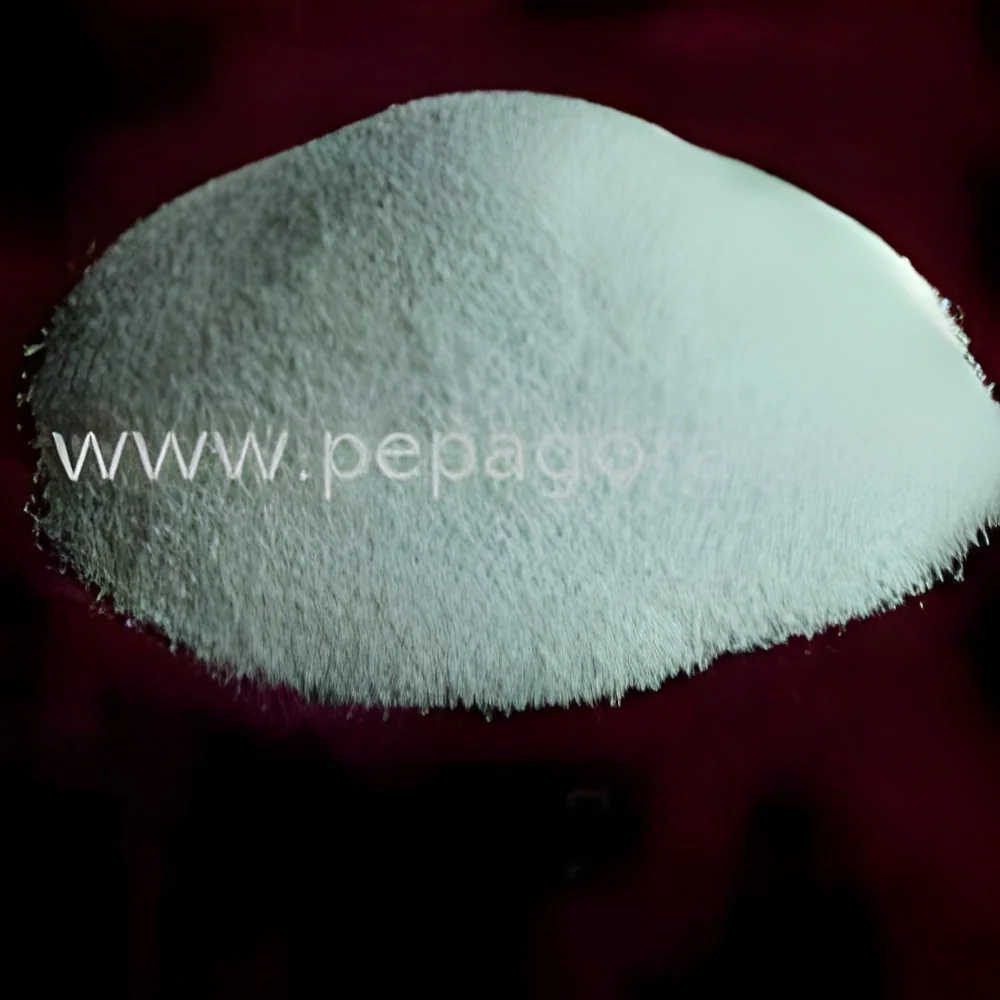
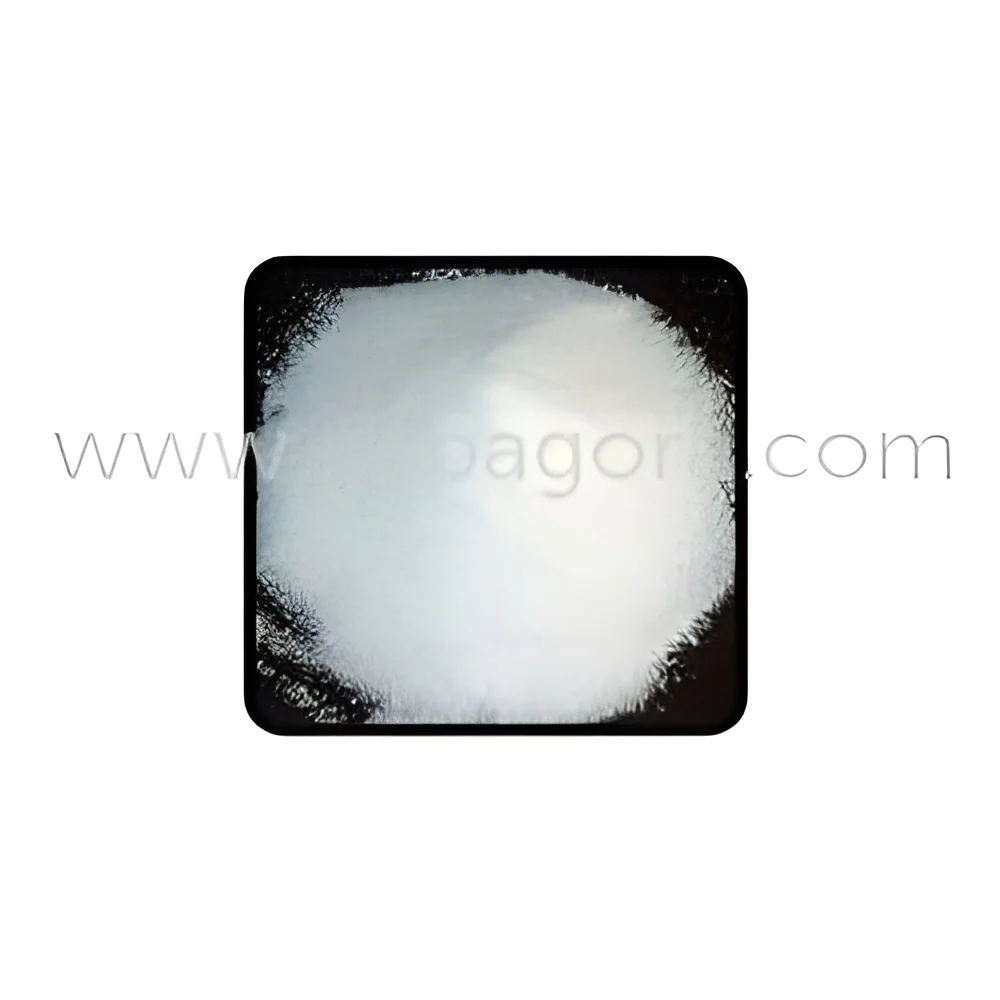
INSalts (Sodium Chloride, Ammonium Sulfate)
281 products available
Key Features and Specifications
Common Applications and Use Cases
Product Variants and Subcategories
Benefits and Advantages
Buying Guide for B2B Buyers
Compliance and Certifications

 India
India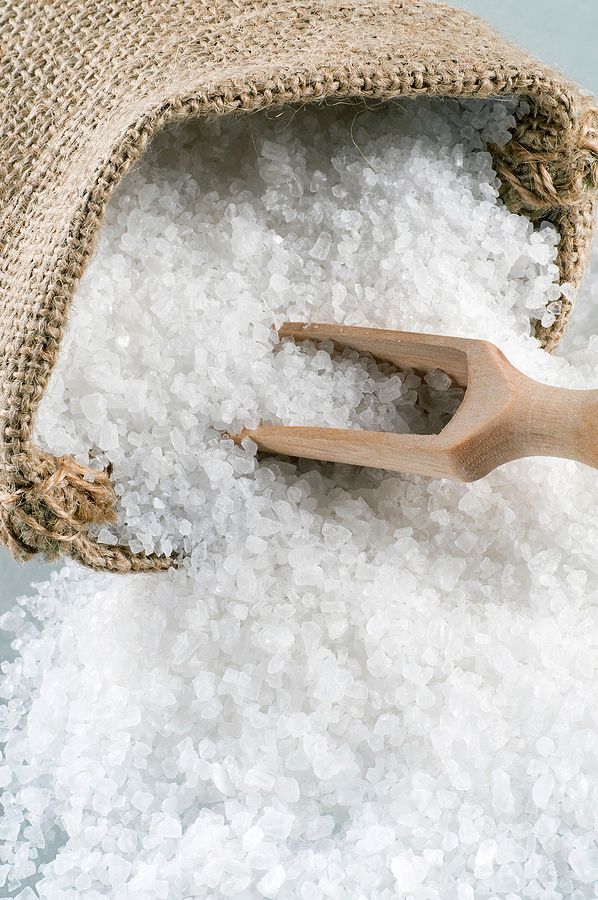



 India
India
 India
India
 India
India

 India
India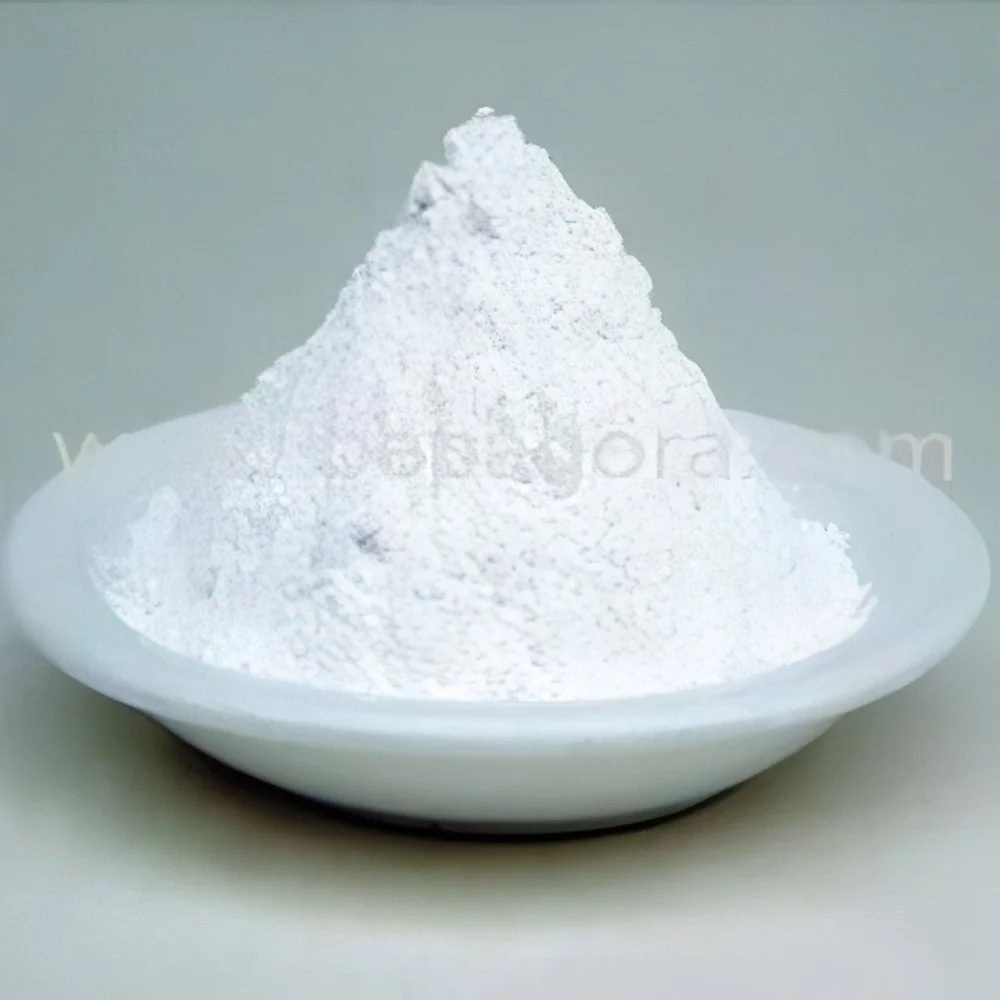
 India
India
 India
India
 India
India
 India
India
 India
India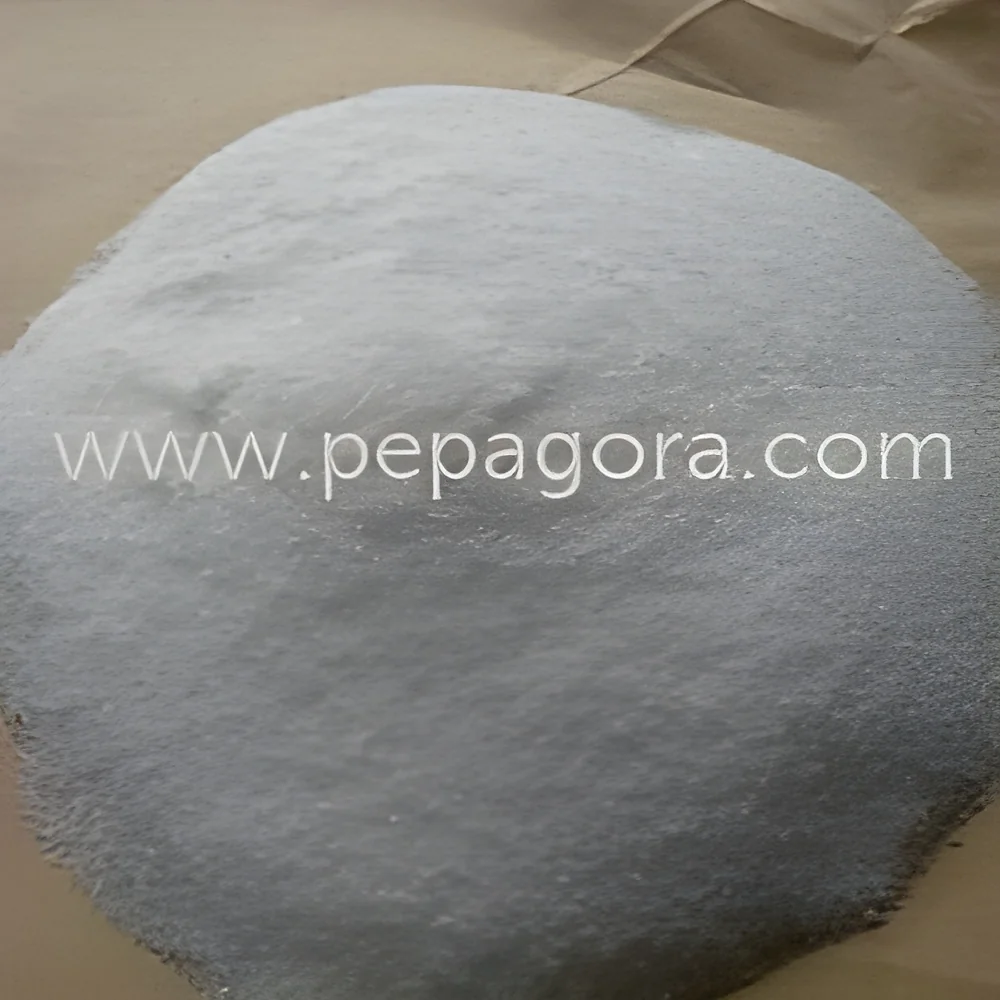
 India
India
 India
India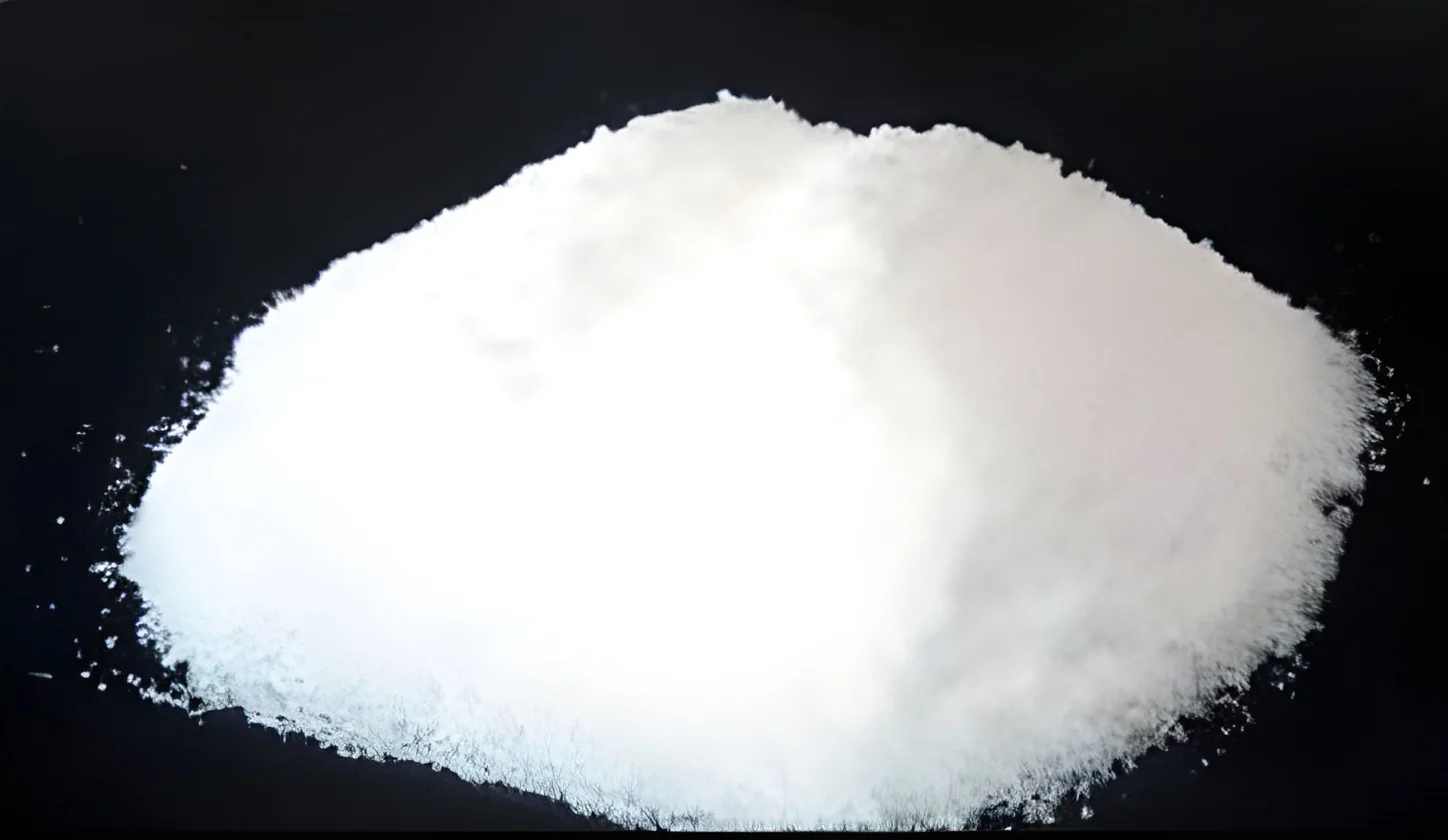
 India
India
 India
India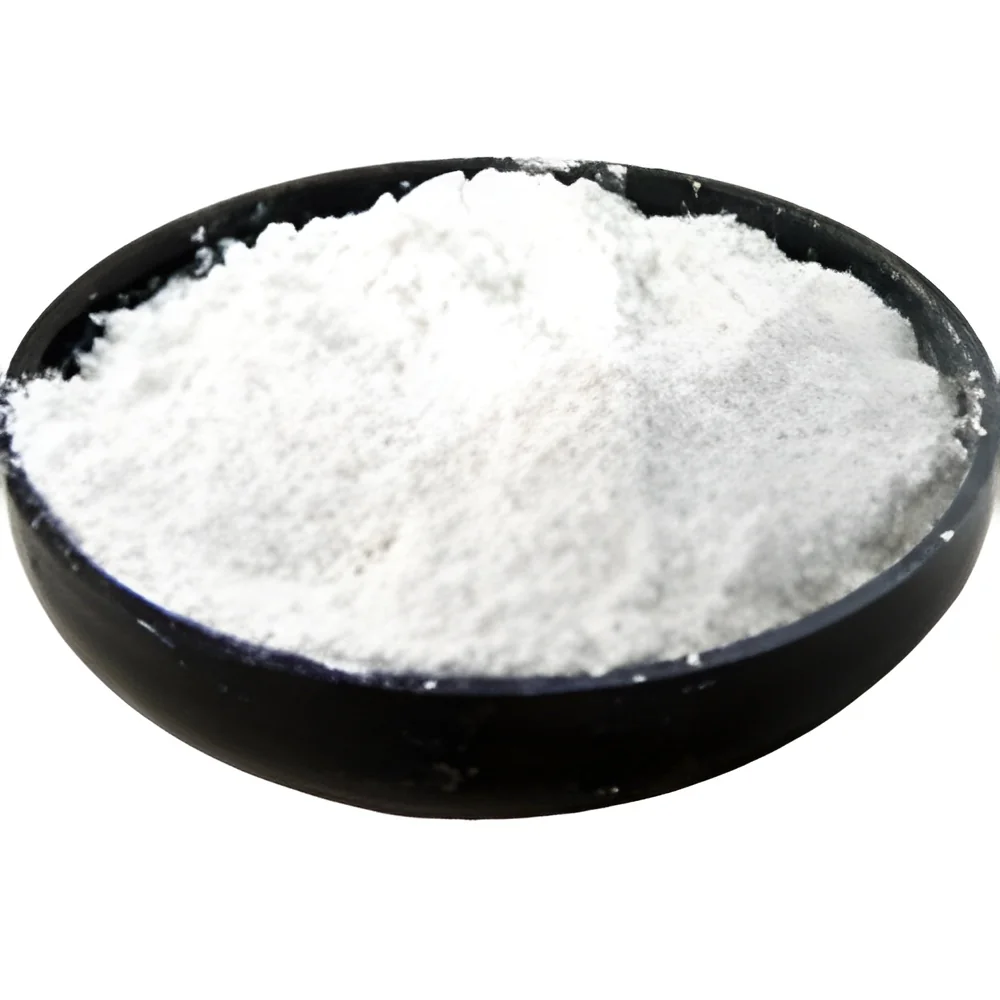
 India
India

 India
India
 India
India
 India
India
 India
India
 India
India
 India
India
 India
India
 India
India
 India
India
 India
India
 India
India
 India
India

 India
India
 India
India
 India
India

 India
India
 India
India
 India
India
 India
India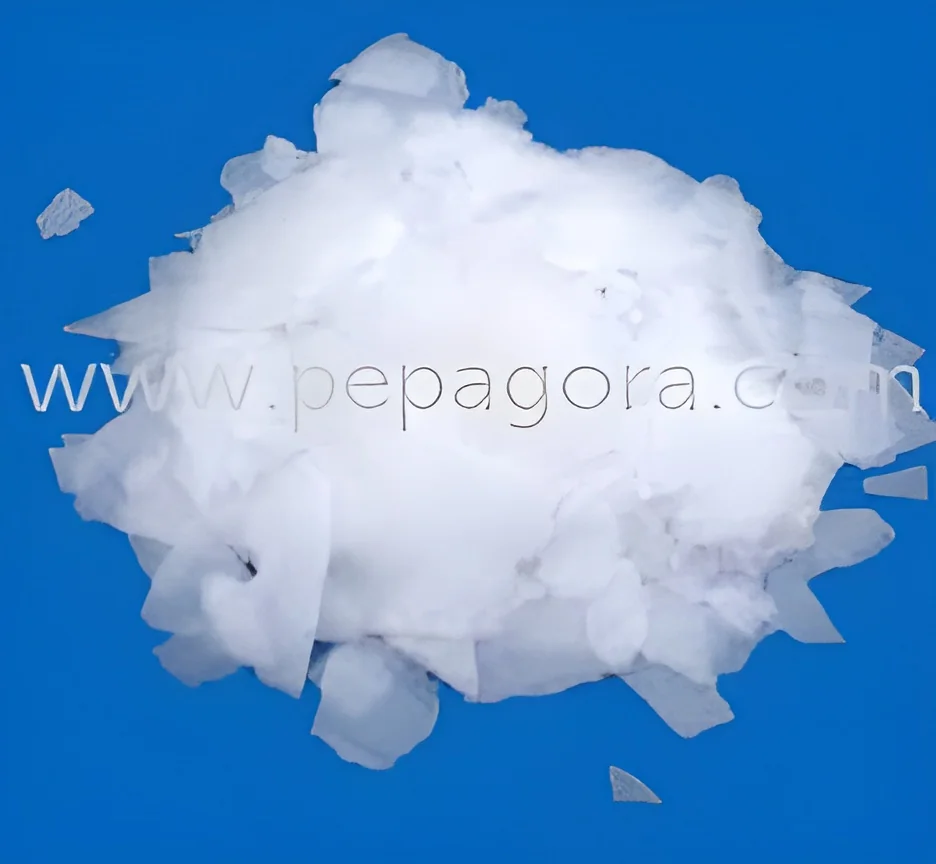
 India
India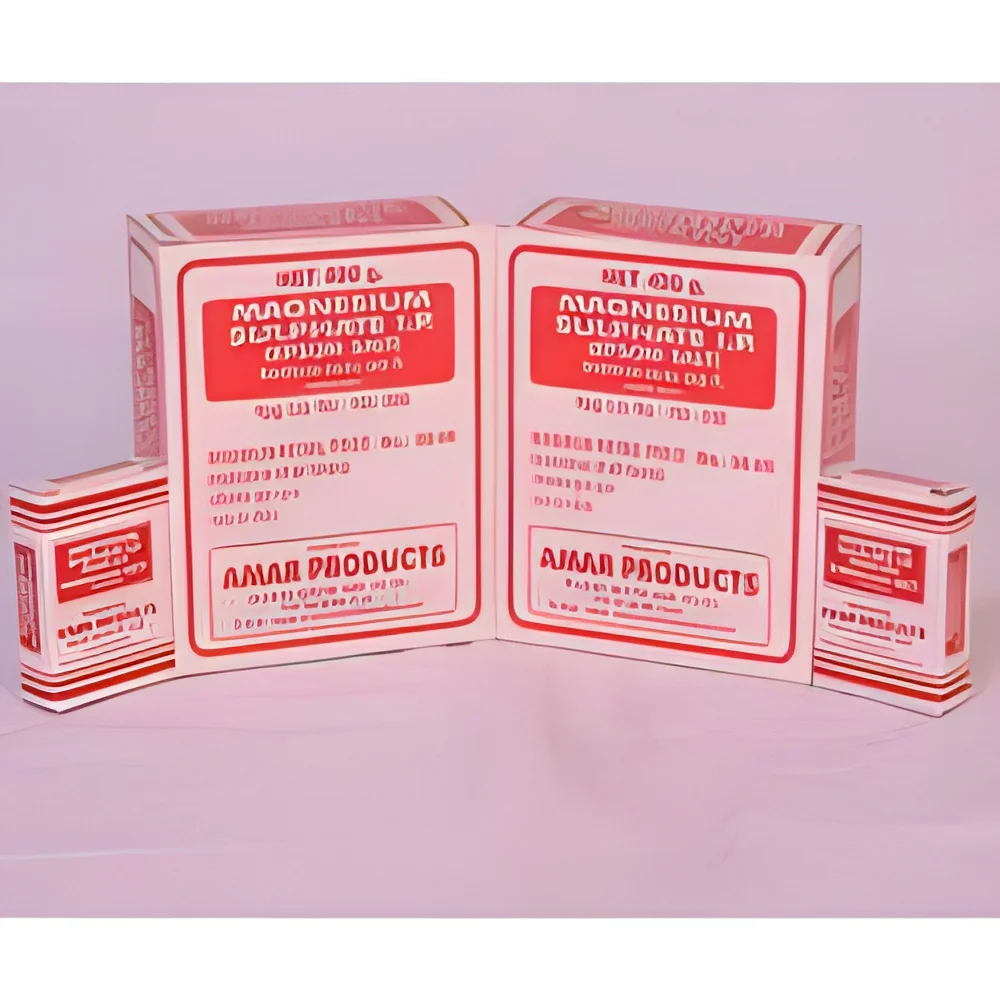
 India
India
 India
India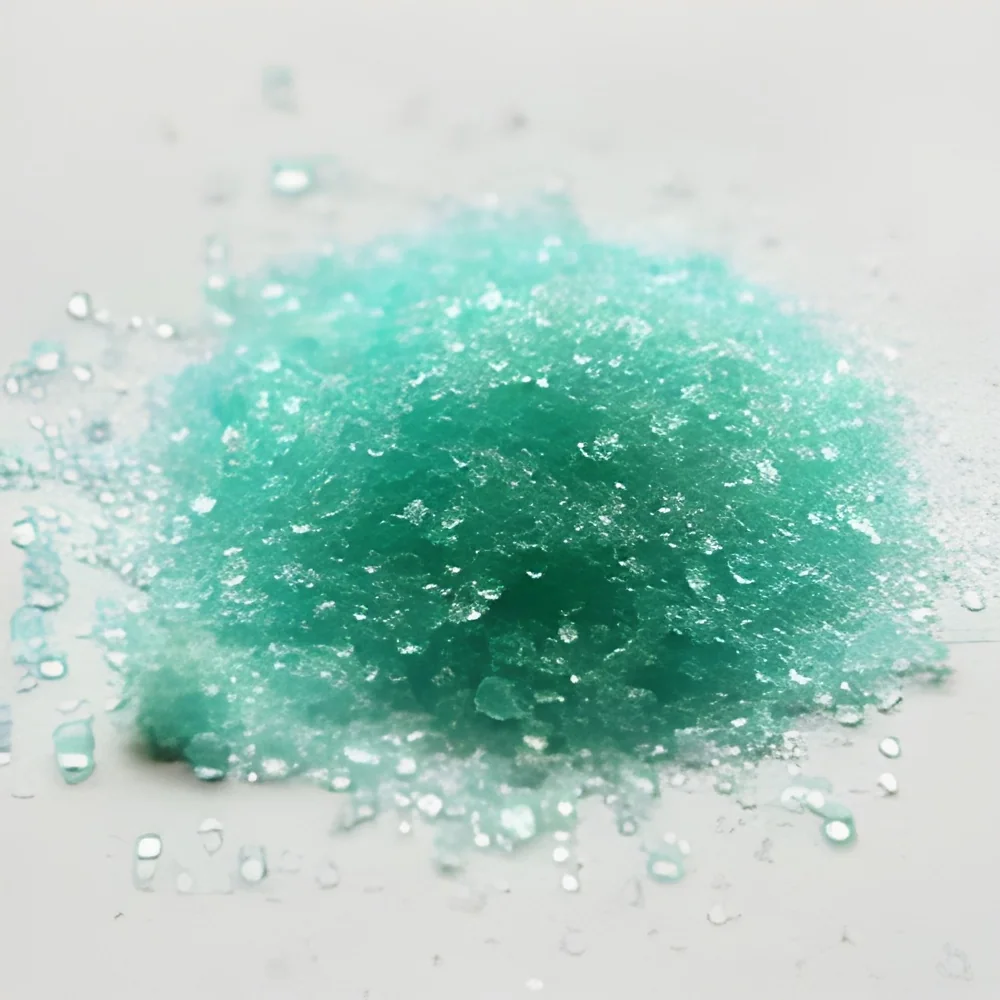
 India
India
 India
India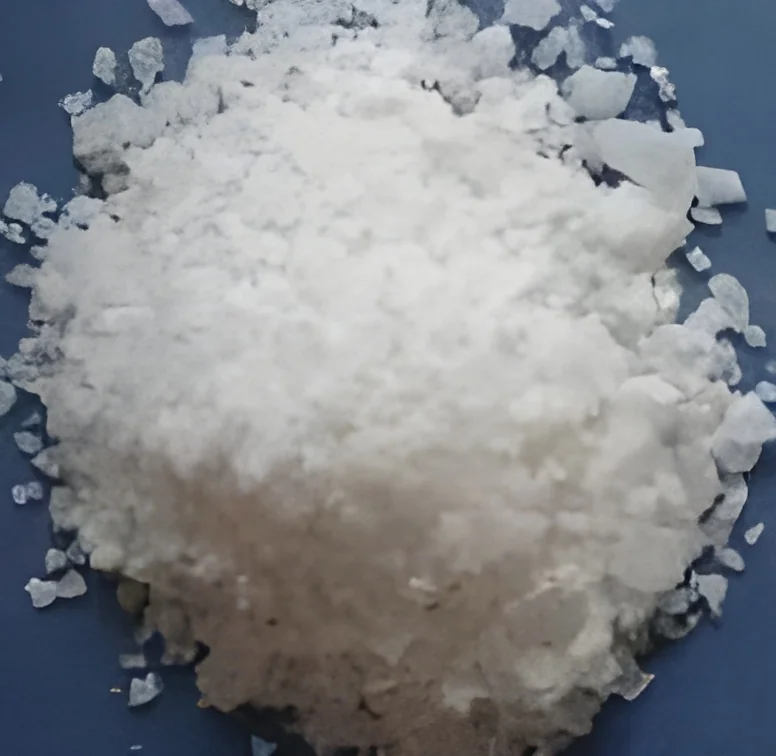
 India
India
 India
India
 India
India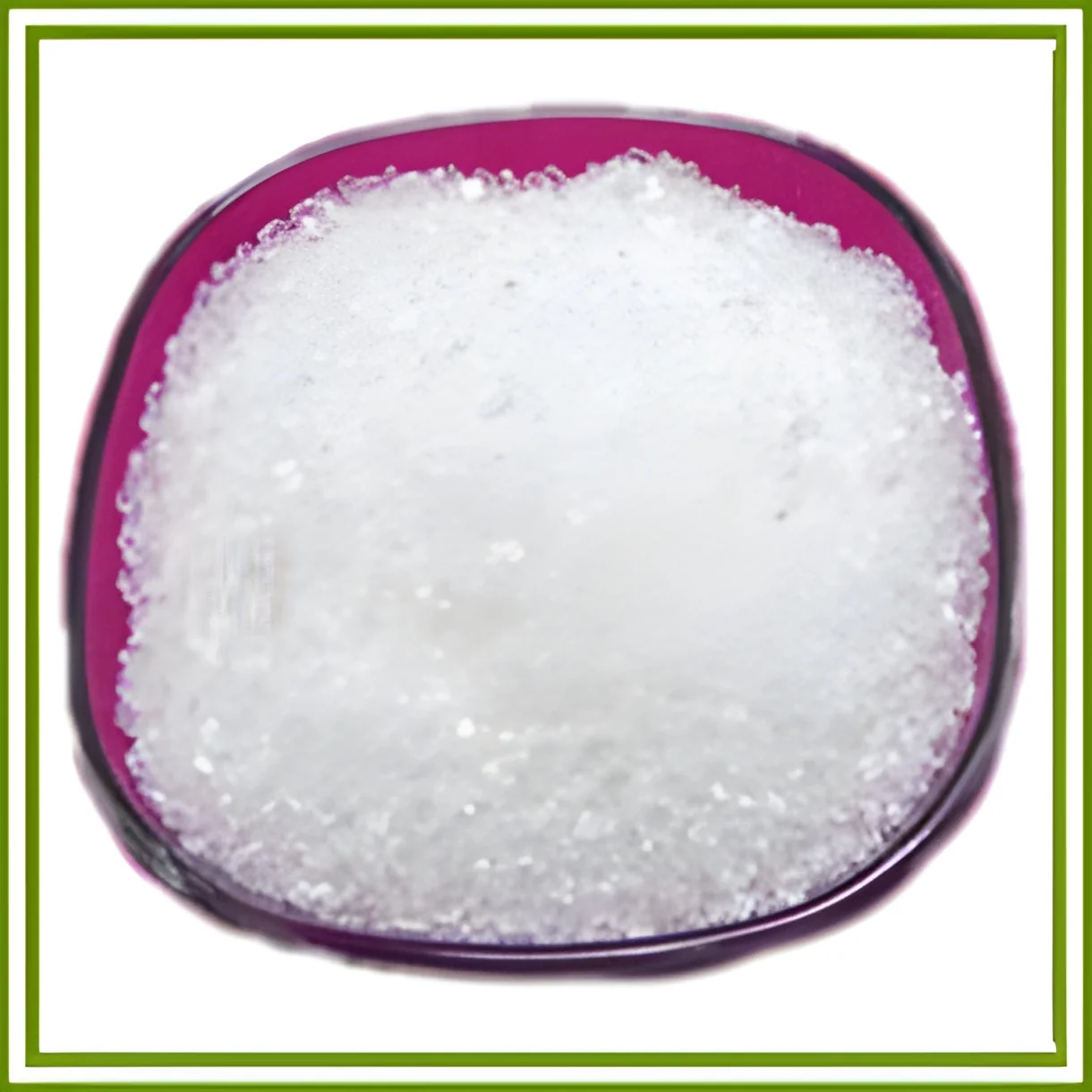 India
India
 India
India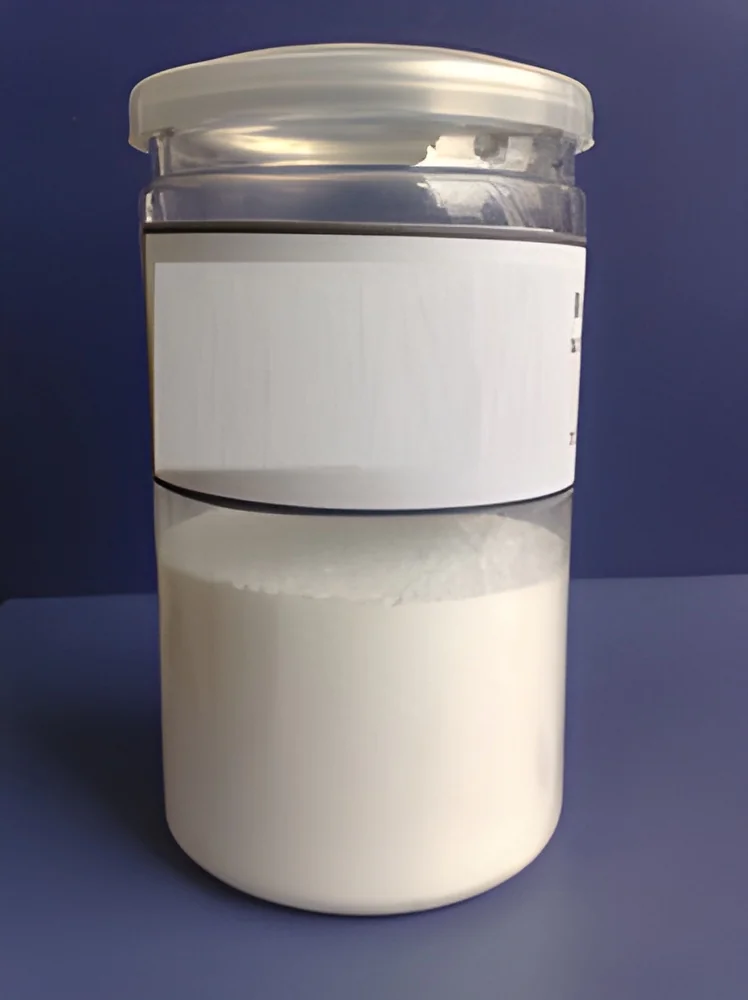
 India
India India
India
 India
India India
India India
India India
India
 India
India India
India India
India India
India
Frequently Asked Questions
What are Salts (Sodium Chloride, Ammonium Sulfate)?
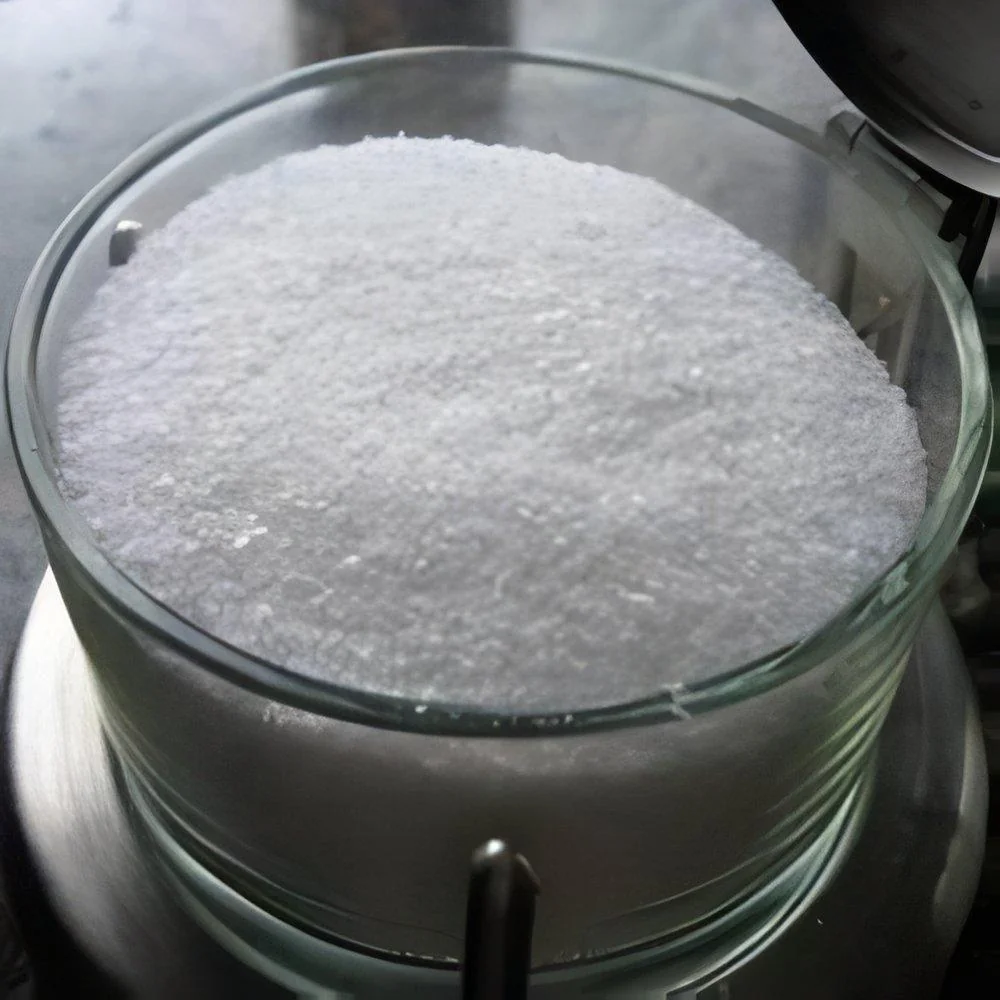
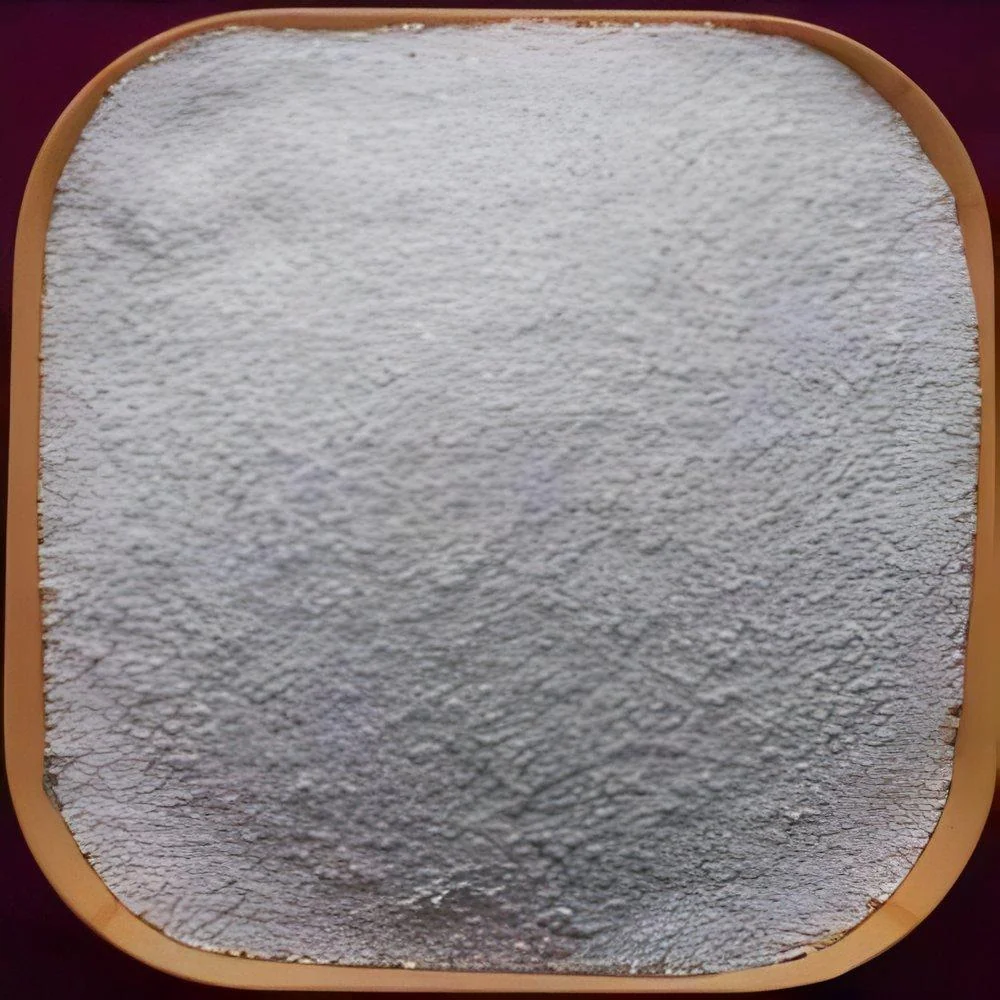
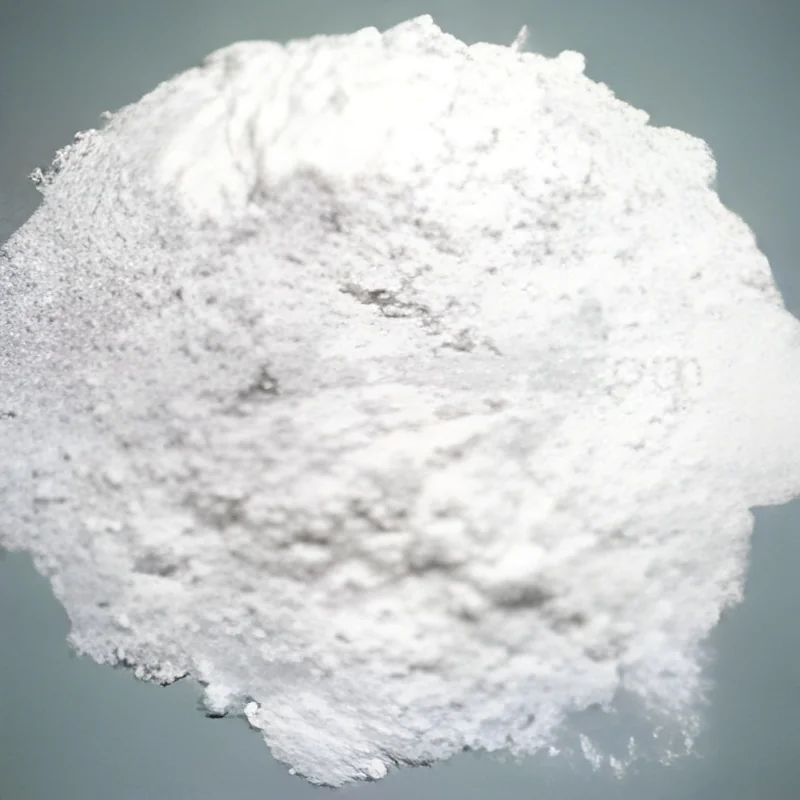
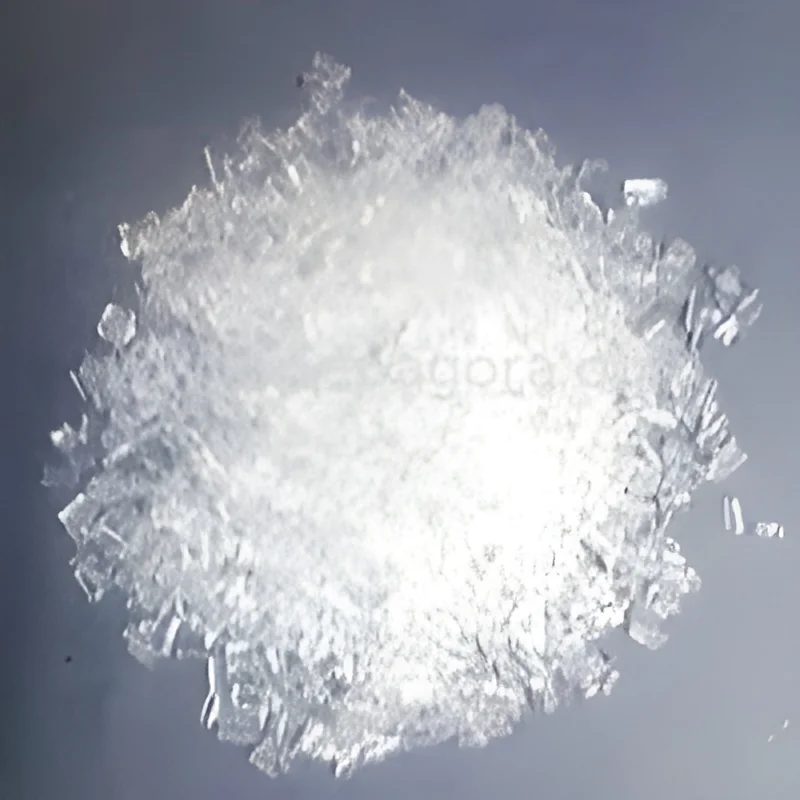
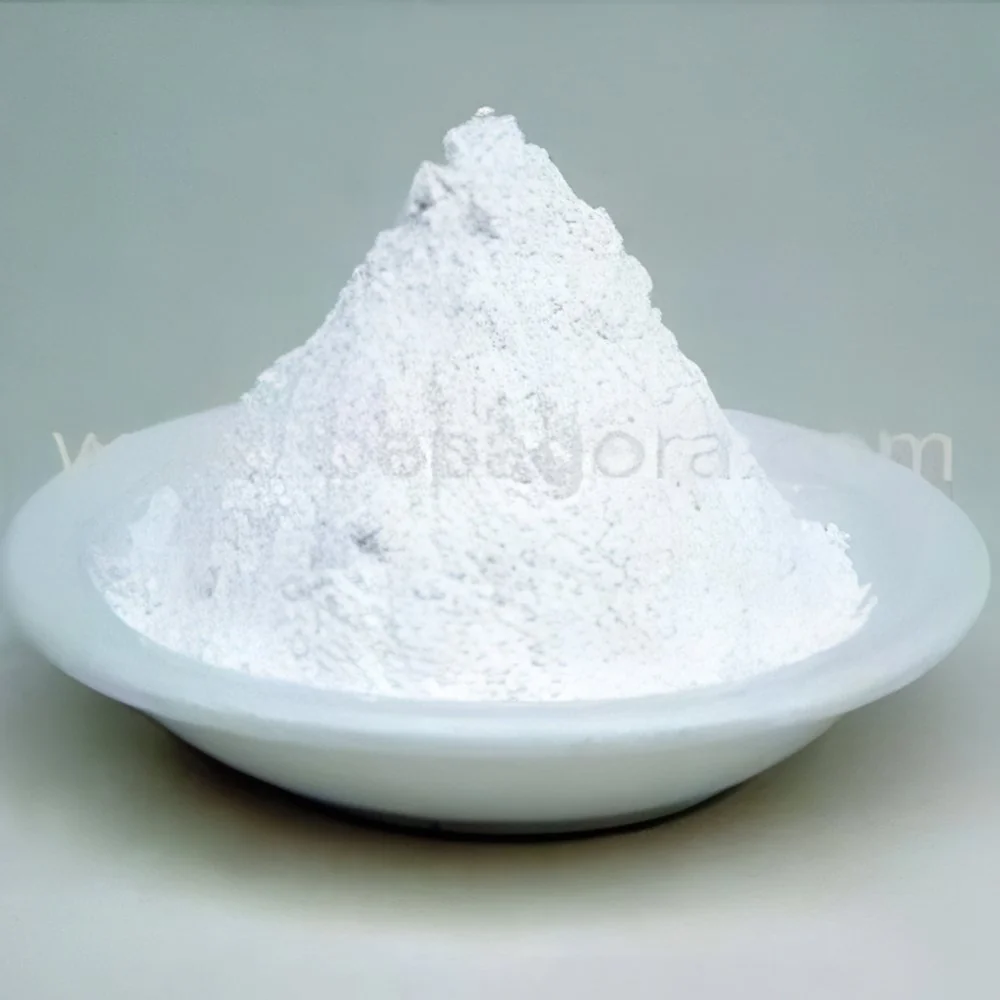
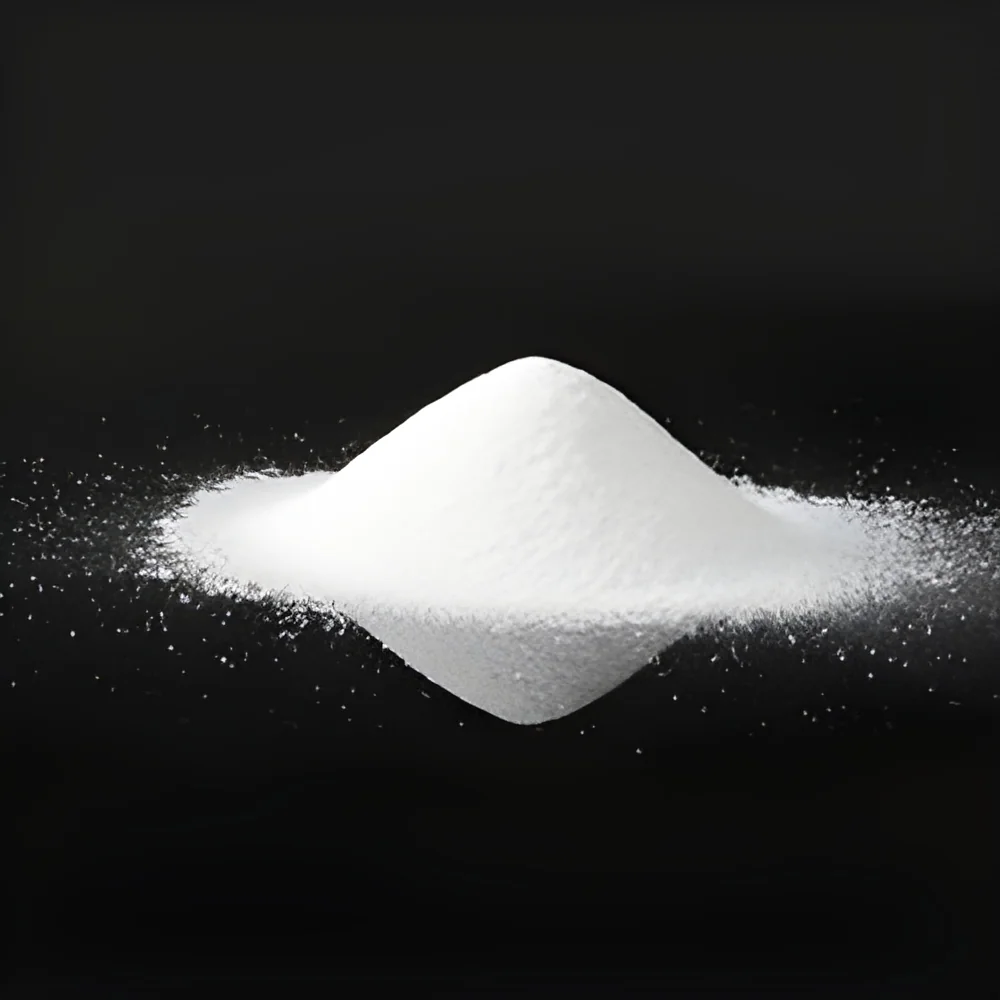
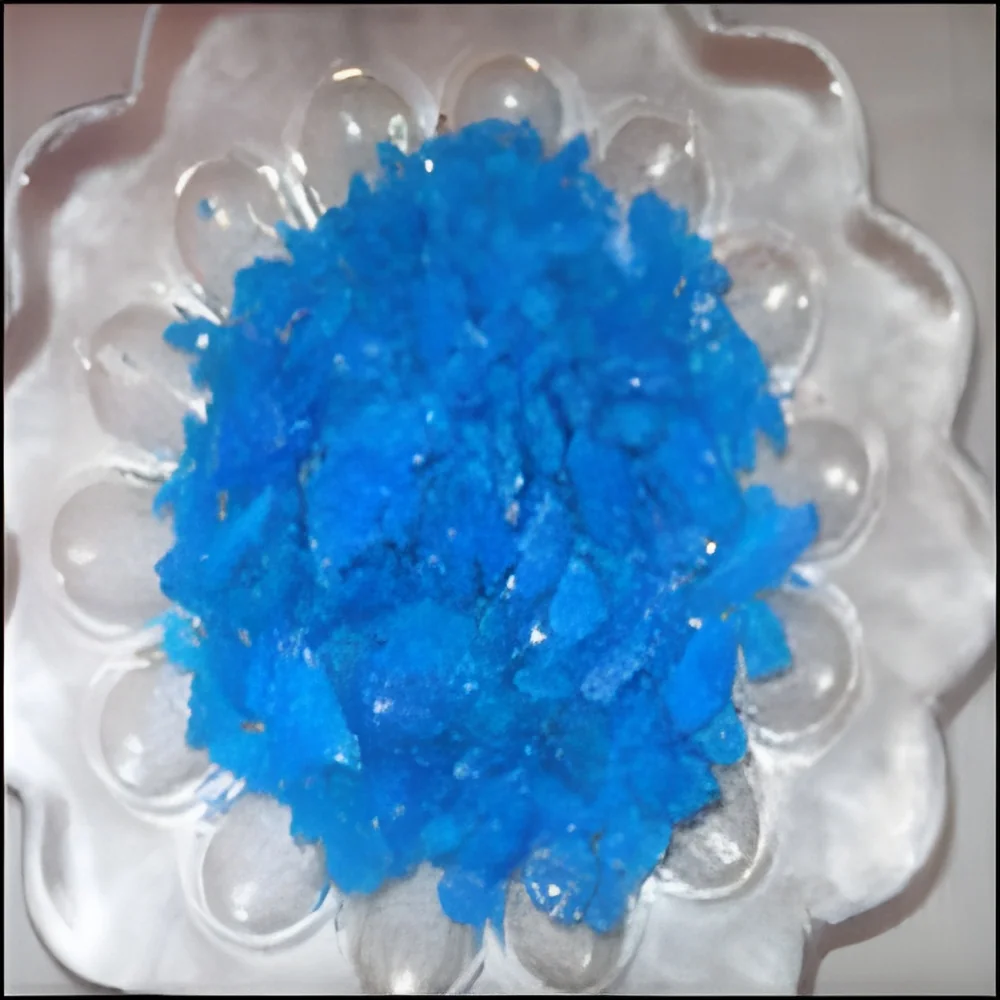
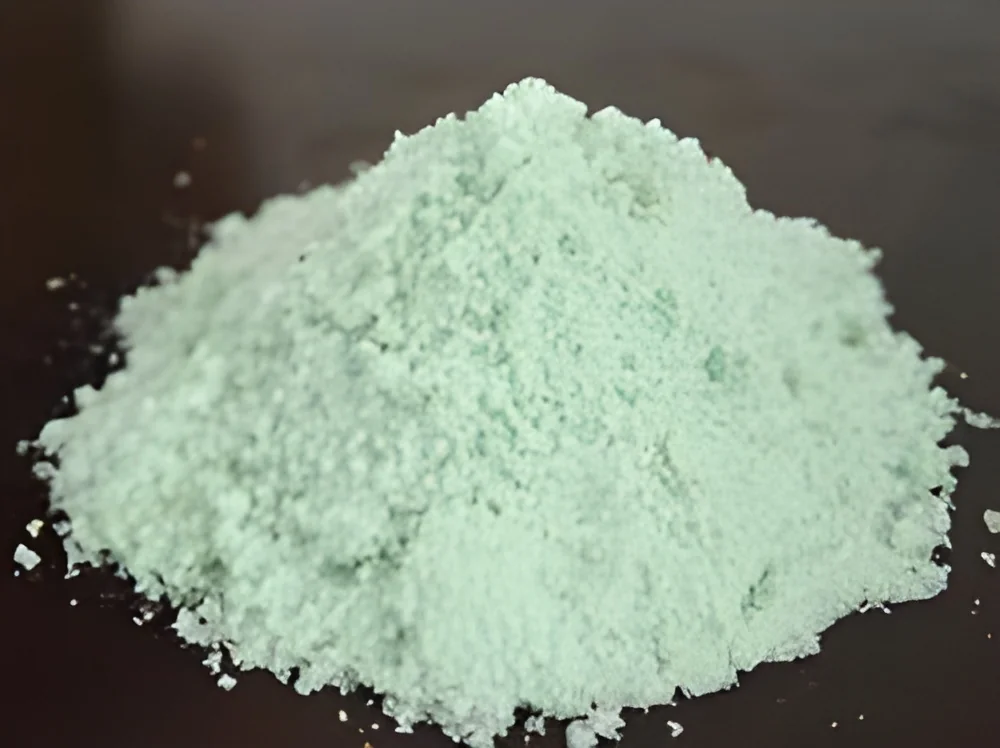
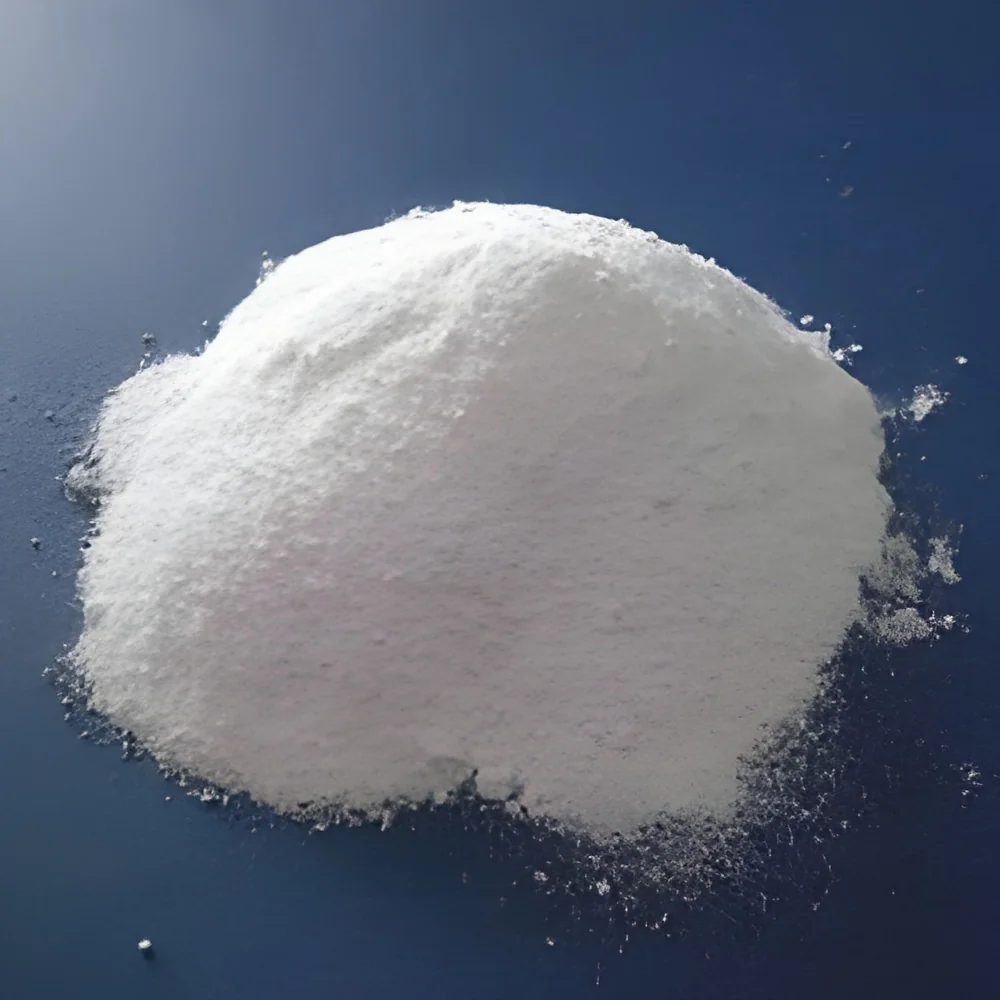
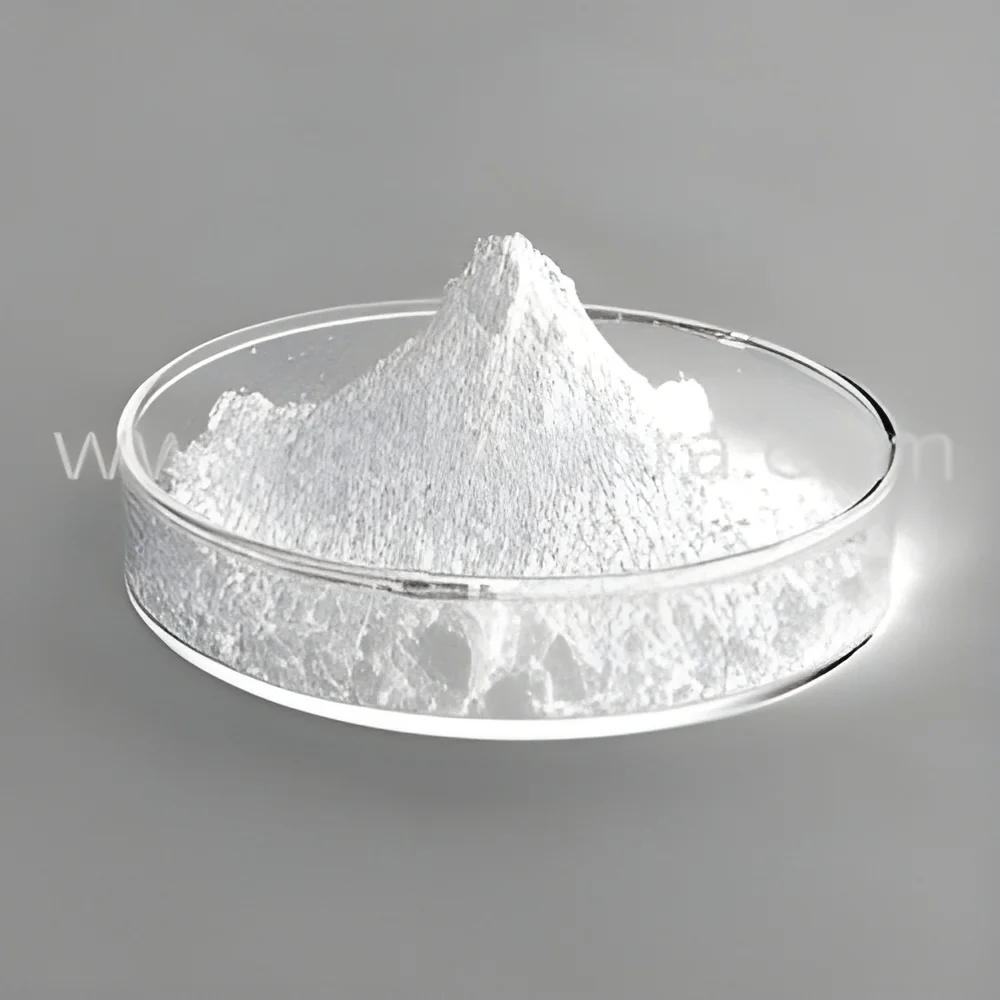
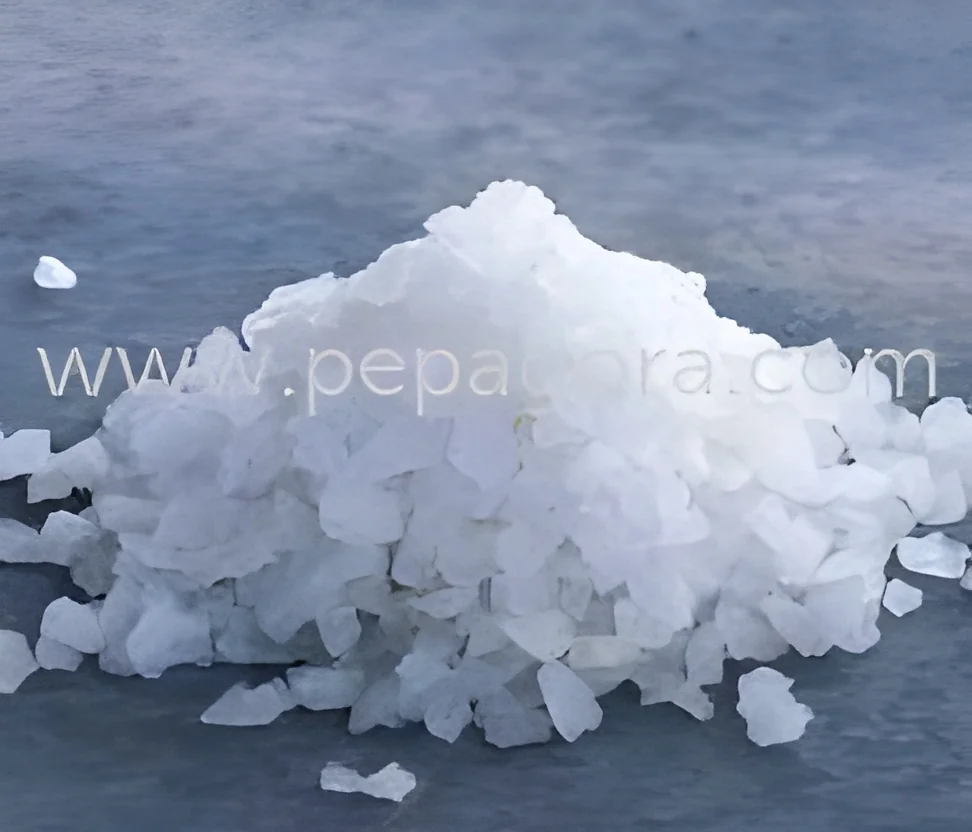
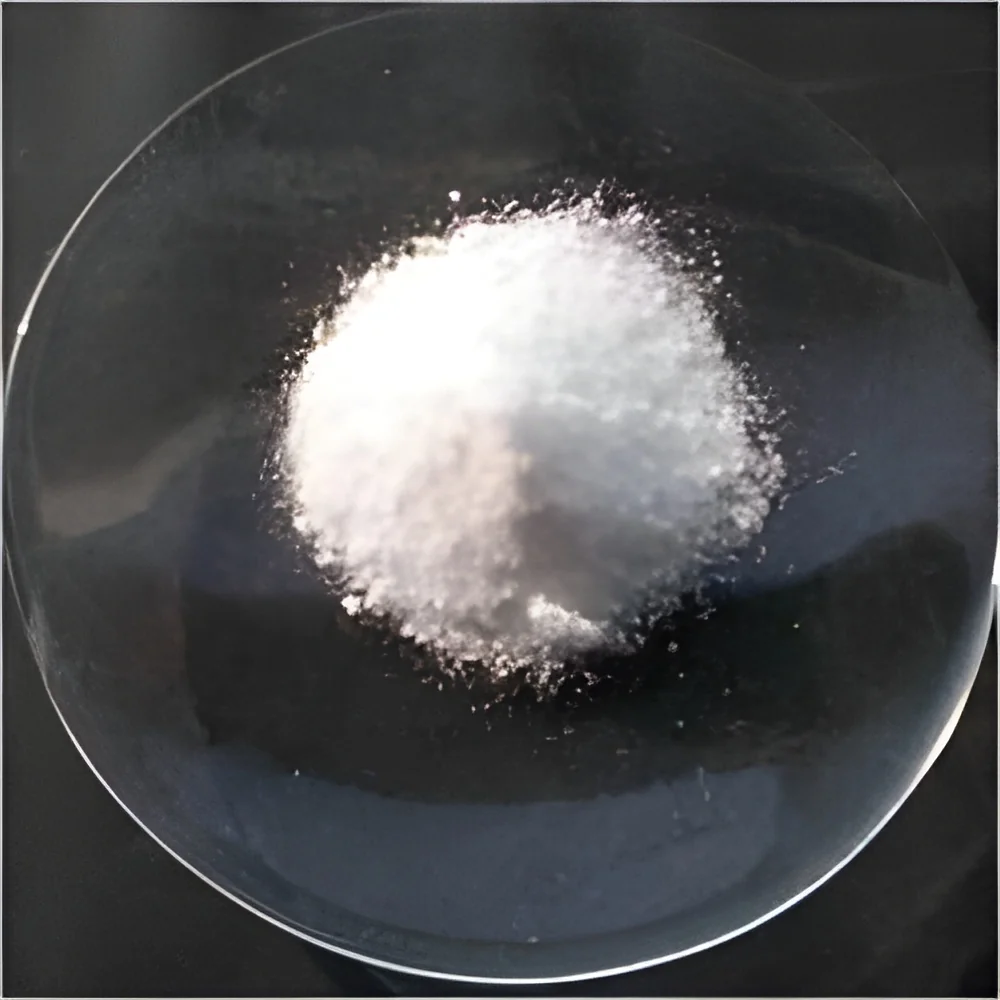
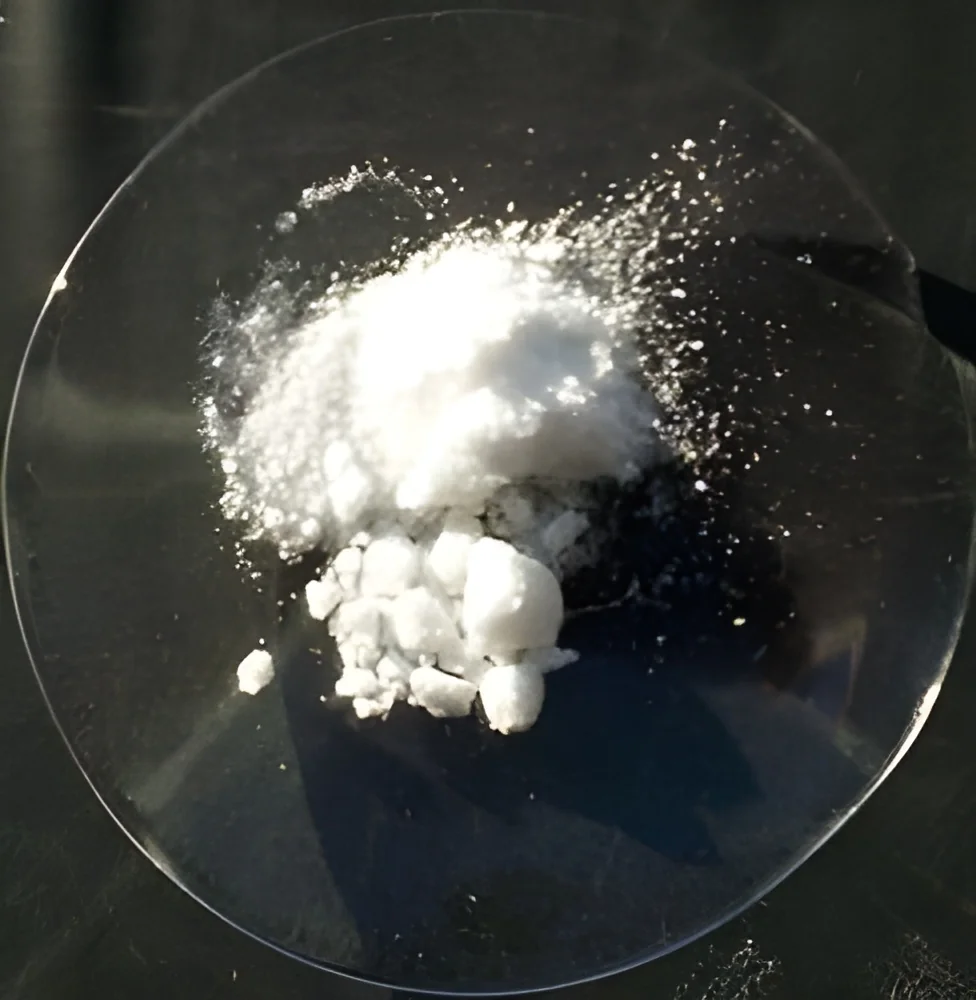
Salts, such as Sodium Chloride and Ammonium Sulfate, are ionic compounds formed by the neutralization reaction between acids and bases. Sodium Chloride, commonly known as table salt, is widely used in food preservation and seasoning, while Ammonium Sulfate is primarily utilized in fertilizers and various industrial applications.
What are the different types of Salts (Sodium Chloride, Ammonium Sulfate)?
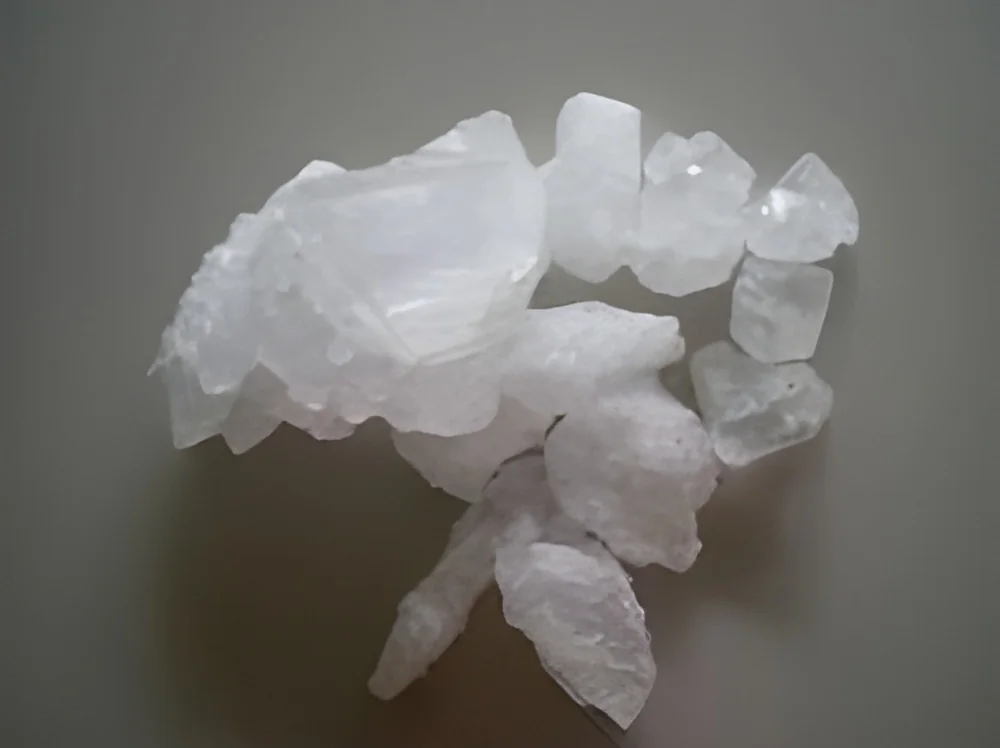
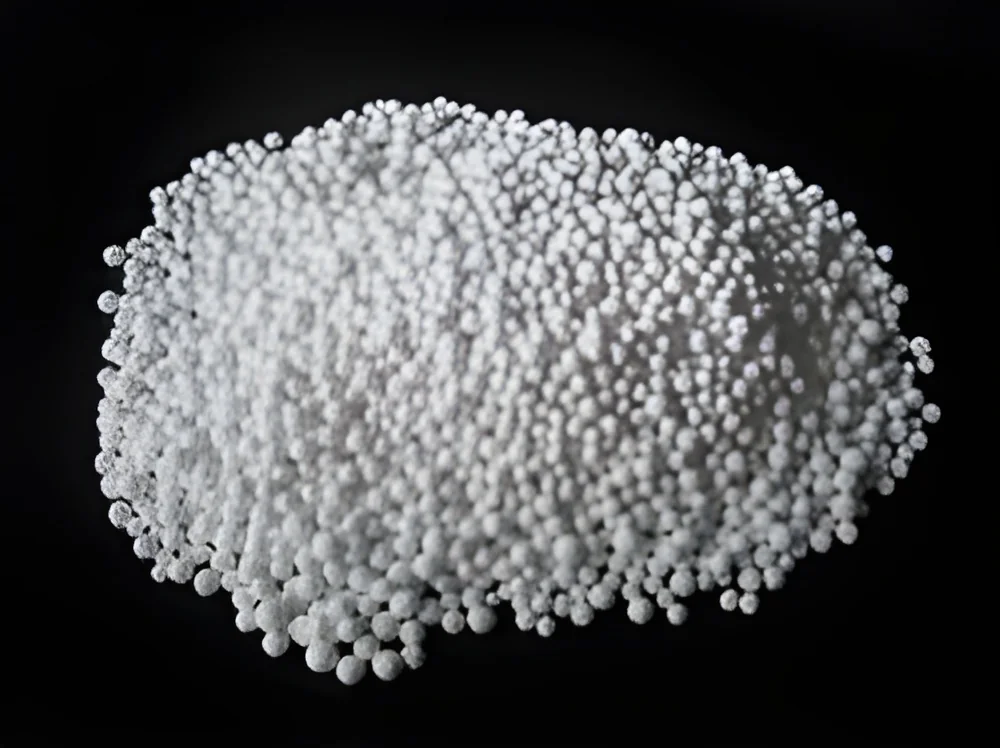
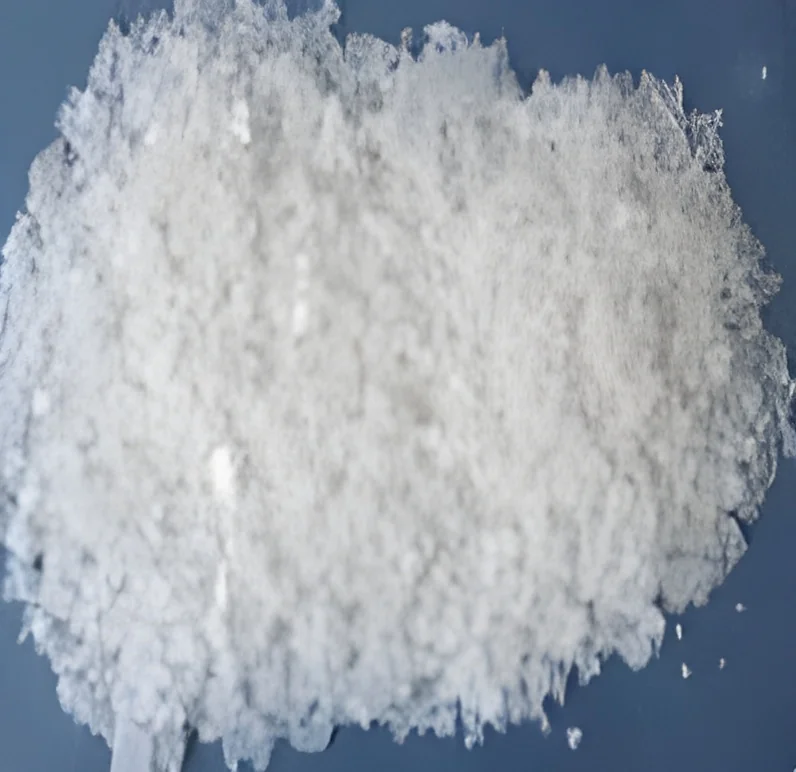
The main types of Salts in this category include Sodium Chloride and Ammonium Sulfate. Sodium Chloride is available in different grades, including food grade and industrial grade, while Ammonium Sulfate can be found in granular and crystalline forms, catering to diverse industrial and agricultural needs.
How do I choose the right Salts (Sodium Chloride, Ammonium Sulfate)?
Choosing the right Salts depends on the intended application and specific requirements. It is essential to consider factors such as purity level, physical form, and any applicable regulatory standards to ensure the product meets your needs.
What are the standard specifications for Salts (Sodium Chloride, Ammonium Sulfate)?
Standard specifications for Salts like Sodium Chloride and Ammonium Sulfate typically include parameters such as purity percentage, moisture content, particle size, and solubility. These specifications may vary based on the intended use, such as food, industrial, or agricultural applications.
What is the price range for Salts (Sodium Chloride, Ammonium Sulfate)?
The price range for Salts such as Sodium Chloride and Ammonium Sulfate can vary significantly based on factors like grade, quantity, and supplier. Generally, Sodium Chloride can range from ₹20 to ₹100 per kg, while Ammonium Sulfate prices may vary between ₹30 to ₹150 per kg.
What quality standards apply to Salts (Sodium Chloride, Ammonium Sulfate)?
Quality standards for Salts include guidelines from organizations such as the Food Safety and Standards Authority of India (FSSAI) for food-grade products, and ISO standards for industrial uses. Compliance with these standards ensures the safety and efficacy of the salts for their intended applications.
Where can I find Salts (Sodium Chloride, Ammonium Sulfate) suppliers in India?
Salts (Sodium Chloride, Ammonium Sulfate) suppliers can be found through B2B marketplaces like Pepagora, industry trade shows, and online directories. It is advisable to compare multiple suppliers to evaluate their product offerings, quality, and pricing.
Can Salts (Sodium Chloride, Ammonium Sulfate) be customized?
Yes, Salts can often be customized to meet specific requirements, such as particle size or purity levels. Many manufacturers offer customization options based on the buyer's needs, especially for industrial or agricultural applications.
What is the typical minimum order quantity for Salts (Sodium Chloride, Ammonium Sulfate)?
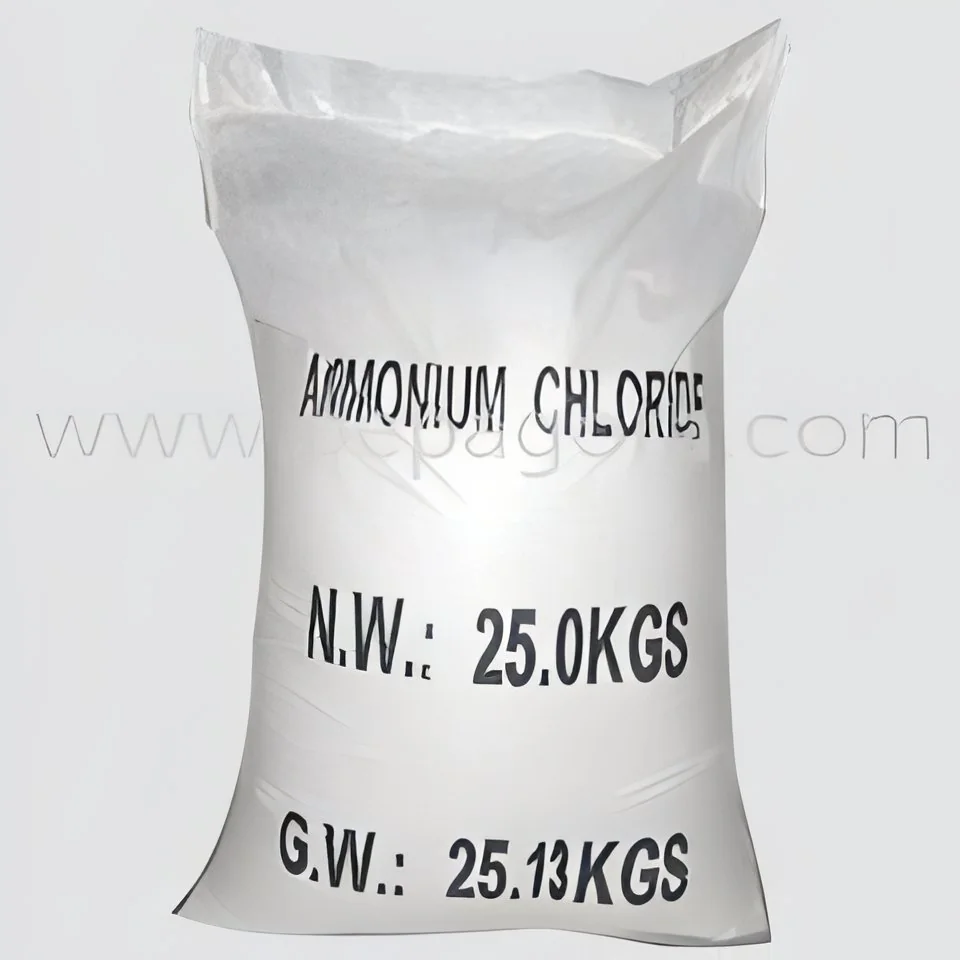
The typical minimum order quantity (MOQ) for Salts like Sodium Chloride and Ammonium Sulfate usually starts from 25 kg to 1 ton, depending on the supplier and the specific product. It is recommended to check with individual suppliers for their MOQ policies.
What is the typical lead time for Salts (Sodium Chloride, Ammonium Sulfate)?
The typical lead time for Salts can vary based on the supplier and order size, generally ranging from 7 to 30 days. Factors such as stock availability and shipping logistics may also influence the delivery timeline.
Why Businesses Trust Pepagora
Thousands of companies trust Pepagora to source smarter and sell faster
Expand Your Sales Globally

Source Smarter,Grow Faster
