
 IN
Respiratory Medications (Asthma, COPD)
8 products available
Key Features and Specifications
Respiratory medications for asthma and COPD come with a variety of features and specifications designed to meet diverse patient needs. Understanding these specifications is essential for healthcare providers and businesses involved in the distribution of these products.
Key specifications include:
1. Dosage Forms
- Inhalers, nebulizers, and oral medications
- Each form has specific delivery mechanisms for effective treatment
2. Active Ingredients
- Common active ingredients include corticosteroids, beta-agonists, and anticholinergics
- These ingredients have varying effects on airflow and inflammation
3. Delivery Mechanisms
- Metered-dose inhalers (MDIs), dry powder inhalers (DPIs), and nebulizers
- Different mechanisms cater to patient preferences and clinical requirements
4. Packaging Options
- Available in single doses or multi-dose formats
- Packaging ensures medication stability and usability
5. Shelf Life
- Varies by product but typically ranges from 12 to 24 months
- Important for inventory management and patient safety
6. Temperature Storage
- Generally requires room temperature storage to maintain efficacy
- Specific temperature ranges may vary by manufacturer
7. Humidity Control
- Certain formulations may require controlled humidity to prevent degradation
- Essential for maintaining product integrity
8. Compliance with Regulations
- Must adhere to local and international regulatory standards
- Ensures safety and efficacy for end-users
In summary, the specifications of respiratory medications are crucial for ensuring effective treatment and patient satisfaction. Understanding these features helps businesses make informed decisions regarding procurement and distribution.
Common Applications and Use Cases
Respiratory medications for asthma and COPD find applications across various industries due to their critical role in patient health.
1. Healthcare Providers: Hospitals and clinics use these medications to manage acute and chronic respiratory conditions, ensuring patients receive timely and effective treatment.
2. Home Healthcare: Many patients require ongoing management of asthma and COPD at home, making inhalers and nebulizers essential for daily use.
3. Pharmaceutical Companies: Manufacturers develop and distribute these medications, playing a vital role in advancing treatment methodologies and patient care.
4. Research Institutions: Studies on asthma and COPD often involve these medications, contributing to the development of new therapies and improved understanding of respiratory diseases.
5. Emergency Services: First responders utilize quick-relief medications for immediate action during asthma attacks or COPD exacerbations, highlighting the importance of rapid access to treatment.
6. Health Insurance Providers: Coverage plans often include respiratory medications, making them a crucial component of healthcare management strategies.
7. Academic Institutions: Medical schools and universities incorporate these medications into their training programs, preparing future healthcare professionals to manage respiratory conditions effectively.
Product Variants and Subcategories
Respiratory medications are diverse, catering to different patient needs and treatment protocols.
Inhalers: These devices deliver medication directly to the lungs. They come in metered-dose and dry powder forms, providing targeted relief and control for asthma and COPD patients.
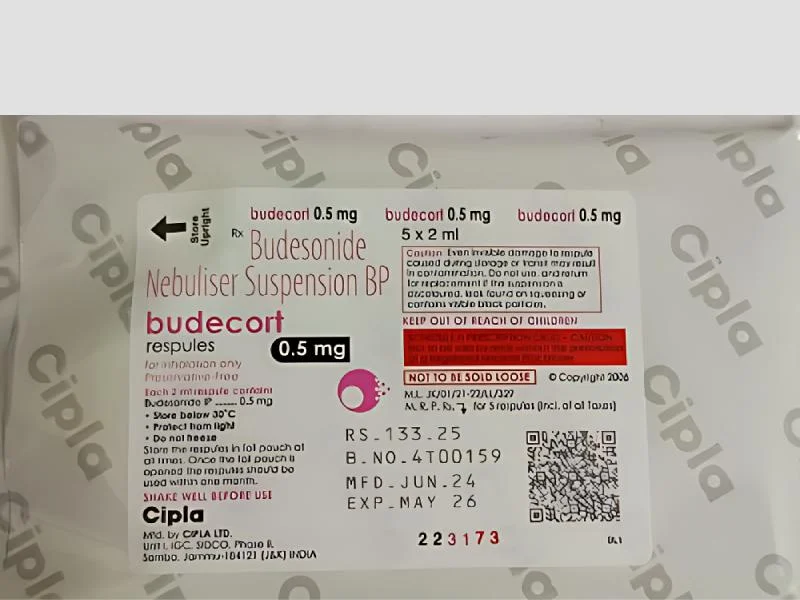
Nebulizers: These devices convert liquid medication into a mist, making it easier for patients who struggle with inhalers. Nebulizers are often used in more severe cases of respiratory conditions.
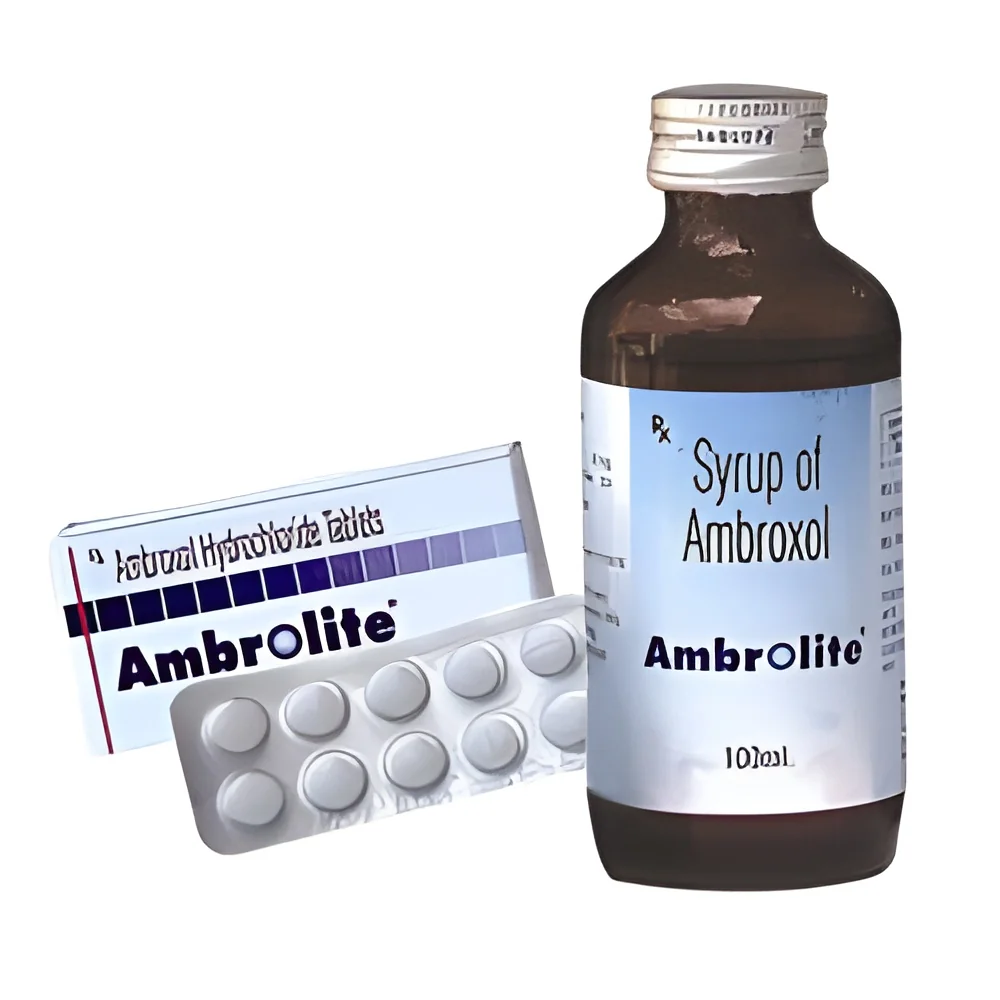
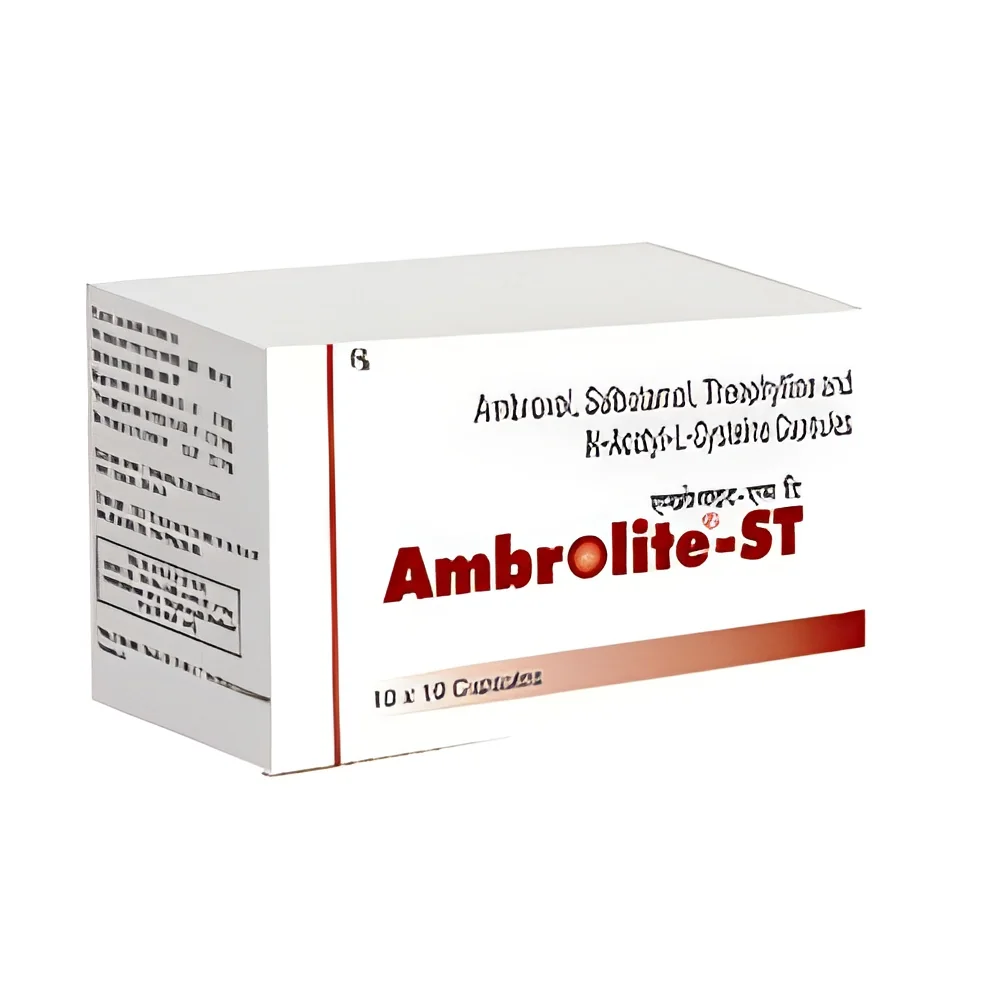
Oral Medications: Some patients may require oral corticosteroids or other medications to manage their symptoms. These forms are typically used for long-term control in conjunction with inhaled therapies.
Benefits and Advantages
Respiratory medications for asthma and COPD offer several benefits to patients and healthcare providers alike.
1. Improved Lung Function: These medications help to open airways and reduce inflammation, enhancing overall respiratory function.
2. Symptom Control: Regular use of these medications can significantly reduce the frequency and severity of asthma attacks and COPD flare-ups.
3. Enhanced Quality of Life: Patients experience fewer limitations in daily activities, allowing them to maintain an active lifestyle.
4. Customizable Treatment Plans: The variety of available medications allows healthcare providers to tailor treatment plans to individual patient needs.
5. Accessibility: With a wide range of products available, patients can find suitable options that fit their specific circumstances.
6. Ongoing Research and Development: Continuous advancements in respiratory medications lead to improved formulations and delivery methods, offering better outcomes for patients.
Buying Guide for B2B Buyers
When sourcing respiratory medications for asthma and COPD, several key factors should be considered to ensure quality and compliance.
1. Quality Assessment: Evaluate products based on their active ingredients and efficacy. Look for medications that meet established safety standards to ensure patient health.
2. Supplier Verification: Vet suppliers by checking certifications, customer reviews, and compliance with regulatory guidelines. A reliable supplier can provide assurance of product quality.
3. Pricing and MOQ: Understand the pricing structures and minimum order quantities (MOQs) to make informed purchasing decisions. Compare quotes from multiple suppliers to get the best value.
4. Delivery and Lead Times: Consider logistics and shipping times to ensure timely availability of medications. Delays can impact patient care and treatment outcomes.
5. Compliance Requirements: Ensure that all products meet local regulations and industry standards. This is essential for legal compliance and patient safety.
Compliance and Certifications
Respiratory medications for asthma and COPD must adhere to various quality standards and certifications to ensure safety and efficacy.
Relevant quality standards include ISO 9001, which outlines quality management practices to ensure consistent product quality. Additionally, HACCP (Hazard Analysis Critical Control Point) is essential for managing food safety, particularly for oral medications.
Industry certifications, such as CE marking, indicate that a product meets European safety, health, and environmental protection standards. This certification is crucial for accessing certain markets.
Safety and testing requirements involve rigorous clinical trials and quality testing to validate the effectiveness and safety of the medications. Manufacturers must comply with these stringent requirements to bring safe products to market.
Regional compliance considerations include adhering to local regulations, which may vary by country. Understanding these regulations is essential for businesses operating in multiple regions.
Why Source Respiratory Medications (Asthma, COPD) from Pepagora?
Pepagora provides a trusted platform for sourcing respiratory medications, offering several key advantages to B2B buyers.
Verified Supplier Network: Pepagora connects buyers with a network of verified suppliers, ensuring access to high-quality medications. Each supplier undergoes a thorough vetting process, which guarantees reliability.
Streamlined RFQ Process: The request for quotation (RFQ) system simplifies the procurement process. Buyers can easily compare prices and terms, facilitating informed decision-making.
Trade Assurance and Support: Pepagora offers trade assurance, protecting buyers against potential risks. Support services are also available to assist buyers throughout the purchasing journey.
Regional Coverage: With a strong presence in India, the GCC, and Southeast Asia, Pepagora enables buyers to access a wide range of respiratory medications across diverse markets. This geographical reach enhances sourcing opportunities for businesses.


 India

 India
 India
 India

 India

Frequently Asked Questions
What are Respiratory Medications (Asthma, COPD)?
Respiratory Medications for Asthma and COPD are pharmaceutical products designed to treat conditions affecting the airways and lungs. These medications help to alleviate symptoms such as wheezing, shortness of breath, and coughing by reducing inflammation, opening airways, or managing mucus production.
What are the different types of Respiratory Medications (Asthma, COPD)?
There are several types of Respiratory Medications for Asthma and COPD, including bronchodilators, corticosteroids, leukotriene modifiers, and combination inhalers. Bronchodilators help to relax the muscles around the airways, while corticosteroids reduce inflammation. Leukotriene modifiers block substances that cause airway constriction.
How do I choose the right Respiratory Medications (Asthma, COPD)?
Choosing the right Respiratory Medications involves consulting with a healthcare professional who can assess your specific condition and symptoms. Factors such as the severity of the disease, any existing health issues, and patient preferences will guide the decision on the most appropriate medication.
What are the standard specifications for Respiratory Medications (Asthma, COPD)?
Standard specifications for Respiratory Medications typically include the active ingredients, dosage form (inhalers, tablets, etc.), concentration, and method of administration. Additionally, they must comply with regulatory standards set by health authorities to ensure safety and efficacy.
What is the price range for Respiratory Medications (Asthma, COPD)?
The price range for Respiratory Medications can vary significantly based on the type of medication, brand, and manufacturer. Generally, prices may start from a few hundred rupees for basic medications and can go up to several thousand rupees for advanced treatments or combination therapies.
What quality standards apply to Respiratory Medications (Asthma, COPD)?
Respiratory Medications must adhere to stringent quality standards set by regulatory bodies such as the Drugs Controller General of India (DCGI). These standards include Good Manufacturing Practices (GMP), stability testing, and proper labeling to ensure safety and efficacy for consumers.
Where can I find Respiratory Medications (Asthma, COPD) suppliers in India?
You can find Respiratory Medications suppliers in India through various online B2B marketplaces, pharmaceutical trade shows, and industry directories. Pepagora.com can help connect you with reputable manufacturers and suppliers in this category.
Can Respiratory Medications (Asthma, COPD) be customized?
Yes, some manufacturers may offer customized formulations of Respiratory Medications based on specific patient needs or preferences. Customization could involve altering the dosage form, concentration, or packaging to suit particular medical requirements.
What is the typical minimum order quantity for Respiratory Medications (Asthma, COPD)?
The typical minimum order quantity (MOQ) for Respiratory Medications varies by supplier and product type. Generally, MOQs can range from a few units to several hundred, depending on the manufacturer's policies and the nature of the medication.
What is the typical lead time for Respiratory Medications (Asthma, COPD)?
The typical lead time for Respiratory Medications can vary based on the manufacturer and order size. Generally, it may take anywhere from 2 to 4 weeks for standard orders, while custom orders may require additional time for formulation and production.
Why Businesses Trust Pepagora
Thousands of companies trust Pepagora to source smarter and sell faster
Expand Your Sales Globally

Source Smarter,Grow Faster
