
 IN
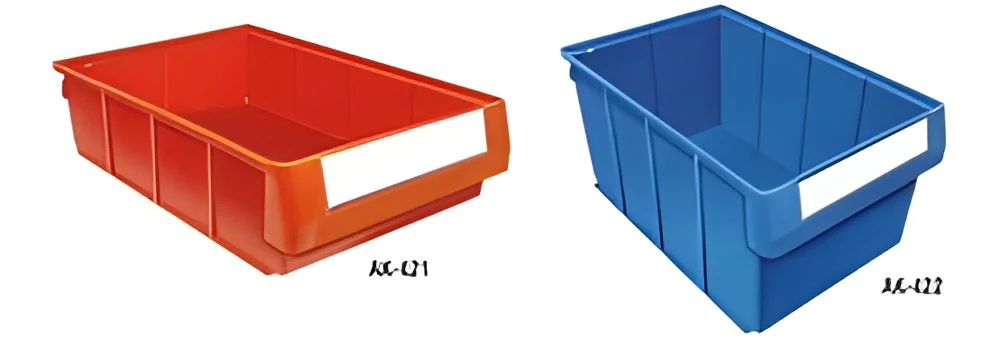
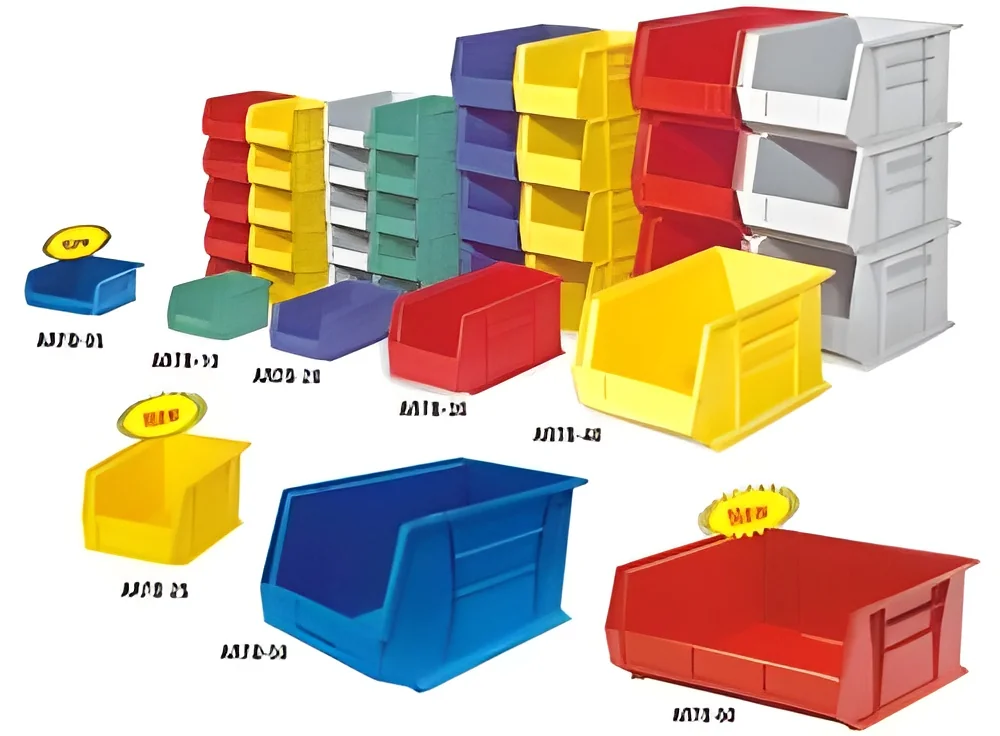
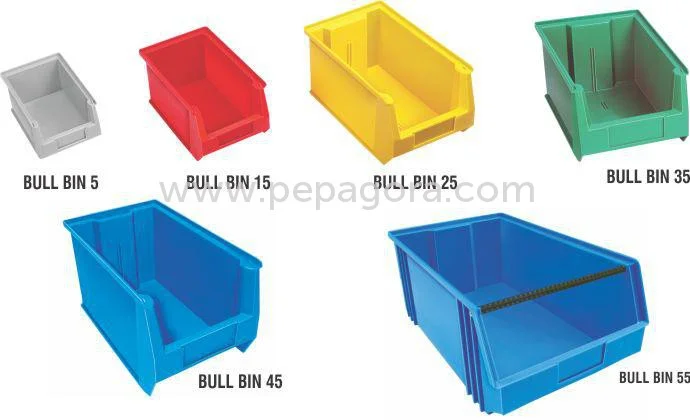
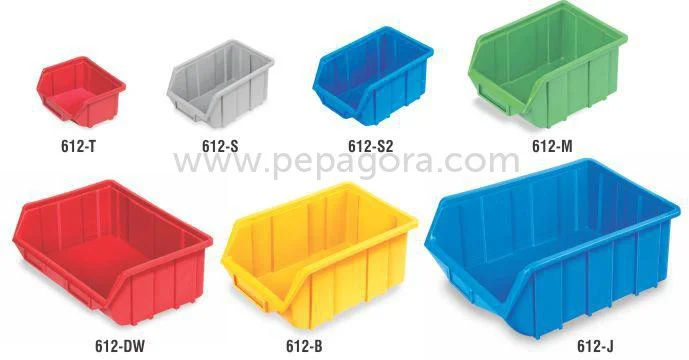
Reinforced Storage Bins
54 products available
What are Reinforced Storage Bins?
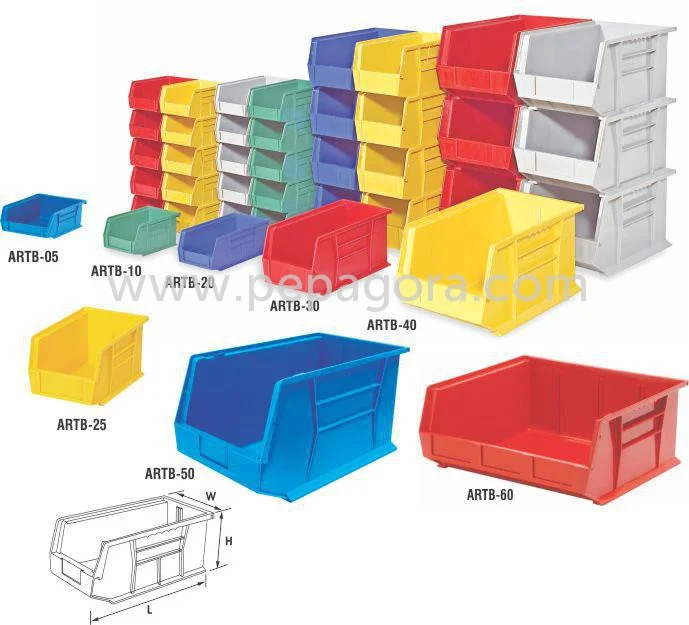
Reinforced storage bins are durable containers designed to securely store and transport various industrial materials. These bins are constructed with added strength and support to withstand heavy loads, making them ideal for demanding environments. Their robust design ensures longevity and reliability, allowing businesses to efficiently manage inventory and materials.
These storage bins are commonly used in warehouses, manufacturing facilities, and logistics operations. They provide a practical solution for organizing parts, tools, and raw materials. By facilitating easy access and efficient storage, businesses can improve workflow and reduce operational costs. The versatility of reinforced storage bins allows them to cater to a wide range of applications across different sectors.
In the current market, the demand for reinforced storage bins is increasing as industries focus on optimizing storage solutions. As businesses seek to enhance their supply chain management and warehouse efficiency, these bins offer a strong option for meeting operational needs. Their relevance spans various sectors, including manufacturing, automotive, retail, and logistics.
Key Features and Specifications
Reinforced storage bins offer a range of features that enhance their utility and performance. These specifications are critical for businesses looking for reliable storage solutions.
Key specifications include:
1. Material Composition
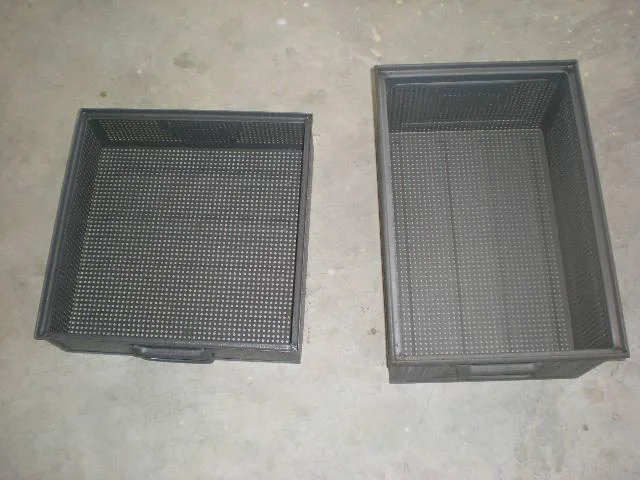
- Typically made from high-density polyethylene or other resilient plastics
- Designed to resist impacts, chemicals, and UV rays
2. Load Capacity
- Varies by size, generally ranging from 50 to 500 pounds
- Suitable for heavy-duty applications
3. Dimensions
- Available in various sizes, commonly ranging from 12 to 48 inches in length
- Custom sizes may be available upon request
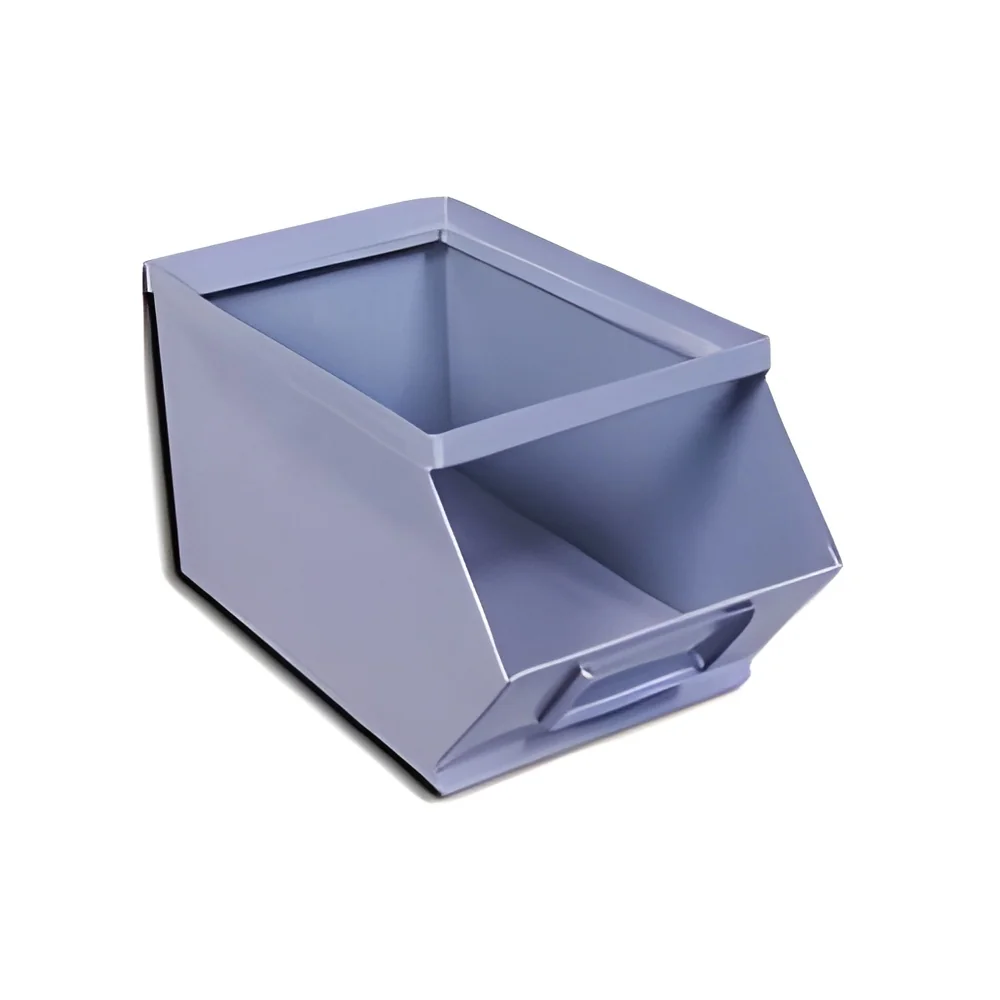
4. Stackability
- Designed for space efficiency, bins can be stacked securely
- Promotes effective use of vertical storage space
5. Ventilation Options
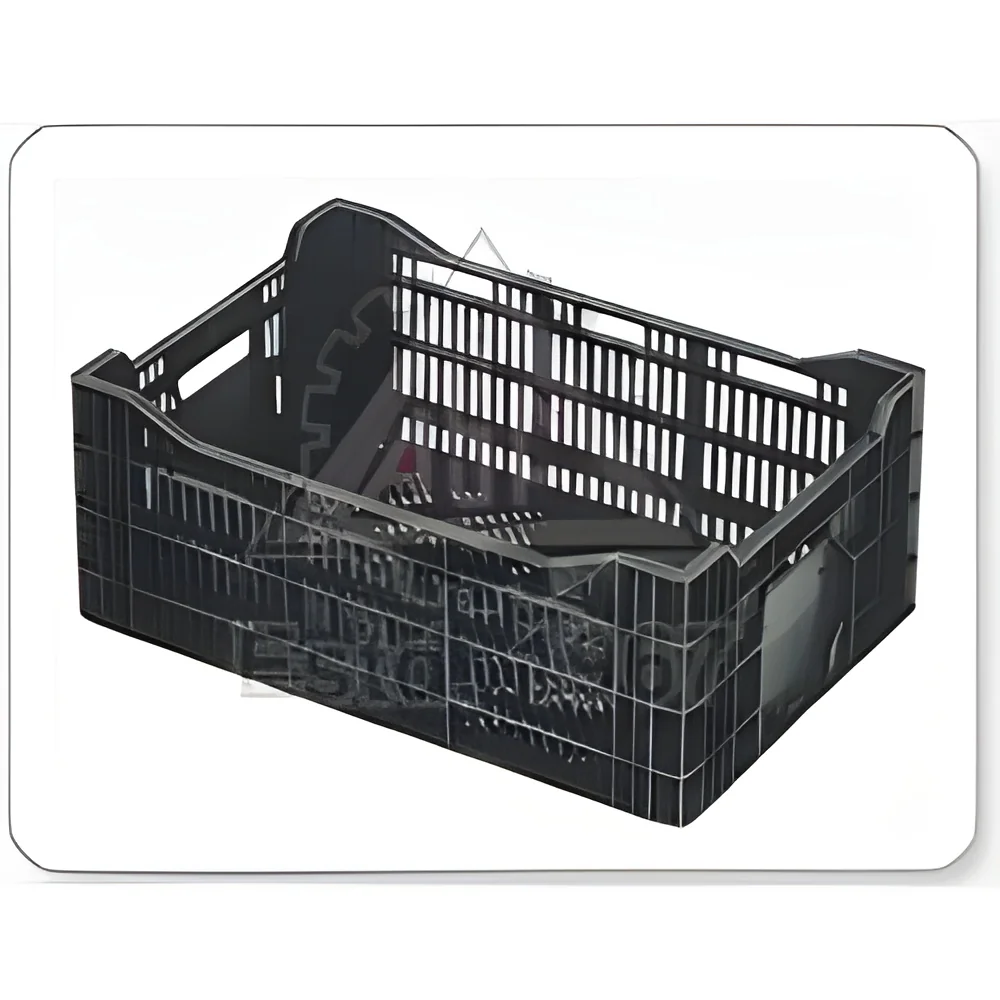
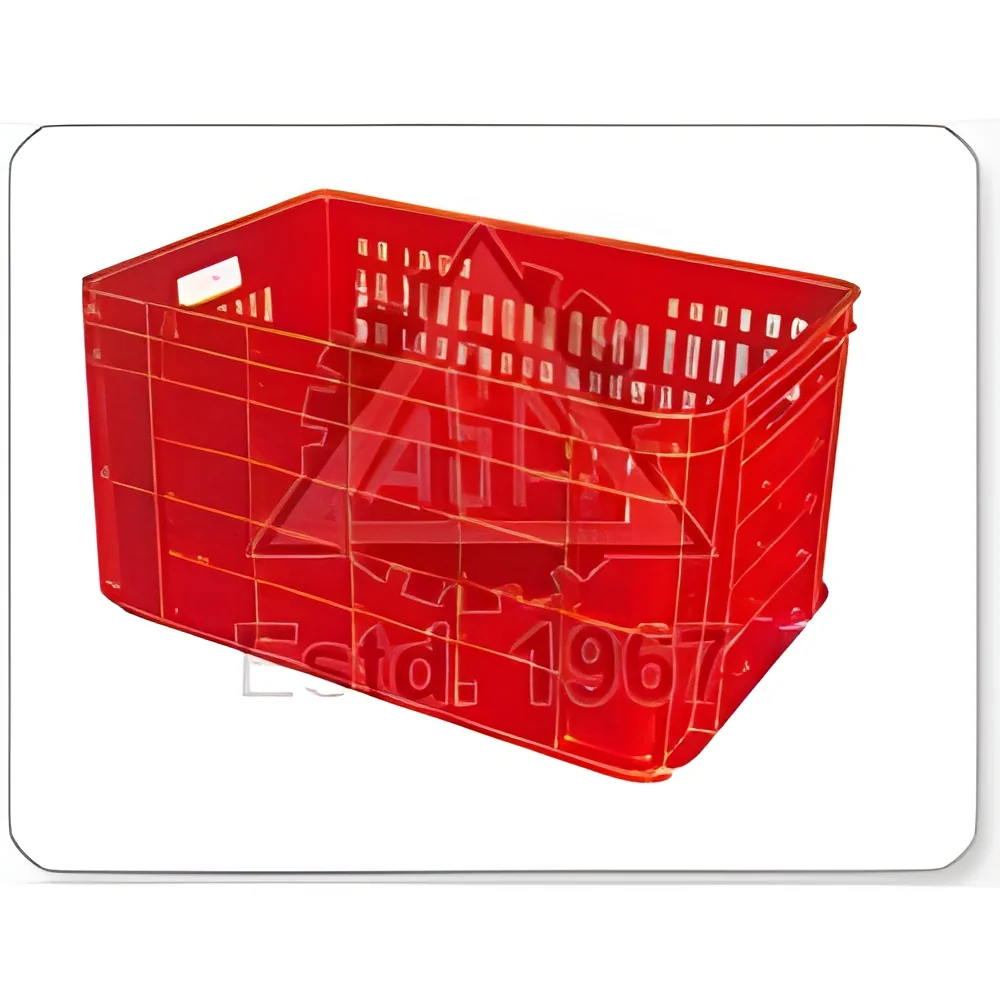
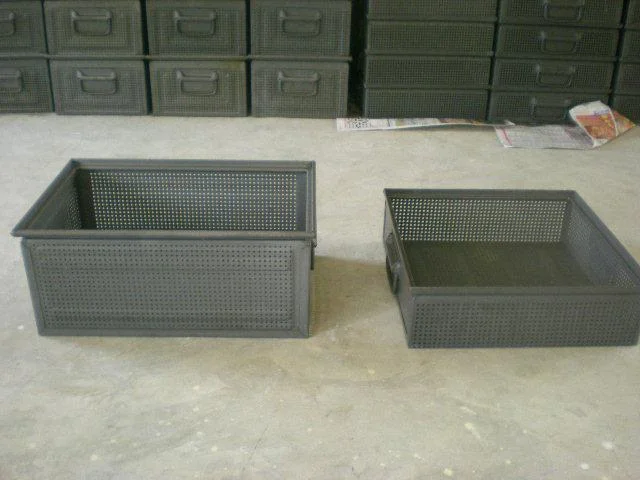
- Some models feature ventilation holes to prevent moisture buildup
- Helps maintain the integrity of stored materials
6. Color Coding
- Available in multiple colors for easy identification and organization
- Enhances inventory management practices
7. Compatibility with Pallet Racking
- Many bins are designed to fit standard pallet racking systems
- Facilitates easy integration into existing storage setups
8. Customization Options
- Options for labeling, branding, or specific modifications
- Tailors bins to meet unique business requirements
Reinforced storage bins offer a combination of strength, versatility, and practicality. Their specifications cater to a wide range of industrial needs.
Common Applications and Use Cases
Reinforced storage bins are widely utilized across various industries to enhance efficiency and organization. They are particularly beneficial in environments where durability and reliability are essential.
1. Manufacturing: These bins are used for storing raw materials, components, and finished products. They help streamline production processes by ensuring easy access to necessary items.
2. Automotive: In automotive facilities, reinforced storage bins are ideal for organizing tools, parts, and accessories. They keep workspaces tidy and support effective inventory management.
3. Retail: Retailers use these bins to store inventory, making it easier to manage stock levels and access products quickly. This organization can improve customer service and stock turnover.
4. Logistics: In logistics operations, these bins facilitate the safe transportation of goods. They protect items during transit and allow for efficient loading and unloading.
5. Construction: Construction sites benefit from reinforced storage bins for keeping tools and materials organized. They withstand harsh conditions, ensuring that equipment is readily available.
6. Food Industry: In food processing and storage, these bins can help maintain hygiene standards while securely storing ingredients and products.
7. Pharmaceuticals: Reinforced storage bins are essential for the pharmaceutical industry to store sensitive materials in a controlled environment.
Product Variants and Subcategories
Reinforced storage bins come in various styles and configurations to meet different operational needs. While specific subcategories are not available, the diversity in designs allows businesses to choose models that best suit their applications.
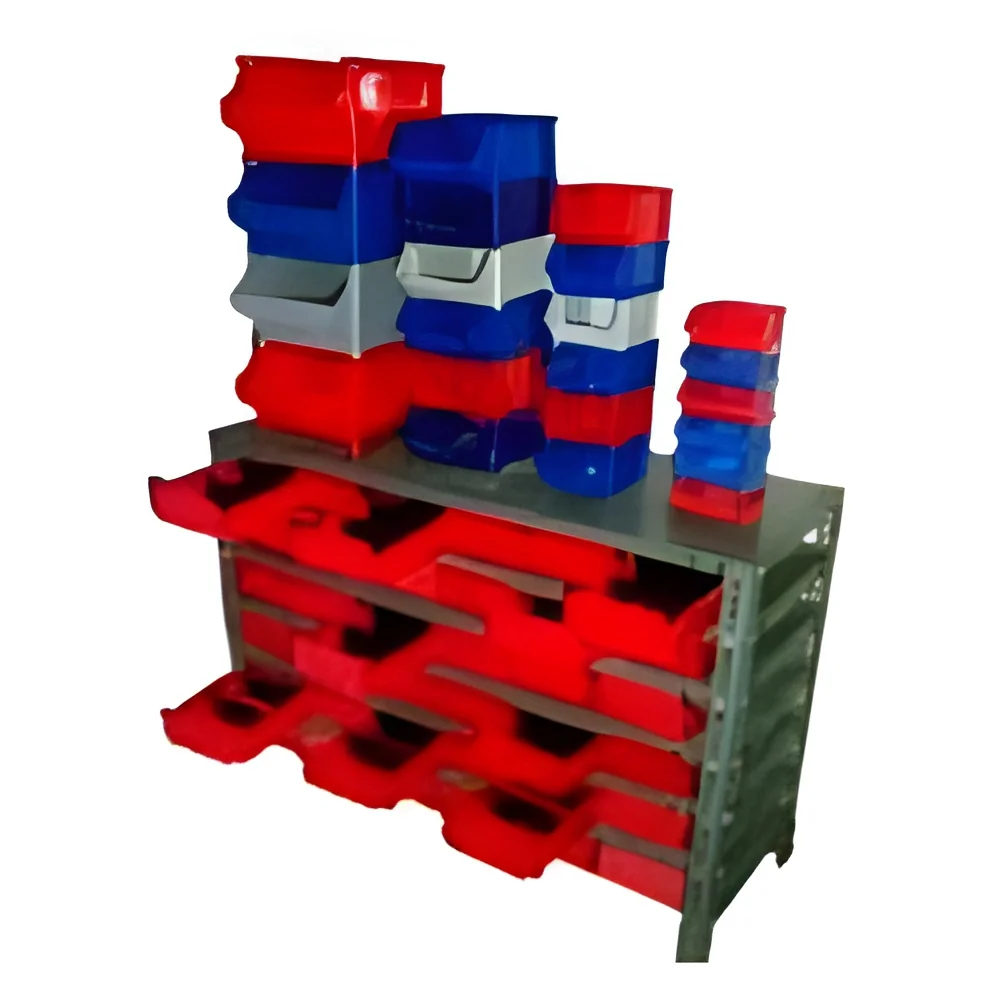
Stackable Bins
These bins are designed for vertical storage, making them ideal for maximizing space in warehouses. They can be easily stacked without compromising stability, enhancing storage efficiency.
Heavy-Duty Bins
Heavy-duty bins offer increased load capacity and are made from tougher materials. They are perfect for environments where robust storage solutions are necessary, such as manufacturing and construction sites.
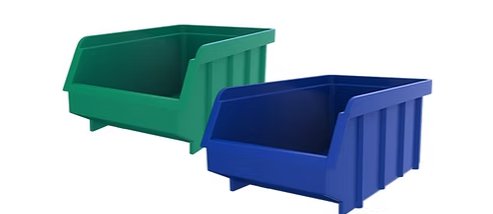
Open-Top Bins
Open-top bins provide easy access to stored items. They are beneficial for quick retrieval and are commonly used in assembly lines and workstations.
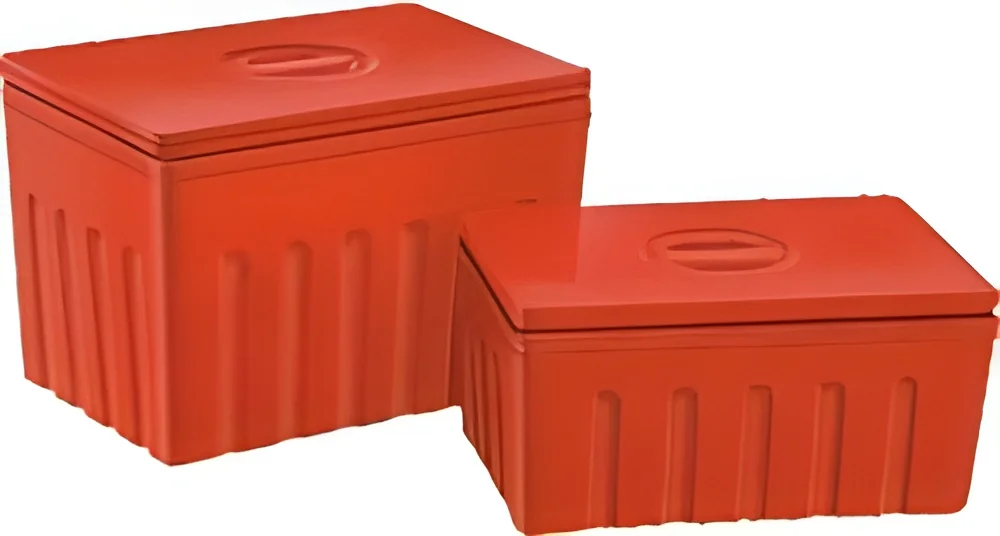
Lidded Bins
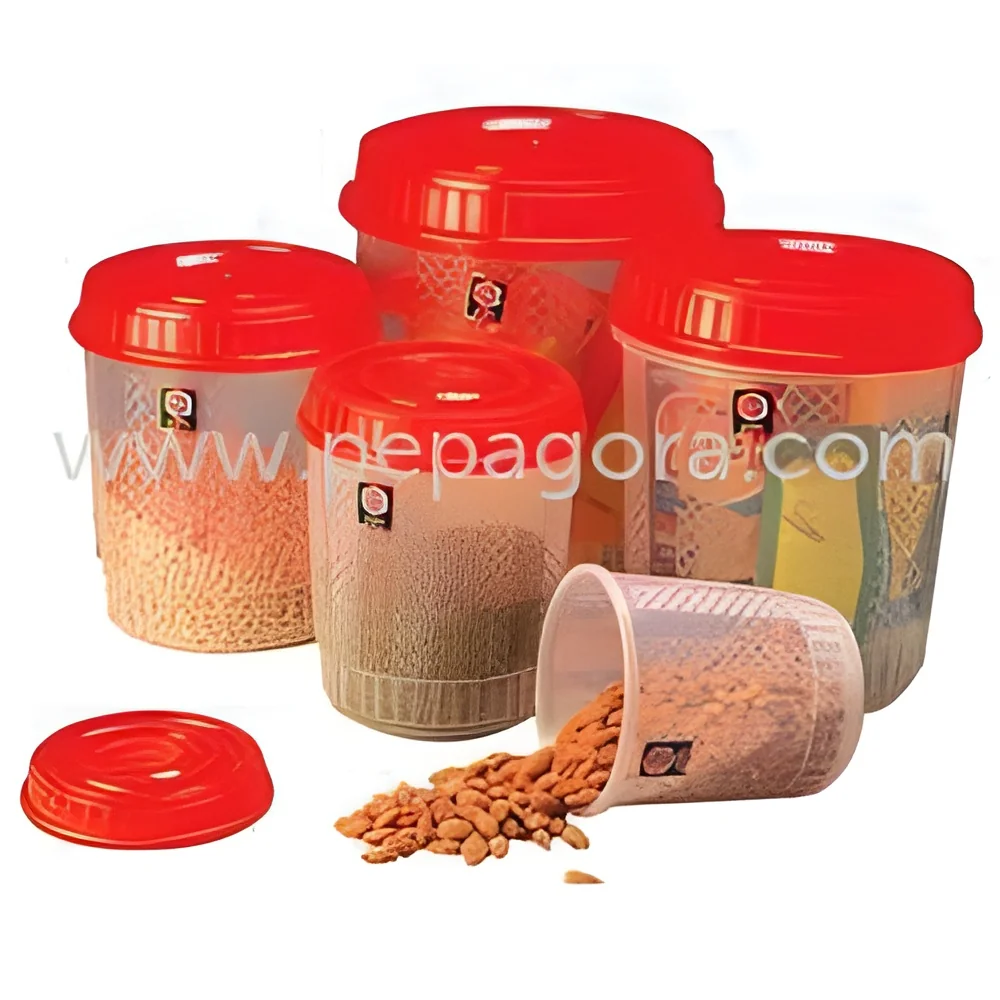
These bins come with secure lids to protect contents from dust and damage. They are ideal for sensitive materials that require protection during storage.
Benefits and Advantages
Reinforced storage bins offer numerous advantages that contribute to operational efficiency and cost savings for businesses.
Key benefits include:
1. Durability: These bins are built to last, providing long-term storage solutions that reduce the need for frequent replacements.
2. Cost-Effectiveness: By optimizing storage space and improving organization, businesses can reduce operational costs and enhance productivity.
3. Versatility: Reinforced storage bins can be used across various industries, making them a flexible solution for different applications.
4. Safety: Their robust construction helps minimize accidents related to storage failures, protecting both employees and stored materials.
5. Easy Maintenance: Most models are easy to clean and maintain, ensuring compliance with hygiene standards, especially in industries like food and pharmaceuticals.
6. Enhanced Organization: The ability to stack and color-code bins contributes to improved inventory management and workflow efficiency.
Buying Guide for B2B Buyers
When sourcing reinforced storage bins, various factors should be considered to ensure the best fit for your business needs.
1. Quality Assessment: Look for bins made from high-quality materials that can withstand the demands of your industry. Evaluate the manufacturer's reputation and product testing standards to ensure durability.
2. Supplier Verification: Vet potential suppliers by checking their certifications, customer reviews, and product range. A reliable supplier will have a proven track record in delivering quality products.
3. Pricing and MOQ: Understand the pricing structure and minimum order quantities. Compare quotes from multiple suppliers to find the best deal without compromising quality.
4. Delivery and Lead Times: Inquire about the logistics involved in delivery. Consider lead times to ensure that the bins arrive when needed to avoid disruptions in your operations.
5. Compliance Requirements: Ensure that the storage bins meet any regulatory standards relevant to your industry, such as safety or health compliance. This is particularly important for sectors like food and pharmaceuticals.
Compliance and Certifications
Reinforced storage bins must meet various compliance and certification standards to ensure safety and functionality.
Many manufacturers adhere to quality standards such as ISO 9001, which ensures consistent quality in production processes. This certification is essential for businesses that prioritize quality assurance.
In addition, certain industries may require compliance with HACCP (Hazard Analysis Critical Control Points) guidelines, particularly in food storage. Ensuring that your storage solutions meet these standards is crucial for maintaining safe practices.
CE certification is also relevant for reinforced storage bins, indicating compliance with European safety standards. This certification assures customers that the products have undergone rigorous testing.
Businesses should also consider regional compliance requirements, as these can vary significantly. Understanding these regulations is vital for ensuring that the bins meet local safety and quality standards.
Why Source Reinforced Storage Bins from Pepagora?
Pepagora provides a trusted platform for sourcing reinforced storage bins, offering several key advantages for businesses.
Verified Supplier Network: Pepagora features a network of verified suppliers, ensuring that buyers can confidently source high-quality storage solutions. This verification process helps mitigate risks associated with procurement.
Streamlined RFQ Process: The request for quotation (RFQ) system simplifies the sourcing process. Buyers can easily compare multiple quotes and select the best option that meets their needs.
Trade Assurance and Support: Pepagora offers trade assurance to protect buyers throughout the purchasing process. This support provides peace of mind, ensuring that investments are secure.
Regional Coverage: With a strong presence in India, the GCC, and Southeast Asia, Pepagora provides access to a broad market. This regional reach enables businesses to connect with suppliers that meet their specific requirements.

 India

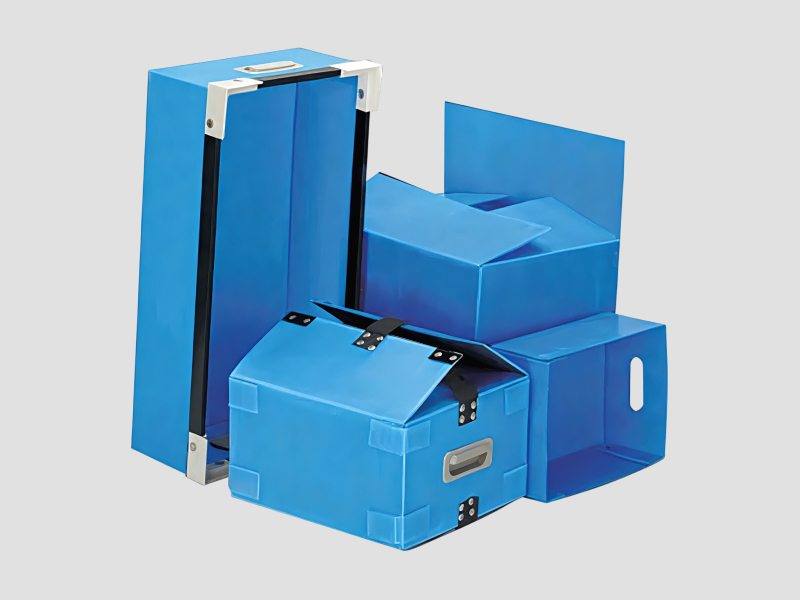

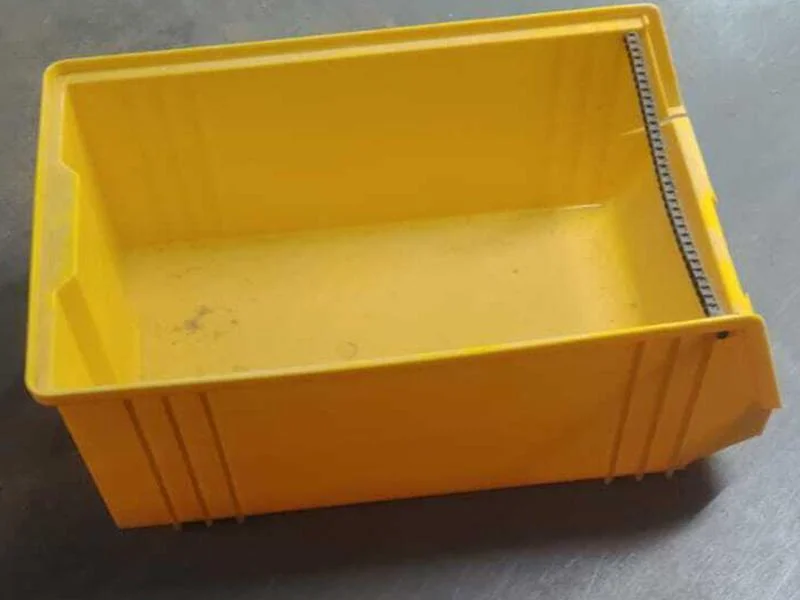

 India
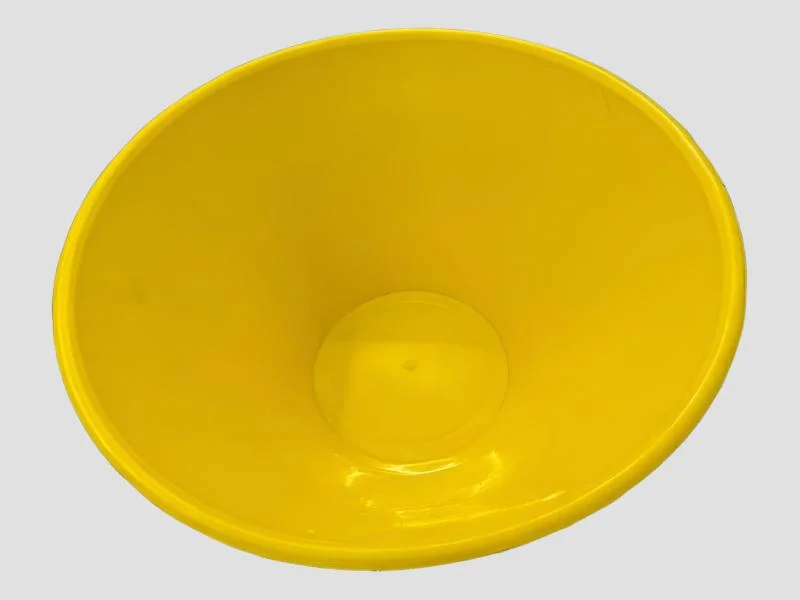
 India
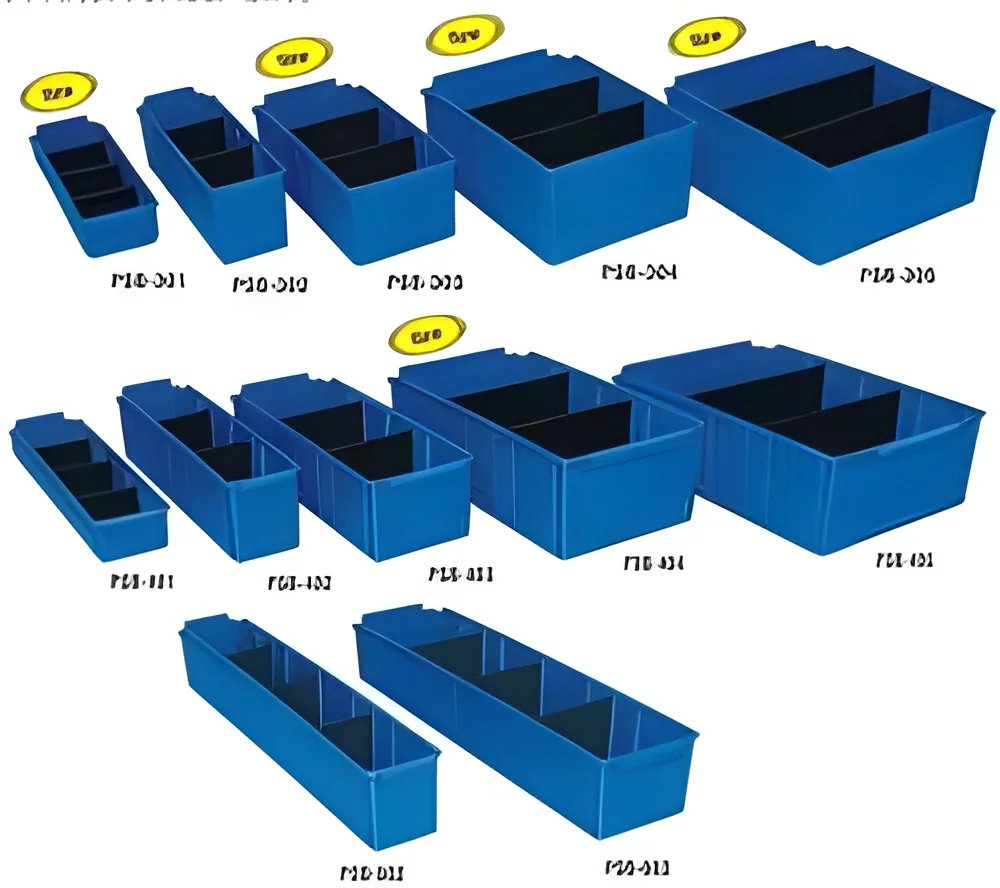
 India
 India


 India
 India
 India

 India
 India

 India

 India
 India

 India
 India

Frequently Asked Questions
What are Reinforced Storage Bins?
Reinforced Storage Bins are durable containers designed for the efficient storage and organization of various items. They typically feature reinforced walls and bases to enhance strength and stability, making them suitable for heavy-duty applications in warehouses, factories, and other industrial settings.
What are the different types of Reinforced Storage Bins?
There are several types of Reinforced Storage Bins, including stackable bins, modular bins, and wheeled bins. Each type is designed to meet specific storage needs, with variations in size, shape, and material to accommodate different items and environments.
How do I choose the right Reinforced Storage Bins?
When selecting Reinforced Storage Bins, consider factors such as size, weight capacity, and material. Additionally, evaluate the intended use, whether for indoor or outdoor storage, and whether features like stackability or mobility are important for your operations.
What are the standard specifications for Reinforced Storage Bins?
Standard specifications for Reinforced Storage Bins typically include dimensions, weight capacity, and material type, such as plastic or metal. It's also essential to check for features like UV resistance, waterproofing, and compatibility with storage systems.
What is the price range for Reinforced Storage Bins?
The price range for Reinforced Storage Bins can vary widely depending on factors such as size, material, and manufacturer. Generally, prices can start from a few hundred rupees for smaller bins and go up to several thousand rupees for larger, more specialized bins.
What quality standards apply to Reinforced Storage Bins?
Reinforced Storage Bins are subject to various quality standards that may include ISO certifications and compliance with safety regulations. It's important to ensure that the bins meet industry-specific requirements to guarantee durability and performance.
Where can I find Reinforced Storage Bins suppliers in India?
You can find Reinforced Storage Bins suppliers in India through B2B marketplaces, trade directories, and industry-specific trade shows. Platforms like Pepagora.com offer a comprehensive list of manufacturers and suppliers to help you source the right products.
Can Reinforced Storage Bins be customized?
Yes, many manufacturers offer customization options for Reinforced Storage Bins, allowing you to specify dimensions, colors, and branding. Customization can help meet specific storage requirements and improve efficiency in your operations.
What is the typical minimum order quantity for Reinforced Storage Bins?
The typical minimum order quantity (MOQ) for Reinforced Storage Bins can vary by supplier, but it often ranges from 50 to 100 units. It is advisable to check with individual suppliers for their specific MOQs and any potential bulk order discounts.
What is the typical lead time for Reinforced Storage Bins?
The typical lead time for Reinforced Storage Bins can range from a few days to several weeks, depending on factors such as availability, customization, and shipping logistics. It's best to confirm lead times with the supplier at the time of order.
Why Businesses Trust Pepagora
Thousands of companies trust Pepagora to source smarter and sell faster
Expand Your Sales Globally

Source Smarter,Grow Faster
