
 IN
Reamers
4 products available
What are Reamers?
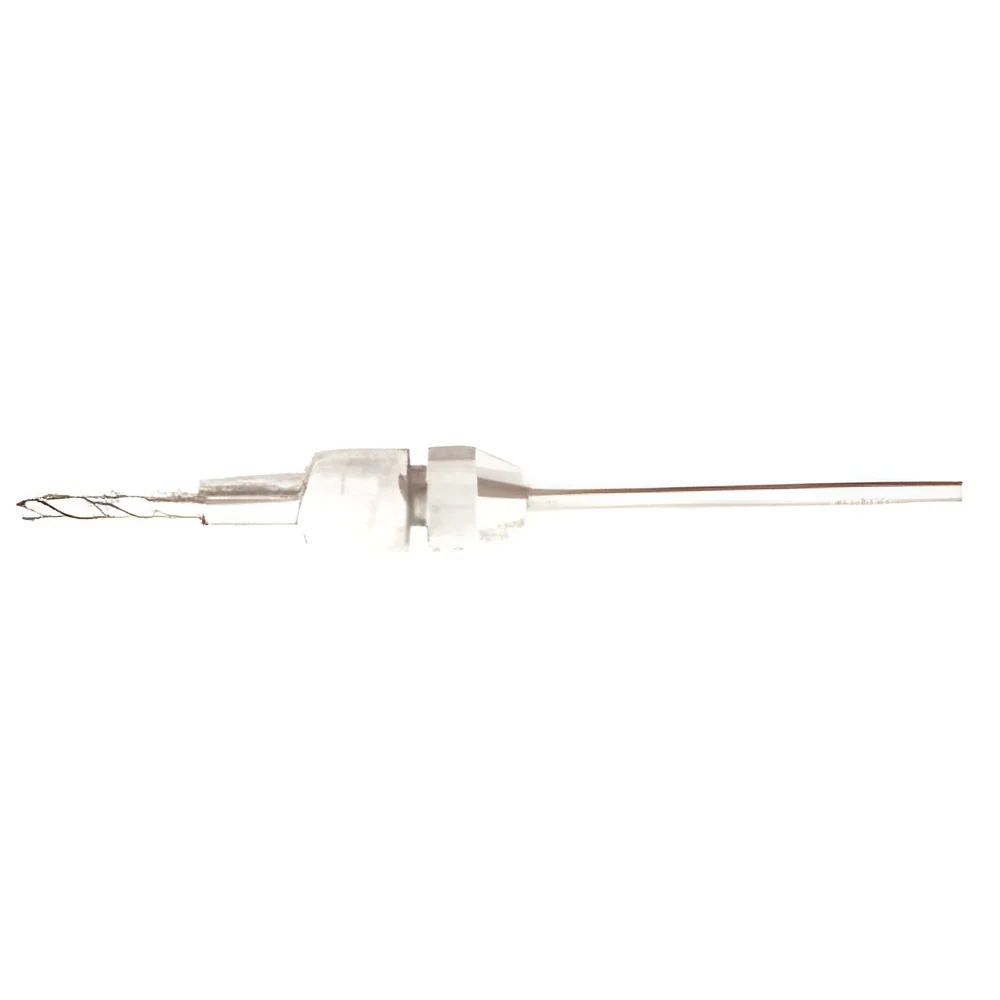
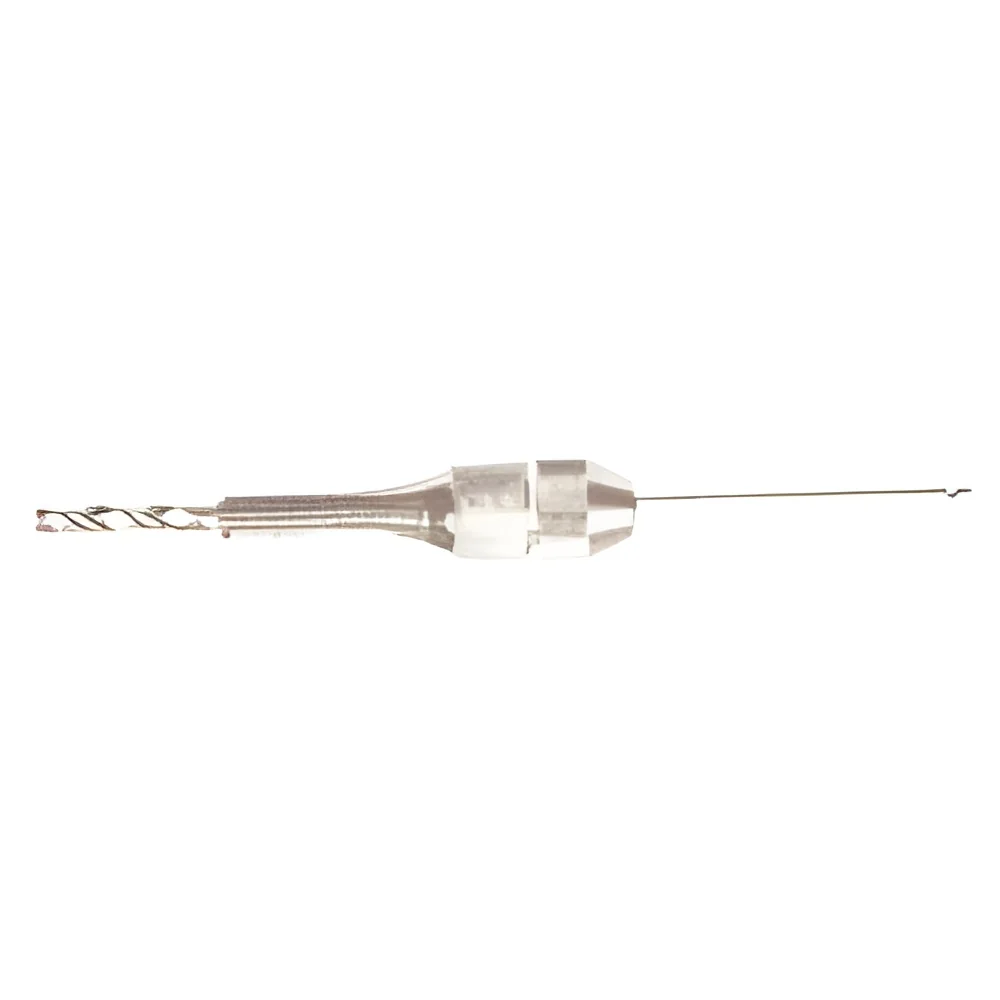
Reamers are precision cutting tools used to enlarge and finish holes in various materials. They work by removing a small amount of material from the inside diameter of an existing hole to achieve a specific size and finish. Unlike drills, which create holes, reamers refine and improve the quality of holes to meet tighter tolerances and smoother finishes. They are typically used in conjunction with pre-drilled holes, offering enhanced dimensional accuracy.
Reamers find extensive application in industries such as automotive, aerospace, and manufacturing. In these sectors, they are crucial for ensuring that holes meet exact specifications for assembly and operation. Businesses use reamers to improve the performance of components, especially where precise fit and finish are essential. The relevance of reamers in the market cannot be overstated, as they play a vital role in quality control and productivity in manufacturing processes.
Key Features and Specifications
Reamers come with several key features that enhance their performance and usability. Understanding these specifications is essential for selecting the right tool for specific applications.
Key specifications include:
1. Material Composition
- High-speed steel (HSS) or carbide construction
- Offers durability and resistance to wear
2. Cutting Edge Design
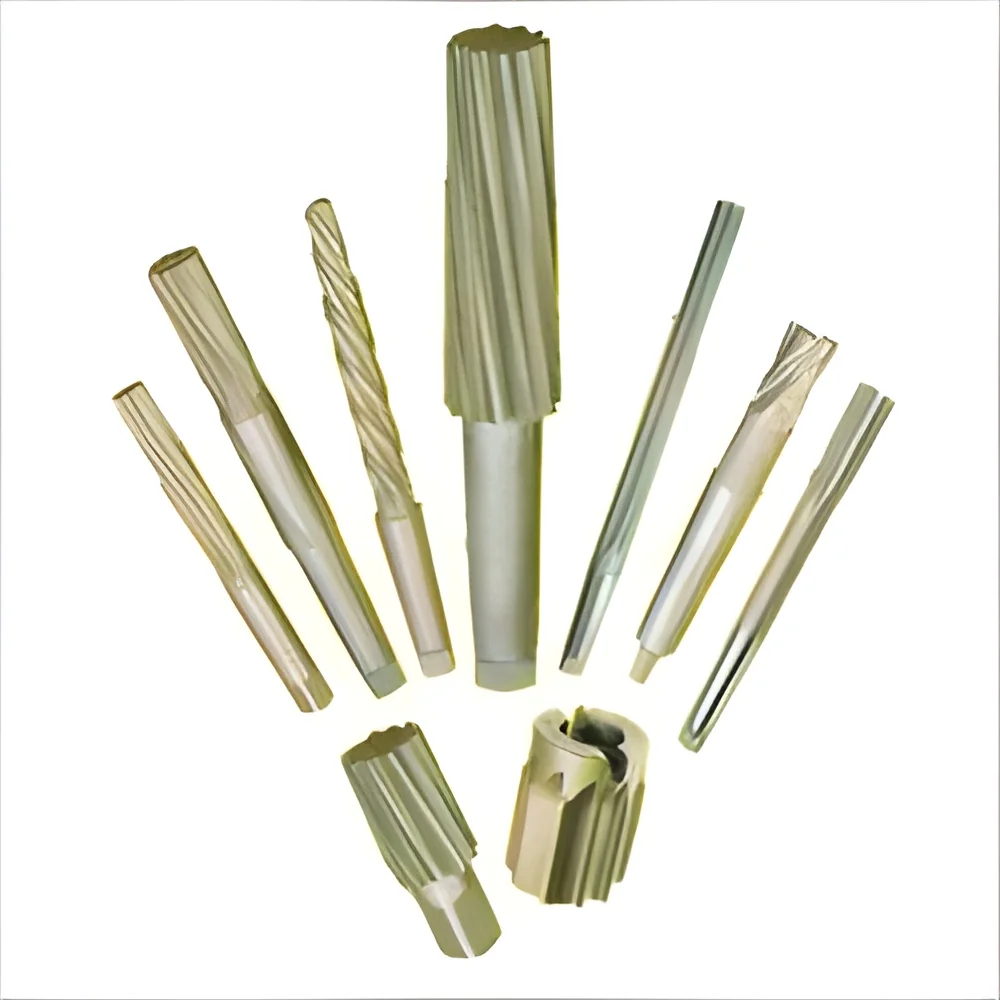
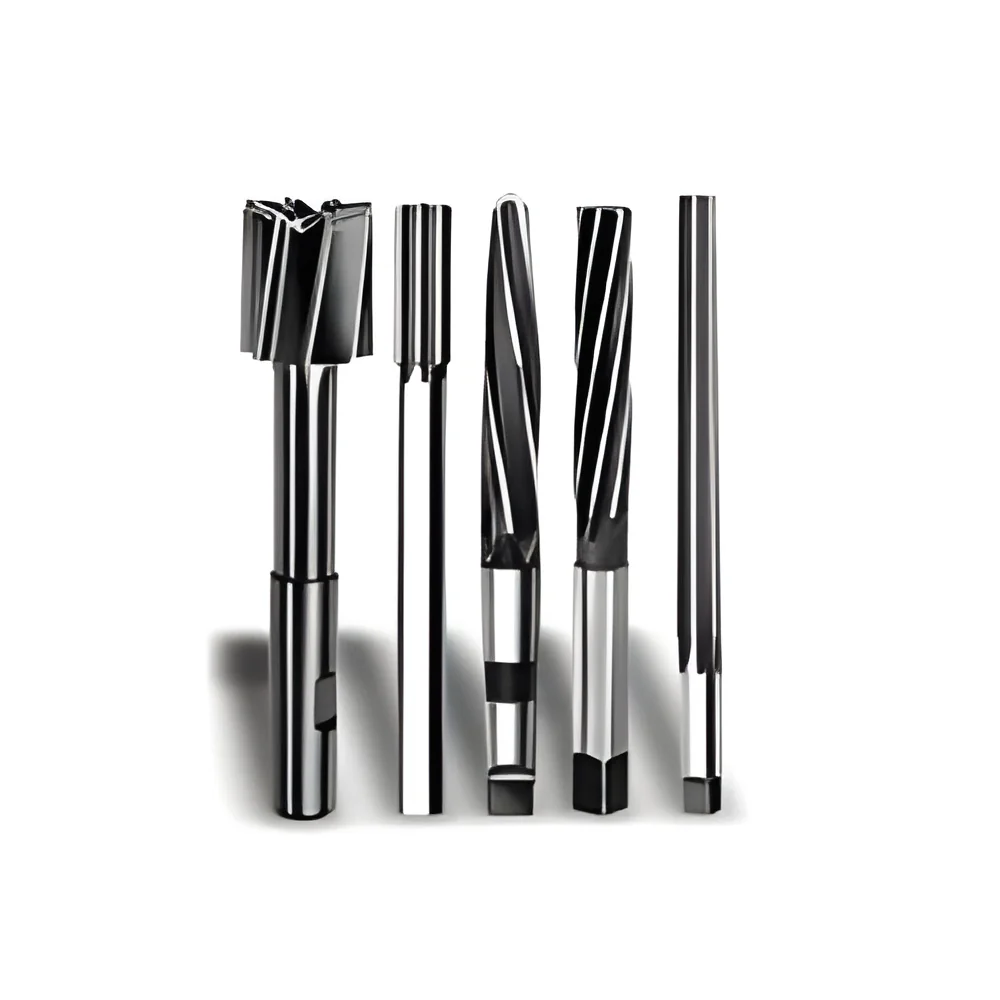
- Straight or spiral flutes for efficient chip removal
- Provides improved surface finish
3. Diameter Range
- Available in various sizes, typically from 1 mm to 50 mm
- Custom sizes may be available upon request
4. Tolerance Levels
- Capability to achieve tolerances of ±0.01 mm
- Critical for precision engineering applications
5. Shank Types
- Standard shank, tapered shank, or square shank options
- Compatibility with different machine types
6. Coating Options
- Options like titanium nitride (TiN) or black oxide
- Enhances tool life and reduces friction
7. Length Variability
- Available in standard and extended lengths
- Adaptable to various operational requirements
8. Application Specificity
- Types designed for different materials, such as metals, plastics, and composites
- Tailored for specific industry needs
In summary, understanding these features and specifications is crucial for businesses looking to invest in reamers that meet their operational requirements and standards.
Common Applications and Use Cases
Reamers serve a wide range of industries, providing specific solutions for various applications.
1. Automotive: Reamers are used to create precise holes for engine components and assembly fittings, ensuring optimal performance and reliability.
2. Aerospace: In aviation manufacturing, reamers refine holes in structural components, maintaining strict tolerances for safety and durability.
3. Manufacturing: Reamers are essential in machining processes to produce high-quality holes in parts destined for machinery and equipment.
4. Oil and Gas: Reamers are utilized for drilling operations, helping to ensure that boreholes are suitable for casing and other fittings.
5. Construction: In construction, reamers refine holes for fasteners and structural connections, enhancing the integrity of joint assemblies.
6. Medical Devices: Reamers are used in the production of precision parts for medical instruments, ensuring high standards of hygiene and accuracy.
7. Electronics: In the electronics sector, reamers are employed to create precise holes for circuit boards and other components, supporting high-tech assembly processes.
Product Variants and Subcategories
Reamers come in various forms to cater to different applications and industry needs. While specific subcategories are not available, some key variants include:
Hand Reamers: These hand-held tools are designed for manual operation, allowing for precise finishing of holes in smaller projects or repairs.
Machine Reamers: Suitable for use with drilling machines, these reamers are engineered for high-volume production and feature robust designs for enhanced durability.
Adjustable Reamers: These versatile tools allow for adjustment of the cutting diameter, making them ideal for applications requiring flexibility in hole sizing.
Benefits and Advantages
Reamers offer significant advantages that make them essential in various industrial applications.
Key benefits include:
1. Enhanced Precision: Reamers provide superior accuracy, ensuring holes meet strict tolerances necessary for high-quality assembly.
2. Improved Surface Finish: The use of reamers results in smoother hole surfaces, reducing friction and wear in assembled parts.
3. Increased Tool Life: High-quality materials and coatings enhance the durability of reamers, leading to longer operational lifespan and reduced replacement costs.
4. Versatility: Reamers can be used on a wide range of materials, making them suitable for diverse applications across multiple industries.
5. Cost-Effectiveness: Investing in quality reamers can lead to reduced machining time and improved production efficiency, ultimately lowering operational costs.
6. Ease of Use: Many reamers are designed for compatibility with standard machinery, simplifying their integration into existing manufacturing processes.
Buying Guide for B2B Buyers
When sourcing reamers, businesses should carefully consider various factors to ensure they make informed purchasing decisions.
1. Quality Assessment: Evaluate the material and construction quality of reamers. Look for reputable manufacturers that adhere to industry standards for durability and performance.
2. Supplier Verification: Conduct thorough research on potential suppliers. Check for certifications and references to ensure reliability and service quality.
3. Pricing and MOQ: Understand the pricing structure and minimum order quantities (MOQ) required by suppliers. This helps in budgeting and managing inventory.
4. Delivery and Lead Times: Consider logistics and delivery timelines. Ensure that suppliers can meet your production schedules without delays.
5. Compliance Requirements: Verify that reamers meet relevant industry standards and regulations. This includes safety requirements and certifications such as CE.
Compliance and Certifications
Reamers must adhere to various compliance and certification standards to ensure their quality and safety. Key quality standards include ISO 9001, which guarantees effective quality management systems. This standard helps manufacturers maintain consistent quality in their products.
Additionally, compliance with industry certifications such as CE demonstrates that reamers meet European safety and environmental requirements. This is crucial for businesses operating in regulated markets.
Safety and testing requirements are also essential. Reamers must undergo rigorous testing to ensure they can withstand operational stresses and maintain performance under various conditions.
Regional compliance considerations may vary, so businesses must ensure their suppliers understand and can meet local regulatory needs. This is especially important for companies operating in multiple regions.
Why Source Reamers from Pepagora?
Pepagora provides a trusted platform for sourcing reamers, offering several key advantages to B2B buyers.
Verified Supplier Network: Pepagora connects businesses with a network of verified suppliers. This ensures that buyers can trust the quality and reliability of the products they purchase.
Streamlined RFQ Process: The platform features an efficient Request for Quotation (RFQ) system. This allows buyers to easily compare offers from multiple suppliers, facilitating informed buying decisions.
Trade Assurance and Support: Pepagora offers buyer protection through trade assurance. This includes support for resolving disputes and ensuring that buyers receive the products they expect.
Regional Coverage: With a wide geographic reach that includes India, the GCC, and Southeast Asia, Pepagora connects buyers with suppliers in key markets. This enhances sourcing flexibility and accessibility for businesses across the region.

 India
Frequently Asked Questions
What are Reamers?
Reamers are cutting tools used to enlarge and finish holes in various materials, providing a smooth and precise internal surface. They are commonly used in machining processes to achieve a specific diameter and tolerance.
What are the different types of Reamers?
There are several types of reamers, including hand reamers, machine reamers, and adjustable reamers. Each type is designed for specific applications and can work on different materials, such as metals, plastics, and wood.
How do I choose the right Reamers?
Choosing the right reamer involves considering factors such as the material you are working with, the desired hole size, and the required tolerance. It's also important to select a reamer that matches the machining process you will use, whether manual or automated.
What are the standard specifications for Reamers?
Standard specifications for reamers include diameter, length, and shank type. Additionally, they may have specific features such as flutes, which can vary in number and design based on the application and the material being processed.
What is the price range for Reamers?
The price of reamers can vary widely depending on the type, material, and manufacturer. Generally, prices may range from a few hundred to several thousand Indian Rupees, depending on the specifications and quality.
What quality standards apply to Reamers?
Reamers are typically manufactured to meet various quality standards, such as ISO and ANSI specifications. These standards ensure that the tools are reliable, durable, and capable of producing accurate results in machining operations.
Where can I find Reamers suppliers in India?
You can find reamer suppliers in India through online B2B marketplaces like Pepagora.com, industry directories, and trade shows. It is advisable to compare multiple suppliers to ensure you find the best quality and pricing.
Can Reamers be customized?
Yes, many manufacturers offer customization options for reamers to meet specific requirements. Customization may include altering dimensions, materials, and coatings to suit unique machining needs.
What is the typical minimum order quantity for Reamers?
The minimum order quantity (MOQ) for reamers can vary by supplier and product type. Typically, it ranges from a single unit for standard items to larger quantities for custom or specialized reamers.
What is the typical lead time for Reamers?
The lead time for reamers depends on factors such as the type of reamer, supplier location, and whether the product is in stock or made to order. Generally, lead times can range from a few days to several weeks.
Why Businesses Trust Pepagora
Thousands of companies trust Pepagora to source smarter and sell faster
Expand Your Sales Globally

Source Smarter,Grow Faster
