
 IN
Rackable Pallets
3 products available
What are Rackable Pallets?
Rackable pallets are specialized storage solutions designed for efficient stacking and storage in various industrial settings. These pallets are constructed to withstand the weight of heavy loads while providing stability during storage and transportation. Their design facilitates easy handling with forklifts and pallet jacks, making them an essential component of modern logistics and warehousing operations.
The primary uses of rackable pallets include optimizing warehouse space, streamlining inventory management, and enhancing product protection during storage. They are widely employed in sectors such as manufacturing, retail, and distribution, where reliable and durable storage solutions are critical. The growing demand for efficient supply chain management has increased the relevance of rackable pallets in the marketplace, as businesses seek to improve their operational efficiency.
As industries continue to evolve, the importance of rackable pallets cannot be overstated. They contribute to better space utilization and inventory accuracy, which are vital for maintaining competitiveness in today’s fast-paced market. With a focus on sustainability and cost-effectiveness, rackable pallets are becoming a preferred choice for companies looking to enhance their storage capabilities.
Key Features and Specifications
Rackable pallets offer several key features that enhance their functionality and usability in various applications. These features make them suitable for diverse business needs and environments. Understanding their specifications is essential for selecting the right products for specific applications.
Key specifications include:
1. Load Capacity
- Typically ranges from 1,000 to 3,000 pounds, depending on the material and design.
- Suitable for heavy-duty applications requiring robust support.
2. Material Type
- Common materials include wood, plastic, and metal.
- Each material type provides different benefits in terms of durability and cost.
3. Dimensions
- Standard sizes often include 48 x 40 inches, but custom sizes are available.
- Ensures compatibility with various racking systems and storage solutions.
4. Stackability
- Designed for stacking up to five pallets high.
- Enhances space efficiency in warehouses and storage facilities.
5. Weight
- Average weight ranges between 30 to 70 pounds.
- Affects handling and transportation efficiency.
6. Durability
- Resistant to moisture, chemicals, and impacts, particularly in plastic and metal variants.
- Reduces the need for frequent replacements.
7. Safety Features
- Includes rounded edges to prevent injuries and damage to goods.
- Complies with safety standards to ensure reliable use.
8. Customization Options
- Ability to customize dimensions, colors, and load capacities.
- Meets specific business requirements and branding needs.
In summary, rackable pallets are versatile storage solutions that provide numerous features and specifications catering to various industrial applications. Understanding these aspects helps businesses make informed decisions when selecting the right pallets for their operations.
Common Applications and Use Cases
Rackable pallets are widely utilized across different industries due to their versatility and efficiency. Their ability to enhance storage solutions makes them a preferred choice for many businesses.
1. Manufacturing: In manufacturing facilities, rackable pallets are used for storing raw materials and finished products. Their robust design supports heavy loads, ensuring safe and efficient storage.
2. Retail: Retailers use rackable pallets to optimize in-store inventory management. They facilitate easy transport of goods from storage areas to sales floors, improving stock replenishment processes.
3. Distribution: Distribution centers rely on rackable pallets for efficient order fulfillment. They enable organized storage of diverse products, enhancing the speed and accuracy of shipments.
4. Food and Beverage: In the food and beverage industry, rackable pallets are crucial for safe storage of products. They meet hygiene standards and are resistant to spills and contamination.
5. Pharmaceuticals: Pharmaceutical companies use rackable pallets to store sensitive products. Their design ensures stability and protection during transport and storage.
6. Automotive: The automotive industry utilizes rackable pallets for parts storage and assembly line operations. Their strength and durability support the weight of heavy automotive components.
7. E-commerce: E-commerce businesses benefit from rackable pallets for managing high volumes of inventory. They facilitate quick access to products for order processing.
Product Variants and Subcategories
Rackable pallets come in various forms to meet diverse business needs. Each variant offers unique features suited for specific applications.
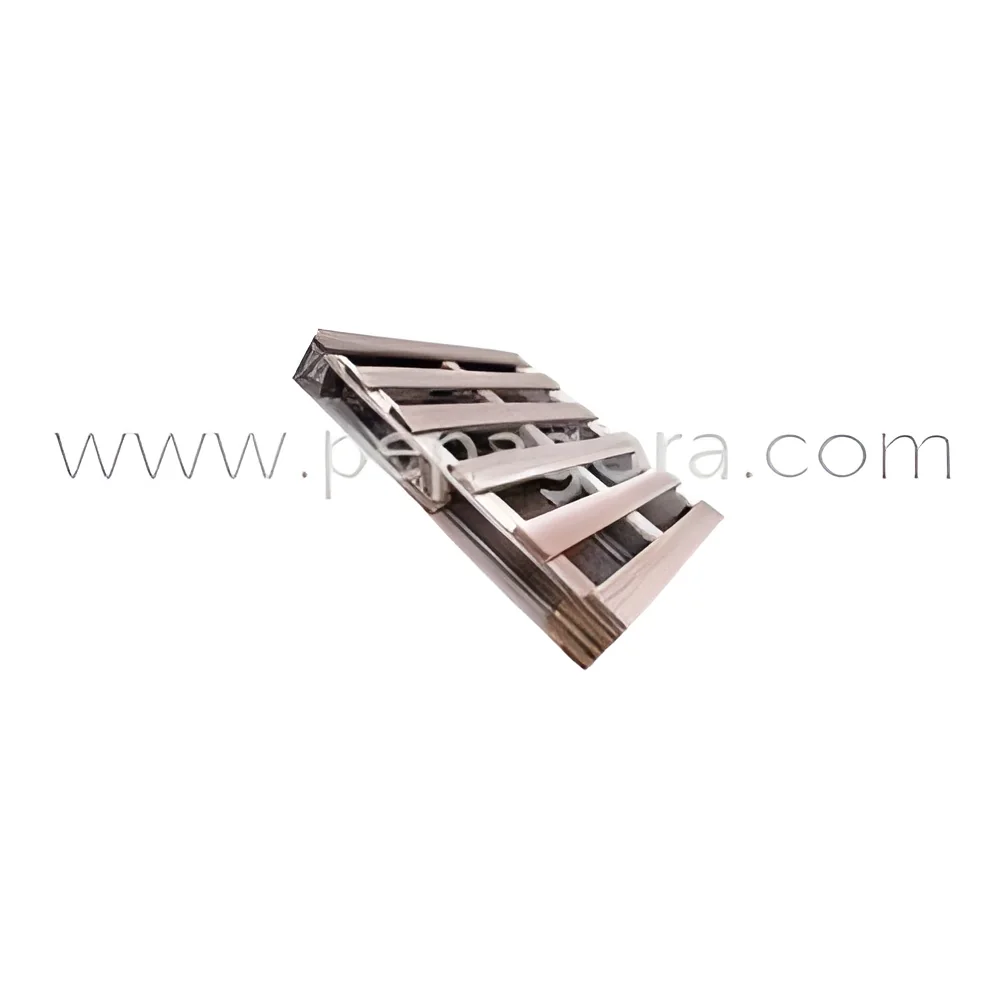
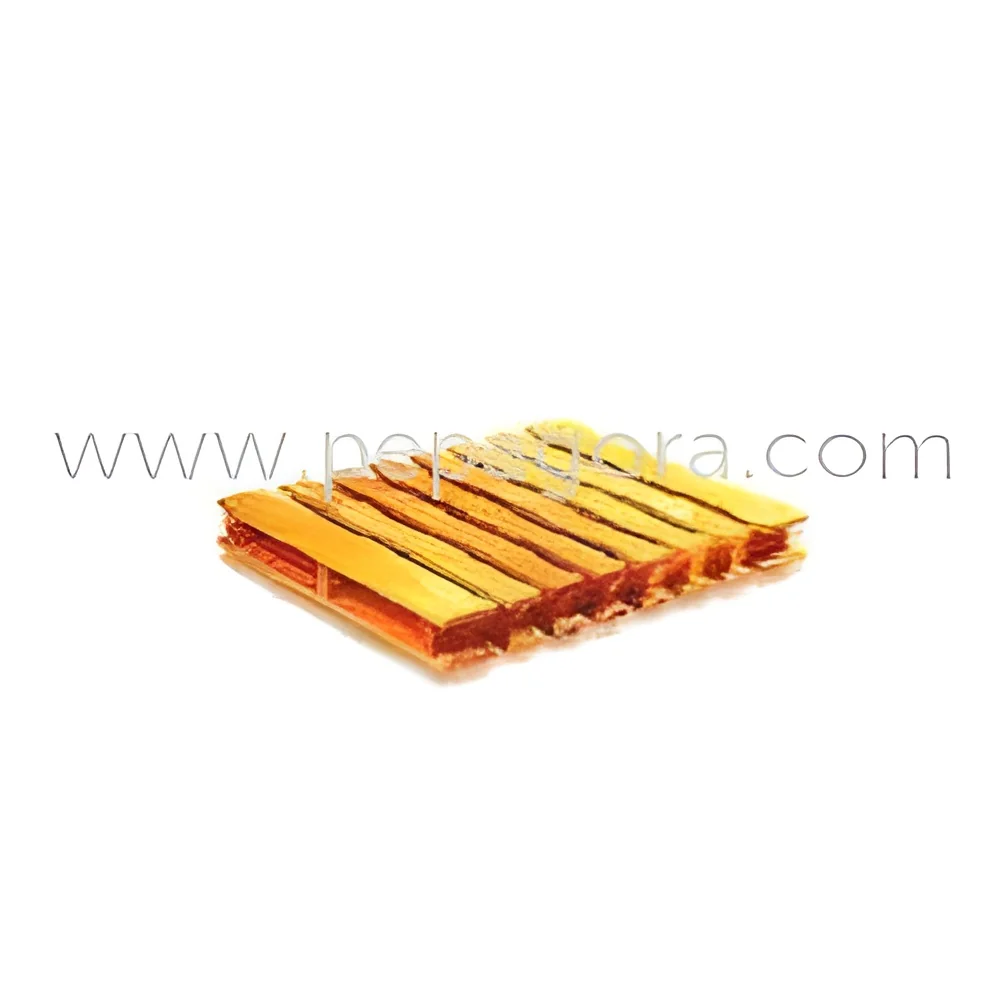
Wooden Rackable Pallets: These pallets are cost-effective and widely used in many industries. They provide good load-bearing capabilities and are suitable for both domestic and international shipping.
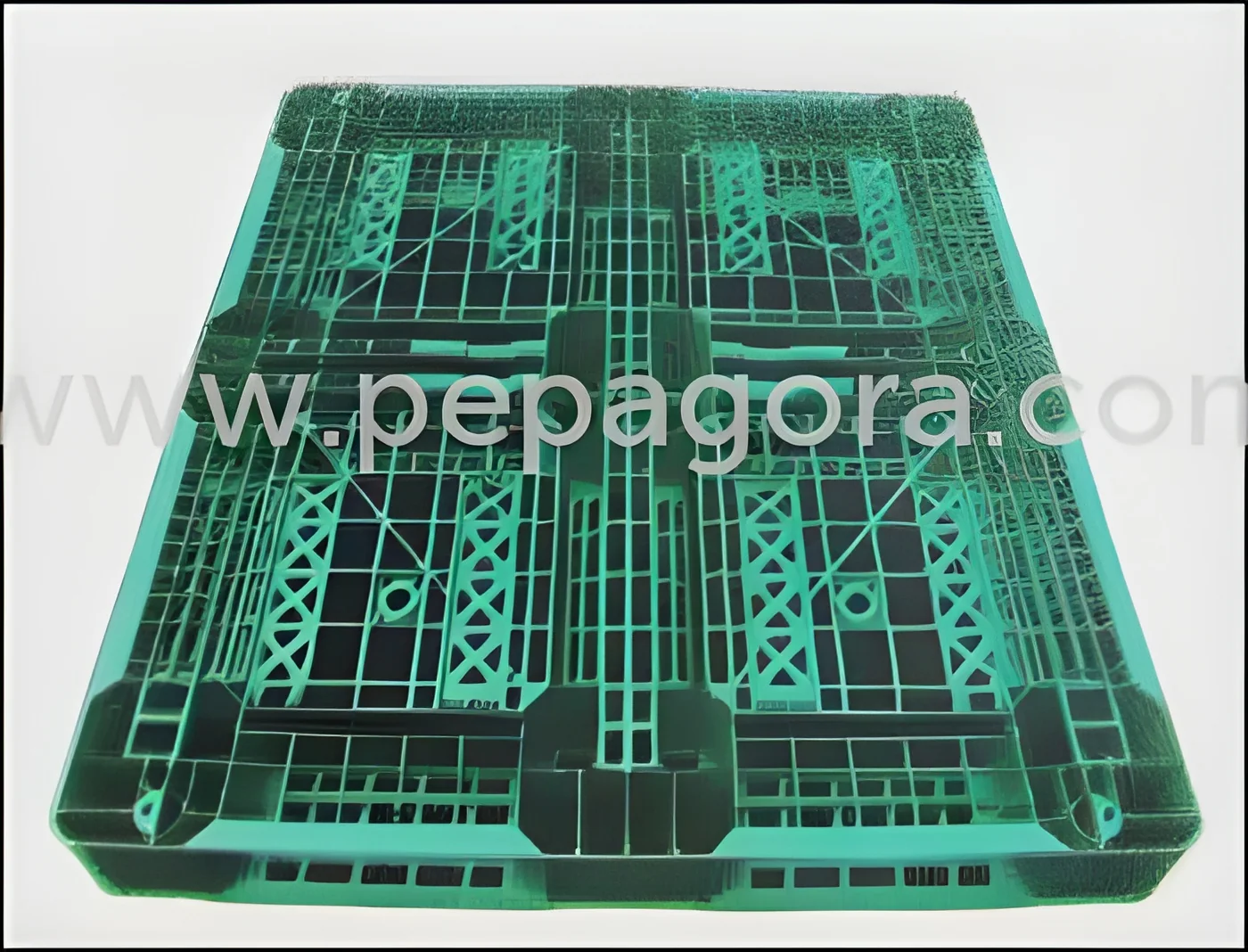
Plastic Rackable Pallets: Lightweight and resistant to moisture and chemicals, plastic pallets are ideal for industries like food and pharmaceuticals. They offer hygiene benefits and can be easily cleaned and reused.
Metal Rackable Pallets: Known for their durability and strength, metal pallets are used in heavy-duty applications. They are particularly beneficial in environments with high wear and tear.
Collapsible Rackable Pallets: Designed for easy storage when not in use, collapsible pallets save space. They are perfect for businesses that require flexibility in their storage solutions.
Benefits and Advantages
Choosing rackable pallets offers several advantages that can significantly enhance operational efficiency.
1. Space Efficiency: Rackable pallets maximize vertical space in warehouses, allowing for more product storage without expanding the footprint.
2. Durability: Constructed from robust materials, rackable pallets resist wear and tear, leading to lower replacement costs over time.
3. Improved Safety: Their design minimizes the risk of accidents during handling, ensuring a safer work environment for employees.
4. Versatility: Rackable pallets are suitable for various products across multiple industries, making them a flexible storage solution.
5. Cost-Effectiveness: By optimizing storage and reducing damage to goods, rackable pallets contribute to overall cost savings in logistics.
6. Enhanced Inventory Management: Their standardized sizes facilitate better tracking and organization of inventory, improving operational workflows.
Buying Guide for B2B Buyers
When sourcing rackable pallets, several factors should be considered to ensure the best fit for your business needs.
1. Quality Assessment: Evaluate the materials and construction quality of the pallets. Look for options that offer durability and are suitable for your specific load requirements.
2. Supplier Verification: Research potential suppliers to ensure they have a reliable track record. Check reviews and request references to confirm their credibility.
3. Pricing and MOQ: Understand the pricing structure and minimum order quantities (MOQ) before making a purchase. This helps in budgeting and ensures you meet supplier requirements.
4. Delivery and Lead Times: Confirm the delivery schedules and lead times with suppliers. Timely delivery is crucial for maintaining inventory levels and operational efficiency.
5. Compliance Requirements: Ensure that the pallets meet relevant industry standards and regulations. This is particularly important in sectors like food and pharmaceuticals.
Compliance and Certifications
Rackable pallets must adhere to various compliance and certification standards to ensure safety and quality. Relevant quality standards include ISO 9001, which focuses on quality management systems, and HACCP, which addresses food safety management.
Industry certifications, such as CE marking, indicate compliance with European health, safety, and environmental protection standards. These certifications are essential for businesses operating in regulated markets.
Safety and testing requirements also play a significant role in the compliance of rackable pallets. Manufacturers must conduct rigorous testing to confirm that the pallets can withstand specified loads and environmental conditions.
Regional compliance considerations may vary, so it is essential for businesses to understand the specific regulations that apply to their location and industry. This ensures that the rackable pallets used meet all necessary safety and performance standards.
Why Source Rackable Pallets from Pepagora?
Pepagora provides a trusted platform for sourcing rackable pallets, offering several key advantages to B2B buyers.
Verified Supplier Network: Pepagora connects buyers with a network of verified suppliers. This ensures that businesses can source high-quality pallets from reputable manufacturers.
Streamlined RFQ Process: The request for quotation (RFQ) process on Pepagora is designed to be straightforward and efficient. Buyers can easily compare quotes from multiple suppliers to make informed decisions.
Trade Assurance and Support: Pepagora offers trade assurance to protect buyers during transactions. This gives businesses peace of mind knowing they are supported throughout the sourcing process.
Regional Coverage: With a strong presence in India, the GCC, and Southeast Asia, Pepagora provides extensive regional coverage for sourcing rackable pallets. This geographic reach enables businesses to access a wide variety of options tailored to their specific needs.

 India
 India
Frequently Asked Questions
What are Rackable Pallets?
Rackable pallets are a type of pallet designed for efficient storage and handling in racking systems. They are built to support heavy loads and can be stored in warehouses on shelves, maximizing vertical space.
What are the different types of Rackable Pallets?
Rackable pallets come in various materials, including wood, plastic, and metal. Each type offers distinct advantages, such as weight capacity, durability, and resistance to moisture or chemicals.
How do I choose the right Rackable Pallets?
To choose the right rackable pallets, consider factors like the weight of the products to be stored, the type of racking system, and material preferences. Assessing the environment in which the pallets will be used is also crucial for optimal performance.
What are the standard specifications for Rackable Pallets?
Standard specifications for rackable pallets include dimensions, weight capacity, and design features such as entry type and deck configuration. Common sizes include 48x40 inches and 42x42 inches, but custom sizes can also be available.
What is the price range for Rackable Pallets?
The price range for rackable pallets can vary widely based on material, size, and quantity. Generally, wooden pallets may cost between INR 300 to INR 1,000, while plastic and metal options can range from INR 800 to INR 2,500 or more.
What quality standards apply to Rackable Pallets?
Rackable pallets must adhere to various quality standards, such as ISPM 15 for wooden pallets and specific industry standards for plastic and metal pallets. Ensuring compliance with these standards is important for safety and durability.
Where can I find Rackable Pallets suppliers in India?
You can find rackable pallets suppliers in India through B2B marketplaces like Pepagora, local manufacturers, and industry trade shows. Online platforms often provide a comprehensive list of suppliers along with product specifications.
Can Rackable Pallets be customized?
Yes, rackable pallets can often be customized to meet specific requirements, including size, load capacity, and material. Many manufacturers offer customization options to suit individual business needs.
What is the typical minimum order quantity for Rackable Pallets?
The typical minimum order quantity (MOQ) for rackable pallets varies by supplier and product type. Generally, MOQs can range from 10 to 50 pallets, depending on the material and customization required.
What is the typical lead time for Rackable Pallets?
The typical lead time for rackable pallets can range from a few days to several weeks, depending on the supplier, stock availability, and whether the pallets are customized. It is advisable to confirm lead times with your chosen supplier before placing an order.
Why Businesses Trust Pepagora
Thousands of companies trust Pepagora to source smarter and sell faster
Expand Your Sales Globally

Source Smarter,Grow Faster
