IN
IN₹
Apparel & Fashion
Description
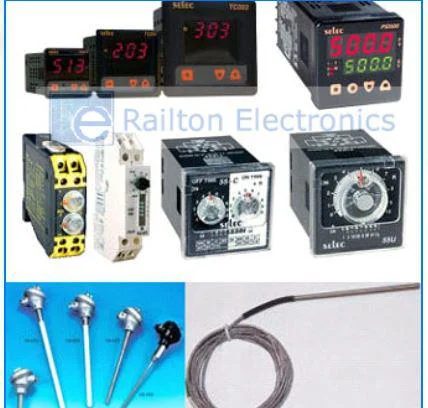
Process control instruments and thermocouples represent the backbone of modern industrial automation, providing accurate monitoring and regulation of critical process variables. These precision devices include thermocouples for temperature measurement and comprehensive control systems for managing pressure, flow, level, and other operational parameters. Designed for reliability in challenging environments, they deliver real-time data that enables precise control over manufacturing and processing operations. The availability of multiple thermocouple types (including J, K, T variants) ensures optimal performance across different temperature ranges and environmental conditions, while advanced controllers and transmitters maintain process stability through continuous monitoring and automated adjustments.

These instruments find extensive application across numerous industrial sectors where precise control directly impacts product quality and operational safety. In chemical processing plant...
Process control instruments and thermocouples represent the backbone of modern industrial automation, providing accurate monitoring and regulation of critical process variables. These precision devices include thermocouples for temperature measurement and comprehensive control systems for managing pressure, flow, level, and other operational parameters. Designed for reliability in challenging environments, they deliver real-time data that enables precise control over manufacturing and processing operations. The availability of multiple thermocouple types (including J, K, T variants) ensures optimal performance across different temperature ranges and environmental conditions, while advanced controllers and transmitters maintain process stability through continuous monitoring and automated adjustments.

These instruments find extensive application across numerous industrial sectors where precise control directly impacts product quality and operational safety. In chemical processing plants, they monitor reaction temperatures and pressure levels to prevent hazardous situations. Food and pharmaceutical manufacturers rely on them for maintaining strict temperature controls during production and storage. Power generation facilities utilize these devices for boiler management and turbine monitoring, while manufacturing units integrate them into automated production lines. The widespread adoption across these industries underscores their critical role in maintaining consistent output quality and operational efficiency.

The business value of implementing reliable process control instruments extends beyond basic monitoring functions to deliver substantial operational benefits. Companies investing in high-quality thermocouples and control systems experience reduced downtime through early detection of process deviations, minimizing production losses. The precision control capabilities lead to consistent product quality, reducing waste and rework costs. These instruments also contribute to energy efficiency by optimizing process parameters, resulting in lower operational costs. The robust construction ensures long service life with minimal maintenance requirements, providing excellent return on investment while enhancing workplace safety through reliable monitoring of potentially hazardous processes.

Key Features:
- High-accuracy temperature measurement with fast response thermocouples
- Robust construction designed for harsh industrial environments
- Multiple thermocouple types (J, K, T) for different application needs
- Comprehensive control capabilities for pressure, flow, and level variables
- Customization options to match specific process requirements

Benefits:
- Enhanced process efficiency through precise real-time monitoring
- Improved product consistency and quality control
- Reduced operational costs via energy optimization
- Increased equipment lifespan through proper process control
- Enhanced workplace safety with reliable hazard monitoring
Specifications
| Additional Information | |
|---|---|
| Country of Origin | India |
Application
Our process control instruments and thermocouples serve as critical monitoring solutions across diverse industrial environments. These precision devices continuously track temperature, pressure, flow rates, and other vital parameters, ensuring operational stability and preventing costly deviations in manufacturing processes. The robust construction and accurate sensing capabilities make them indispensable for maintaining quality standards and safety protocols in demanding industrial settings.
From chemical processing plants to food manufacturing facilities, these instruments provide the reliable data needed for automated control systems. They enable real-time adjustments to process variables, helping businesses maintain consistent output quality while optimizing energy consumption and reducing waste. The versatility of these devices allows for seamless integration into existing infrastructure across multiple industry verticals. Real-world applications:
Real-world applications:
- Temperature monitoring and control in industrial furnaces, ovens, and heat treatment systems
- Pressure regulation and flow measurement in chemical processing and petroleum refining
- Precision temperature control for food processing, pharmaceutical manufacturing, and beverage production
- Boiler management and energy monitoring in power generation facilities
- Automated process control in manufacturing assembly lines and production systems
Trade Details
| Available Stock | In Stock |
| Sample Availability | No |
Payment Terms
| Payment Terms |
|
Company Profile

Railton Electronics, West Bengal
 West Bengal, India
West Bengal, IndiaElectronics & Electrical•Distributor / Wholesaler•Retailer
Factory Details
Factory SizeBelow 1000 sqm
Industrial Process Control Instruments And Thermocouples For Temperature Pressure Flow Monitoring
Reliable process control instruments and thermocouples deliver precise temperature, pressure, and flow monitoring for industrial operations. Essential for maintaining safety, efficiency, and product consistency across manufacturing and processing industries.
Min. Order Quantity: 1
Shipping
Shipping fee and delivery date to be negotiated. Contact supplier now for more details.
Railton Electronics
 West Bengal, India
West Bengal, IndiaElectronics & ElectricalDistributor / Wholesaler