IN
IN₹
Apparel & Fashion
Description
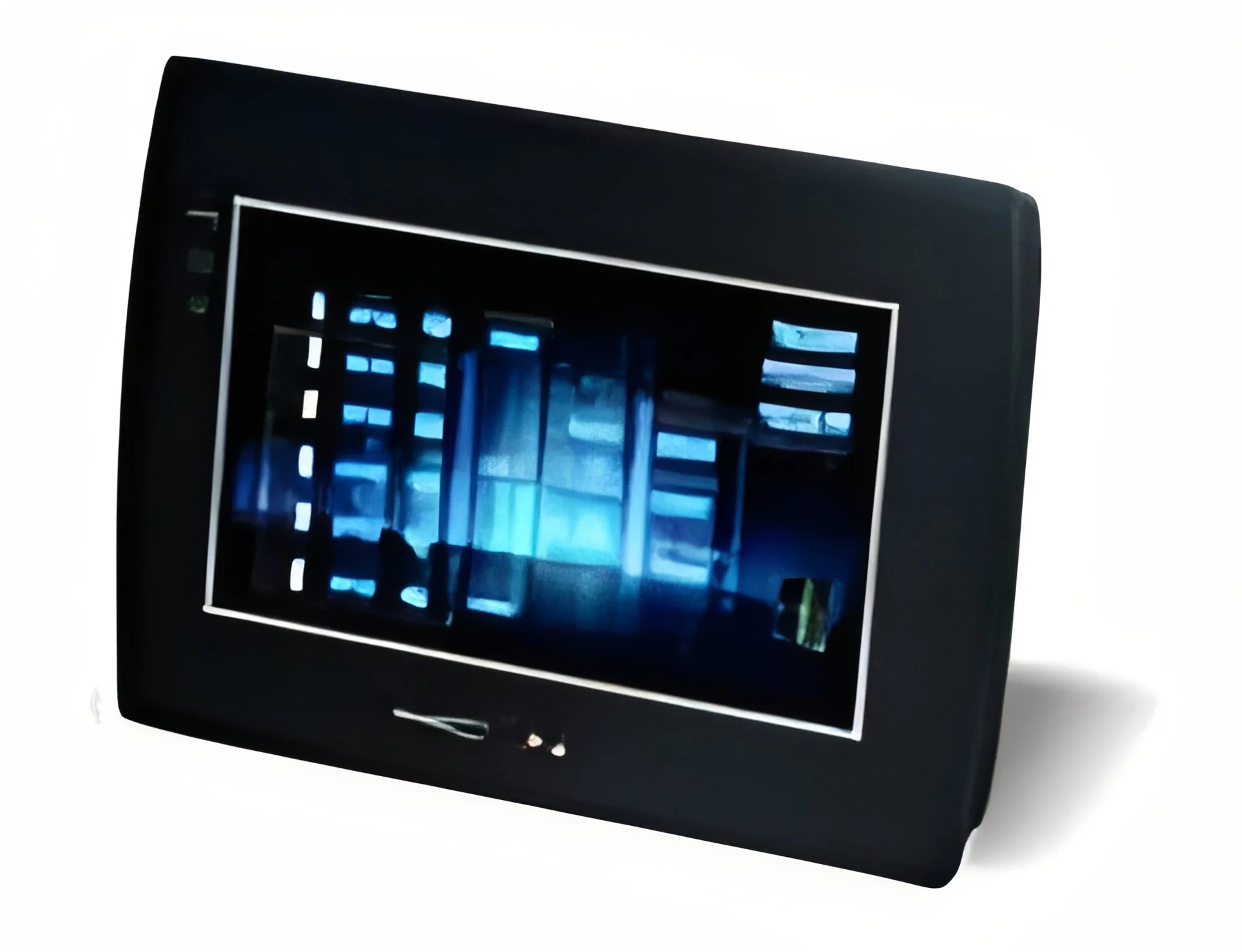
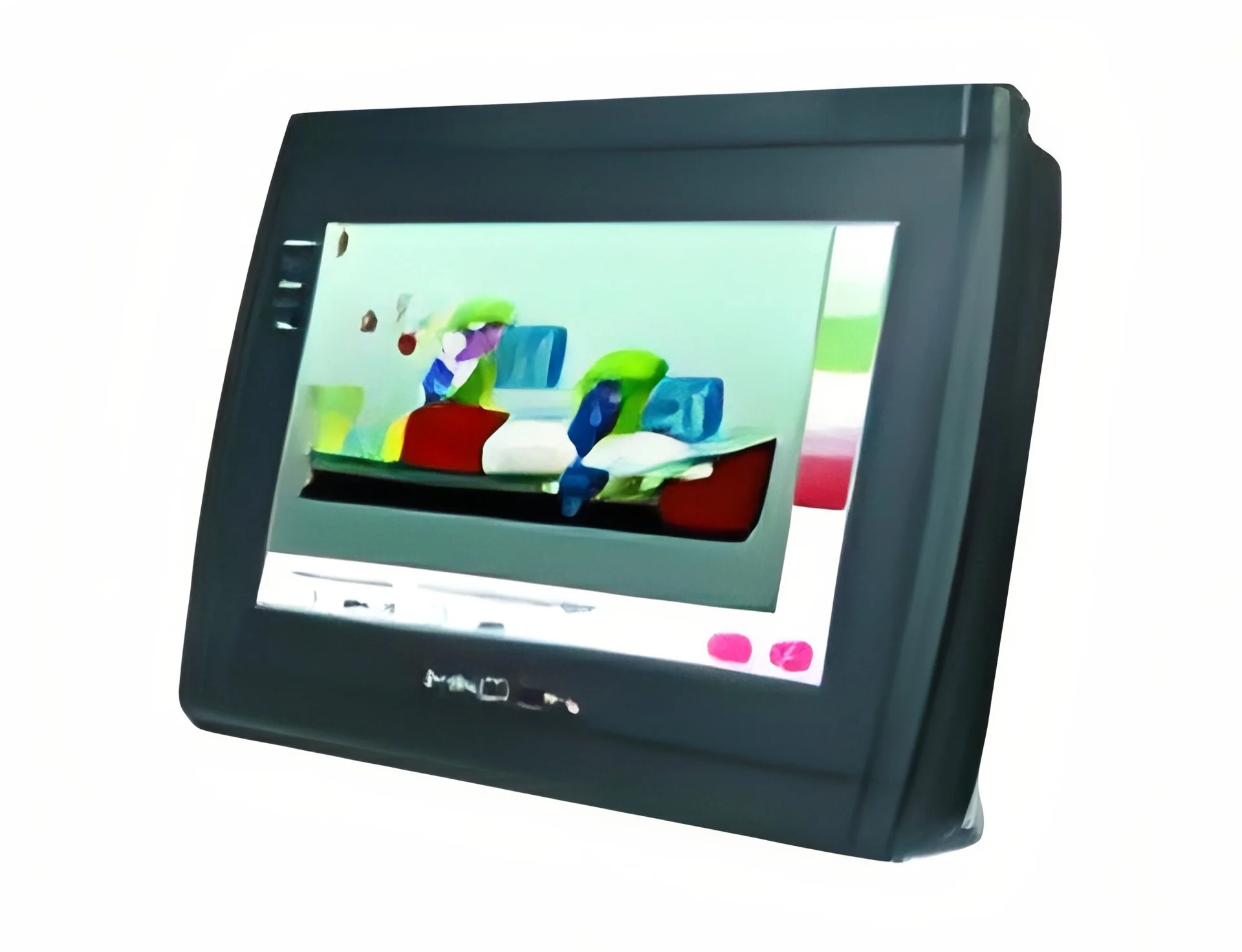
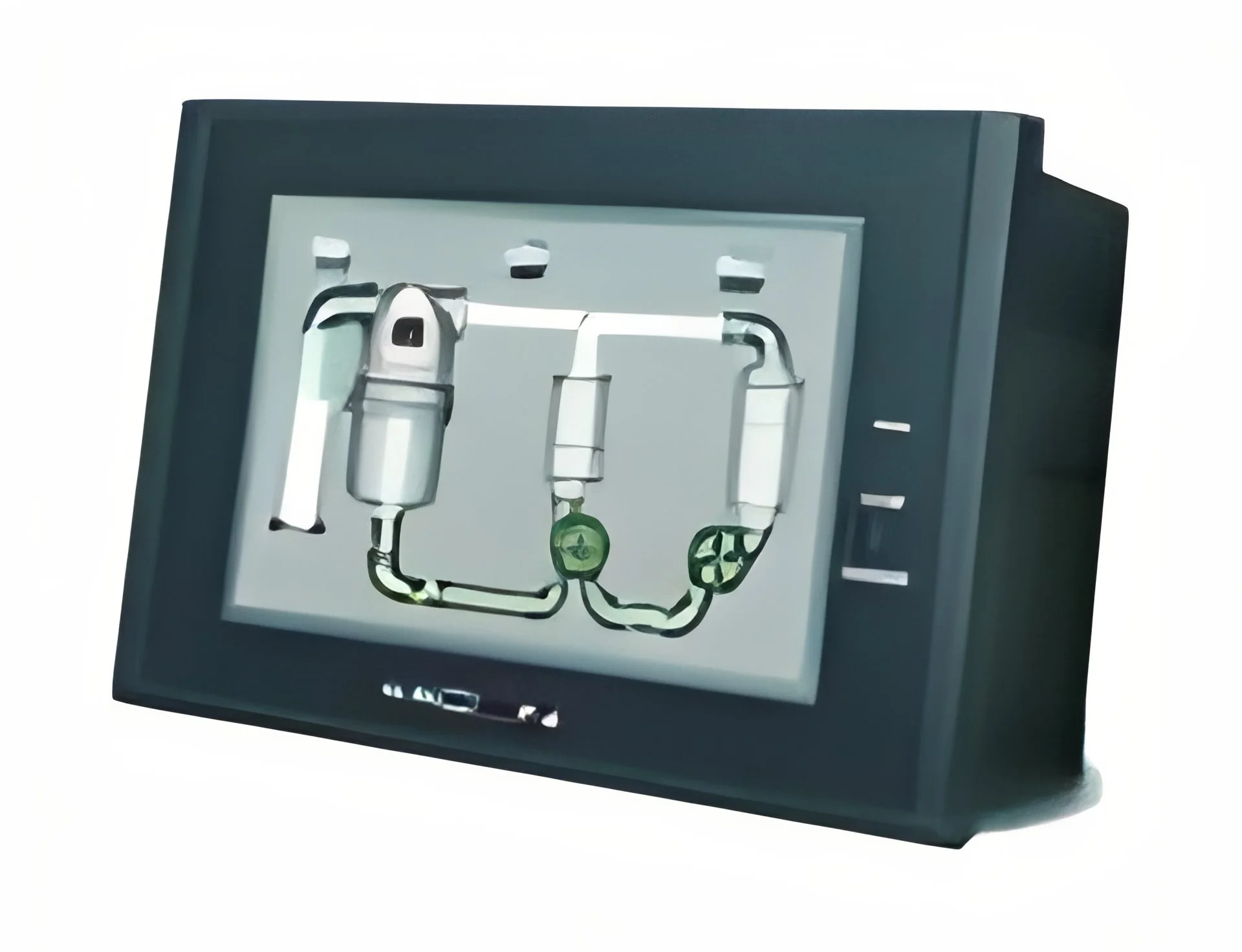
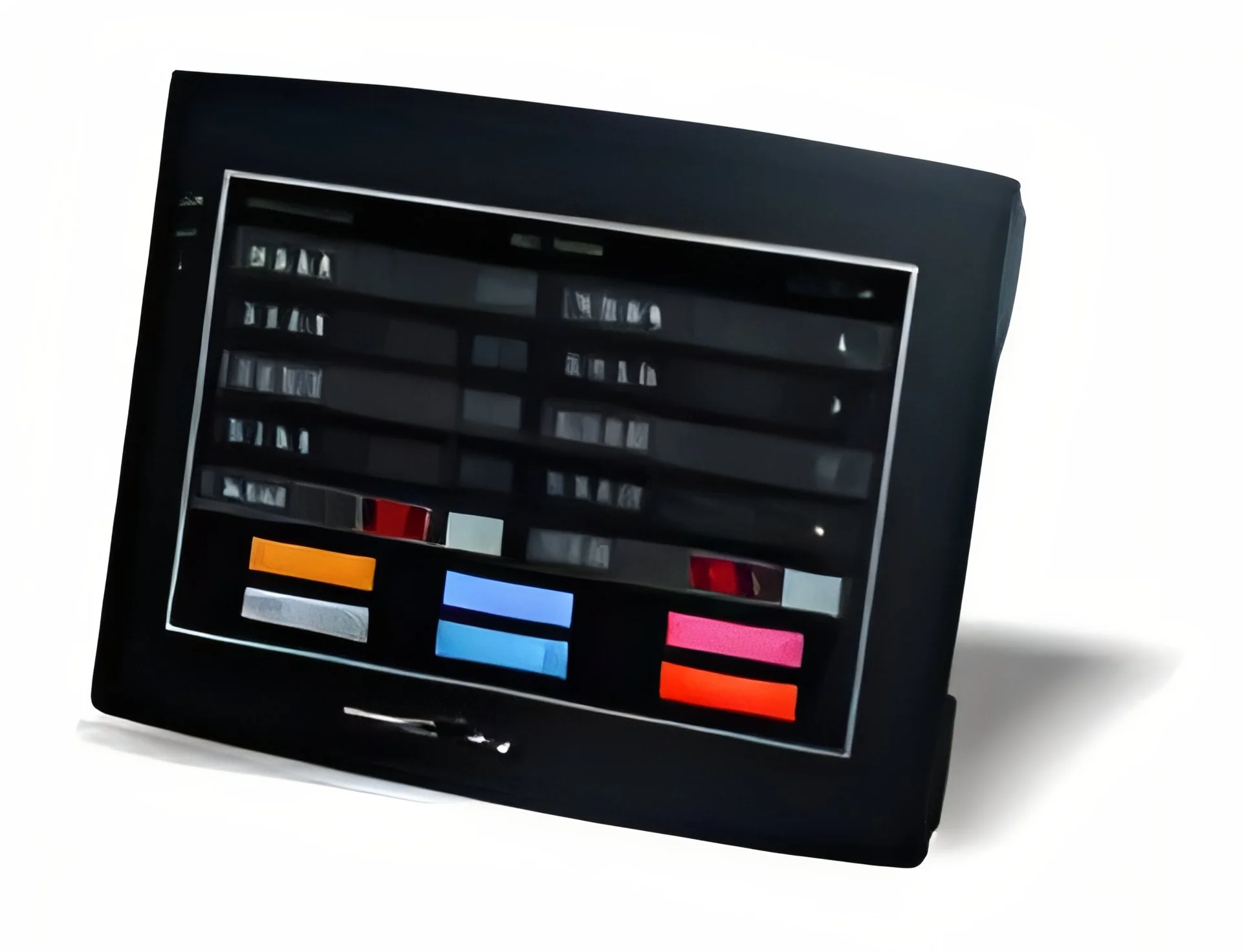
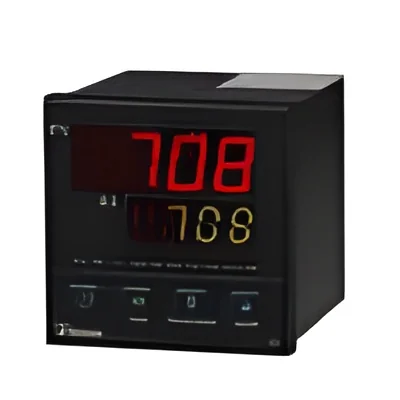
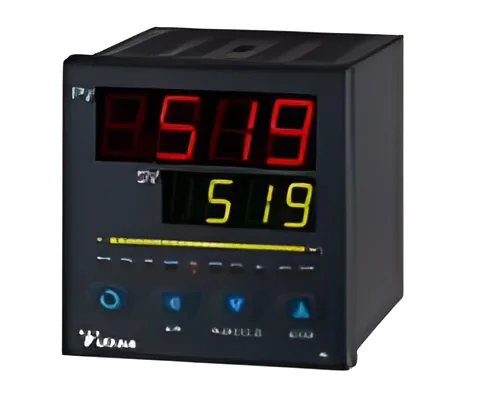
Universal PID controllers form the foundation of modern industrial process control, delivering precise regulation of temperature, pressure, flow, and other critical variables. These advanced devices continuously monitor process conditions, compare them to target setpoints, and automatically adjust outputs to maintain optimal performance. Engineered for reliability and accuracy, our PID controllers feature robust construction suitable for demanding industrial environments. They incorporate sophisticated algorithms that ensure stable operation while minimizing overshoot and oscillation. The universal design provides compatibility with various sensor types and output signals, making them adaptable to diverse applications without requiring extensive modifications or additional components.

These controllers serve critical roles across multiple industries where process stability is essential. In manufacturing operations, they maintain exact temperature control in plastic injection molding a...
Universal PID controllers form the foundation of modern industrial process control, delivering precise regulation of temperature, pressure, flow, and other critical variables. These advanced devices continuously monitor process conditions, compare them to target setpoints, and automatically adjust outputs to maintain optimal performance. Engineered for reliability and accuracy, our PID controllers feature robust construction suitable for demanding industrial environments. They incorporate sophisticated algorithms that ensure stable operation while minimizing overshoot and oscillation. The universal design provides compatibility with various sensor types and output signals, making them adaptable to diverse applications without requiring extensive modifications or additional components.

These controllers serve critical roles across multiple industries where process stability is essential. In manufacturing operations, they maintain exact temperature control in plastic injection molding and metal heat treatment processes. The food processing industry utilizes them for pasteurization, sterilization, and cooking applications where consistent temperatures ensure product safety and quality. Pharmaceutical manufacturers depend on PID controllers for maintaining strict environmental conditions in clean rooms and production equipment. Chemical processing plants employ them for reaction temperature control and pressure management, while HVAC systems use them for climate control in commercial and industrial buildings, ensuring optimal working conditions and energy efficiency.

The operational value of implementing our Universal PID controllers extends beyond basic process control to significant operational improvements and cost reductions. These devices enhance product quality consistency by maintaining precise process parameters, thereby reducing material waste and rework requirements. Their proven reliability minimizes unplanned downtime and maintenance needs, leading to increased production uptime and throughput capacity. The controllers' universal compatibility allows businesses to deploy them across various applications without performance compromises. With intuitive interfaces and straightforward installation procedures, they reduce training requirements and implementation timelines. The robust construction ensures long-term operation even in challenging industrial conditions, delivering excellent return on investment through improved efficiency, reduced energy consumption, and lower maintenance expenses.

Key Features:
- Advanced PID algorithm for precise process control and stability
- Universal input compatibility supporting multiple sensor types and signals
- Industrial-grade construction for reliable operation in harsh environments
- Configurable parameters and setpoints for application-specific requirements
- User-friendly interface with clear display and straightforward operation

Benefits:
- Enhanced process stability and consistent product quality output
- Reduced operational costs through efficient energy usage and minimal waste
- Increased production uptime with reliable performance and minimal maintenance
- Flexible integration across various industrial systems and applications
- Long-term durability and consistent performance in demanding conditions
Specifications
| Additional Information | |
|---|---|
| Country of Origin | India |
Application
Universal PID controllers maintain precise control over critical industrial processes by automatically adjusting outputs to match setpoints. They ensure consistent quality and operational efficiency across temperature, pressure, and flow applications in various industrial settings. Their versatile design allows integration into both simple control systems and complex automation networks while reducing manual intervention and operational costs.
These controllers serve multiple industries including manufacturing, food processing, pharmaceuticals, and chemical production. They excel in applications requiring tight tolerance control such as HVAC systems, water treatment facilities, and industrial heating equipment. Their adaptability makes them suitable for system upgrades and new installations, offering scalable solutions that evolve with operational demands while maintaining industry compliance standards.
- Temperature regulation in industrial ovens and furnaces for manufacturing consistency
- Pressure control in hydraulic systems and pneumatic applications for operational safety
- Flow rate management in water treatment plants and chemical processing facilities
- Environmental control in pharmaceutical production and food storage areas
- Process variable regulation in conveyor systems and motor-driven industrial equipment
Trade Details
| Available Stock | In Stock |
| Sample Availability | No |
Payment Terms
| Payment Terms |
|
Company Profile
Micon Automation Systems Pvt Ltd, Gujarat
 Gujarat, India
Gujarat, IndiaElectronics & Electrical•Manufacturer•Distributor / Wholesaler•Importer / Exporter
Factory Details
Factory SizeBelow 1000 sqm
Annual Production Capacity0
Industrial PID Controllers for Temperature Pressure Flow Control
Universal PID controllers deliver precise temperature, pressure, and flow control for industrial automation. These reliable controllers ensure stable process regulation in manufacturing and processing applications with universal input compatibility.
Min. Order Quantity: 1 unit
Shipping
Shipping fee and delivery date to be negotiated. Contact supplier now for more details.
Micon Automation Systems Pvt Ltd
 Gujarat, India
Gujarat, IndiaElectronics & ElectricalManufacturer