Key Features and Specifications
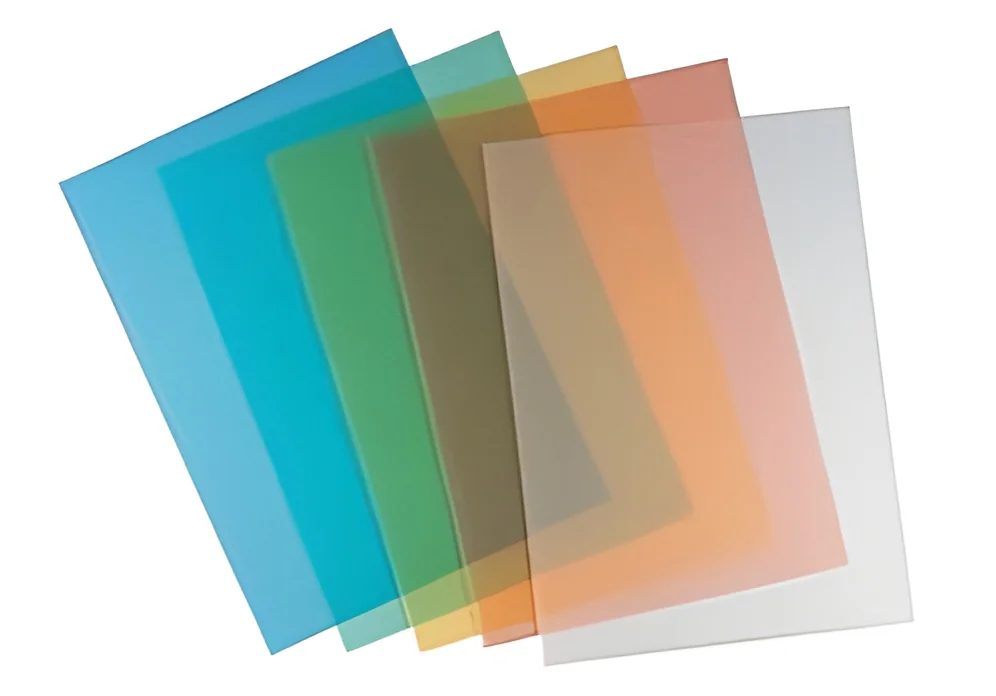
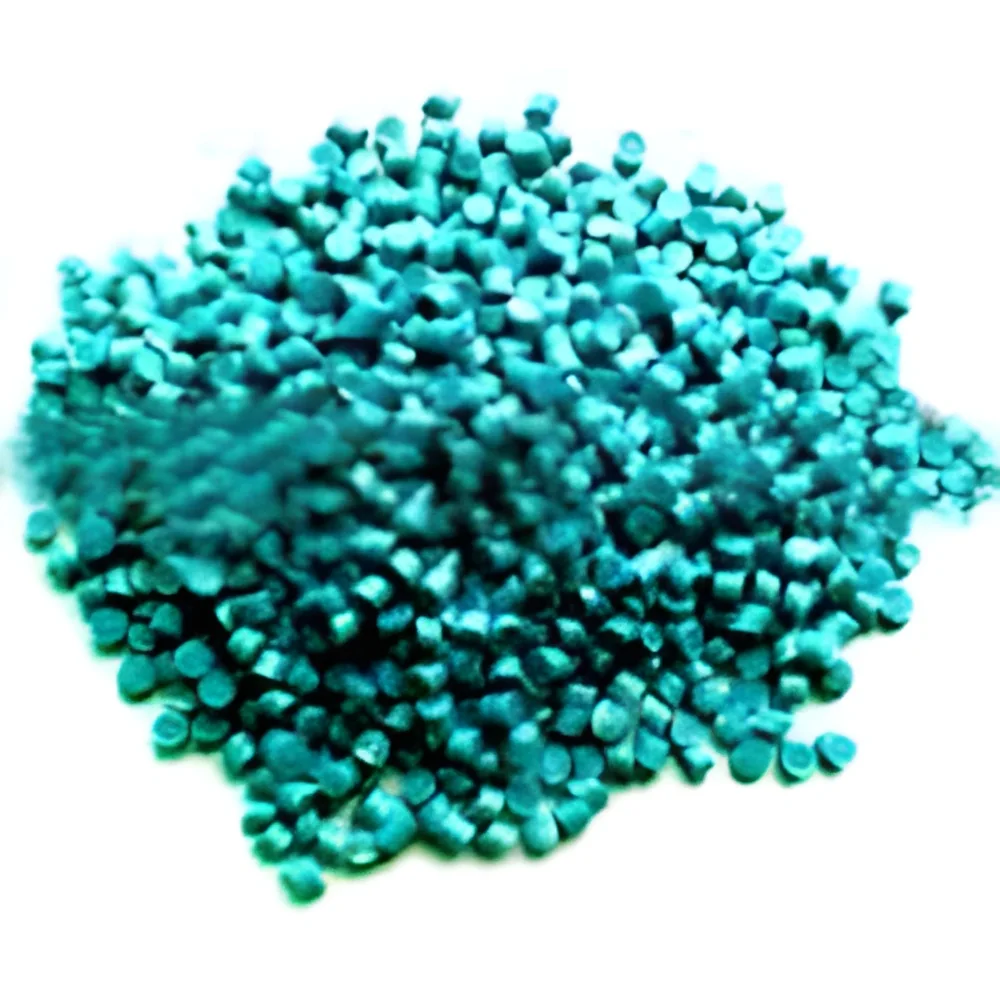
PVC is characterized by several key features that contribute to its widespread use in multiple industries. Its properties include chemical resistance, electrical insulation, and weather resistance. Moreover, it is lightweight and can be easily processed, which enhances its appeal for manufacturers and end-users alike.
Key specifications include:
1. Chemical Resistance
- PVC exhibits excellent resistance to acids, alkalis, and many organic solvents.
- This makes it suitable for use in harsh chemical environments.
2. Temperature Range
- PVC can typically withstand temperatures up to 60°C without losing its structural integrity.
- It is advisable to consult specific product data for precise temperature tolerances.
3. Flammability
- PVC is inherently flame-retardant, making it a safer choice for various applications.
- It self-extinguishes when the source of ignition is removed.
4. Mechanical Strength
- Rigid PVC has high tensile strength and is resistant to impact.
- This durability makes it ideal for structural applications.
5. Flexibility
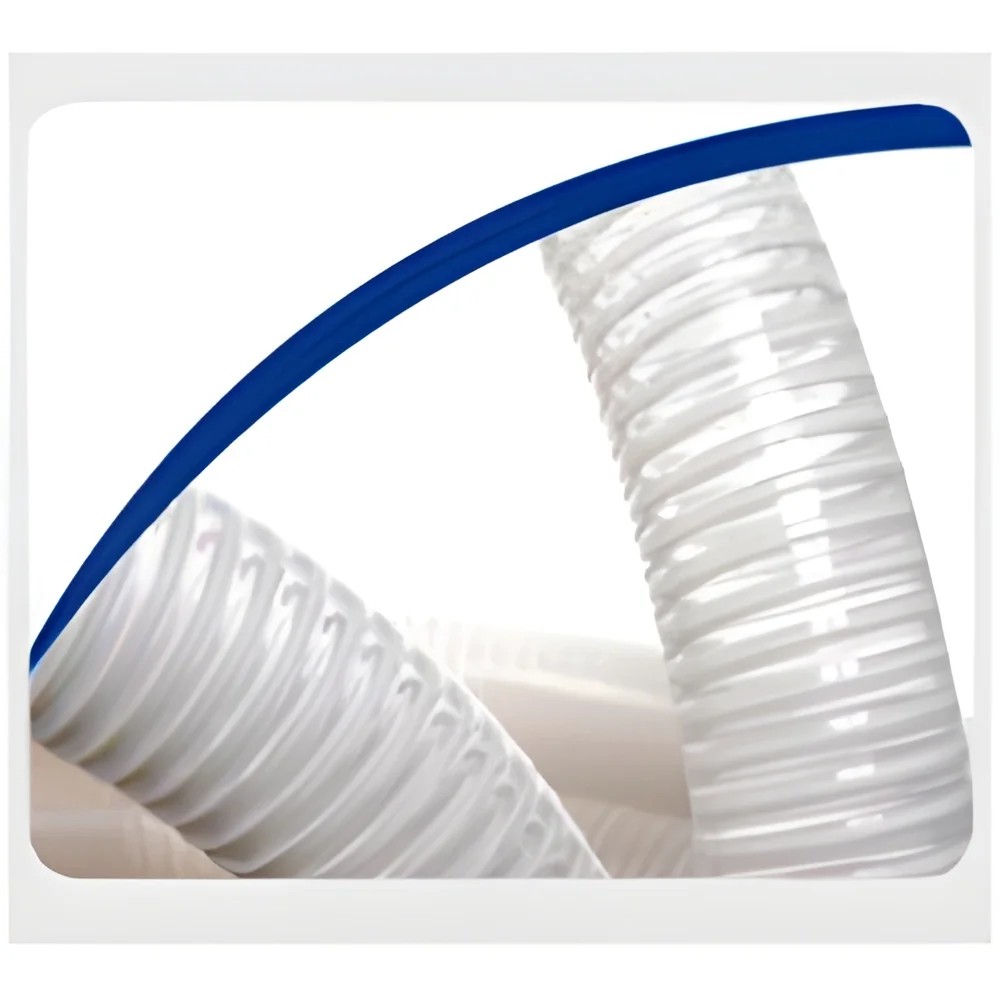
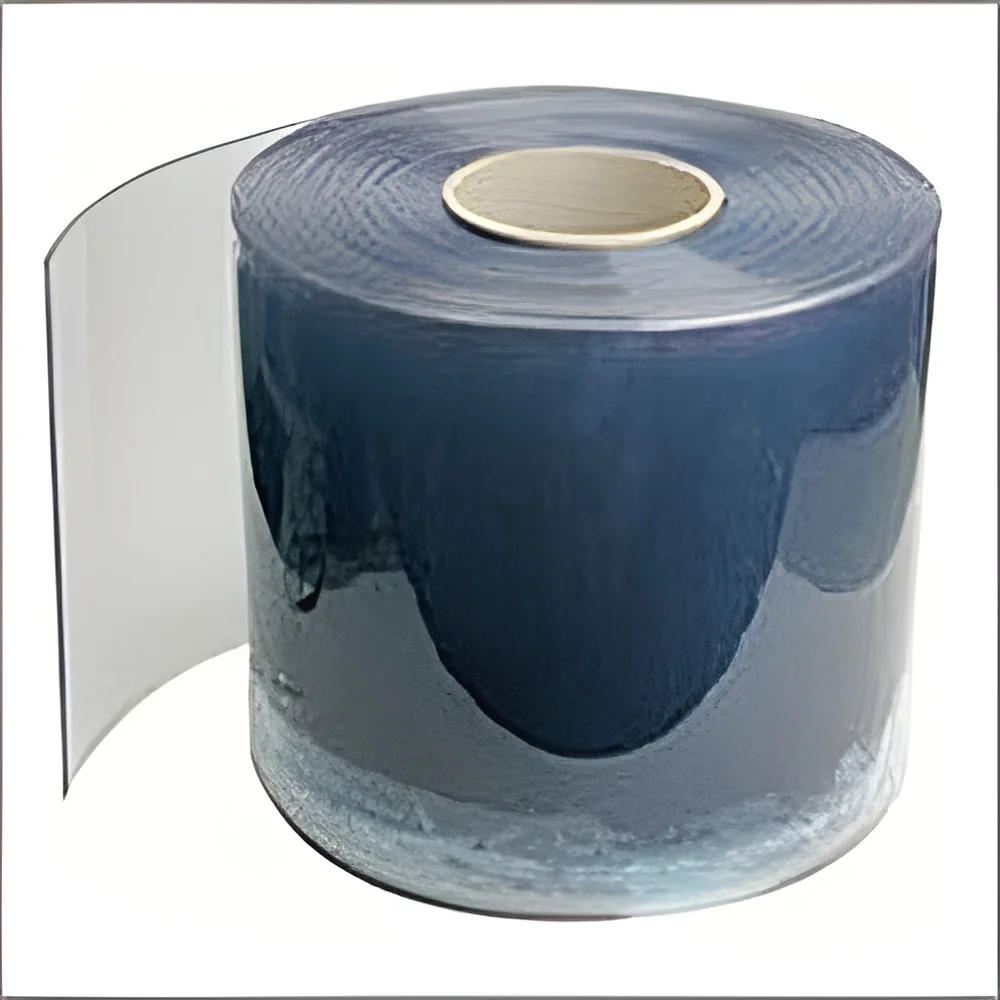
- Flexible PVC can be produced with varying degrees of flexibility, allowing for its use in applications such as cables and hose.
6. UV Resistance
- PVC can be modified to enhance its resistance to ultraviolet light, extending its lifespan in outdoor applications.
7. Electrical Insulation
- PVC is an effective electrical insulator, making it suitable for a variety of electrical applications.
8. Recyclability
- PVC can be recycled, supporting sustainable practices in industrial applications.
The diverse specifications of PVC make it a versatile material that meets various industry standards and requirements.
Common Applications and Use Cases
Polyvinyl Chloride (PVC) is utilized across numerous industries due to its diverse properties and applications.
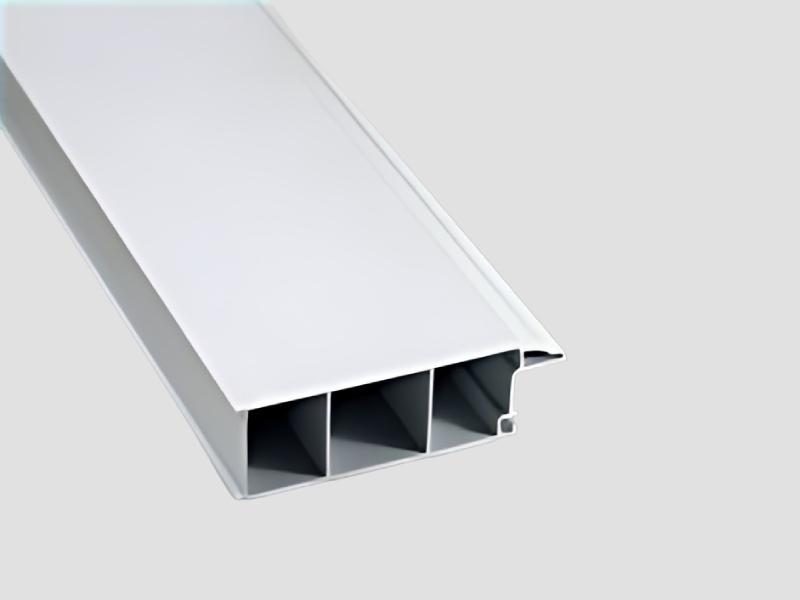
1. Construction: PVC is widely used for plumbing pipes, window frames, and flooring due to its durability and water resistance. It is a key material for both residential and commercial building projects.
2. Healthcare: In the medical field, PVC is essential for manufacturing medical devices, IV bags, and tubing. Its ability to be sterilized and its chemical resistance make it suitable for healthcare applications.
3. Automotive: PVC is used in vehicle interiors, dashboards, and insulation due to its lightweight and durable nature. It contributes to the aesthetics and functionality of automotive components.
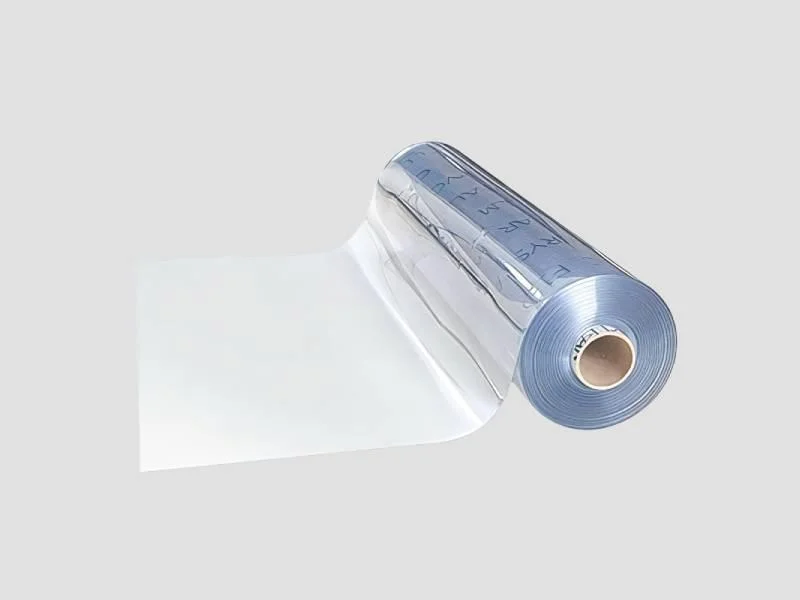
4. Packaging: Flexible PVC films are commonly used for packaging food and consumer goods, offering excellent barrier properties.
5. Electronics: PVC is often used for insulation in electrical cables, providing safety and reliability.
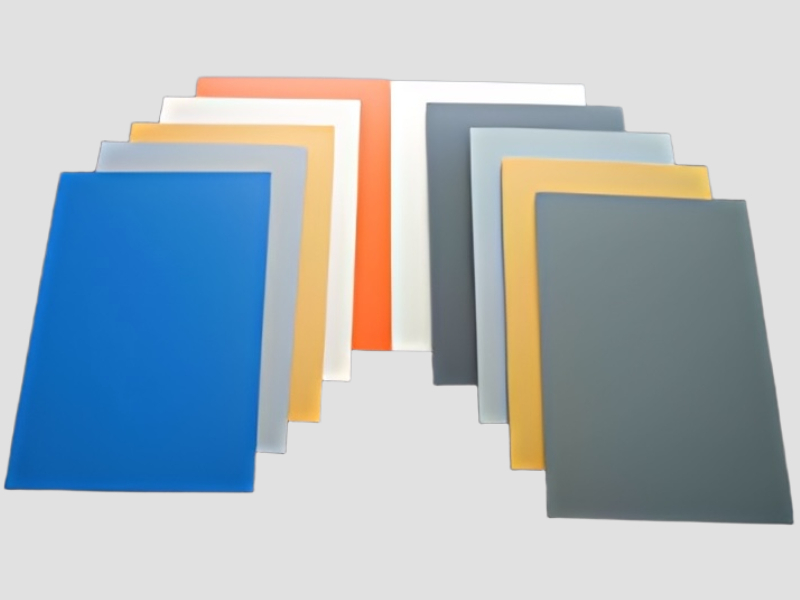
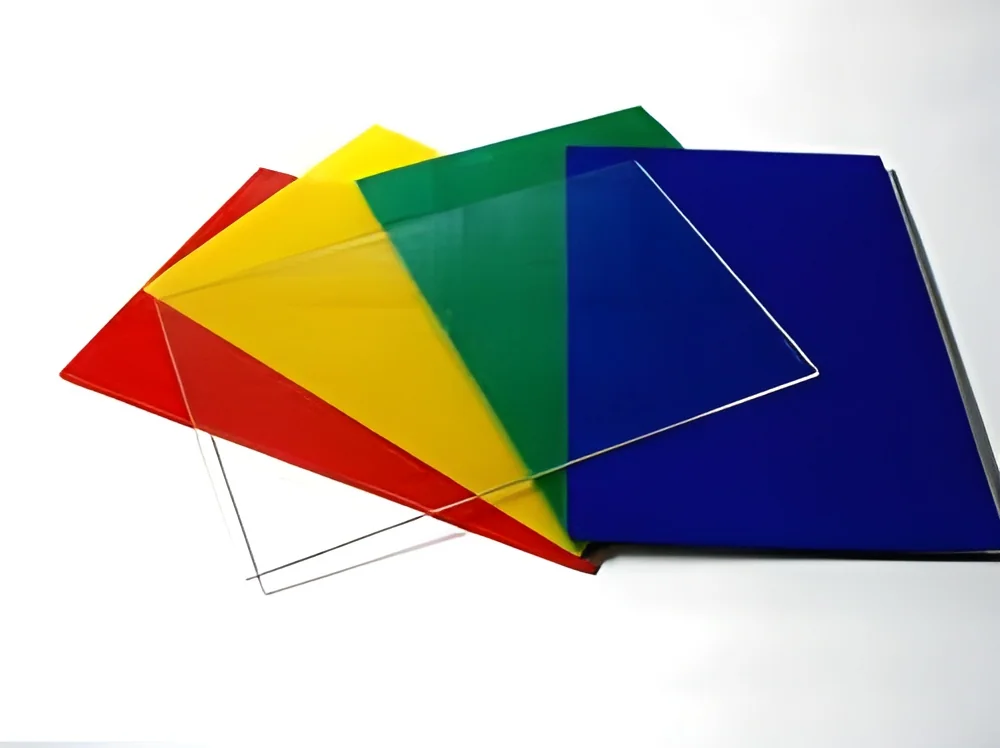
6. Signage: Its ease of printing and durability makes PVC a popular choice for outdoor signage and displays.
7. Toys: PVC is used in toy manufacturing, offering flexibility and safety when appropriately formulated.
Product Variants and Subcategories
Polyvinyl Chloride (PVC) comes in various forms to cater to specific industry needs.
Rigid PVC
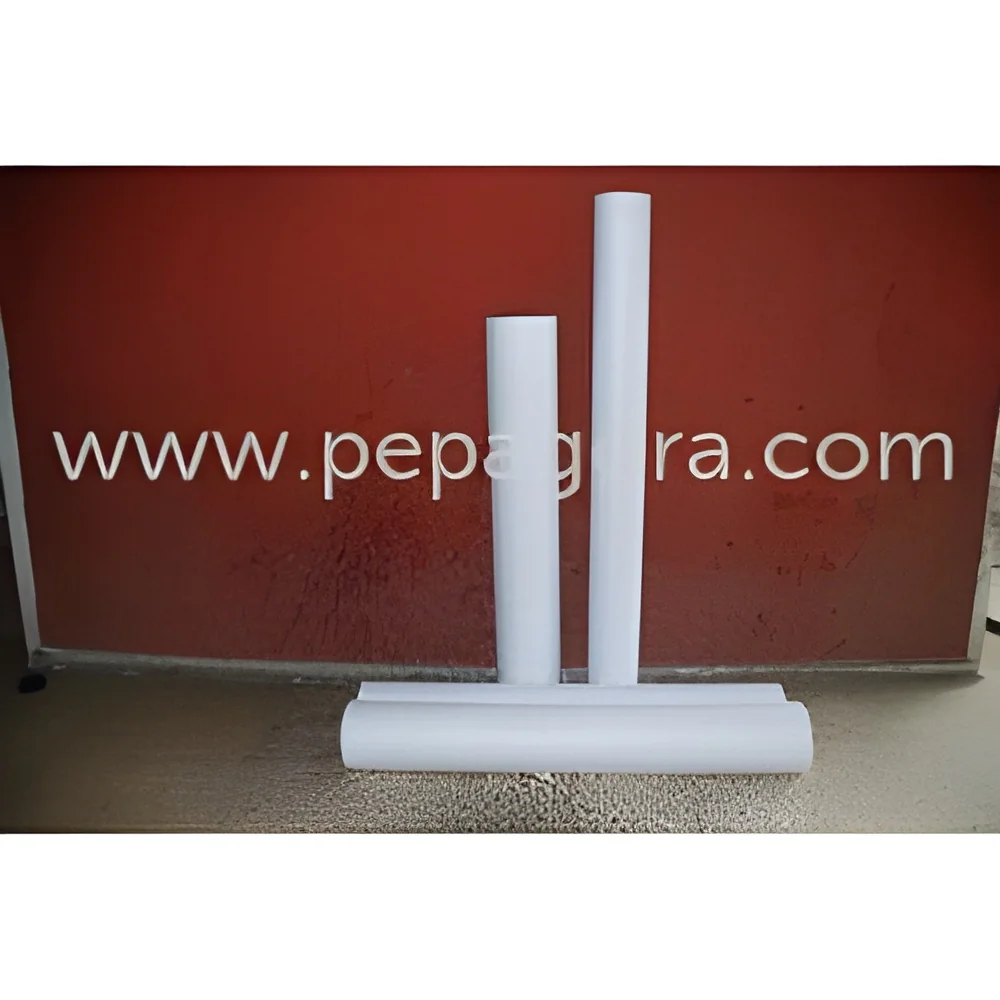
Rigid PVC is commonly used for pipes, fittings, and construction materials. Its strength and durability make it ideal for structural applications.
Flexible PVC
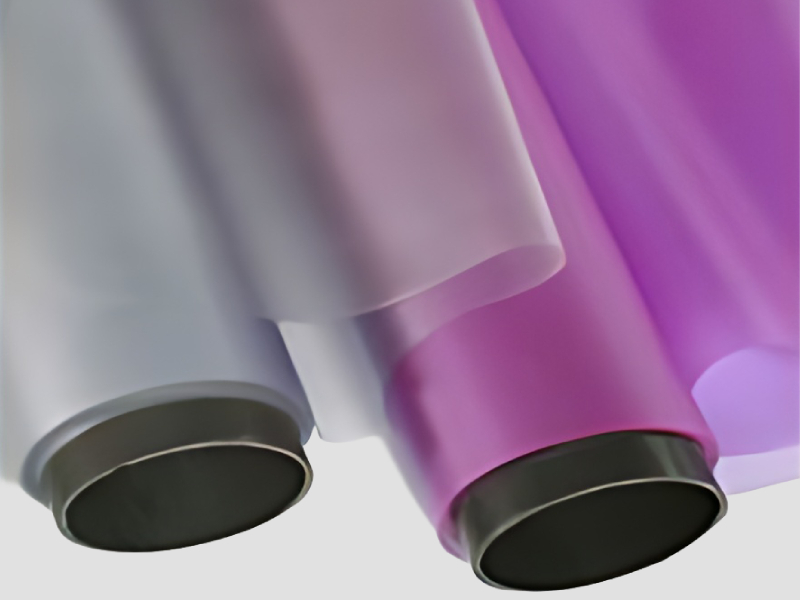
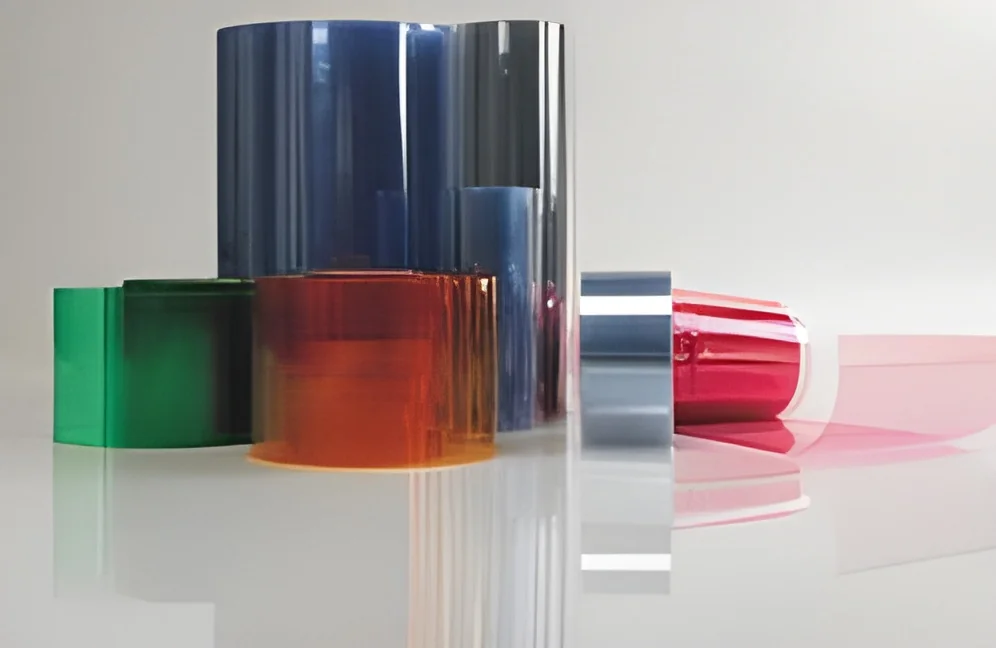
This variant is softer and more pliable, making it suitable for applications such as electrical cables, flooring, and medical tubing. Its flexibility allows for ease of use in diverse environments.
Chlorinated PVC (CPVC)
Chlorinated PVC is a modified version of standard PVC that offers improved temperature and chemical resistance. It is often used in hot water pipes and industrial applications.
Benefits and Advantages
Choosing Polyvinyl Chloride (PVC) offers numerous advantages for businesses and industries.
1. Cost-Effectiveness: PVC is relatively inexpensive to produce and purchase, making it a budget-friendly option for manufacturers.
2. Durability: PVC is resistant to corrosion, impact, and weather conditions, ensuring a long service life in various applications.
3. Versatility: Its ability to be formulated in rigid or flexible forms allows it to be used in a wide range of applications.
4. Chemical Resistance: PVC is resistant to many chemicals, making it suitable for use in harsh environments.
5. Low Maintenance: PVC requires minimal maintenance, reducing overall operational costs for businesses.
6. Environmental Considerations: PVC can be recycled, supporting sustainability initiatives within industries.
Buying Guide for B2B Buyers
When sourcing Polyvinyl Chloride (PVC), businesses should consider several important factors to ensure they select the right product for their needs.
1. Quality Assessment: Evaluate the quality of PVC by reviewing certifications and industry standards. Look for compliance with relevant guidelines to ensure product reliability.
2. Supplier Verification: Vet suppliers thoroughly to confirm their credibility and reputation. Seek testimonials or case studies from other clients to gauge their experience.
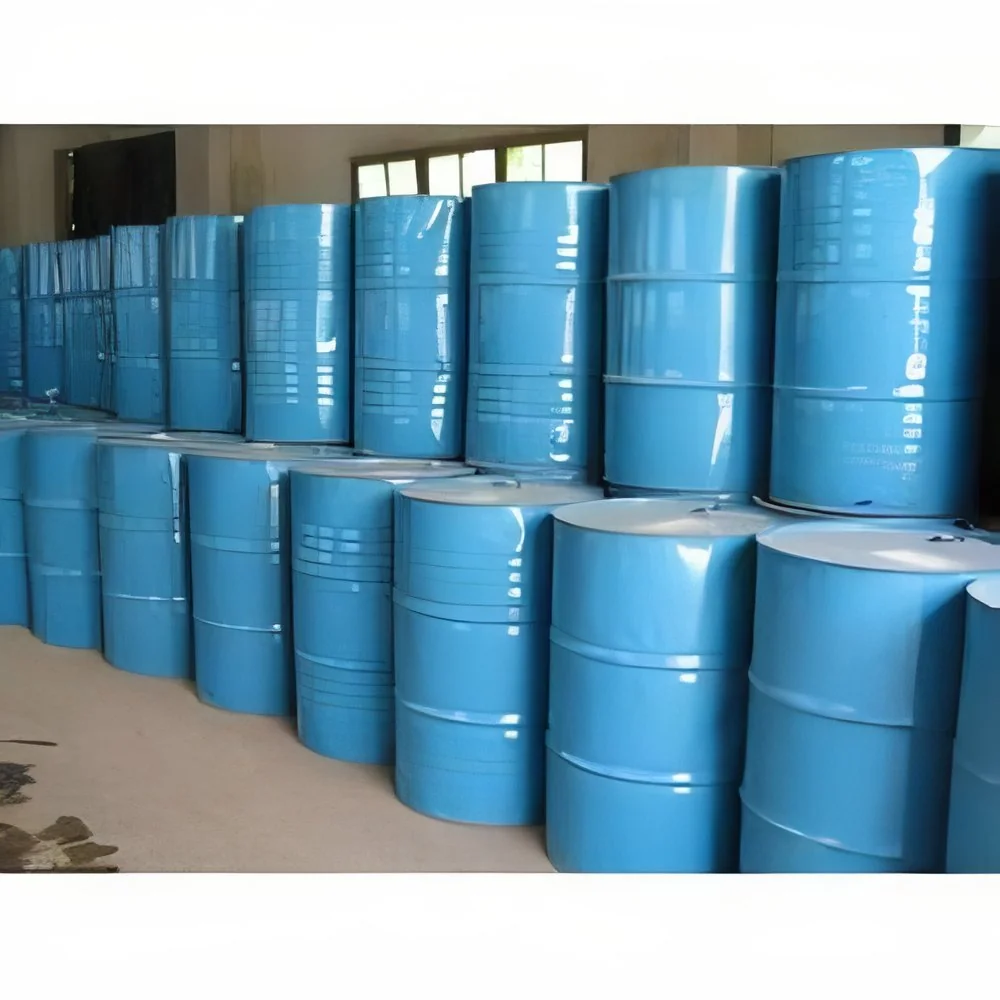
3. Pricing and MOQ: Understand the pricing structure and minimum order quantities (MOQ) set by suppliers. This can influence budget planning and inventory management.
4. Delivery and Lead Times: Assess the delivery capabilities of suppliers. Consider lead times for production and shipping to ensure timely availability of materials.
5. Compliance Requirements: Be aware of regional compliance and safety standards that apply to PVC. Ensure that the products meet all necessary regulatory requirements.
Compliance and Certifications
Compliance with industry standards is crucial for Polyvinyl Chloride (PVC) products. Key quality standards include ISO 9001, which ensures that manufacturers maintain a quality management system. Additionally, HACCP and GDP guidelines may apply to specific applications, especially in healthcare and food packaging.
Industry certifications, such as CE marking, indicate that PVC products meet European safety and performance standards. This is essential for companies looking to trade within the European Union.
Safety and testing requirements also play a vital role in ensuring that PVC is suitable for its intended use. Regular testing for physical and chemical properties helps maintain quality and performance.
Regional compliance considerations may vary based on local regulations. It is important for businesses to stay informed about these requirements to ensure full compliance.
Why Source Polyvinyl Chloride (PVC) from Pepagora?
Pepagora offers a trusted platform for sourcing Polyvinyl Chloride (PVC), providing several key advantages for B2B buyers.
Verified Supplier Network: Pepagora connects buyers with a network of verified suppliers. This ensures that businesses can source high-quality PVC from reputable manufacturers, reducing the risk associated with procurement.
Streamlined RFQ Process: The platform simplifies the request for quotation (RFQ) process, enabling buyers to receive competitive quotes efficiently. This saves time and allows for easier comparison of supplier offerings.
Trade Assurance and Support: Pepagora offers trade assurance, which protects buyers against potential risks in transactions. This layer of security enhances buyer confidence when sourcing materials.
Regional Coverage: With a focus on markets in India, the GCC, and Southeast Asia, Pepagora provides broad geographic reach, allowing businesses to tap into diverse supply chains effectively. This regional focus ensures that buyers can find materials that meet their specific needs.

 IN
IN

 India
India