
 IN
Polycarbonate
26 products available
What are Polycarbonate?
Polycarbonate is a versatile thermoplastic polymer known for its exceptional strength and transparency. It is a lightweight, impact-resistant material that can be easily molded into various shapes. Polycarbonate exhibits excellent optical clarity and can withstand extreme temperatures, making it suitable for a wide range of applications across different industries. Its inherent properties include high impact resistance, UV resistance, and chemical stability, which contribute to its popularity in various manufacturing processes.
Polycarbonate is utilized in numerous business applications, such as in the production of safety glasses, lenses, and electronic housings. Its robustness and durability make it ideal for use in construction materials like roofing sheets and windows. Additionally, polycarbonate is widely used in automotive components, medical devices, and consumer goods. The material's ability to be customized for specific needs further enhances its appeal in industrial settings. In the current market, polycarbonate is increasingly relevant due to the growing demand for lightweight and durable materials, making it a key player in several sectors.
Key Features and Specifications
Polycarbonate comes with a range of features and specifications that make it a preferred choice for many applications. Its unique properties offer advantages in both functionality and performance. Below are some key specifications associated with polycarbonate materials.
1. Impact Resistance
- Polycarbonate is known for its high impact resistance, making it nearly unbreakable compared to glass.
- It can withstand significant force without cracking or shattering.
2. Optical Clarity
- Polycarbonate offers excellent optical clarity, providing clear visibility.
- It allows up to 90% of light to pass through, making it suitable for applications requiring transparency.
3. Temperature Resistance
- Polycarbonate can operate effectively in a wide temperature range, typically from -40°C to 120°C.
- Its resistance to thermal expansion contributes to its durability in extreme conditions.
4. UV Resistance
- Many polycarbonate products are treated to resist UV radiation.
- This property helps prevent yellowing and degradation over time.
5. Lightweight
- Polycarbonate is significantly lighter than glass, making it easier to handle and install.
- Its lightweight nature contributes to reduced transportation costs.
6. Chemical Resistance
- Polycarbonate is resistant to a variety of chemicals, which enhances its utility in harsh environments.
- It can be used in applications where exposure to solvents and oils is common.
7. Customizability
- Polycarbonate can be easily molded and shaped to meet specific design requirements.
- Its adaptability allows for a variety of finishes and textures.
8. Fire Resistance
- Certain grades of polycarbonate have inherent flame-retardant properties.
- This feature makes it suitable for applications in fire-sensitive environments.
Polycarbonate's diverse features make it a highly suitable material for many industrial applications, ensuring it meets a variety of customer needs.
Common Applications and Use Cases
Polycarbonate serves various industries due to its versatile properties and benefits.
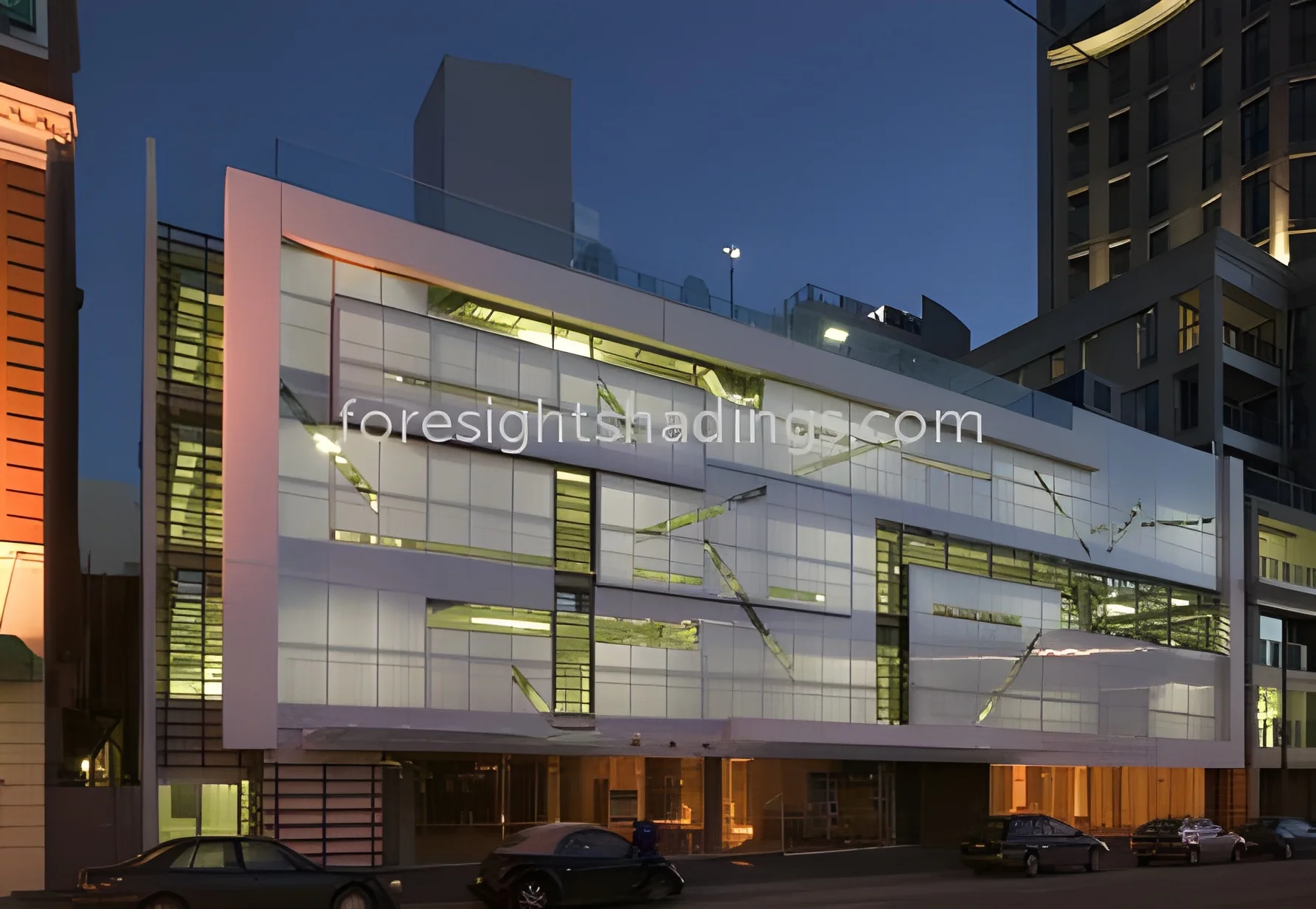
1. Construction: Polycarbonate is often used in roofing sheets, skylights, and safety glazing due to its durability and light weight. Its UV resistance makes it ideal for outdoor applications.
2. Automotive: In the automotive industry, polycarbonate is used in headlamp lenses, instrument panels, and interior components. Its impact resistance helps enhance passenger safety.
3. Electronics: Polycarbonate is commonly found in electronic housings, screens, and protective covers. Its optical clarity is essential for devices requiring visual displays.
4. Medical: In the medical field, polycarbonate is utilized for equipment housings, surgical instruments, and medical device components due to its sterilization capabilities and chemical resistance.
5. Consumer Products: Many household items, such as water bottles and food containers, are made from polycarbonate. Its lightweight and shatter-resistant features make it a popular choice for everyday products.
6. Signage: Polycarbonate is frequently used in signage and displays due to its clarity and durability. It can withstand outdoor conditions while maintaining visual appeal.
7. Safety Equipment: Safety goggles, face shields, and other protective gear often incorporate polycarbonate due to its impact resistance and clarity, ensuring high levels of protection.
Product Variants and Subcategories
Polycarbonate offers a variety of options tailored to different needs, making it a flexible choice for manufacturers. Each variant is designed to address specific applications and performance criteria.
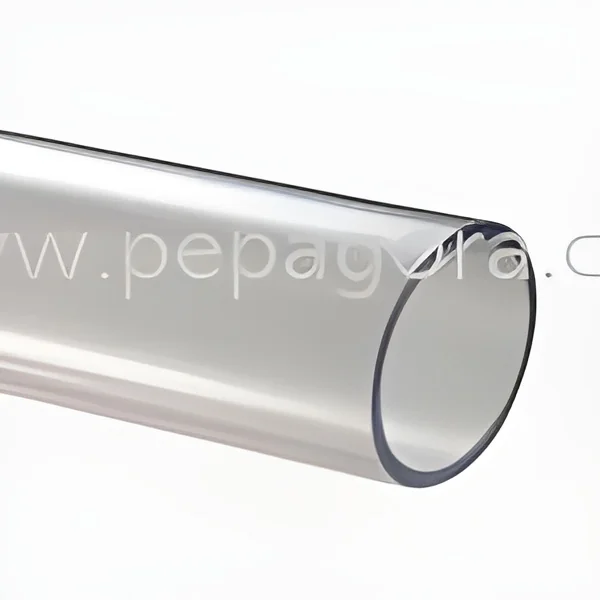
Transparent Polycarbonate
This variant is known for its high optical clarity and impact resistance. It is widely used in safety glasses, signage, and lighting applications, where visibility is essential.
Opaque Polycarbonate
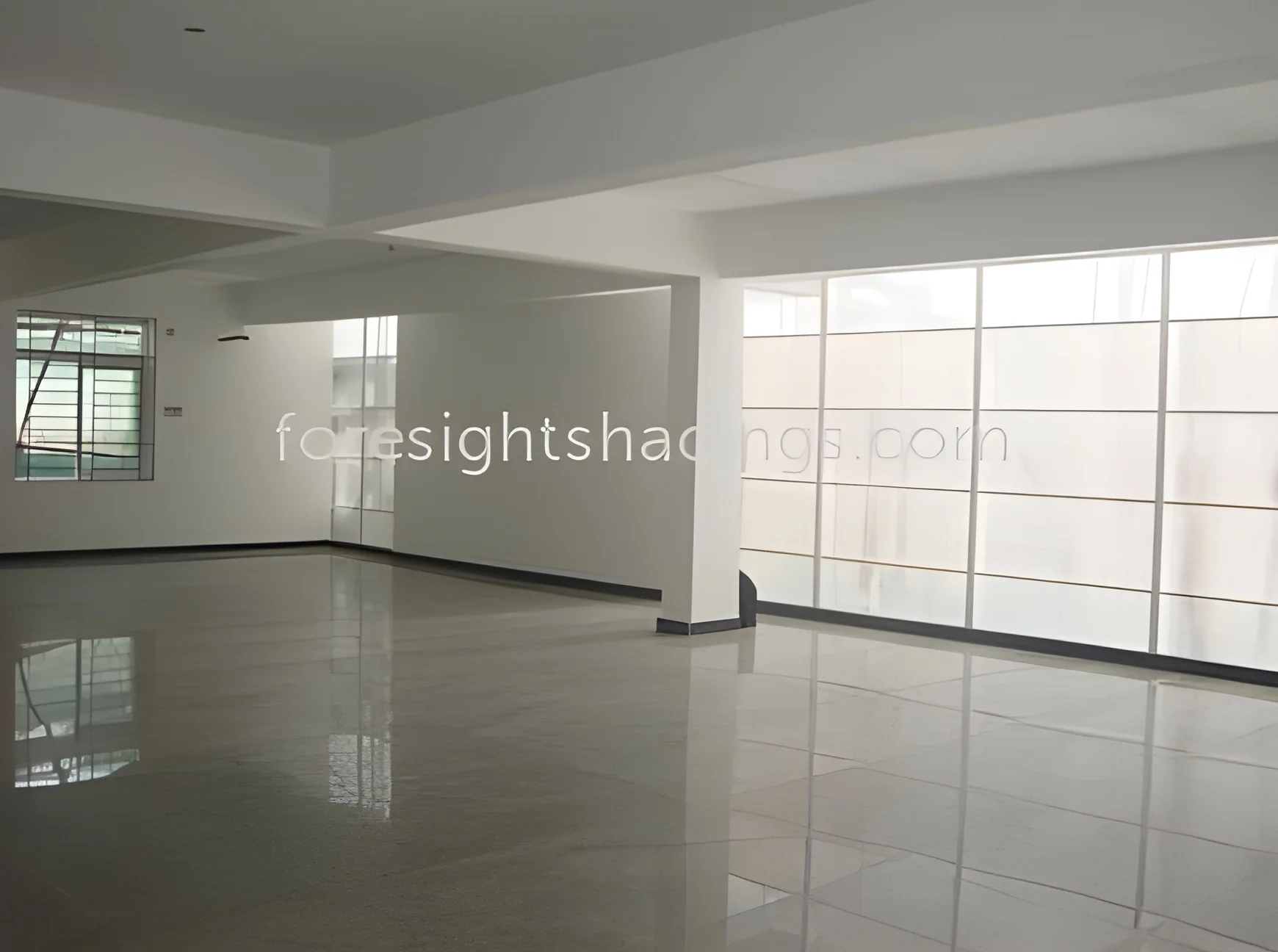
Opaque polycarbonate provides privacy while maintaining durability. It is commonly used in applications such as partitions and privacy screens in various settings.
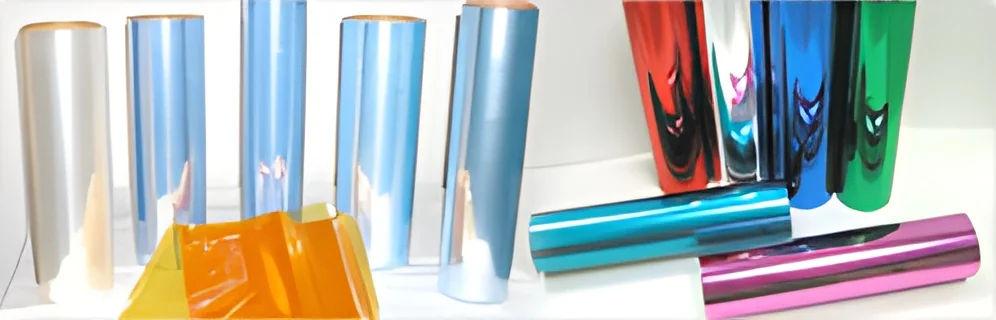
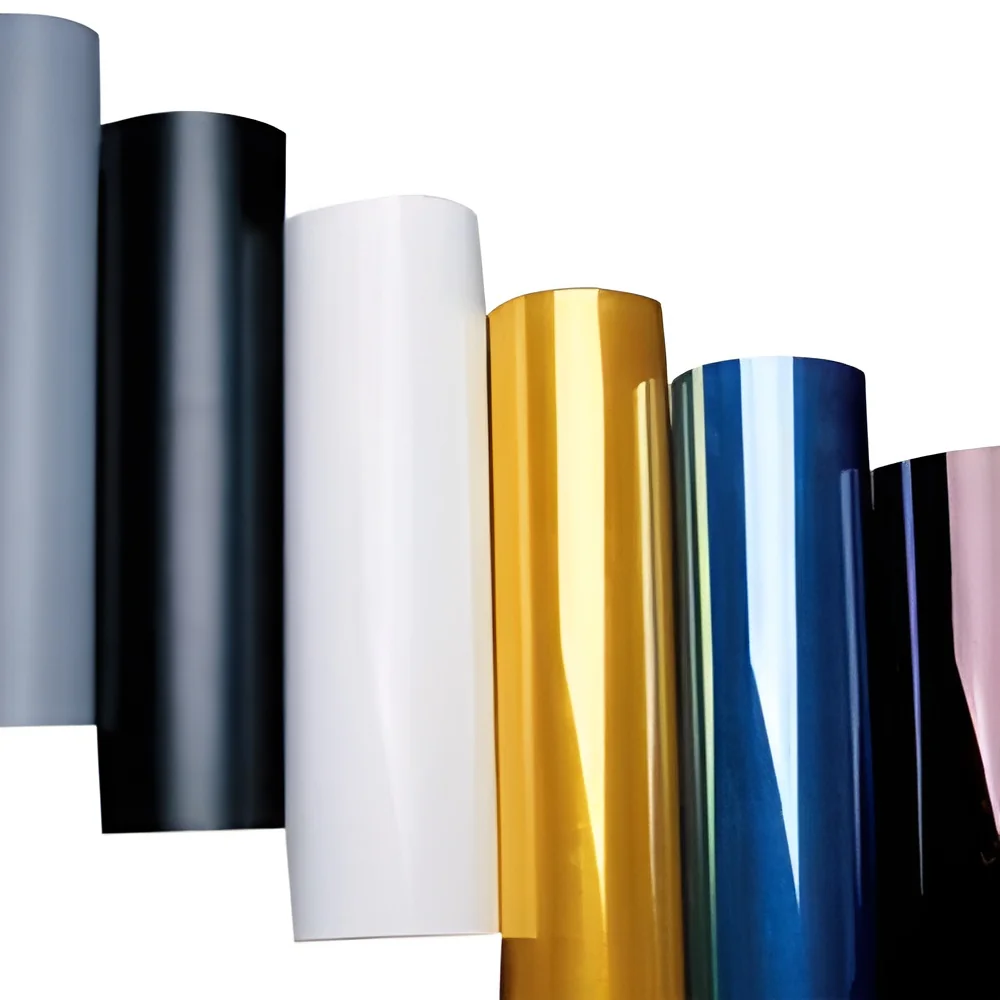
Colored Polycarbonate
Colored variants of polycarbonate are available for applications requiring aesthetic appeal or specific color coding. These are often used in architectural designs and consumer products to enhance visual impact.
Coated Polycarbonate
Coated polycarbonate features additional treatments for enhanced properties, such as anti-scratch or anti-fog features. This variant is prevalent in eyewear and protective equipment.
Benefits and Advantages
Polycarbonate offers numerous benefits that make it an attractive choice for industrial applications.
1. Durability: Polycarbonate's high impact resistance ensures long-lasting performance, reducing the need for frequent replacements.
2. Lightweight: Its light weight simplifies transportation and installation processes, saving time and costs.
3. Versatility: Polycarbonate can be molded into various shapes and forms, accommodating a wide range of applications across different industries.
4. Safety: The material's shatter-resistant properties enhance safety in environments where breakage can occur, such as in construction and automotive applications.
5. Cost-Effectiveness: Although polycarbonate can have a higher initial cost than some alternatives, its durability and low maintenance requirements can lead to overall cost savings.
6. Environmental Resistance: Polycarbonate's resistance to UV light and chemicals ensures longevity and reliability in challenging environments.
Buying Guide for B2B Buyers
When sourcing polycarbonate, it is essential for buyers to consider several key factors to make informed decisions.
1. Quality Assessment: Ensure that the polycarbonate meets industry standards for durability and performance. Look for suppliers that provide certification for their products.
2. Supplier Verification: Research and vet suppliers to confirm their reliability and reputation. Consider factors such as years in business, customer reviews, and service quality.
3. Pricing and MOQ: Compare pricing among different suppliers, and be aware of minimum order quantities that may apply. Understanding these factors can help in budgeting and planning.
4. Delivery and Lead Times: Discuss logistics and expected delivery times with suppliers to ensure that your needs are met in a timely manner. Consider lead times in your project schedules.
5. Compliance Requirements: Be aware of any regulatory or compliance requirements specific to your industry. Ensure that suppliers can provide documentation to meet these needs.
Compliance and Certifications
Polycarbonate products must adhere to various quality standards and certifications to ensure safety and reliability in their applications. Common standards include ISO 9001, which emphasizes quality management systems, and CE marking, indicating conformity with health, safety, and environmental protection standards within the European Economic Area.
Safety requirements may also necessitate testing for impact resistance and UV stability. Additionally, regional compliance considerations can vary based on local regulations, making it crucial for manufacturers to stay informed about compliance standards relevant to their markets.
Why Source Polycarbonate from Pepagora?
Pepagora offers a trusted platform for sourcing polycarbonate, providing several key advantages to B2B buyers.
Verified Supplier Network: Pepagora's rigorous vetting process ensures that all suppliers are verified for quality and reliability. This gives buyers confidence that they are sourcing from reputable manufacturers.
Streamlined RFQ Process: The platform simplifies the request for quotation process, allowing buyers to easily compare prices and receive quotes from multiple suppliers in a short time.
Trade Assurance and Support: Pepagora provides buyer protection through trade assurance, ensuring that transactions are secure and that buyers receive the products as described.
Regional Coverage: With a broad geographic reach across India, the GCC, and Southeast Asia, Pepagora connects buyers with suppliers that can meet their needs efficiently and effectively. This regional focus ensures that buyers can access the materials they need without unnecessary delays.

 India
 India
 India
 India
 India
 India
 India
 India
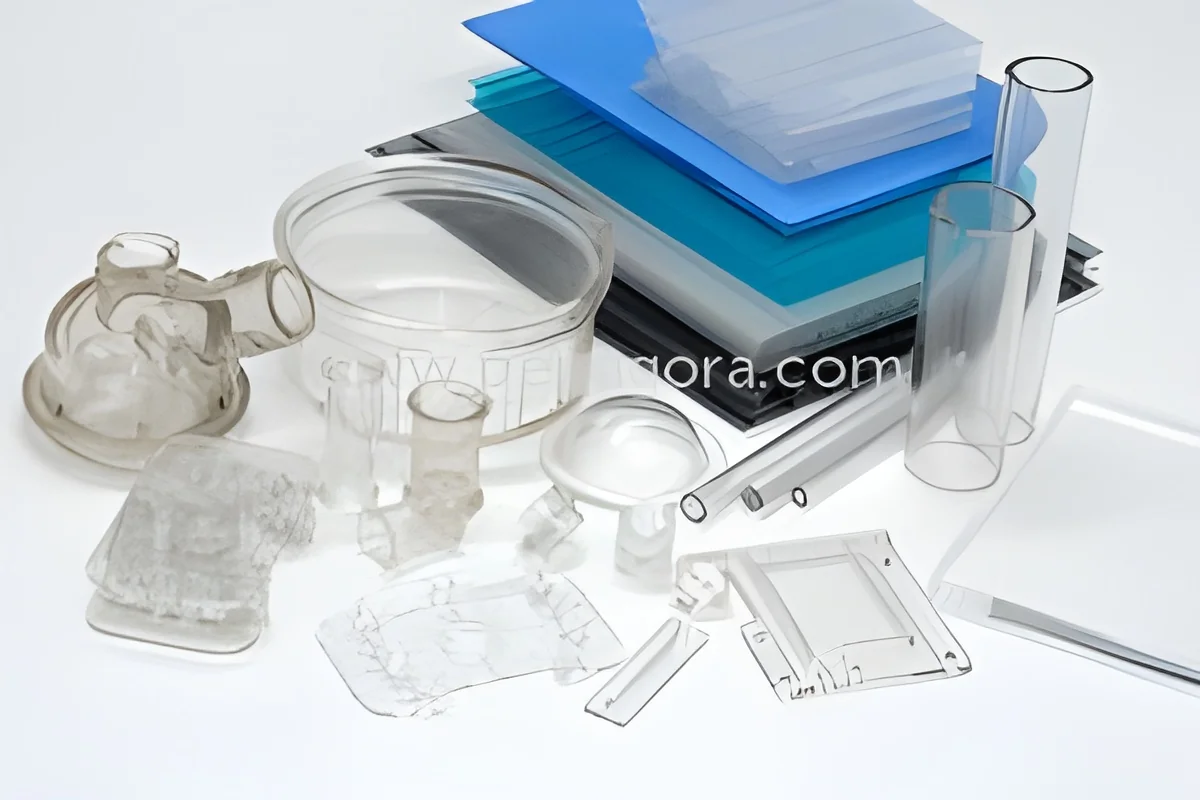
 India
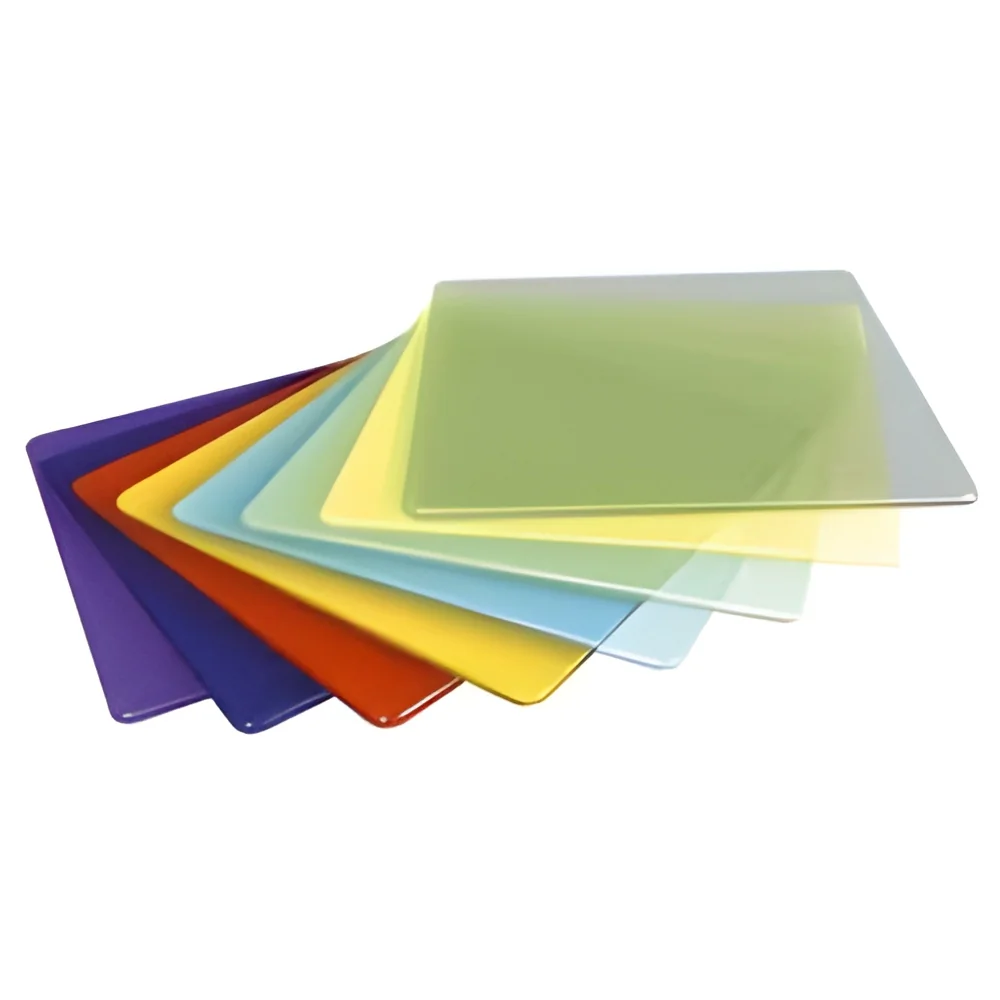
 India
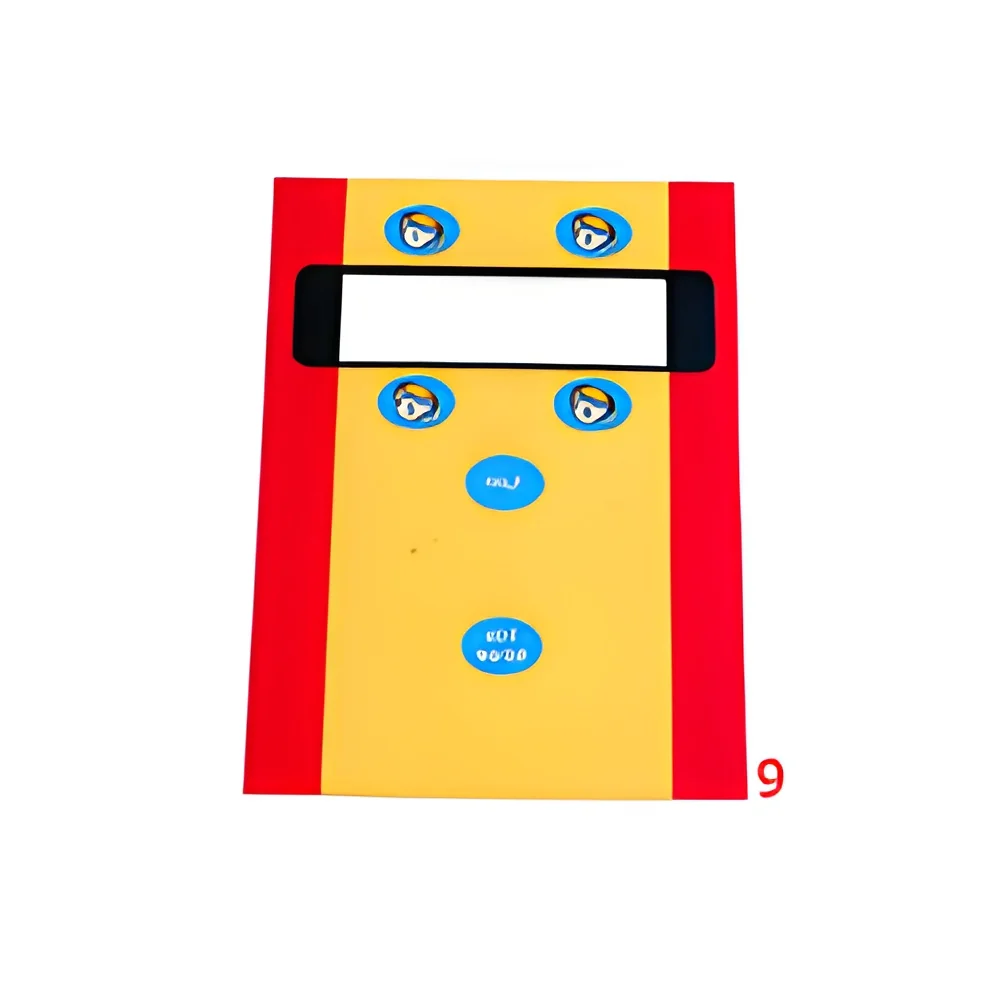
 India
 India

 India
 India
 India
Frequently Asked Questions
What are Polycarbonate?
Polycarbonate is a durable, lightweight thermoplastic material known for its high impact resistance and optical clarity. It is commonly used in various applications, including eyewear lenses, medical devices, and construction materials.
What are the different types of Polycarbonate?
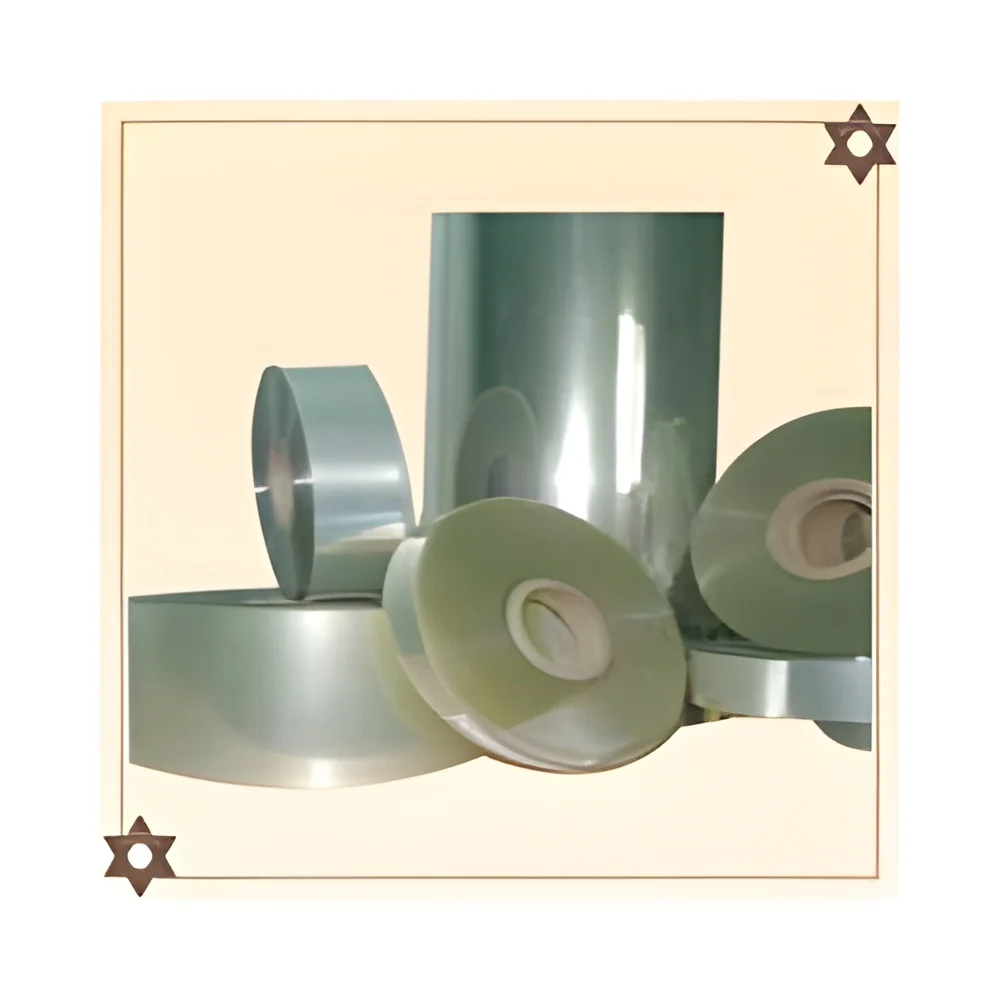
There are several types of polycarbonate, including solid polycarbonate sheets, multiwall polycarbonate sheets, and polycarbonate films. Each type offers unique properties and is suited for different applications, such as glazing, roofing, and protective barriers.
How do I choose the right Polycarbonate?
When selecting polycarbonate, consider factors such as thickness, UV resistance, and impact strength based on your specific application. Additionally, evaluate whether you need clear or tinted sheets and the level of insulation required.
What are the standard specifications for Polycarbonate?
Standard specifications for polycarbonate include thickness, width, length, and impact resistance ratings. It may also be evaluated based on its thermal conductivity, light transmission, and resistance to UV degradation.
What is the price range for Polycarbonate?
The price of polycarbonate can vary widely based on the type, thickness, and quantity ordered. Generally, you can expect prices to range from INR 100 to INR 500 per square meter, depending on these factors.
What quality standards apply to Polycarbonate?
Polycarbonate products are typically manufactured according to industry standards such as ISO 9001 for quality management systems. Additionally, they may comply with specific safety and performance standards relevant to their application.
Where can I find Polycarbonate suppliers in India?
You can find polycarbonate suppliers in India through online B2B marketplaces like Pepagora. Additionally, industry trade shows and local business directories can provide leads on reputable manufacturers and distributors.
Can Polycarbonate be customized?
Yes, polycarbonate can be customized in terms of size, thickness, color, and surface finish to meet specific project requirements. Many manufacturers offer customization options to cater to the needs of various applications.
What is the typical minimum order quantity for Polycarbonate?
The typical minimum order quantity (MOQ) for polycarbonate can range from 100 to 500 square meters, depending on the supplier and the specific product type. It's advisable to check with individual suppliers for their specific MOQ policies.
What is the typical lead time for Polycarbonate?
The typical lead time for polycarbonate orders can vary from 1 to 4 weeks, depending on the supplier's inventory and the complexity of the order. Custom orders may require additional time for processing.
Why Businesses Trust Pepagora
Thousands of companies trust Pepagora to source smarter and sell faster
Expand Your Sales Globally

Source Smarter,Grow Faster
