
 IN
Pipe Welding Tools
7 products available
What are Pipe Welding Tools?
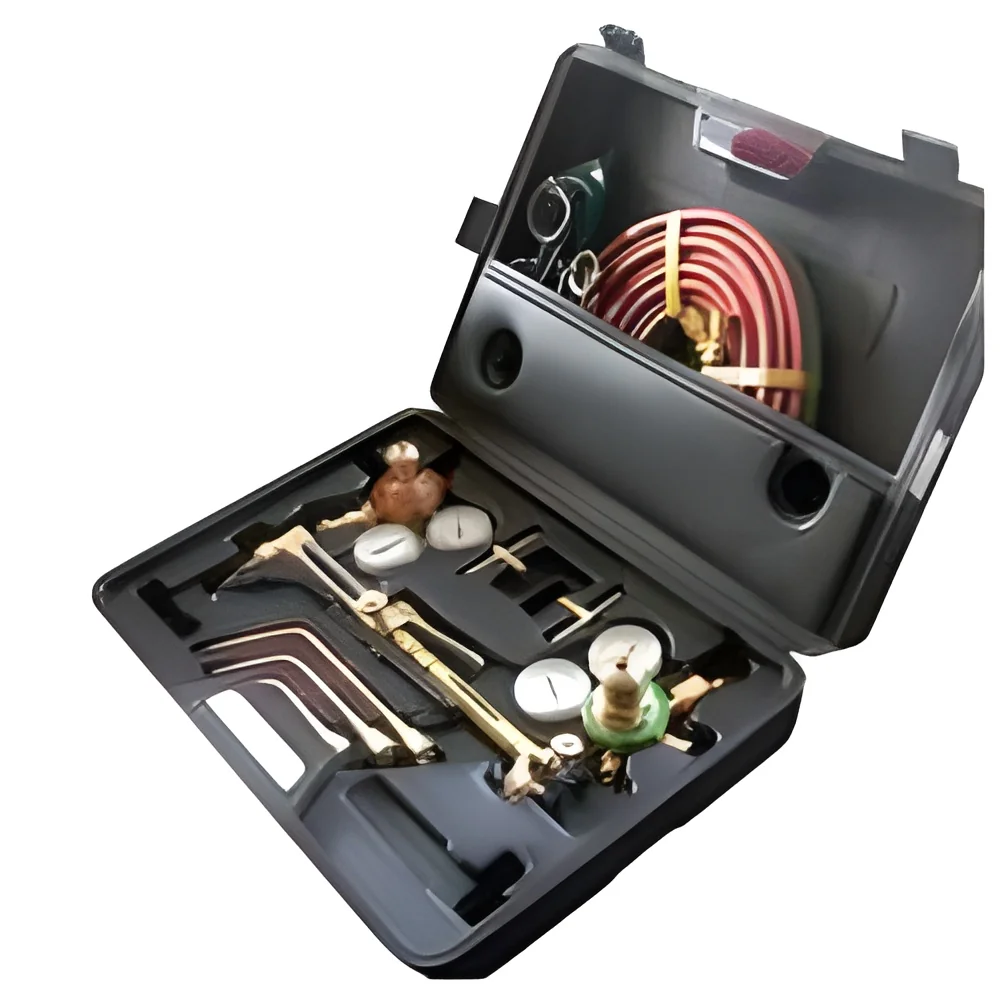
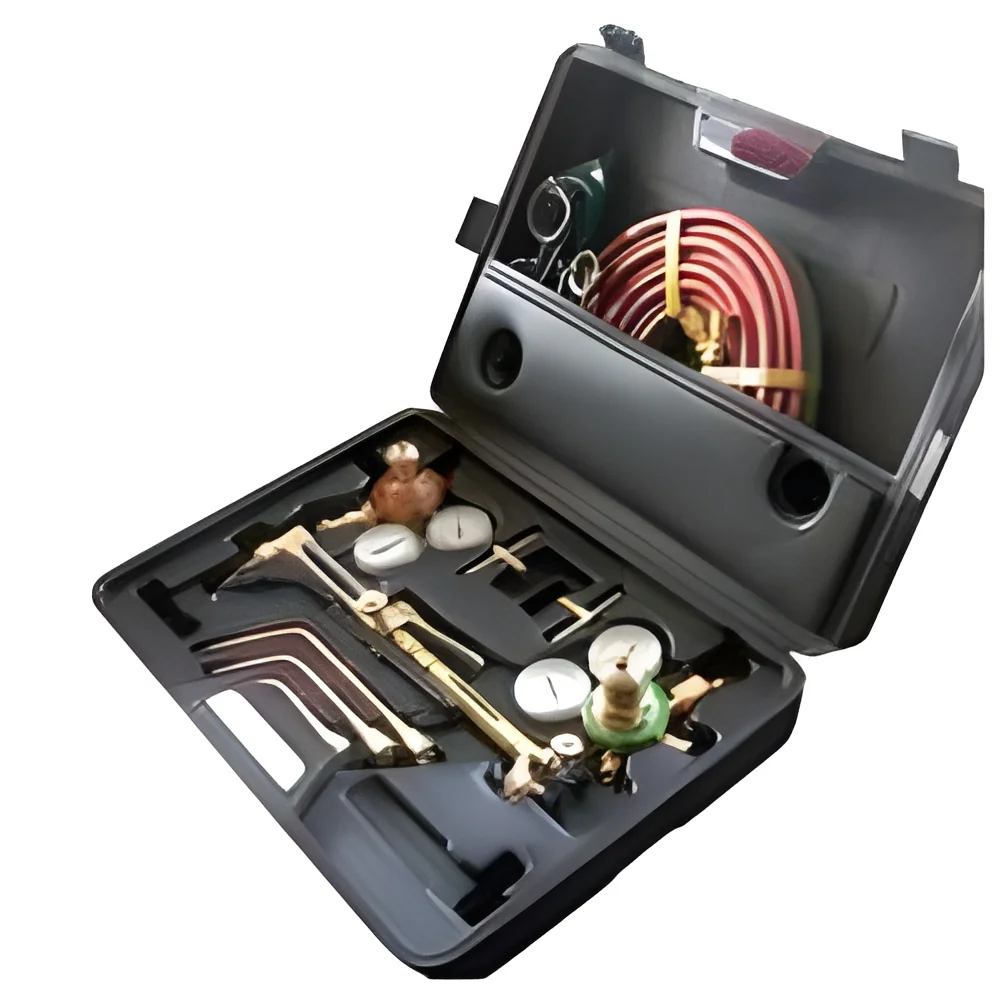
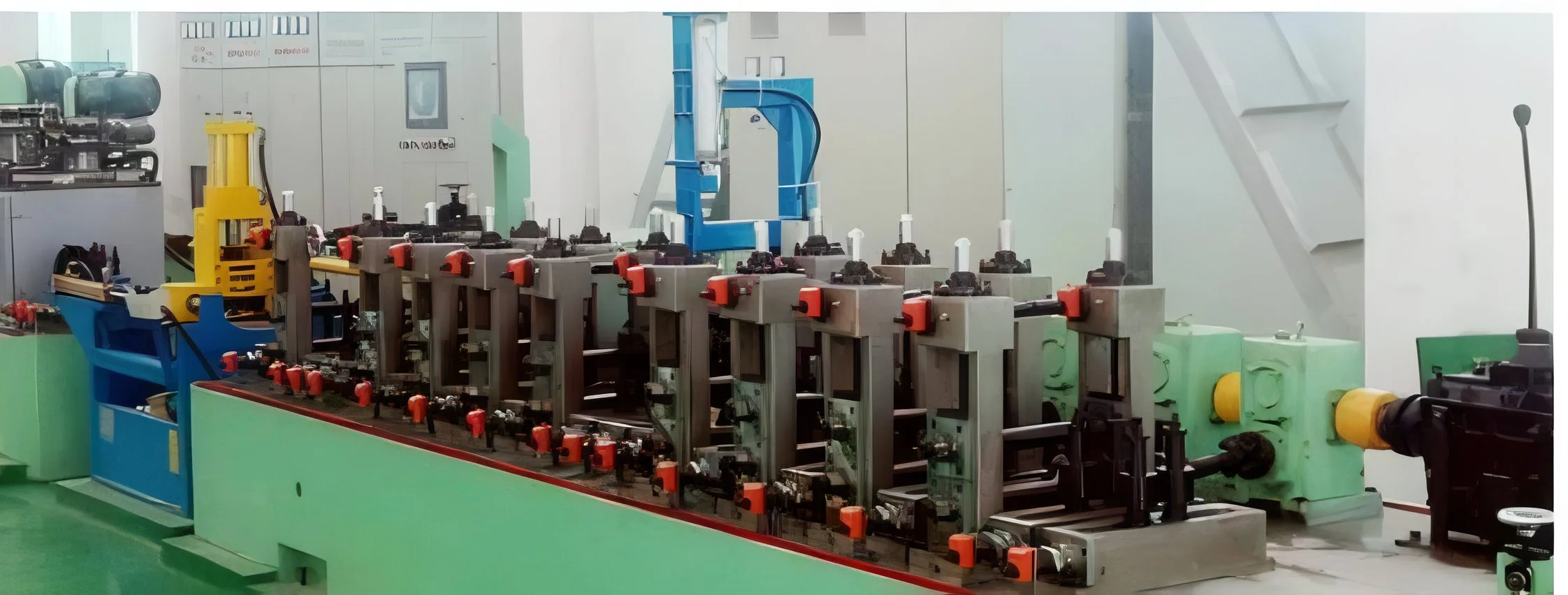
Pipe welding tools are specialized equipment designed for the efficient joining of pipes through various welding methods. These tools facilitate the welding process by providing precise control and support, ensuring strong and durable welds. Common types of pipe welding tools include welding machines, pipe clamps, and alignment tools, which help in preparing the pipes and executing the welds.
The primary uses of pipe welding tools extend across various industries, including construction, manufacturing, and oil and gas. In these sectors, the tools are critical for assembling pipelines, fabricating metal structures, and repairing existing installations. Their effectiveness directly impacts project timelines and overall quality of work. As industries increasingly demand high-quality welds for safety and performance, the relevance of pipe welding tools continues to grow, making them essential in modern manufacturing and construction environments.
Key Features and Specifications
Pipe welding tools come equipped with several features that enhance their functionality and user experience. Understanding these specifications is crucial for B2B buyers looking to invest in the right equipment for their needs.
Key specifications include:
1. Power Source
- Options include electric, gas, and diesel-powered models
- Power ratings typically range from 200 to 800 amps
2. Welding Processes
- Compatible with various welding techniques such as TIG, MIG, and Stick
- Allows versatility depending on project requirements
3. Pipe Diameter Range
- Suitable for pipes ranging from 1 inch to over 12 inches in diameter
- Flexibility to handle different sizes for diverse applications
4. Weight
- Generally lightweight for portability, ranging from 20 to 100 pounds
- Some models feature ergonomic designs for ease of use
5. Duty Cycle
- Duty cycles can vary from 20% to 100%
- Determines how long the tool can operate before needing a cooldown
6. Control Features
- Digital controls for precise settings
- Adjustable parameters for heat and speed
7. Safety Features
- Equipped with thermal overload protection
- Includes safety interlocks and emergency shut-off systems
8. Compliance Standards
- Must meet industry standards such as CE certification
- Ensures safety and quality in manufacturing processes
The features mentioned above ensure that pipe welding tools offer reliability and efficiency in various applications, making them a valuable investment for businesses in need of high-quality welding solutions.
Common Applications and Use Cases
Pipe welding tools are utilized in multiple industries, showcasing their versatility and essential role in operations.
1. Construction: In construction, pipe welding tools are vital for creating robust piping systems in buildings and infrastructure. They enable precise connections for water, gas, and HVAC systems.
2. Oil and Gas: The oil and gas industry relies heavily on these tools for assembling pipelines that transport fuels and chemicals. High-quality welds are crucial for preventing leaks and ensuring safety.
3. Manufacturing: In manufacturing, pipe welding tools are used to fabricate metal structures and components. This includes everything from machinery parts to custom metalwork.
4. Marine: The marine industry employs pipe welding tools for shipbuilding and repair. They ensure the integrity of critical systems such as fuel lines and cooling systems.
5. Aerospace: Aerospace applications require stringent welding standards. Pipe welding tools are used in the fabrication of components that must withstand extreme conditions.
6. Chemical Processing: In chemical processing plants, these tools are essential for creating piping systems that handle corrosive materials. They ensure leak-proof joints for safety.
7. Food and Beverage: The food and beverage industry uses pipe welding tools to maintain sanitary piping systems, ensuring compliance with health standards.
Product Variants and Subcategories
Pipe welding tools encompass a range of variants, each designed to meet different operational needs and preferences.
Portable Welding Machines
These machines are designed for mobility, allowing for welding in various locations. They often feature lightweight designs and easy setup processes, making them ideal for fieldwork.
Automatic Pipe Welding Systems
These systems offer automated welding solutions for increased efficiency. They are particularly useful in high-volume production environments where consistent quality is paramount.
Multi-Process Welders
These versatile machines can handle multiple welding processes, including MIG, TIG, and Stick. This flexibility allows users to adapt to different project requirements without needing multiple tools.
Inverter Welding Machines
Inverter machines are known for their compact size and energy efficiency. They provide high performance while consuming less power, making them suitable for both professional and DIY applications.
Benefits and Advantages
Investing in pipe welding tools offers numerous advantages that can enhance operational efficiency and quality.
1. Enhanced Precision: These tools provide greater control over the welding process, resulting in more accurate and cleaner welds.
2. Increased Efficiency: With the right tools, welding tasks can be completed more quickly, reducing project timelines and labor costs.
3. Improved Safety: Quality pipe welding tools often include safety features that protect operators and reduce the risk of accidents on the job site.
4. Durability: Well-built welding tools are designed to withstand harsh working conditions, ensuring longevity and reliability.
5. Versatility: Many pipe welding tools can accommodate multiple welding processes, allowing businesses to tackle various projects with a single tool.
6. Compliance Assurance: Utilizing certified tools ensures adherence to industry standards, promoting safety and quality in operations.
Buying Guide for B2B Buyers
When sourcing pipe welding tools, it is essential to consider several factors to ensure the right investment.
1. Quality Assessment: Evaluate the quality of materials and manufacturing processes used in the tools. Look for certifications like CE to ensure they meet industry standards.
2. Supplier Verification: Research potential suppliers for reliability and reputation. Check reviews and request references to gauge their service quality.
3. Pricing and MOQ: Understand the pricing structures and minimum order quantities. This helps in budgeting and ensures you get the best value for your investment.
4. Delivery and Lead Times: Confirm the delivery timelines and logistics involved. Ensure suppliers can meet your project deadlines to avoid delays.
5. Compliance Requirements: Be aware of any regulatory compliance needed for your industry. Ensure that the tools you purchase meet these requirements.
Compliance and Certifications
Compliance and certification are crucial aspects of pipe welding tools that ensure safety and performance. Relevant quality standards include ISO 9001, which establishes guidelines for quality management systems. This certification ensures that manufacturers consistently provide products that meet customer and regulatory requirements.
Industry certifications such as CE demonstrate compliance with European safety standards. These certifications are vital for ensuring that the tools meet stringent safety and quality expectations.
Additionally, safety and testing requirements must be adhered to in the manufacturing process. Regular testing ensures that tools function reliably under various conditions, maintaining safety standards for operators.
Regional compliance considerations can also affect the sourcing of pipe welding tools. Depending on the market, specific regional regulations may apply, which suppliers must adhere to.
Why Source Pipe Welding Tools from Pepagora?
Pepagora offers a trusted platform for sourcing pipe welding tools, providing several key advantages for businesses.
Verified Supplier Network: Pepagora connects buyers with a network of verified suppliers, ensuring that you source quality products from reputable manufacturers. This reduces the risk of subpar tools and helps maintain project standards.
Streamlined RFQ Process: The platform features a streamlined request-for-quotation (RFQ) process that simplifies sourcing. Buyers can easily compare quotes and select suppliers that meet their requirements.
Trade Assurance and Support: Pepagora provides trade assurance and buyer protection, giving businesses peace of mind during the purchasing process. This support ensures that transactions are secure and efficient.
Regional Coverage: With a broad geographic reach across India, the GCC, and Southeast Asia, Pepagora provides access to a diverse range of suppliers. This regional coverage enables businesses to find the right tools tailored to their local markets and needs.

 India
 India
 India
 India
 India
 India
Frequently Asked Questions
What are Pipe Welding Tools?
Pipe Welding Tools are specialized equipment and instruments used in the welding process of pipes and tubes. These tools ensure strong, leak-proof joints between pipes, making them essential for various industries including construction, manufacturing, and plumbing.
What are the different types of Pipe Welding Tools?
Different types of Pipe Welding Tools include welding machines, pipe cutters, beveling machines, and alignment tools. Each type serves a specific purpose in the welding process, such as cutting, shaping, or aligning pipes for effective welding.
How do I choose the right Pipe Welding Tools?
Choosing the right Pipe Welding Tools involves considering factors such as the type of material being welded, the size and thickness of the pipes, and the specific welding techniques required. It's advisable to consult with experts or suppliers to ensure the tools meet your project's needs.
What are the standard specifications for Pipe Welding Tools?
Standard specifications for Pipe Welding Tools often include dimensions, weight, power rating, and material compatibility. Additionally, tools may conform to specific industry standards and certifications to ensure safety and efficiency.
What is the price range for Pipe Welding Tools?
The price range for Pipe Welding Tools can vary widely depending on the type and quality of the tools. Generally, prices can start from a few thousand rupees for basic tools and can go up to several lakhs for advanced machinery.
What quality standards apply to Pipe Welding Tools?
Quality standards for Pipe Welding Tools often include compliance with ISO and ASTM regulations. These standards ensure that the tools operate safely and efficiently, providing reliable performance in various welding applications.
Where can I find Pipe Welding Tools suppliers in India?
You can find Pipe Welding Tools suppliers in India through B2B marketplaces like Pepagora.com, industry trade shows, and local distributors. Online platforms often provide a wide range of options and allow you to compare different suppliers.
Can Pipe Welding Tools be customized?
Yes, many manufacturers offer customization options for Pipe Welding Tools to meet specific project requirements. Customization may include alterations in size, design, or functionality based on the user's needs.
What is the typical minimum order quantity for Pipe Welding Tools?
The typical minimum order quantity (MOQ) for Pipe Welding Tools can vary by supplier but usually ranges from 1 to 10 units. It's advisable to check with individual suppliers for their specific MOQs.
What is the typical lead time for Pipe Welding Tools?
The typical lead time for Pipe Welding Tools depends on the supplier and the type of tools ordered, usually ranging from a few days to several weeks. Custom orders may require additional time for production and delivery.
Why Businesses Trust Pepagora
Thousands of companies trust Pepagora to source smarter and sell faster
Expand Your Sales Globally

Source Smarter,Grow Faster
