IN
IN₹
Apparel & Fashion
Description
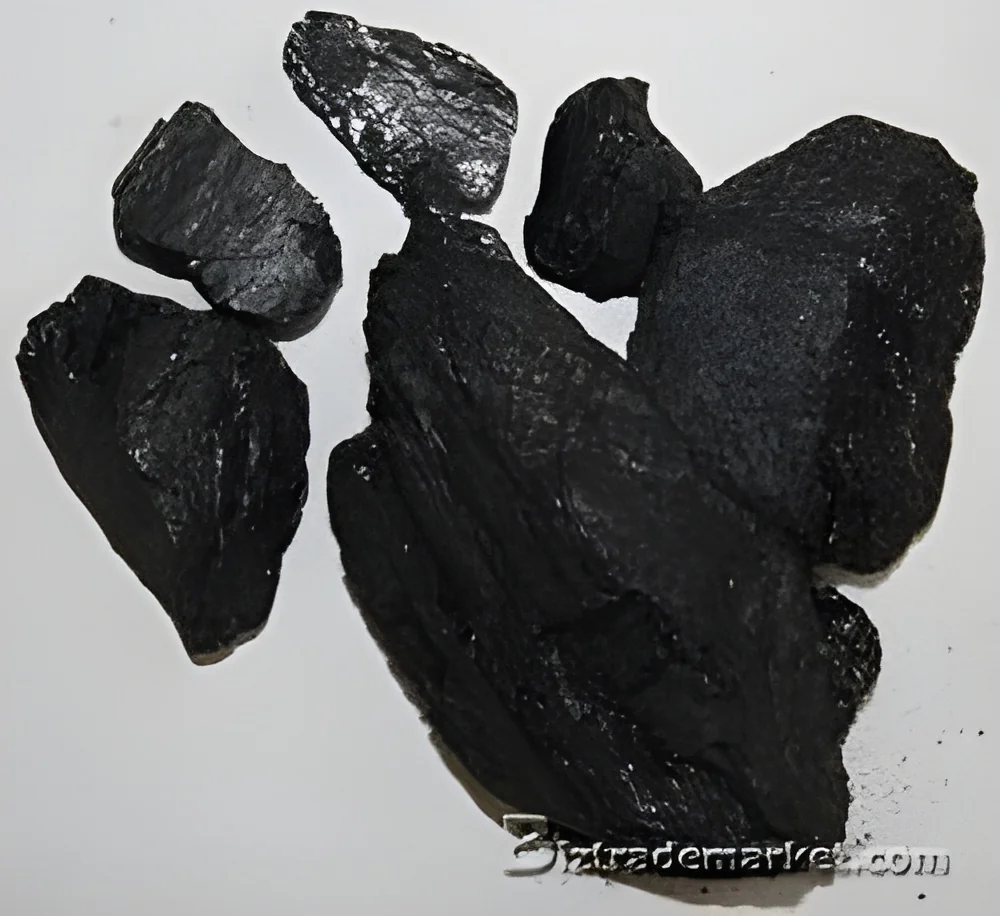
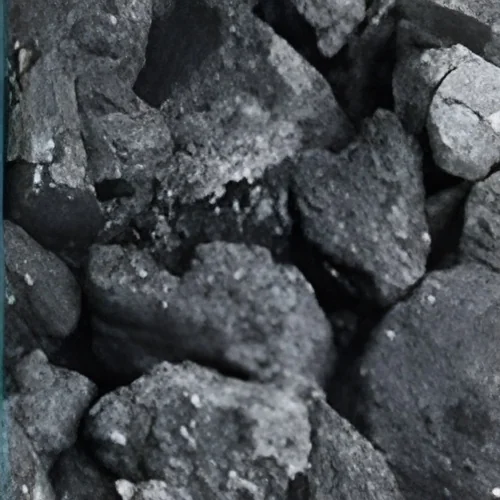
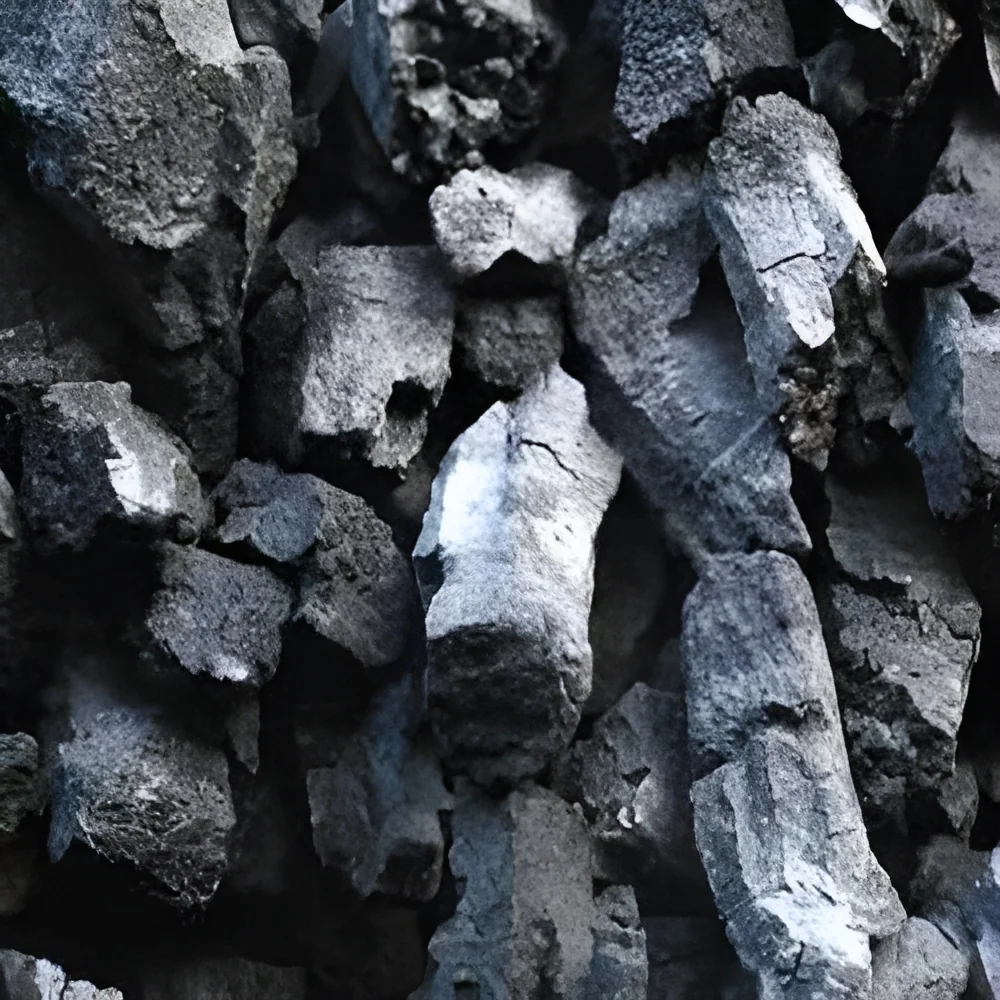
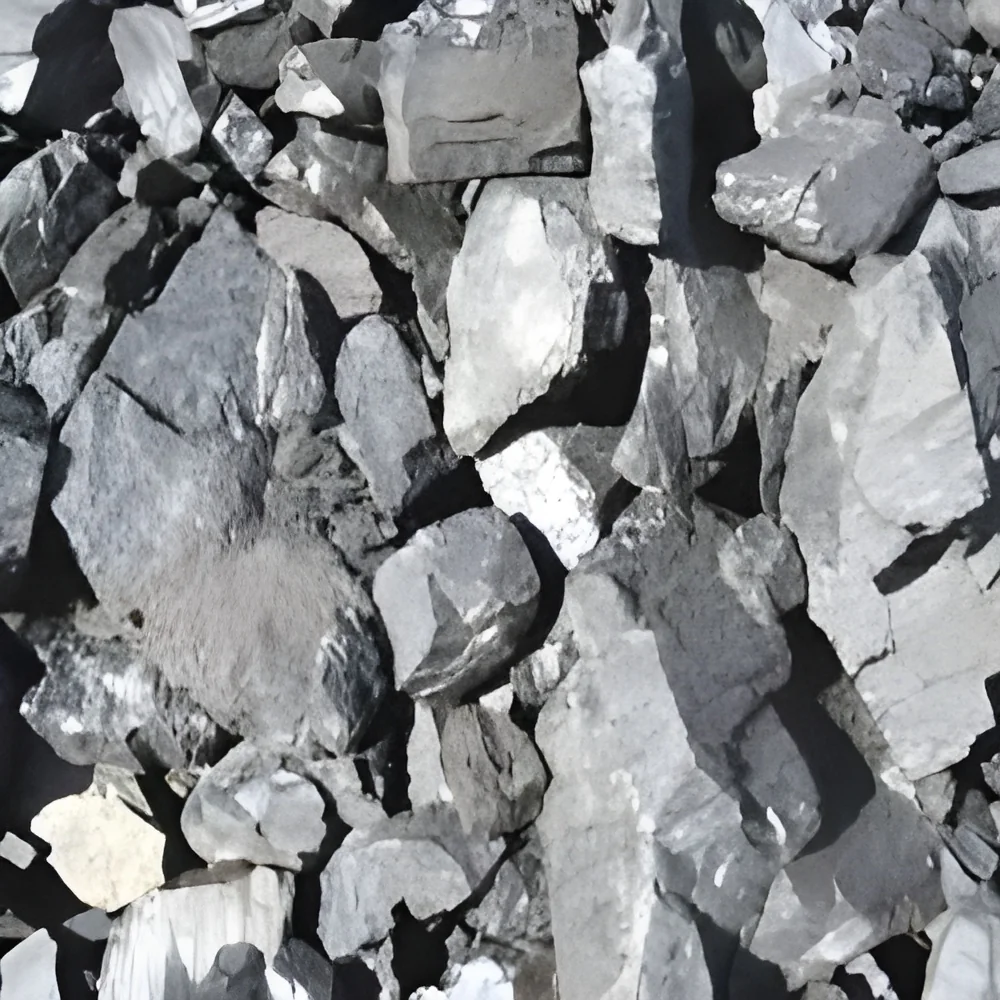
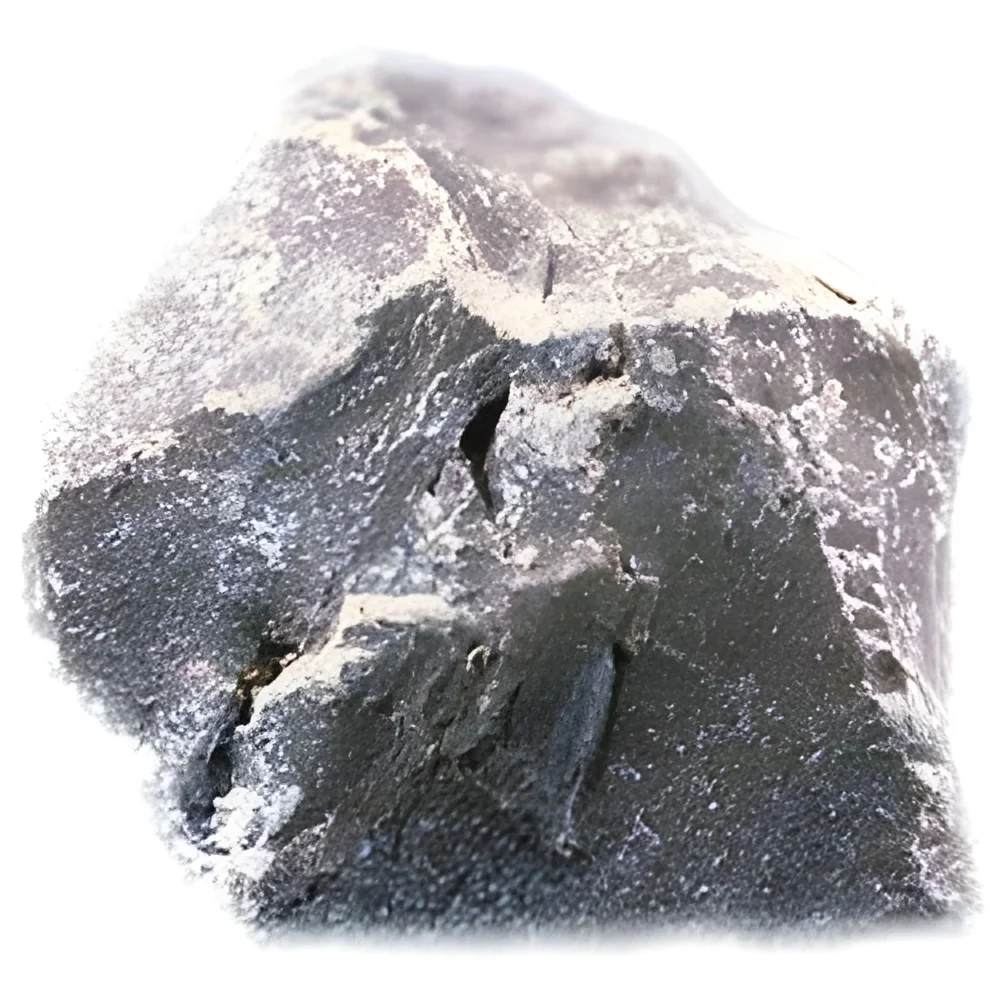
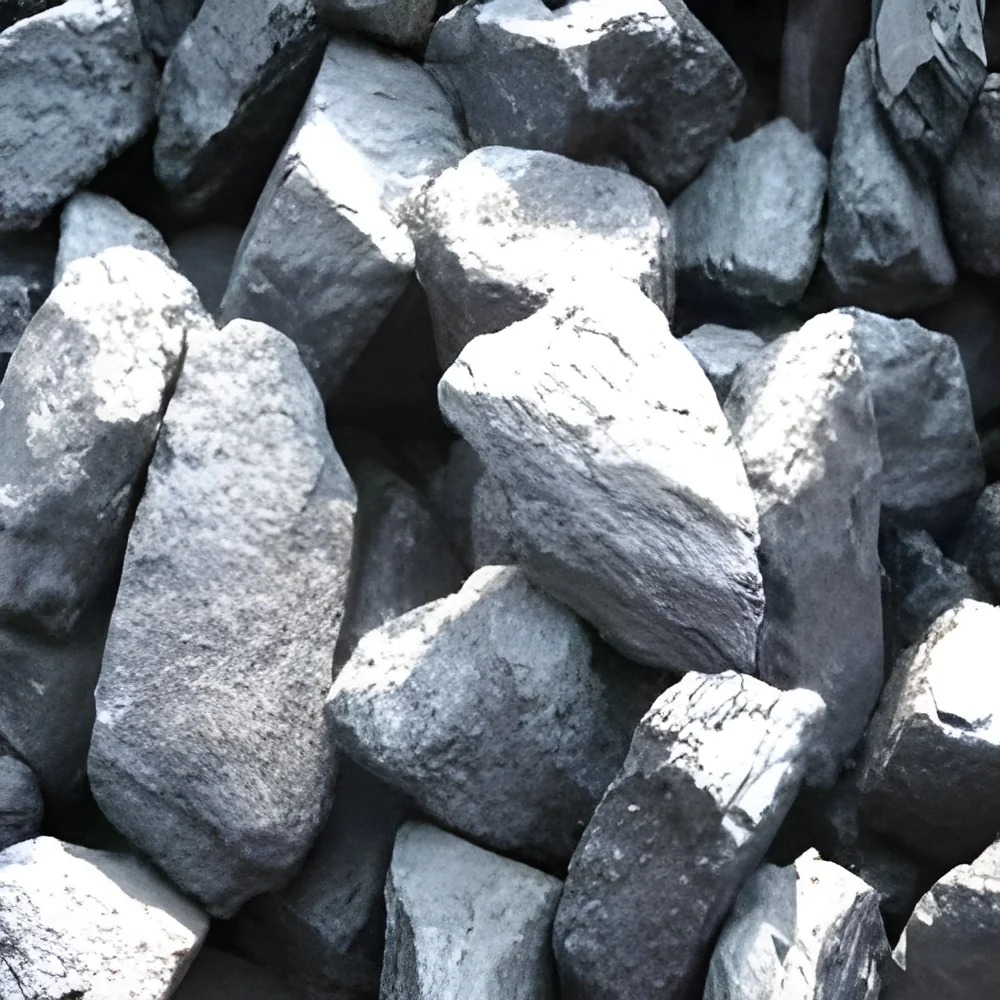
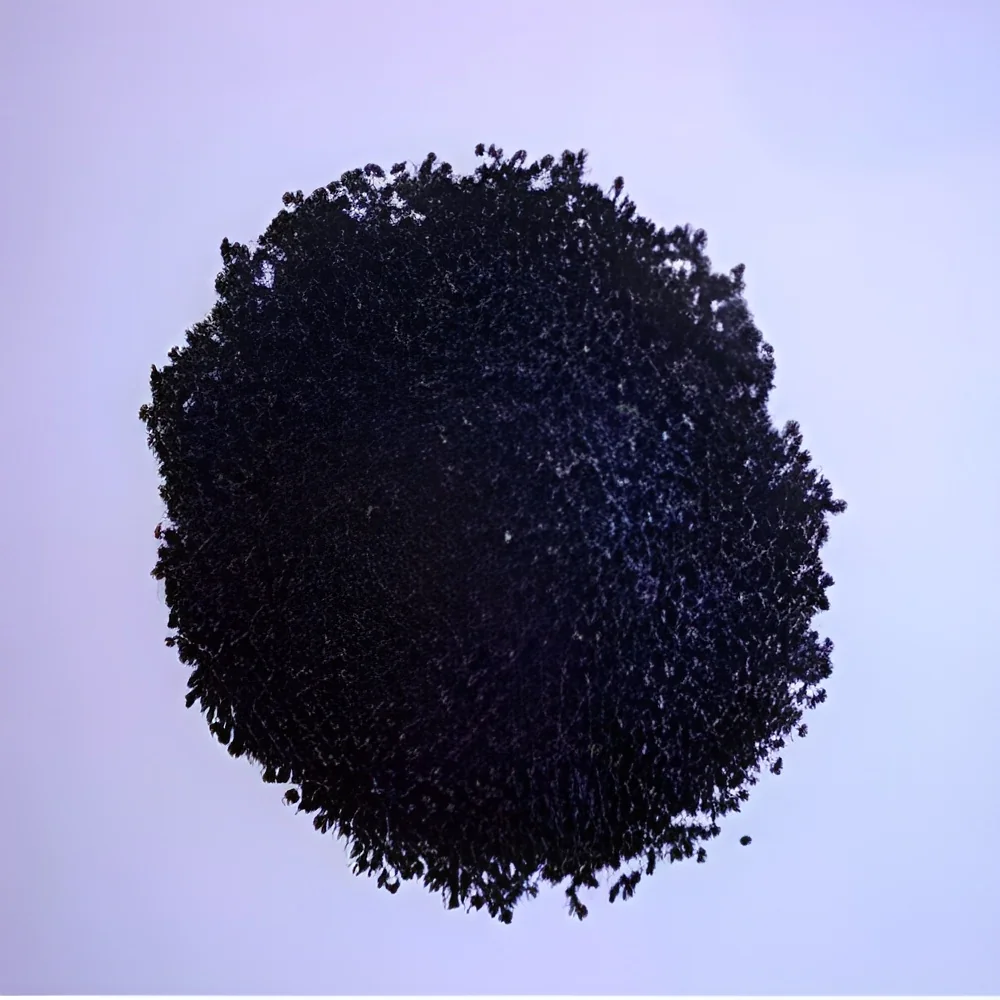
Our premium calcined petroleum coke represents processed carbon materials manufactured through precise high-temperature treatment in rotational kilns. This advanced calcination process transforms raw green petroleum coke into a purified, high-carbon product with exceptional thermal properties and chemical stability. The result is a consistent, reliable material that meets stringent industrial requirements where purity and performance are non-negotiable. We maintain rigorous quality control throughout production to ensure every batch delivers uniform characteristics and optimal performance for clients across global markets.

The industrial applications of calcined petroleum coke span critical sectors that form the backbone of modern manufacturing infrastructure. In the aluminum industry, it serves as the primary raw material for anode production in smelting operations. Steel manufacturers utilize it as both a fuel source and carbon raiser in electric arc furnaces. The titanium industry ...
Our premium calcined petroleum coke represents processed carbon materials manufactured through precise high-temperature treatment in rotational kilns. This advanced calcination process transforms raw green petroleum coke into a purified, high-carbon product with exceptional thermal properties and chemical stability. The result is a consistent, reliable material that meets stringent industrial requirements where purity and performance are non-negotiable. We maintain rigorous quality control throughout production to ensure every batch delivers uniform characteristics and optimal performance for clients across global markets.

The industrial applications of calcined petroleum coke span critical sectors that form the backbone of modern manufacturing infrastructure. In the aluminum industry, it serves as the primary raw material for anode production in smelting operations. Steel manufacturers utilize it as both a fuel source and carbon raiser in electric arc furnaces. The titanium industry depends on its consistent quality for smelting processes, while battery manufacturers incorporate it into dry cell production for its excellent conductivity. These diverse applications demonstrate the material's fundamental role in enabling efficient, large-scale industrial production across multiple sectors.

Businesses choose our calcined petroleum coke for its proven reliability and consistent value proposition. The material delivers predictable performance batch after batch, reducing production variables and minimizing quality issues in downstream manufacturing processes. Our quality assurance protocols and reliable supply chain ensure manufacturers can maintain uninterrupted production while optimizing operational costs and final product quality. This reliability makes it a trusted component in critical industrial processes where consistency directly impacts production outcomes and profitability.

Key Features:
- Produced through high-temperature calcination at 1400-1500°C in rotational kilns
- High fixed carbon content with controlled impurity levels
- Consistent particle size distribution and chemical composition
- Rigorous production controls ensure uniform quality across batches
- Optimal electrical conductivity and thermal properties for industrial use

Benefits:
- Delivers predictable performance and reduces production variables
- High carbon content enhances efficiency in smelting and manufacturing
- Low impurity levels minimize contamination in final products
- Consistent quality ensures reliable outcomes in industrial processes
- Thermal properties optimize energy efficiency in high-temperature applications
Specifications
| Additional Information | |
|---|---|
| Country of Origin | India |
Application
Calcined petroleum coke is a critical carbon additive and fuel source for heavy industries. Its high calorific value and low impurity profile ensure consistent performance in energy-intensive processes. Manufacturers rely on its stability and cost-effectiveness in large-scale production where quality is paramount. This material provides predictable outcomes and reduces operational variables in demanding manufacturing environments.
In metallurgical applications, carbon content directly determines final product quality. From aluminum anode production to titanium smelting, calcined petroleum coke delivers the necessary carbon backbone while minimizing unwanted elements. Its versatility extends to specialized sectors where purity and conductivity are critical. The material's consistent properties make it indispensable for processes requiring reliable carbon sources and thermal efficiency. Real-world applications:
- Primary carbon source for aluminum smelting anodes in metallurgical operations
- Essential fuel and carbon raiser in electric arc furnace steel production
- Key component in titanium dioxide manufacturing and titanium metal smelting
- Critical material for dry cell battery production, providing conductive properties
- Used as recarburizer in foundries for cast iron and specialty steel manufacturing
Trade Details
| Available Stock | In Stock |
| Sample Availability | No |
Payment Terms
| Payment Terms |
|
Company Profile
Ajanta Coal Traders, Chhattisgarh
 Chhattisgarh, India
Chhattisgarh, IndiaManufacturer•Distributor / Wholesaler•Importer / Exporter
Factory Details
Factory SizeBelow 1000 sqm
Annual Production Capacity0
Premium Calcined Petroleum Coke For Steel And Aluminum Industries
Premium calcined petroleum coke for steel and aluminum industries. High carbon content, low impurities, reliable fuel source for smelting and manufacturing. Consistent quality for industrial production.
Min. Order Quantity: 1 unit
Shipping
Shipping fee and delivery date to be negotiated. Contact supplier now for more details.
Ajanta Coal Traders
 Chhattisgarh, India
Chhattisgarh, IndiaManufacturer