
 IN
Pain Relief & Analgesics
10 products available
What are Pain Relief & Analgesics?
Pain relief and analgesics are pharmaceutical products designed to alleviate pain and discomfort. These substances work by interacting with the body's nervous system to reduce the perception of pain. Analgesics can be classified into two primary categories: non-opioid analgesics and opioid analgesics. Non-opioid analgesics, such as acetaminophen and non-steroidal anti-inflammatory drugs (NSAIDs), are typically used for mild to moderate pain, while opioids are prescribed for more severe pain management.
The primary uses of pain relief and analgesics span across various healthcare settings, from hospitals to outpatient clinics. They are essential in managing post-operative pain, chronic pain conditions, and acute injuries. Businesses in the healthcare sector, including pharmacies and hospitals, benefit from a reliable supply of these products to ensure optimal patient care. The market for pain relief and analgesics is significant, driven by the increasing prevalence of pain-related conditions and a growing aging population requiring effective pain management solutions.
Key Features and Specifications
Pain relief and analgesics come equipped with several features designed to ensure efficacy and safety. These specifications are crucial for healthcare providers and businesses when selecting the appropriate product for their needs.
Key specifications include:
1. Active Ingredient Composition
- Details the specific ingredients present in the analgesic.
- May include percentages of ingredients for dosage accuracy.
2. Dosage Forms
- Available in various forms such as tablets, capsules, liquids, and topical applications.
- Indicates the flexibility in administration routes.
3. Potency Levels
- Refers to the strength of the analgesic.
- Commonly expressed in milligrams or milliliters per dose.
4. Shelf Life
- Indicates the duration the product remains effective.
- Typically ranges from one to three years depending on storage conditions.
5. Packaging Options
- Available in bulk packaging for hospitals or retail packaging for pharmacies.
- Ensures convenience and compliance with handling requirements.
6. Compliance with Regulatory Standards
- Must meet local and international health regulations.
- Includes certifications such as CE marking.
In summary, understanding the key features and specifications of pain relief and analgesics helps businesses make informed purchasing decisions while ensuring they meet the specific needs of their clientele.
Common Applications and Use Cases
Pain relief and analgesics serve a wide range of industries and applications beyond typical medical settings. These products are essential in:
1. Healthcare: Used in hospitals and clinics for managing post-surgical pain and chronic conditions.
2. Sports Medicine: Athletes utilize analgesics for injury management and recovery from physical exertion.
3. Veterinary Medicine: Pain relief is critical for managing discomfort in animals following surgery or injury.
4. Palliative Care: Provides relief for patients with terminal illnesses, improving quality of life.
5. Occupational Health: Used in workplace settings to manage pain from injuries or chronic conditions among employees.
6. Pharmacy Retail: Commonly available to consumers for self-medication of common ailments such as headaches and muscle pain.
7. Home Healthcare: Pain relief products are essential for patients receiving care at home, enabling better management of their conditions.
Product Variants and Subcategories
Pain relief and analgesics come in diverse forms to cater to various needs and preferences. This diversity ensures that businesses can find the right product for their specific applications.
Oral Analgesics
These include tablets and capsules that are easy to administer and widely used for various pain conditions. They offer convenience and are suitable for both short-term and chronic pain management.
Topical Analgesics
Applied directly to the skin, these products provide localized pain relief. They are especially useful for muscle and joint pain, allowing for targeted treatment without systemic side effects.
Injectable Analgesics
Typically reserved for hospital settings, these allow for rapid pain control in acute situations. They are often used in surgical settings or for severe pain management.
Benefits and Advantages
Choosing the right pain relief and analgesics offers several benefits to healthcare providers and patients alike.
Key benefits include:
1. Effective Pain Management: Provides significant relief from various types of pain, improving patient comfort and satisfaction.
2. Diverse Options: A wide range of formulations ensures that providers can select the most suitable product for their patients’ needs.
3. Enhanced Recovery: Effective analgesia can facilitate quicker recovery times for patients post-surgery or after injury.
4. Improved Quality of Life: Patients experience better daily functioning and well-being with appropriate pain management.
5. Safety Profiles: Many analgesics have established safety profiles, making them suitable for a broad range of patients when used correctly.
6. Cost-Effectiveness: Numerous options available at competitive prices help healthcare providers manage budgets while ensuring patient care.
Buying Guide for B2B Buyers
When sourcing pain relief and analgesics, it is crucial for businesses to consider several factors to ensure they select the right products and suppliers.
1. Quality Assessment: Evaluate the quality of products by checking for certifications and testing records. This ensures that the analgesics meet required safety and efficacy standards.
2. Supplier Verification: Conduct thorough background checks on suppliers to verify their credibility and reliability. Look for suppliers with a strong track record in the industry.
3. Pricing and MOQ: Understand the pricing structure and minimum order quantities to find cost-effective solutions that fit your budget and inventory needs.
4. Delivery and Lead Times: Assess the supplier’s logistics capabilities to ensure timely delivery of products, which is critical for maintaining stock levels.
5. Compliance Requirements: Ensure that the products conform to local and international regulations, which is essential for legal and operational compliance in healthcare settings.
Compliance and Certifications
Pain relief and analgesics are subject to various compliance and certification requirements that ensure their safety and efficacy.
Relevant quality standards, such as ISO 9001, provide guidelines for quality management systems in manufacturing processes. Compliance with these standards is essential for maintaining high product quality and meeting customer expectations.
Industry certifications like CE marking indicate that the products meet European health, safety, and environmental protection standards. This certification is crucial for ensuring that products can be marketed within the European Union.
Safety and testing requirements include rigorous assessments for efficacy and potential side effects. Manufacturers must provide comprehensive data to regulatory bodies to obtain approval for their products.
Finally, regional compliance considerations vary by country. Businesses must be aware of local regulations and standards to ensure that their products are compliant with national laws.
Why Source Pain Relief & Analgesics from Pepagora?
Pepagora offers a trusted platform for sourcing pain relief and analgesics, featuring several key advantages for businesses.
Verified Supplier Network: Pepagora maintains a robust network of verified suppliers, ensuring that B2B buyers can access high-quality products from reputable manufacturers. This network helps minimize risks associated with sourcing.
Streamlined RFQ Process: The platform offers a streamlined request for quotation (RFQ) process that simplifies the procurement journey. Businesses can quickly obtain quotes and compare options to make informed purchasing decisions.
Trade Assurance and Support: Pepagora provides trade assurance, giving buyers confidence in their transactions. Dedicated support teams are available to assist with any inquiries, ensuring a smooth purchasing experience.
Regional Coverage: With a strong presence in India, the Gulf Cooperation Council (GCC), and Southeast Asia, Pepagora enables businesses to source pain relief and analgesics from a wide geographical area, catering to diverse market needs.




 India
 India

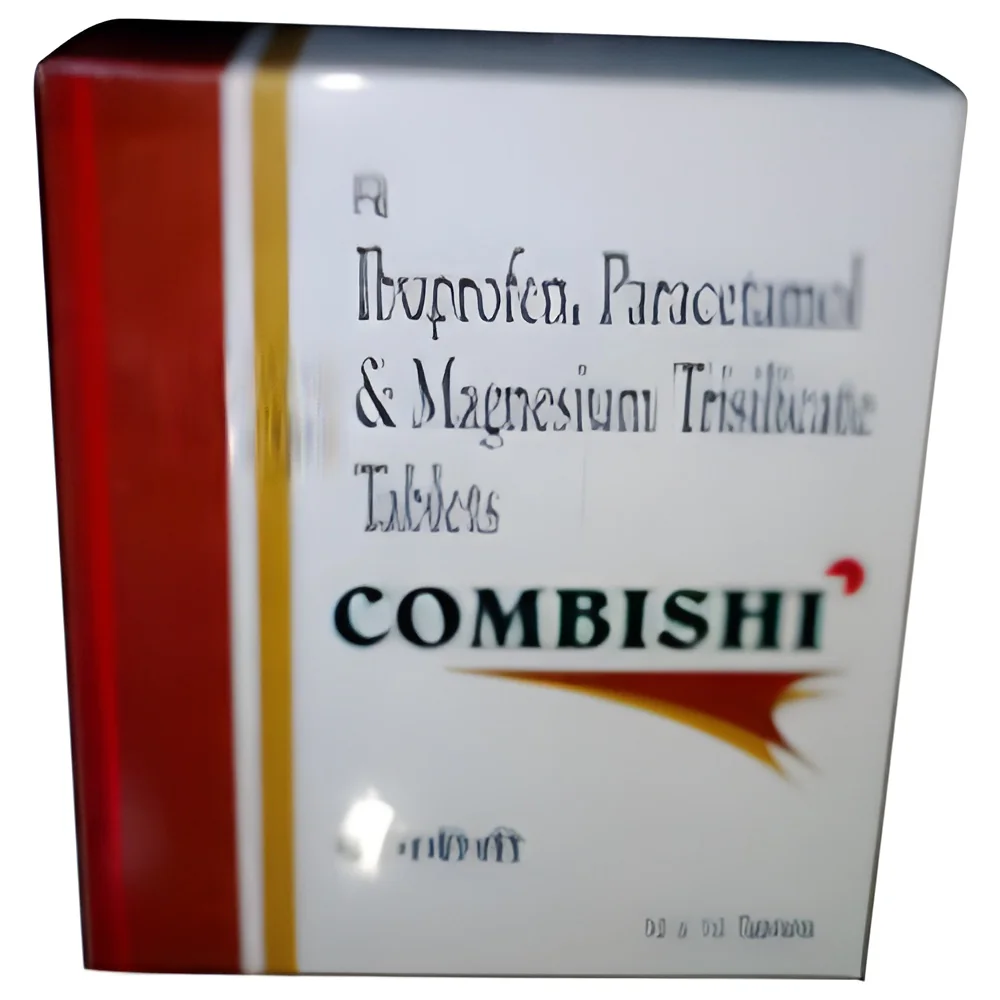 India


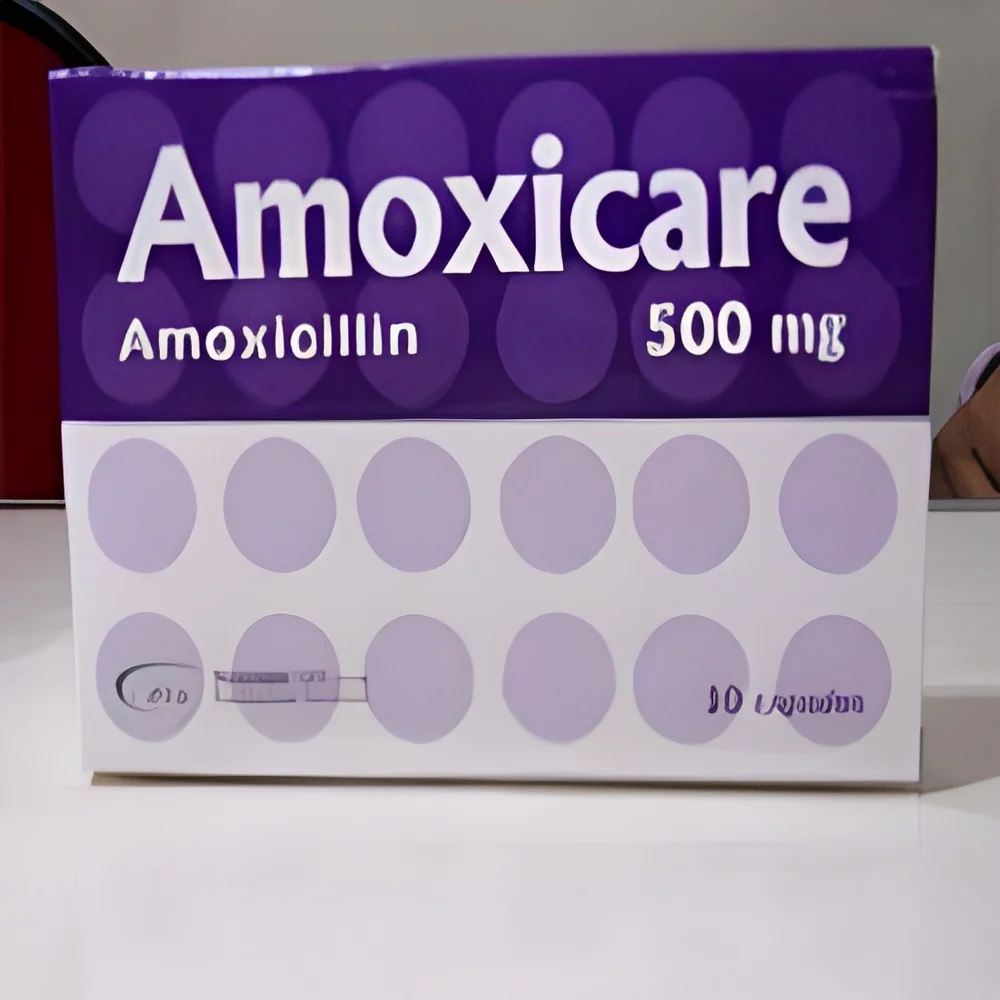 India
 India
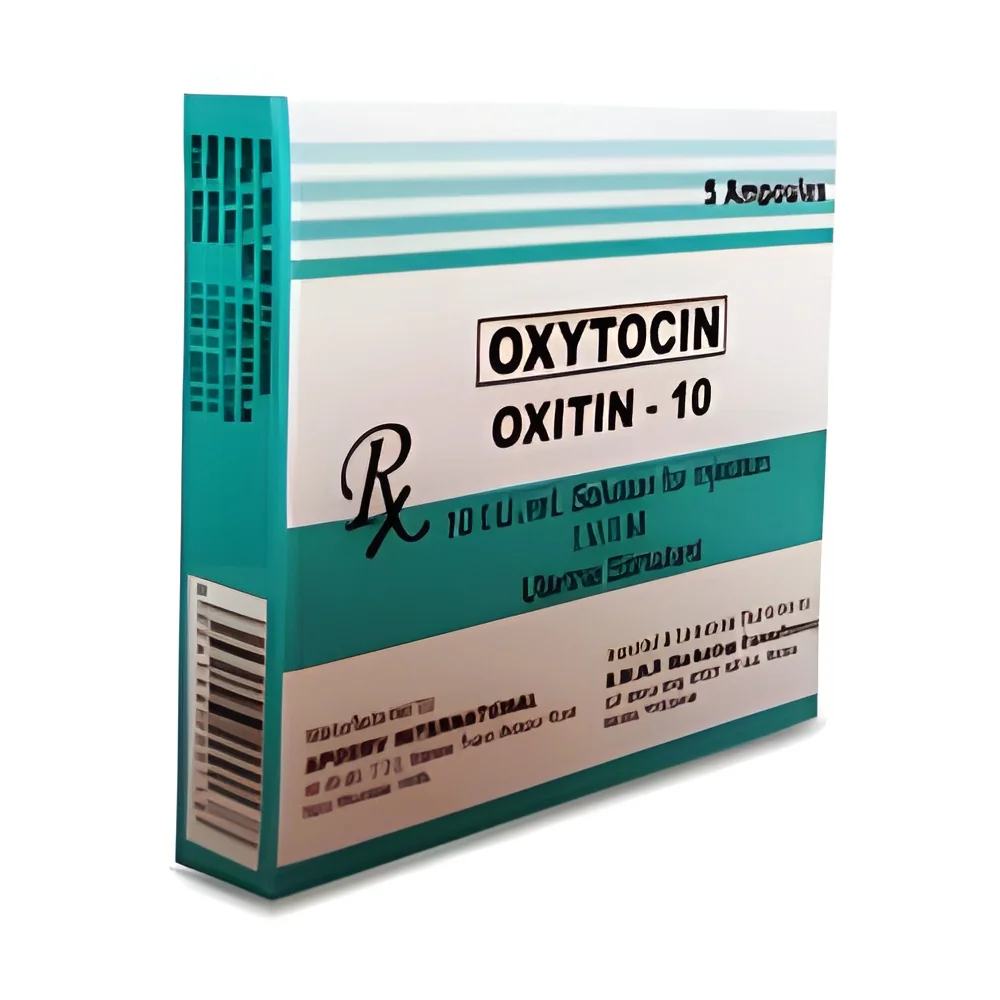 India

Frequently Asked Questions
What are Pain Relief & Analgesics?
Pain Relief & Analgesics refer to a category of medications designed to alleviate pain. These substances work by blocking pain signals in the brain or reducing inflammation, providing relief for various conditions such as headaches, arthritis, or muscle pain.
What are the different types of Pain Relief & Analgesics?
There are several types of Pain Relief & Analgesics, including non-opioid analgesics like acetaminophen and NSAIDs such as ibuprofen. Opioid analgesics, which are stronger medications, are also used for severe pain management. Additionally, topical analgesics and adjuvant medications like antidepressants may be utilized.
How do I choose the right Pain Relief & Analgesics?
Choosing the right Pain Relief & Analgesics depends on the type and intensity of pain, as well as individual health conditions. It is advisable to consult a healthcare professional to determine the most effective and safe option tailored to specific needs.
What are the standard specifications for Pain Relief & Analgesics?
Standard specifications for Pain Relief & Analgesics generally include dosage form, active ingredients, concentration, and shelf life. Additionally, compliance with regulatory standards such as those set by the FDA or equivalent authorities is crucial for quality assurance.
What is the price range for Pain Relief & Analgesics?
The price range for Pain Relief & Analgesics can vary widely based on the type, brand, and formulation. Generally, over-the-counter options may range from INR 50 to INR 500, while prescription medications, particularly opioids, can be significantly more expensive.
What quality standards apply to Pain Relief & Analgesics?
Quality standards for Pain Relief & Analgesics typically include adherence to Good Manufacturing Practices (GMP) and approval from relevant regulatory bodies. These standards ensure that products are safe, effective, and manufactured consistently.
Where can I find Pain Relief & Analgesics suppliers in India?
You can find Pain Relief & Analgesics suppliers in India through B2B marketplaces like Pepagora, industry trade shows, and pharmaceutical directories. Online platforms provide a wide range of options to compare suppliers and find the best fit for your needs.
Can Pain Relief & Analgesics be customized?
Yes, Pain Relief & Analgesics can be customized to some extent, including formulation changes and specific dosage requirements. However, customization options may be limited based on regulatory approvals and manufacturing capabilities.
What is the typical minimum order quantity for Pain Relief & Analgesics?
The typical minimum order quantity for Pain Relief & Analgesics can vary by supplier but is generally in the range of 100 to 1000 units. It is advisable to check with specific manufacturers or suppliers for their MOQ policies.
What is the typical lead time for Pain Relief & Analgesics?
The typical lead time for Pain Relief & Analgesics can range from 2 to 6 weeks, depending on factors such as the supplier's location, order size, and production schedules. It's best to confirm lead times directly with the supplier.
Why Businesses Trust Pepagora
Thousands of companies trust Pepagora to source smarter and sell faster
Expand Your Sales Globally

Source Smarter,Grow Faster
