What are Omega-3 Fortifiers?
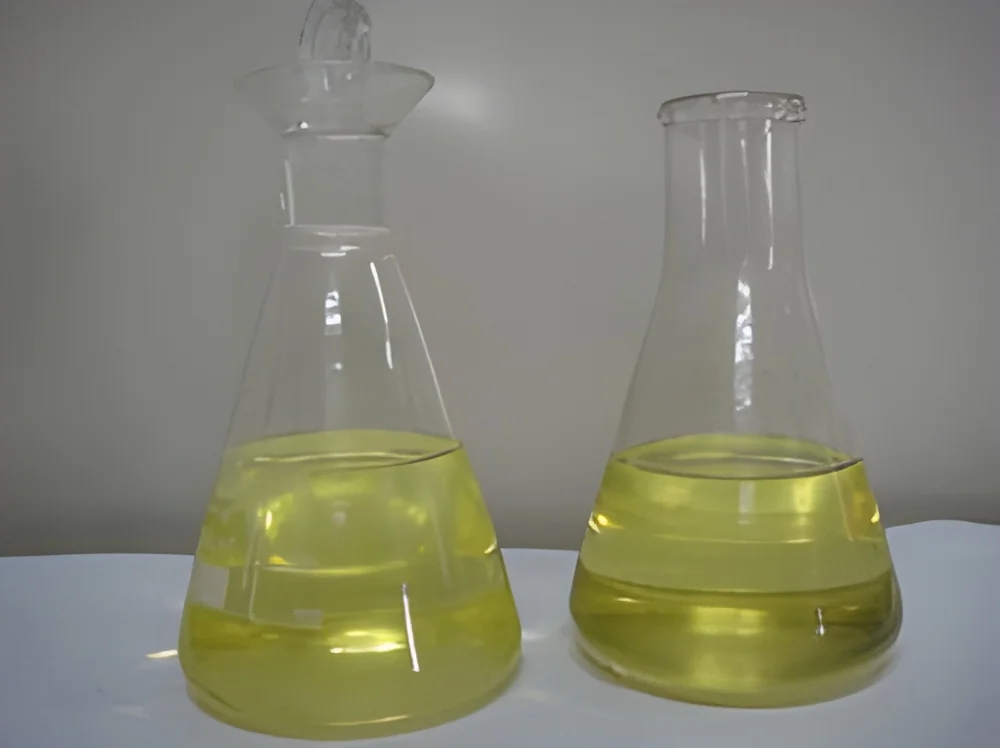
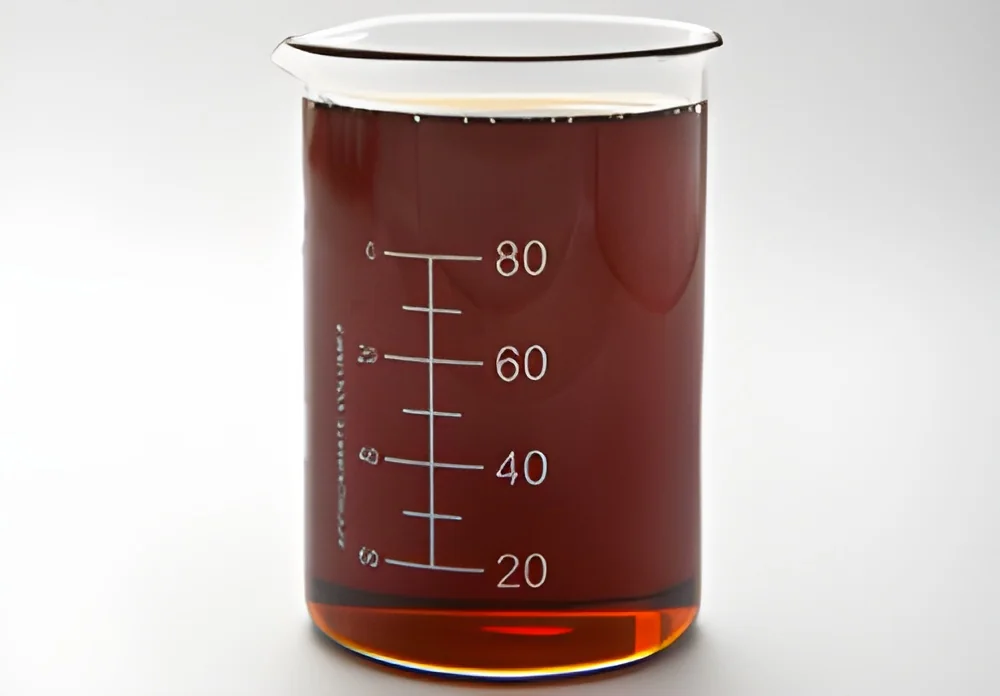
Omega-3 fortifiers are specialized additives designed to enhance the omega-3 fatty acid content in various food products, dietary supplements, and functional foods. These fortifiers often come in liquid or powder forms and may be derived from sources such as fish oil, flaxseed oil, or algae oil. Their primary function is to increase the nutritional value of products by providing essential fatty acids that are crucial for human health.
The primary uses of omega-3 fortifiers span across multiple industries, including food and beverage, dietary supplements, and pharmaceuticals. In the food sector, these fortifiers can be incorporated into items such as dairy products, baked goods, and snacks to promote heart health and cognitive function. In dietary supplements, they are used to produce capsules and powders that deliver concentrated doses of omega-3s. As consumers increasingly seek health benefits from their diets, the demand for omega-3 fortifiers is on the rise, making them a relevant product in today’s health-conscious market.
With the growing awareness of the importance of omega-3 fatty acids, the market for these fortifiers is expanding rapidly. As more food manufacturers look to enhance the nutritional profiles of their products, omega-3 fortifiers have become essential to meet consumer expectations and regulatory standards for health claims. This trend highlights the significant role these fortifiers play in both product formulation and consumer health.
Key Features and Specifications
Omega-3 fortifiers come with various essential features that enhance their usability and effectiveness in different applications. These specifications are crucial for manufacturers and product developers to consider when selecting the right fortifier for their needs.
Key specifications include:
1. Source Type
- Common sources include fish oil, flaxseed oil, and algae oil
- Each source has varying levels of omega-3 content and fatty acid composition
2. Concentration Level
- Fortifiers can contain varying amounts of omega-3 fatty acids, typically ranging from 30% to 80%
- Higher concentrations are often sought after for specific applications
3. Shelf Life
- Omega-3 fortifiers typically have a shelf life of 12 to 24 months when stored properly
- Proper storage conditions are necessary to maintain potency
4. Formulation Type
- Available in liquid, powder, or emulsion forms
- Each form has unique applications and benefits in food processing
5. Nutritional Profile
- Fortifiers may also include additional vitamins or minerals to enhance health benefits
- Nutritional profiles can vary significantly based on source and processing
6. Regulatory Compliance
- Must meet food safety regulations and quality standards such as CE certification
- Compliance with local and international food safety guidelines is essential
7. Packaging Options
- Available in bulk containers or smaller consumer-friendly packaging
- Packaging must ensure product stability and prevent oxidation
With these features, manufacturers can select omega-3 fortifiers that best meet their product formulation needs while ensuring quality and compliance.
Common Applications and Use Cases
Omega-3 fortifiers are versatile and find applications across various industries. Their ability to enhance nutritional value and health benefits makes them a preferred choice for many businesses.
1. Food and Beverage: Omega-3 fortifiers are commonly added to dairy products like yogurt and milk, as well as baked goods to promote health benefits and appeal to health-conscious consumers.
2. Dietary Supplements: In the supplement industry, omega-3 fortifiers are formulated into capsules and powders, providing essential fatty acids for heart and cognitive health.
3. Pharmaceuticals: Some omega-3 fortifiers are utilized in pharmaceutical products, particularly in formulations aimed at reducing inflammation and improving overall health.
4. Pet Food: The pet food industry incorporates omega-3 fortifiers to enhance the nutrition of pet diets, targeting improved skin and coat health.
5. Sports Nutrition: Many sports nutrition products incorporate omega-3 fortifiers to promote recovery and support overall athletic performance.
6. Baby Food: Omega-3 fortifiers are sometimes added to baby food and infant formulas to support healthy development in early life.
7. Functional Foods: Many functional foods, such as snack bars and enriched beverages, utilize omega-3 fortifiers to create health-focused products that cater to consumer demand.
Product Variants and Subcategories
Omega-3 fortifiers come in various forms and compositions, allowing manufacturers to select the most suitable product for their needs. The diversity in product offerings ensures that businesses can find a fortifier that aligns with their specific applications.
Liquid Omega-3 Fortifiers
These fortifiers are typically derived from fish or algae oils and are easily incorporated into liquid food products. They offer a high concentration of omega-3 fatty acids and are often used in beverages and salad dressings.
Powdered Omega-3 Fortifiers
Powdered forms are ideal for incorporation into dry food products and supplements. They provide flexibility in formulation and are often used in protein powders and nutrition bars.
Emulsified Omega-3 Fortifiers
Emulsified forms are designed for improved solubility and stability in various food matrices. They are suitable for use in creamy products like sauces and spreads.
Benefits and Advantages
The inclusion of omega-3 fortifiers in products offers numerous benefits that can enhance both the product’s appeal and its nutritional value.
Key benefits include:
1. Enhanced Nutritional Value: Omega-3 fortifiers significantly boost the nutritional profile of food products, appealing to health-conscious consumers.
2. Health Benefits: Omega-3 fatty acids are known to support heart health, cognitive function, and reduce inflammation, making products fortified with these ingredients more attractive.
3. Competitive Advantage: Offering omega-3 fortified products can differentiate brands in a crowded market, appealing to consumers seeking functional health benefits.
4. Versatility: Omega-3 fortifiers can be used in a wide range of applications, from supplements to food products, providing flexibility for manufacturers.
5. Consumer Demand: Increasing awareness of health benefits associated with omega-3s drives demand, making fortification a strategic move for businesses.
6. Regulatory Compliance: Omega-3 fortifiers often meet industry standards, providing assurance to manufacturers regarding safety and quality.
Buying Guide for B2B Buyers
When sourcing omega-3 fortifiers, B2B buyers should consider several important factors to ensure they select the right product for their needs.
1. Quality Assessment: Evaluate the quality of omega-3 fortifiers through certifications and supplier reputation. Look for products that meet industry standards for purity and potency.
2. Supplier Verification: Conduct thorough background checks on suppliers to ensure reliability. Verify their production processes and quality control measures to avoid potential issues.
3. Pricing and MOQ: Understand the pricing structure and minimum order quantities for omega-3 fortifiers. Compare costs across suppliers while considering the total value offered.
4. Delivery and Lead Times: Assess the supplier’s logistics capabilities, including delivery timelines. Timely delivery is crucial for maintaining production schedules.
5. Compliance Requirements: Ensure that the omega-3 fortifiers comply with local and international regulations. Familiarize yourself with any specific compliance needs for your market.
Compliance and Certifications
Omega-3 fortifiers must adhere to various compliance and certification standards to ensure product quality and safety. Key standards include ISO 9001 for quality management systems, HACCP for food safety, and Good Distribution Practices (GDP) for proper handling and transport.
In addition to these quality standards, omega-3 fortifiers may carry industry certifications such as CE to signify compliance with European health and safety regulations. These certifications provide assurance to manufacturers and consumers regarding the reliability and safety of the products.
Safety testing is also a critical component of compliance, ensuring that omega-3 fortifiers are free from contaminants and meet specified purity levels. Buyers should be aware of regional compliance considerations, as regulations may vary across different markets. Understanding these requirements is essential for businesses looking to incorporate omega-3 fortifiers into their products.
Why Source Omega-3 Fortifiers from Pepagora?
Pepagora offers a trusted platform for sourcing omega-3 fortifiers, providing several key advantages for B2B buyers.
The network of verified suppliers ensures that businesses can connect with reputable manufacturers who maintain high standards of quality and safety. This level of verification helps mitigate risks associated with sourcing and allows buyers to focus on product development.
Pepagora also streamlines the request for quotation (RFQ) process, making it easier for buyers to obtain competitive pricing and product information. This efficient system saves time and simplifies the procurement process.
Trade assurance and support from Pepagora provide additional security for buyers, ensuring that their transactions are protected. This commitment to buyer protection fosters trust and confidence in sourcing decisions.
Finally, Pepagora’s regional coverage in India, the GCC, and Southeast Asia allows businesses to access a wide range of omega-3 fortifiers tailored to their specific market needs. This geographic reach enhances opportunities for collaboration and growth in the industry.

 IN
IN
 India
India