What are Nickel Alloys?
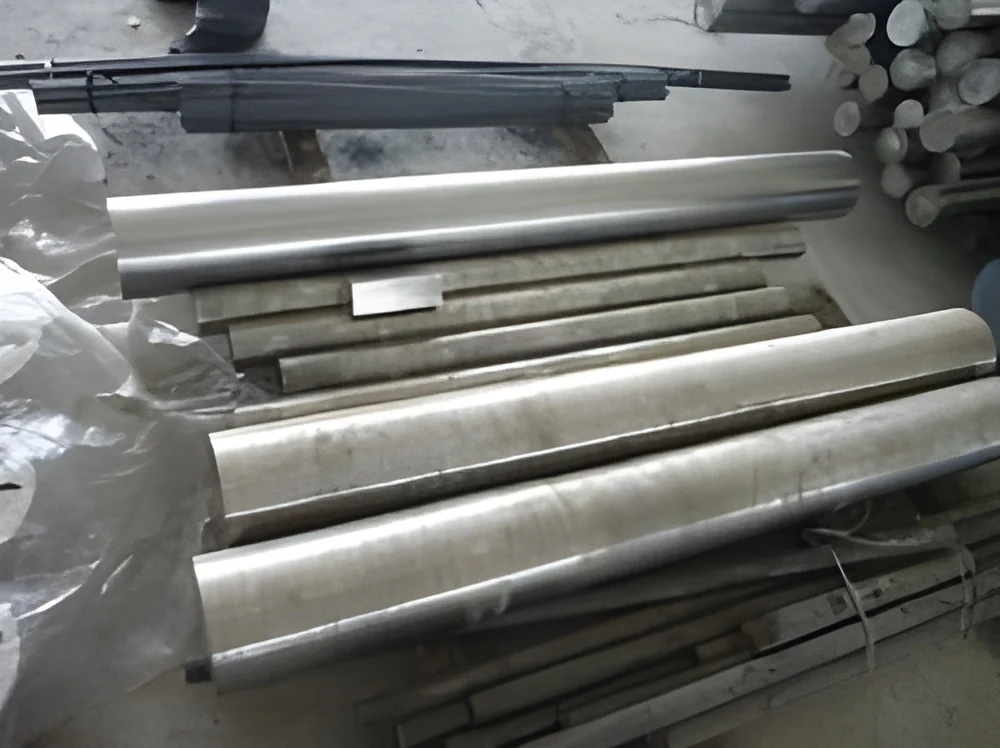
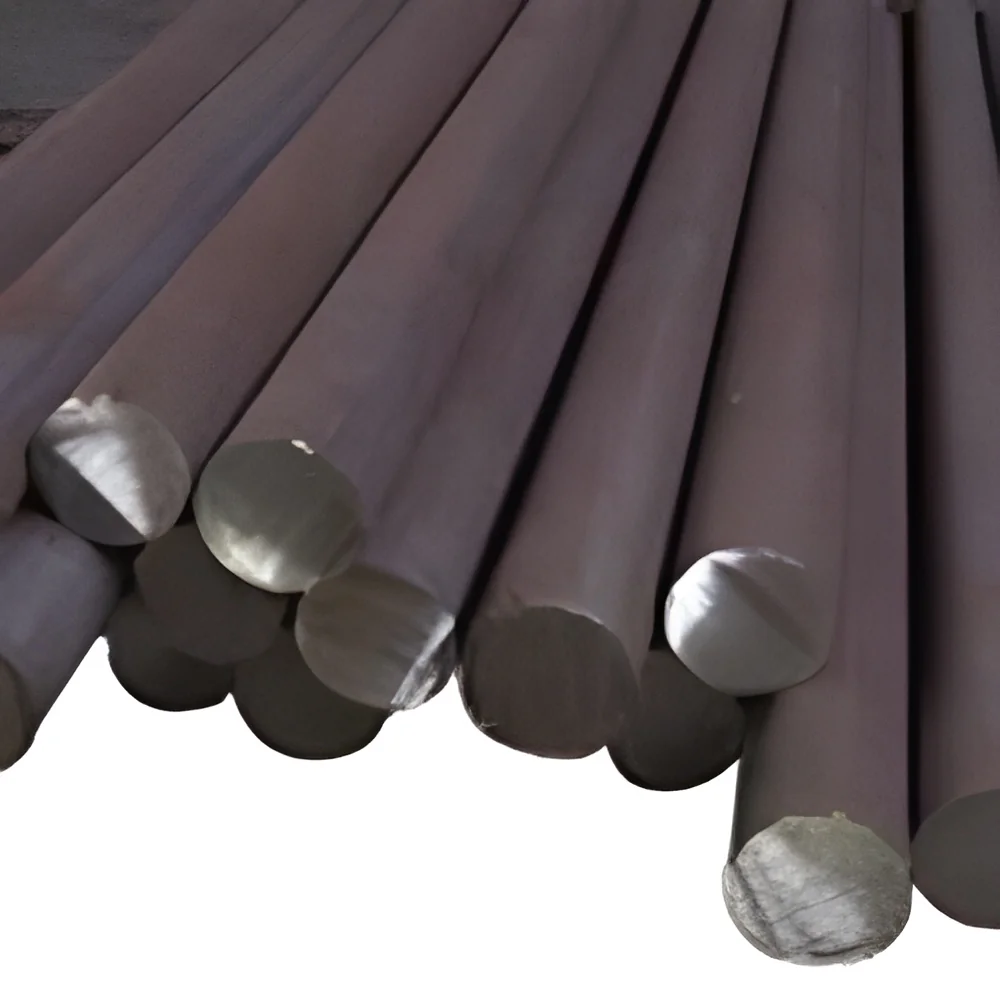
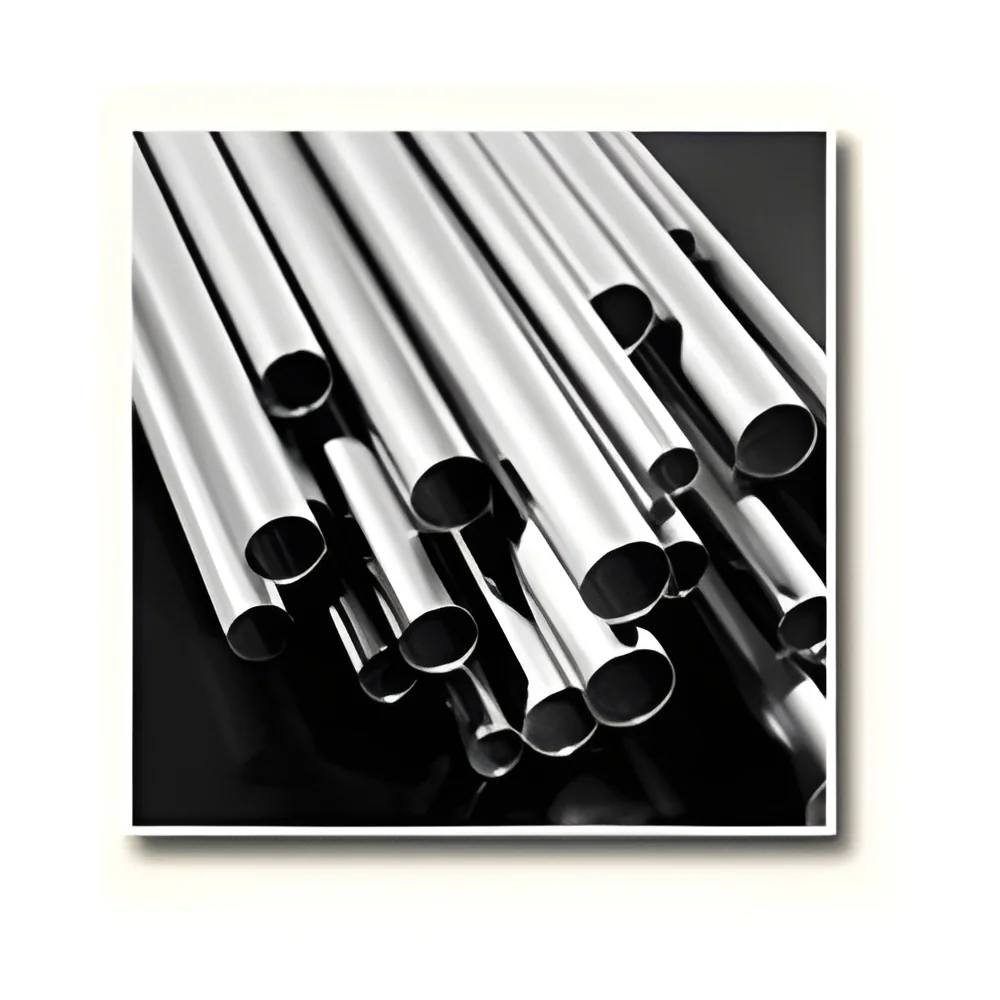
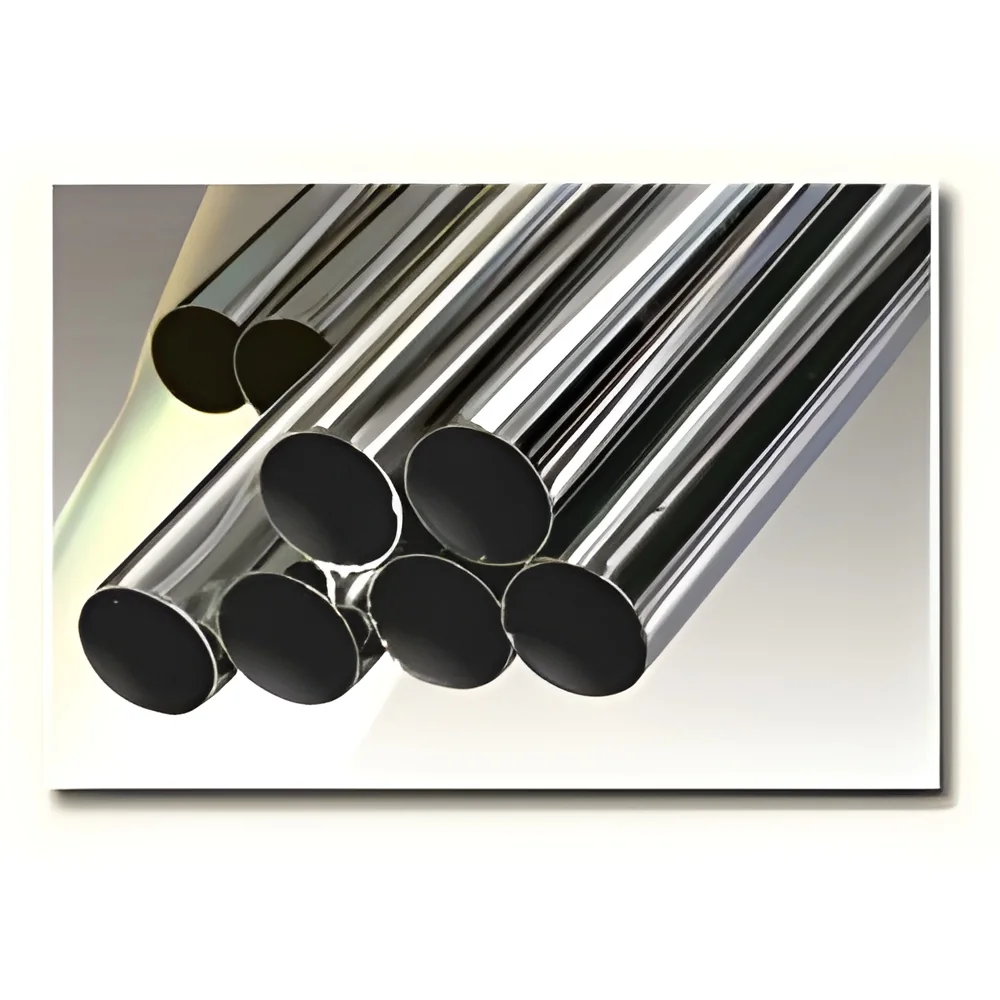
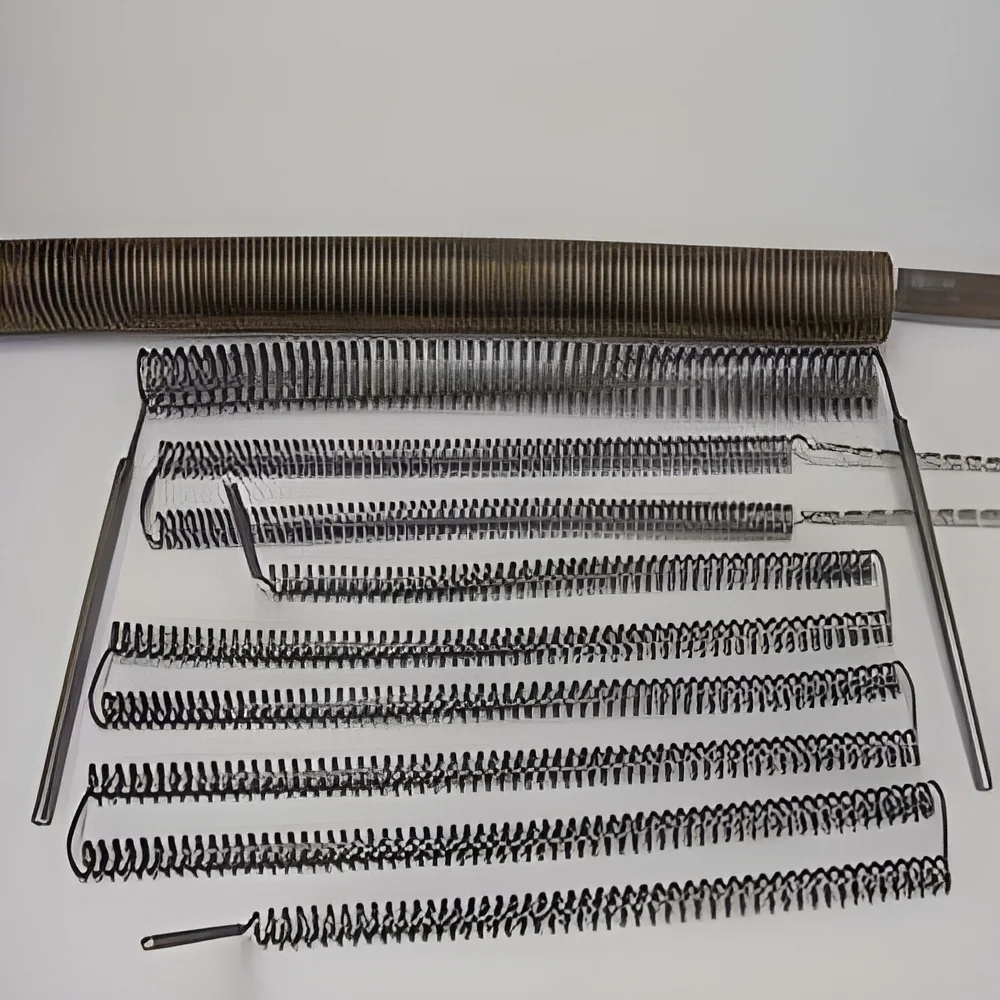
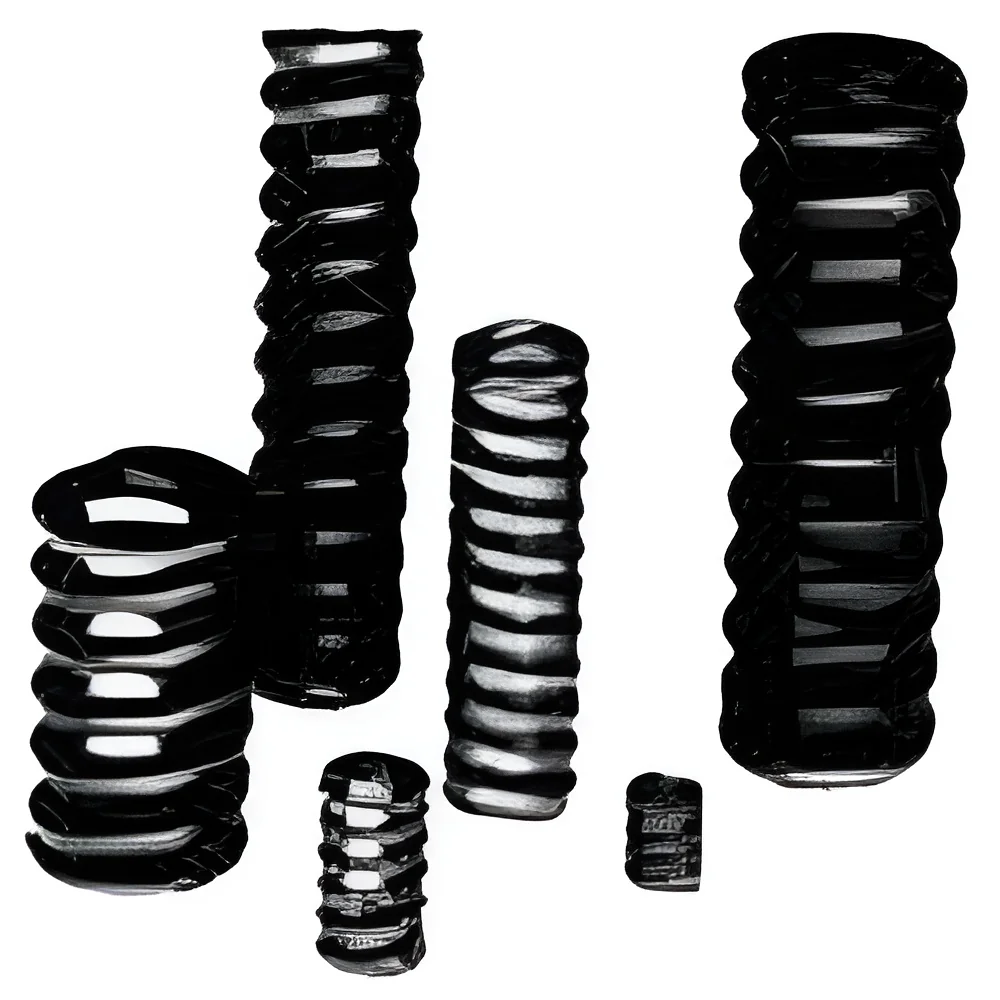
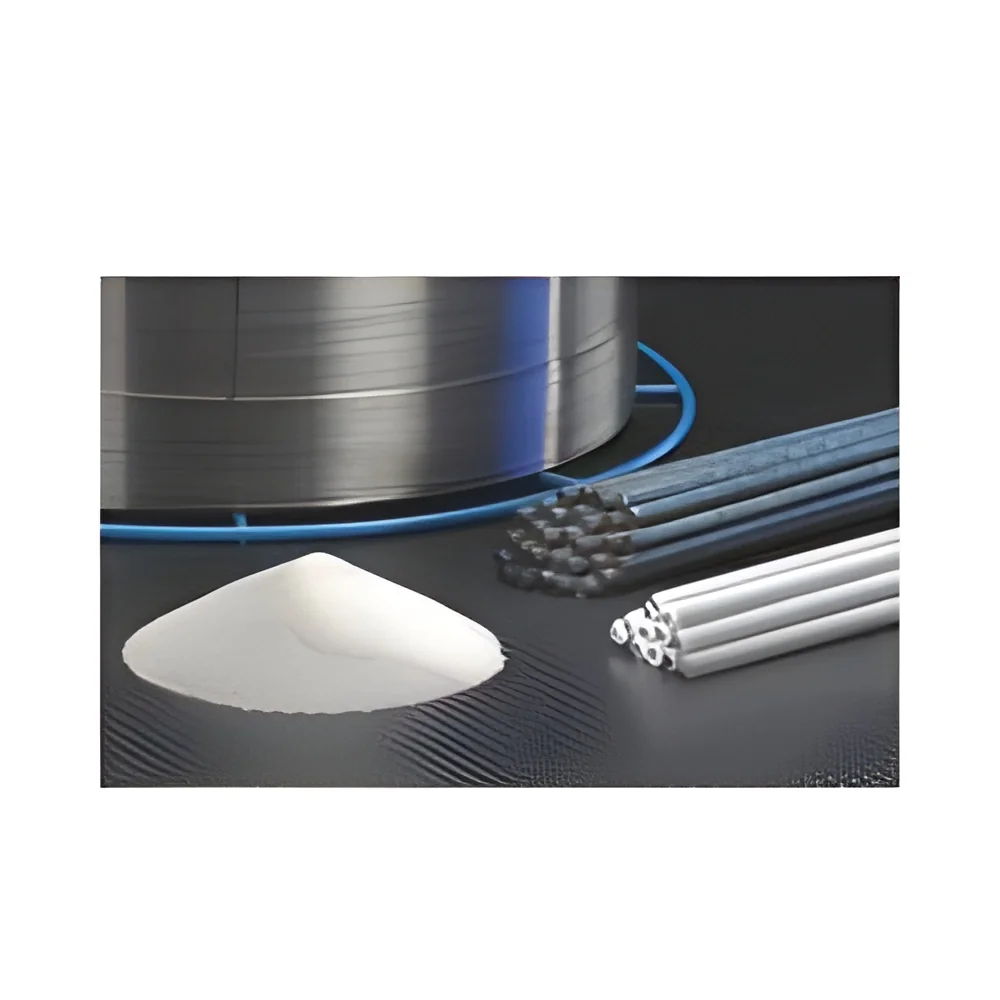
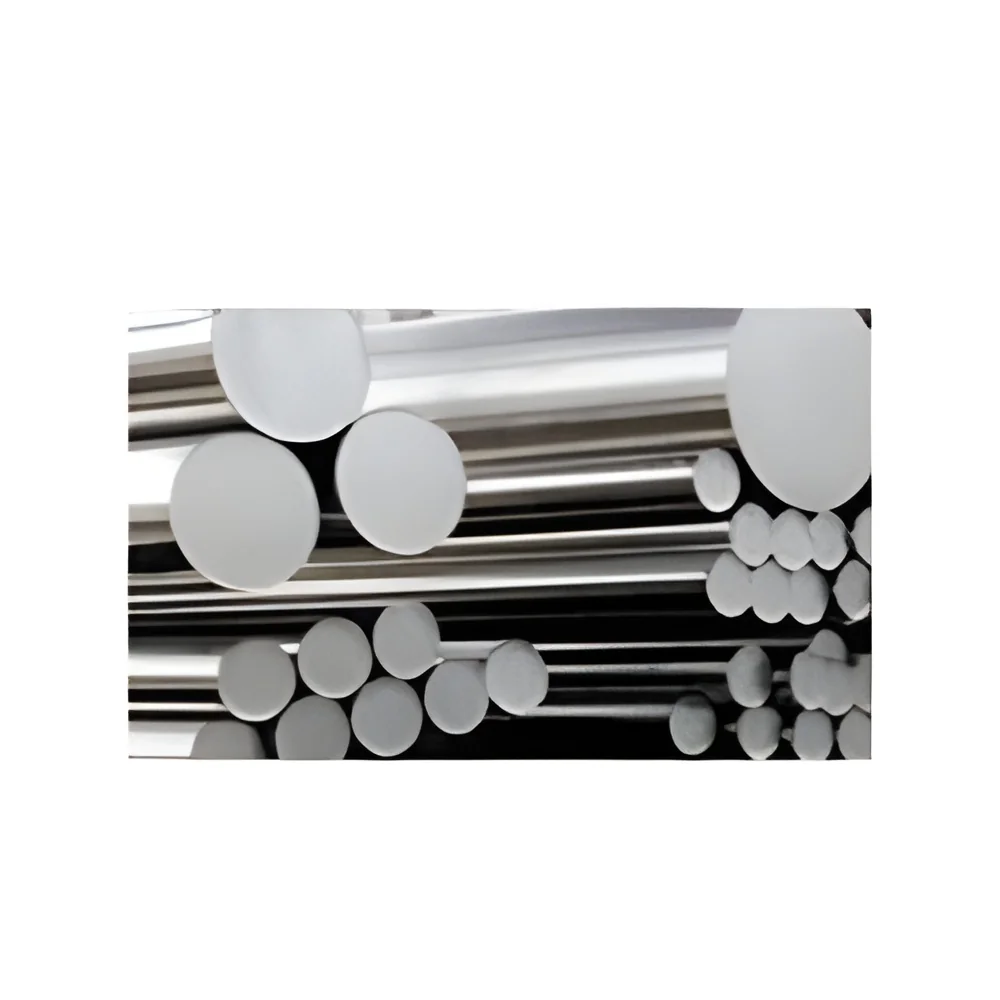
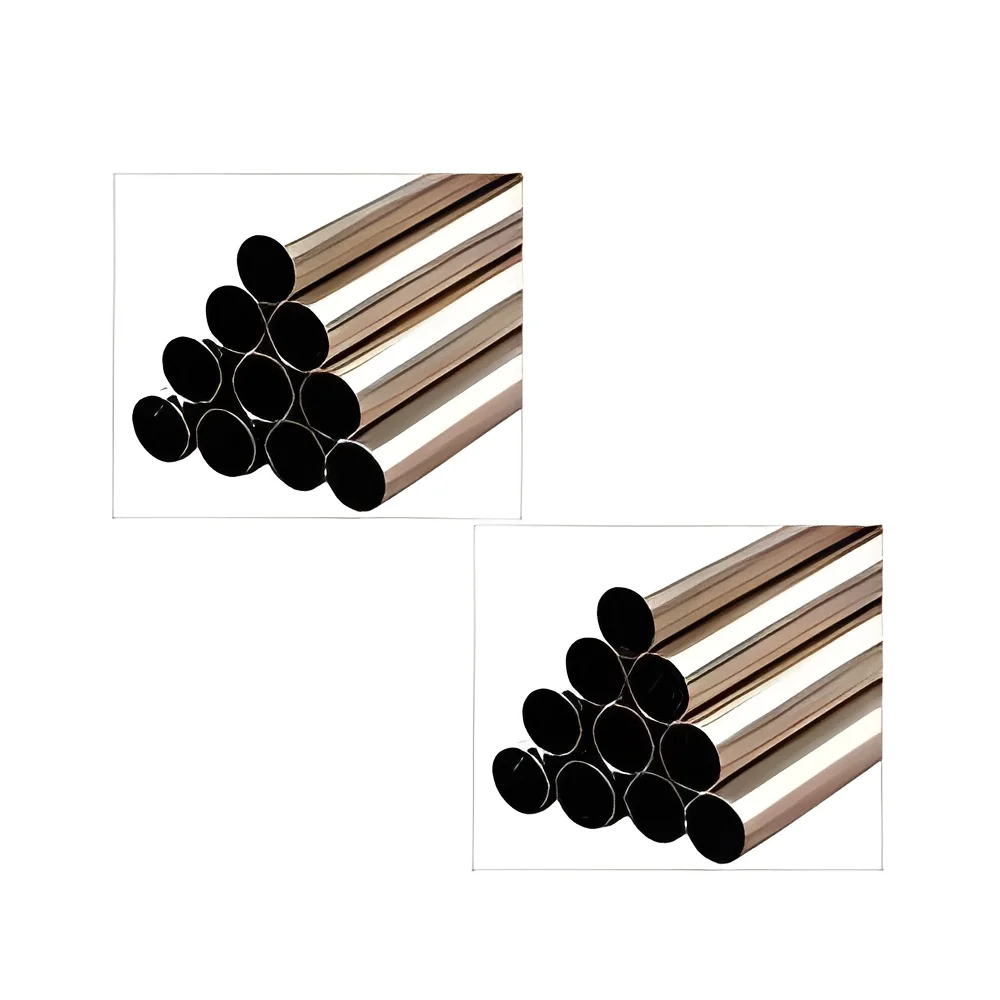
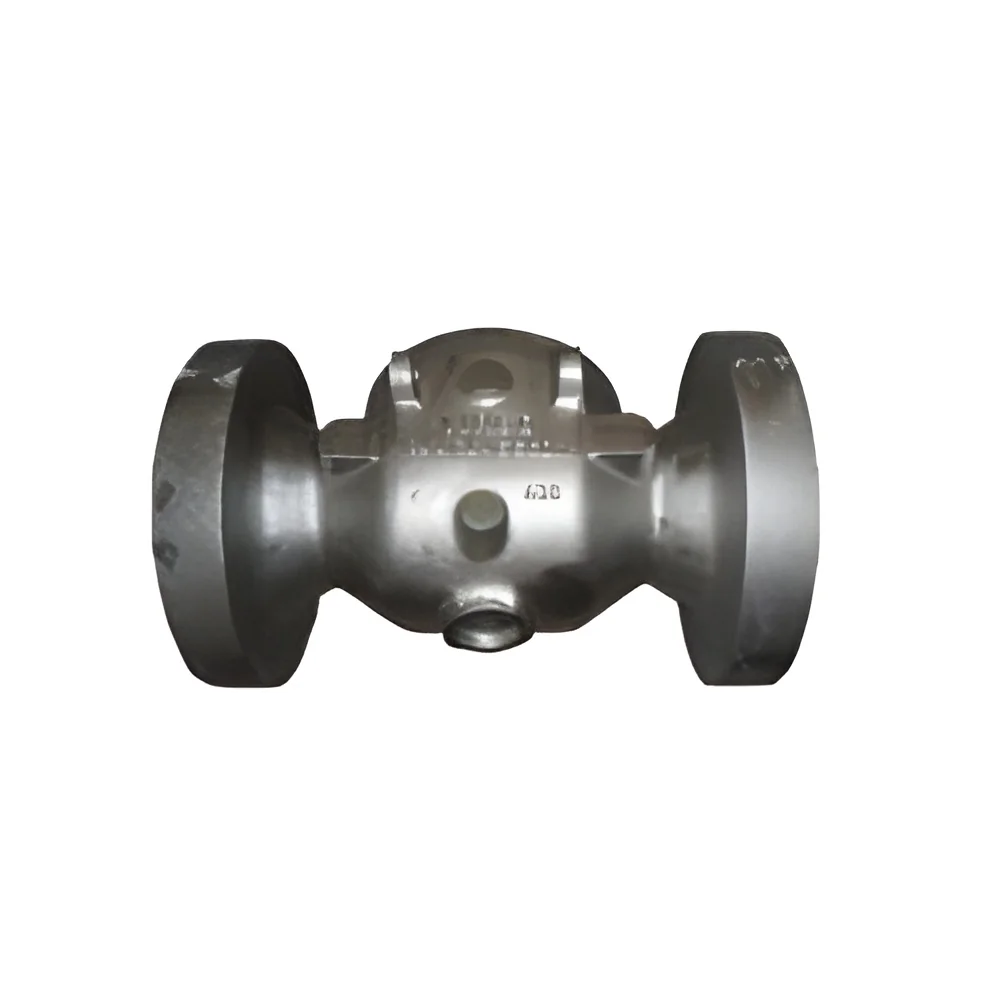
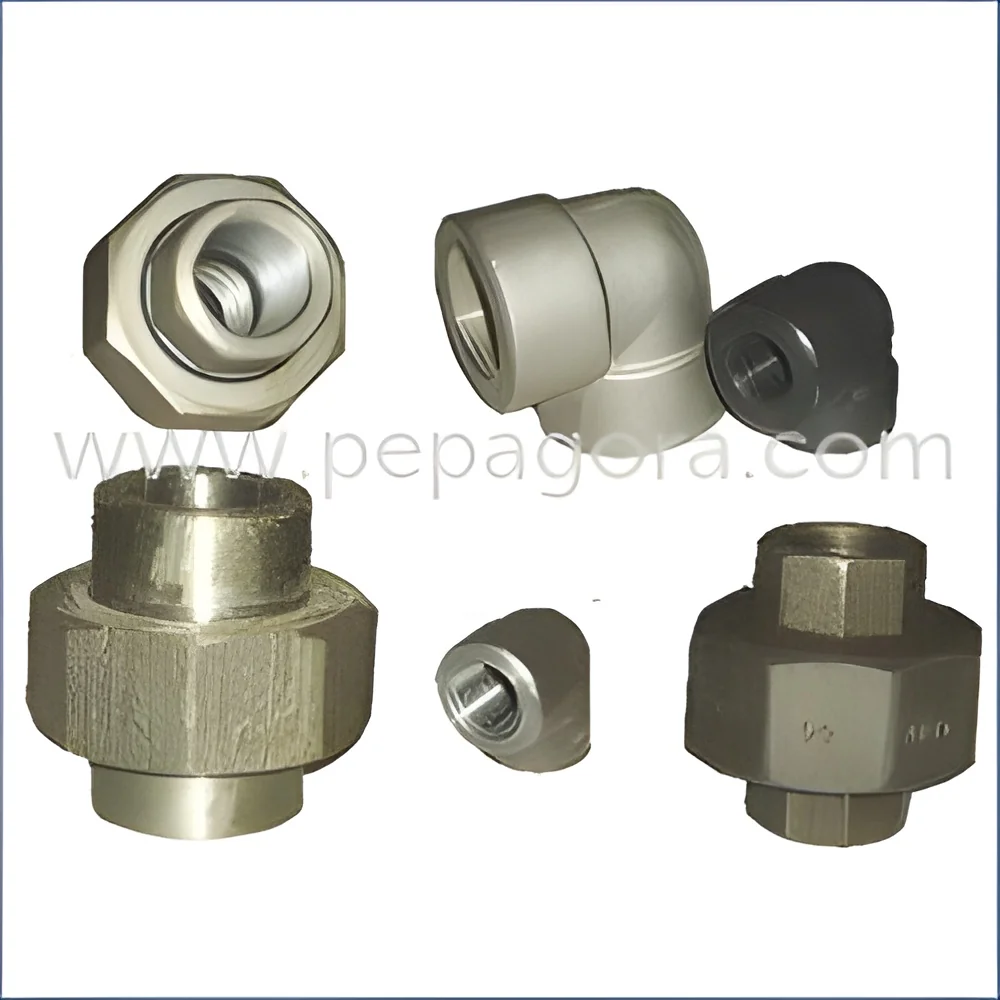
Nickel alloys are a type of metal alloy primarily composed of nickel, combined with other metals such as chromium, iron, or copper. These alloys are known for their exceptional resistance to corrosion, heat, and oxidation, making them ideal for a variety of industrial applications. The unique properties of nickel alloys stem from the addition of other elements, which enhance their mechanical strength and durability in harsh environments.
Nickel alloys are widely used in industries that require materials capable of withstanding extreme temperatures and corrosive substances. Common applications include aerospace components, chemical processing equipment, and marine applications. The demand for nickel alloys is growing as industries seek materials that can improve operational efficiency and reduce maintenance costs. As global industrial standards evolve, the market for nickel alloys continues to expand, driven by their versatility and reliability.
Key Features and Specifications
Nickel alloys come with a range of features and specifications designed to meet the demands of various applications. These materials exhibit unique characteristics that make them suitable for challenging environments, and specifications can vary based on the alloy composition.
Key specifications include:
1. Corrosion Resistance
- Nickel alloys offer exceptional resistance to various corrosive media.
- They are particularly effective in acidic and alkaline environments.
2. High-Temperature Strength
- These alloys maintain their strength at elevated temperatures.
- They are suitable for applications up to 1,200 degrees Celsius.
3. Weldability
- Nickel alloys can be easily welded without losing their advantageous properties.
- This makes them ideal for complex assemblies.
4. Ductility
- Nickel alloys exhibit high ductility, allowing for easy shaping and forming.
- This property is vital for fabrication processes.
5. Magnetic Properties
- Some nickel alloys possess unique magnetic properties.
- These can be beneficial in specific electronic applications.
6. Thermal Conductivity
- Nickel alloys have good thermal conductivity.
- This property is essential for heat exchangers and similar applications.
7. Fatigue Resistance
- They are resistant to fatigue and stress, which enhances their longevity.
- This characteristic is crucial in high-stress environments.
8. Customizability
- Nickel alloys can be tailored for specific applications.
- Customization allows for optimized performance based on user requirements.
In summary, the diverse features of nickel alloys make them a preferred choice for industries requiring reliable performance under demanding conditions.
Common Applications and Use Cases
Nickel alloys are utilized across various industries due to their unique properties and performance characteristics.
1. Aerospace: Nickel alloys are used in turbine engines, airframe components, and exhaust systems where high temperature and corrosion resistance are critical.
2. Chemical Processing: These alloys are essential in the manufacturing of heat exchangers, reactors, and piping systems that handle aggressive chemicals.
3. Marine: Nickel alloys are commonly used in shipbuilding and offshore platforms due to their resistance to seawater corrosion.
4. Oil and Gas: They are applied in downhole tubing, valves, and connectors, where exposure to harsh environments is routine.
5. Power Generation: Nickel alloys are utilized in gas turbines and nuclear reactors, where strength and resilience are paramount.
6. Automotive: These materials are found in exhaust systems and turbochargers, enhancing performance under high-stress conditions.
7. Electronics: Nickel alloys serve as components in connectors and circuit boards due to their electrical conductivity and durability.
Product Variants and Subcategories
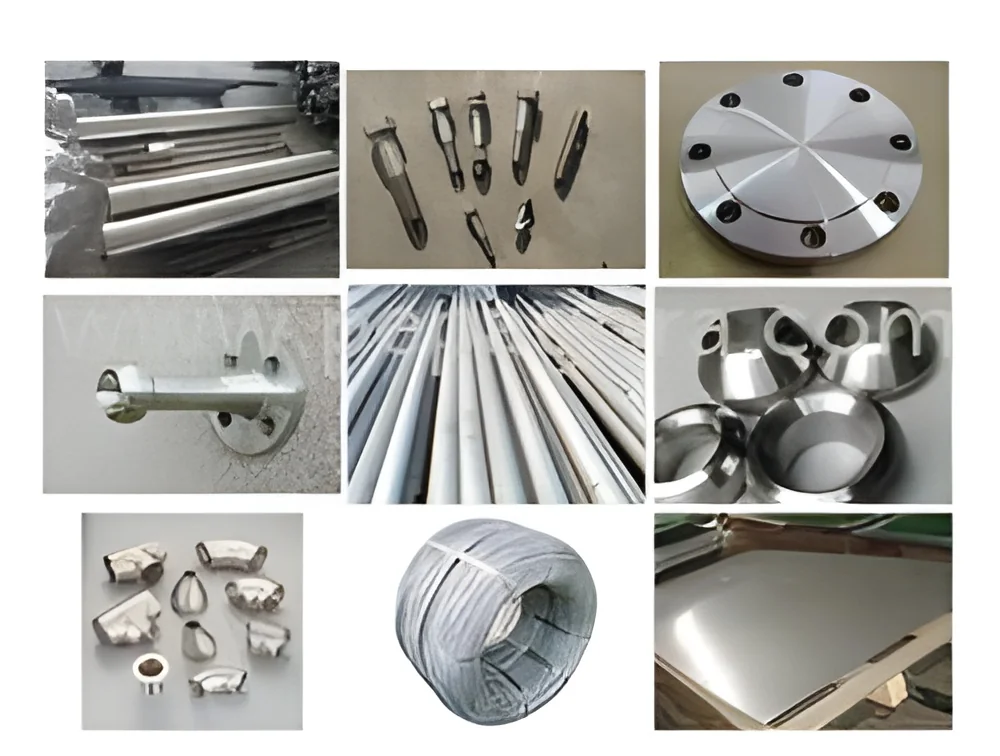
Nickel alloys are diverse in their forms and applications, allowing for tailored solutions based on specific industrial needs.
Inconel 625: This variant is known for its high resistance to pitting and crevice corrosion. It is widely used in chemical processing and aerospace applications due to its excellent weldability.
Inconel 718: This alloy exhibits high strength and oxidation resistance at elevated temperatures. It is commonly used in aerospace and oil and gas sectors for its reliability under stress.
Monel 400: Known for its corrosion resistance in marine environments, Monel 400 is frequently utilized in valves, pumps, and piping systems.
Hastelloy C-276: This alloy is highly resistant to both oxidizing and reducing environments, making it suitable for chemical processing applications.
Incoloy 825: This variant is versatile in its applications, particularly in the oil and gas industry, due to its resistance to stress corrosion cracking.
Benefits and Advantages
Nickel alloys offer numerous benefits that make them an attractive choice for industrial applications.
Key benefits include:
1. Superior Corrosion Resistance: The inherent properties of nickel alloys protect against corrosion, extending the life of equipment.
2. High Strength: These materials maintain their strength even at elevated temperatures, ensuring reliable performance under stress.
3. Versatility: Nickel alloys can be customized for a wide range of applications, making them suitable for diverse industries.
4. Enhanced Durability: Their fatigue resistance and toughness contribute to lower maintenance costs and longer service life.
5. Excellent Fabrication: Nickel alloys can be easily welded and shaped, simplifying manufacturing processes.
6. Temperature Stability: They perform well in extreme temperatures, ensuring safety and reliability in critical applications.
Buying Guide for B2B Buyers
When sourcing nickel alloys, it is essential to consider various factors to ensure you select the right product for your needs.
1. Quality Assessment: Look for alloys that meet industry standards for quality and performance. Verify the manufacturer's certifications and product specifications.
2. Supplier Verification: Conduct thorough research on potential suppliers. Check their reputation, customer reviews, and history in the industry.
3. Pricing and MOQ: Understand the market pricing for the nickel alloys you require. Consider minimum order quantities and negotiate pricing based on your volume needs.
4. Delivery and Lead Times: Ensure that the supplier can meet your delivery requirements. Discuss lead times and logistics to avoid delays in your production schedule.
5. Compliance Requirements: Familiarize yourself with any regulatory compliance requirements relevant to your industry and ensure the supplier meets these standards.
Compliance and Certifications
Nickel alloys must adhere to various quality standards and certifications to ensure reliability and safety. Key standards include ISO 9001, which emphasizes quality management systems, and CE certification, which indicates compliance with European safety and health requirements.
Safety and testing requirements are also critical. Manufacturers should conduct rigorous testing to verify the mechanical and corrosion-resistant properties of their alloys. This testing helps guarantee that the materials perform as expected in their intended applications.
Regional compliance considerations may vary depending on the market. Buyers should be aware of specific regulations in their geographic area to ensure that the nickel alloys sourced comply with local laws.
Why Source Nickel Alloys from Pepagora?
Pepagora offers a trusted platform for sourcing nickel alloys, providing several key advantages to B2B buyers.
Verified Supplier Network: Pepagora connects buyers with a network of verified suppliers, ensuring that you are sourcing materials from reputable sources. This verification process helps mitigate risks associated with quality and reliability.
Streamlined RFQ Process: The platform features a streamlined Request for Quotation (RFQ) process, allowing buyers to easily request and compare quotes from multiple suppliers. This efficiency can save time and resources.
Trade Assurance and Support: Pepagora provides trade assurance, ensuring that buyers are protected throughout the purchasing process. This support includes assistance with disputes and quality assurance.
Regional Coverage: With a focus on markets in India, the Gulf Cooperation Council (GCC), and Southeast Asia, Pepagora offers extensive regional coverage. This geographic reach allows buyers to access a diverse range of nickel alloys suited to their specific industrial needs.
In conclusion, sourcing nickel alloys through Pepagora combines reliability, efficiency, and regional expertise, making it an ideal choice for industrial buyers.

 IN
IN

 India
India