IN
IN₹
Apparel & Fashion
Description
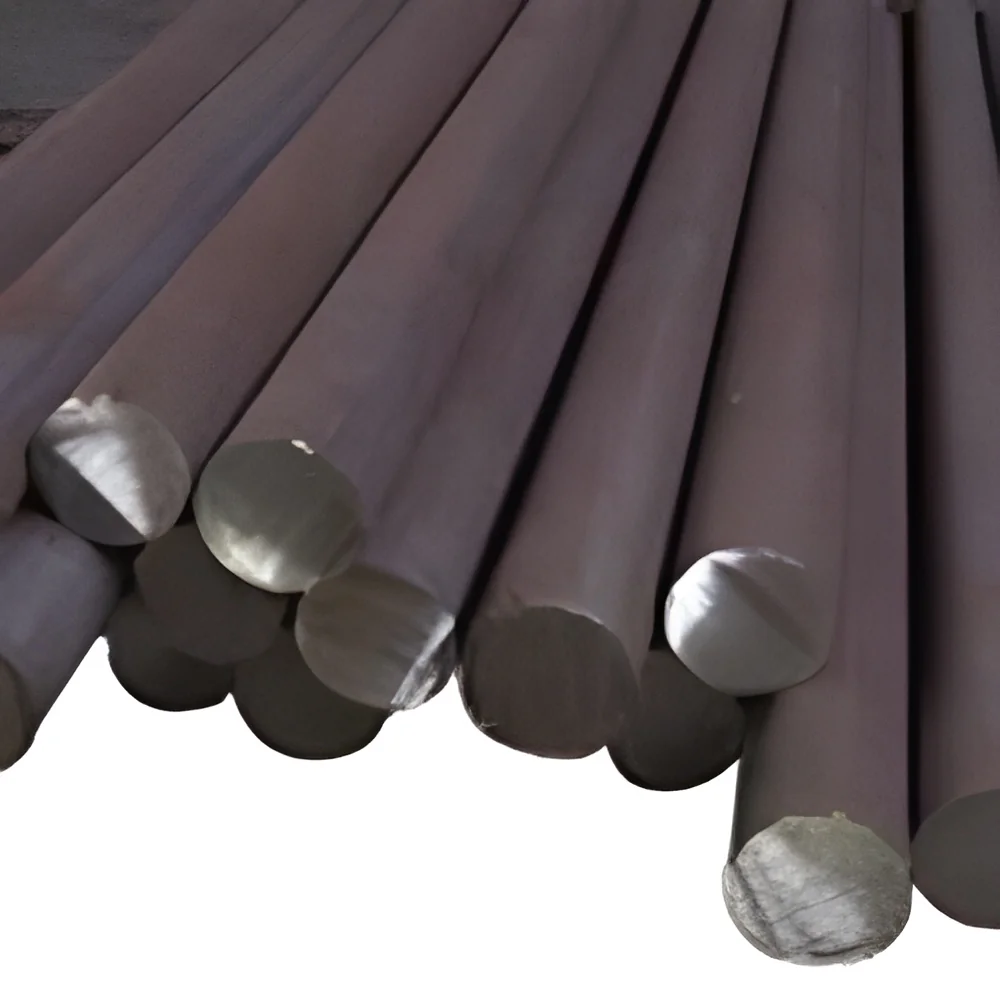
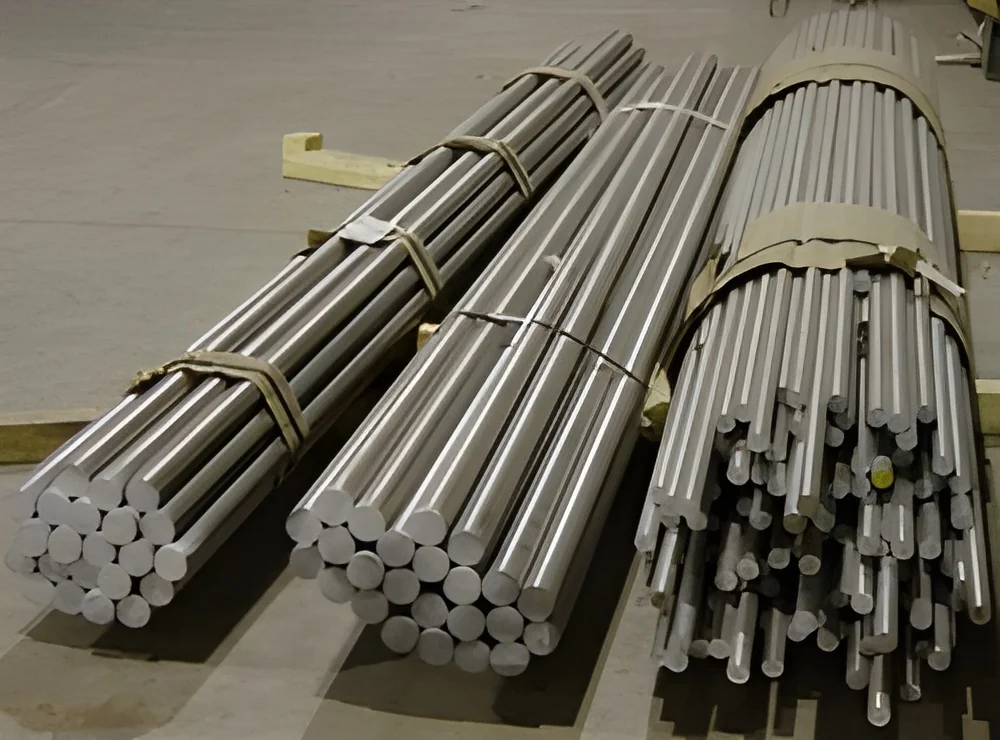
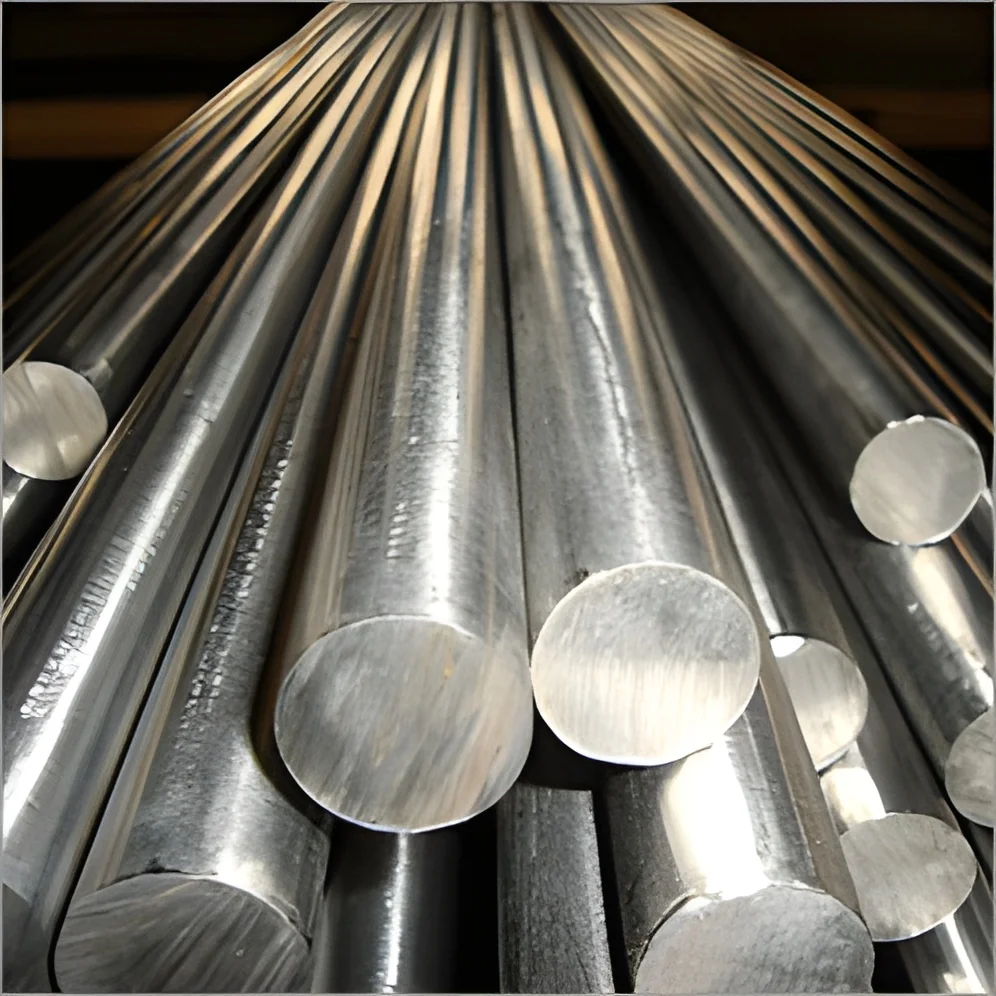
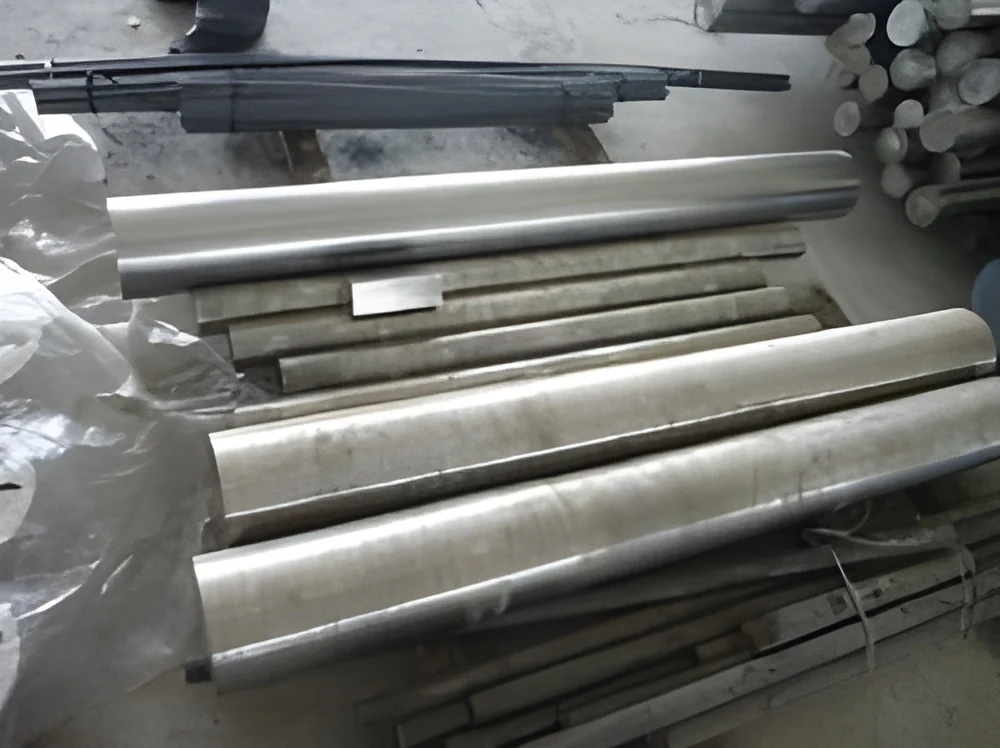
Premium Nitronic Alloy Round Bars represent advanced material engineering designed for applications where standard stainless steels are insufficient. These nitrogen-strengthened austenitic stainless steels offer approximately double the yield strength of conventional grades while maintaining superior corrosion resistance. Available in high-performance grades like Nitronic 50 and Nitronic 60, these round bars deliver exceptional mechanical properties across a wide temperature range, from sub-zero conditions to elevated heat. The material's enhanced strength-to-weight ratio, combined with excellent low-temperature impact resistance and good fabrication characteristics, makes it ideal for critical components in the most demanding industrial environments. Sizes are available from 1/2 inch to 12 inches in diameter to meet specific application requirements.

These high-performance round bars are essential across heavy industries that operate under extreme conditions. In chemical processing p...
Premium Nitronic Alloy Round Bars represent advanced material engineering designed for applications where standard stainless steels are insufficient. These nitrogen-strengthened austenitic stainless steels offer approximately double the yield strength of conventional grades while maintaining superior corrosion resistance. Available in high-performance grades like Nitronic 50 and Nitronic 60, these round bars deliver exceptional mechanical properties across a wide temperature range, from sub-zero conditions to elevated heat. The material's enhanced strength-to-weight ratio, combined with excellent low-temperature impact resistance and good fabrication characteristics, makes it ideal for critical components in the most demanding industrial environments. Sizes are available from 1/2 inch to 12 inches in diameter to meet specific application requirements.

These high-performance round bars are essential across heavy industries that operate under extreme conditions. In chemical processing plants, they form critical components in reactors, heat exchangers, piping systems, and valves that handle aggressive acids, alkalis, and corrosive substances. The oil and gas industry utilizes these bars for downhole tools, wellhead components, valve trims, and pump shafts that must withstand extreme pressures, sour gas (H2S), and corrosive brines. Marine and offshore applications include propeller shafts, fasteners, submarine components, and platform fittings where resistance to saltwater pitting and crevice corrosion is paramount. Manufacturers in pharmaceutical and food processing rely on these materials for equipment requiring sterile, non-contaminating surfaces that resist frequent chemical sterilization and cleaning processes.

The value of selecting Nitronic Alloy Round Bars extends beyond superior specifications to encompass long-term operational reliability, safety, and cost efficiency. These materials significantly reduce maintenance requirements and unplanned downtime by offering exceptional resistance to corrosion, oxidation, erosion, and mechanical wear. Their enhanced strength properties can allow for optimized, lighter component designs without compromising safety or performance, potentially reducing overall system weight and material costs. The stabilization with columbium (niobium) minimizes harmful carbide precipitation during welding and high-temperature service, ensuring consistent performance and structural integrity in fabricated assemblies. This reliability translates directly to extended service life, reduced replacement frequency, and a lower total cost of ownership for operations in environments where equipment failure carries significant financial and safety risks.

Key Features:
- Nitrogen-strengthened austenitic structure providing approximately double the yield strength of standard 300-series stainless steel.
- Superior corrosion resistance against a wide range of acids, chlorides, pitting, and crevice corrosion in aggressive environments.
- Excellent mechanical properties maintained across extreme temperature ranges, from cryogenic to elevated temperatures.
- Available in high-performance grades including Nitronic 50 and Nitronic 60, known for their combination of strength and corrosion resistance.
- Stabilized with columbium to prevent detrimental carbide precipitation during welding and high-temperature exposure.

Benefits:
- Delivers exceptional long-term reliability and durability in corrosive and high-stress applications, reducing failure risk.
- Enables potential design optimization and weight savings due to higher strength-to-weight ratio compared to standard steels.
- Reduces maintenance costs and downtime through superior resistance to wear, corrosion, and degradation.
- Provides consistent performance in fabricated structures thanks to good weldability and minimized sensitization.
- Offers a lower total cost of ownership over the equipment lifecycle by extending service life and reducing replacement needs.
Specifications
| Additional Information | |
|---|---|
| Country of Origin | India |
Application
Nitronic alloy round bars are engineered for extreme performance where ordinary materials fail. Their nitrogen-strengthened austenitic structure provides exceptional mechanical properties, maintaining structural integrity in corrosive and high-stress environments. This makes them indispensable for critical applications requiring long-term reliability, minimal maintenance, and safety under aggressive chemical exposure, high pressure, and thermal cycling.
These premium round bars serve vital roles across multiple industrial sectors. The alloy composition, particularly in grades like Nitronic 50 and 60, offers nearly triple the strength of standard 316 stainless steel while maintaining excellent fabrication characteristics. Available in sizes from 1/2 inch to 12 inches diameter, they ensure a perfect fit for specialized equipment and machinery where precision, durability, and performance are non-negotiable requirements.
- Chemical processing equipment including reactors, valves, and piping systems handling corrosive acids and chlorides.
- Marine and offshore components such as propeller shafts, submarine parts, and platform fittings exposed to saltwater.
- Oil and gas industry applications including wellhead components, valve trims, and pump shafts in high-pressure, corrosive environments.
- Pharmaceutical manufacturing equipment requiring sterile, corrosion-resistant surfaces for hygienic processing.
- Food processing machinery components that withstand frequent cleaning, chemical sanitization, and thermal stress.
Trade Details
| Available Stock | In Stock |
| Sample Availability | No |
Payment Terms
| Payment Terms |
|
Company Profile
Alloy Steel Corporation, Maharashtra
 Maharashtra, India
Maharashtra, IndiaTrading Company•Distributor / Wholesaler•Importer / Exporter
Factory Details
Factory SizeBelow 1000 sqm
Annual Production Capacity0
Main Markets
Mid East
Eastern Europe
Premium Nitronic Alloy Round Bars For Corrosion Resistance And High Strength
Premium Nitronic Alloy Round Bars deliver superior corrosion resistance and double the yield strength of standard stainless steel. Ideal for demanding industrial applications requiring reliability and high performance in extreme environments.
Min. Order Quantity: 1 unit
Shipping
Shipping fee and delivery date to be negotiated. Contact supplier now for more details.
Alloy Steel Corporation
 Maharashtra, India
Maharashtra, IndiaTrading Company