IN
IN₹
Description
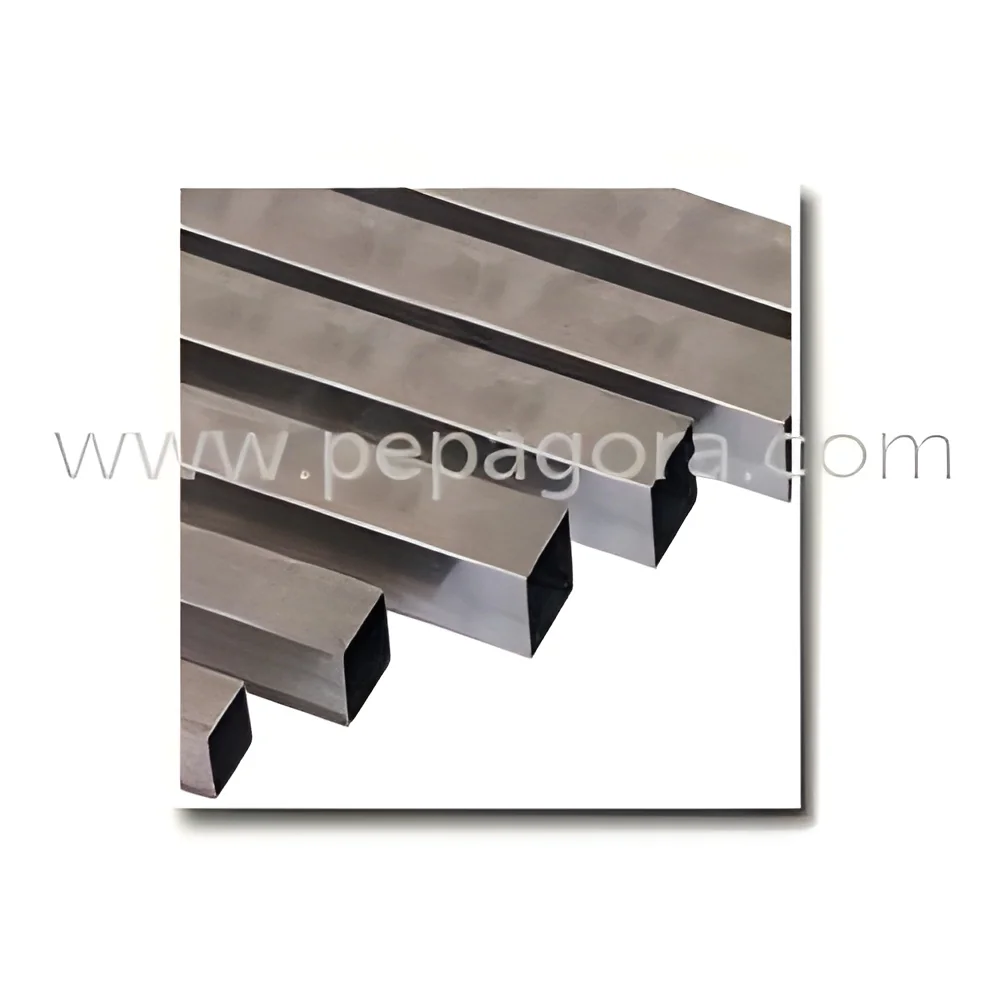
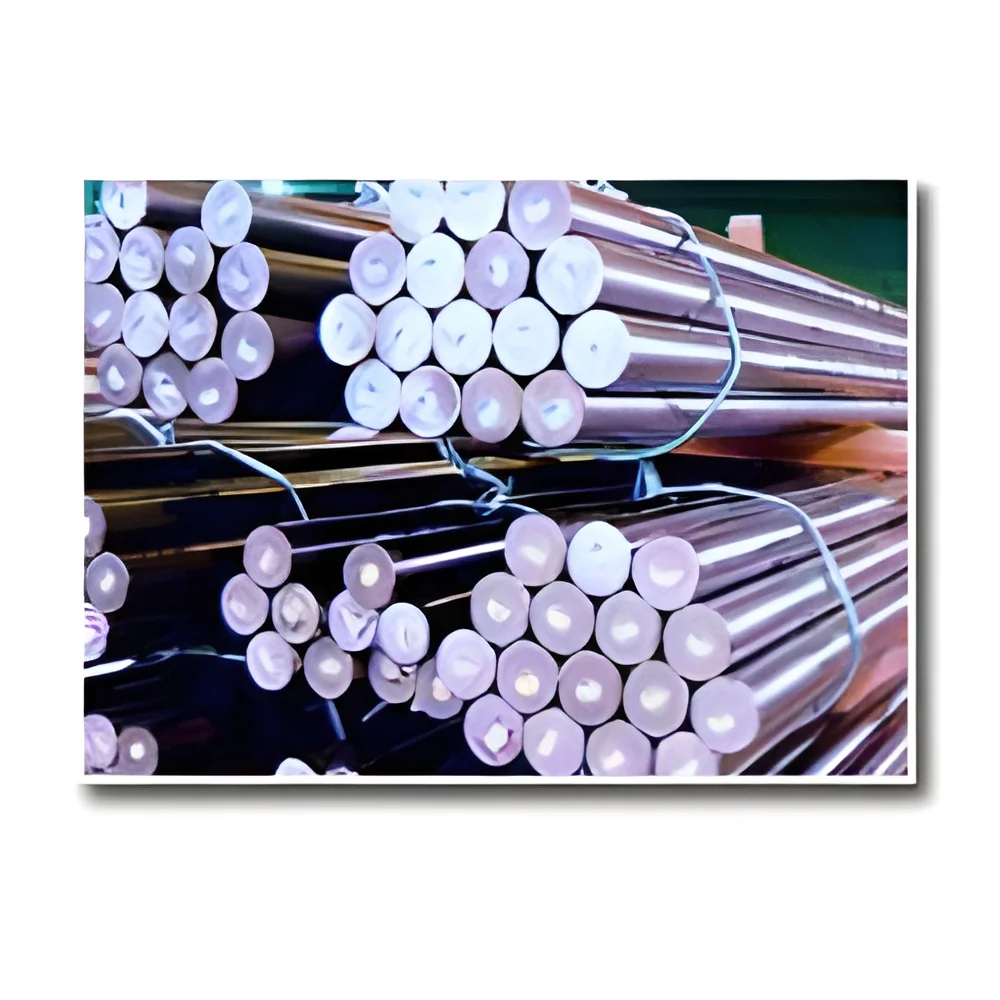
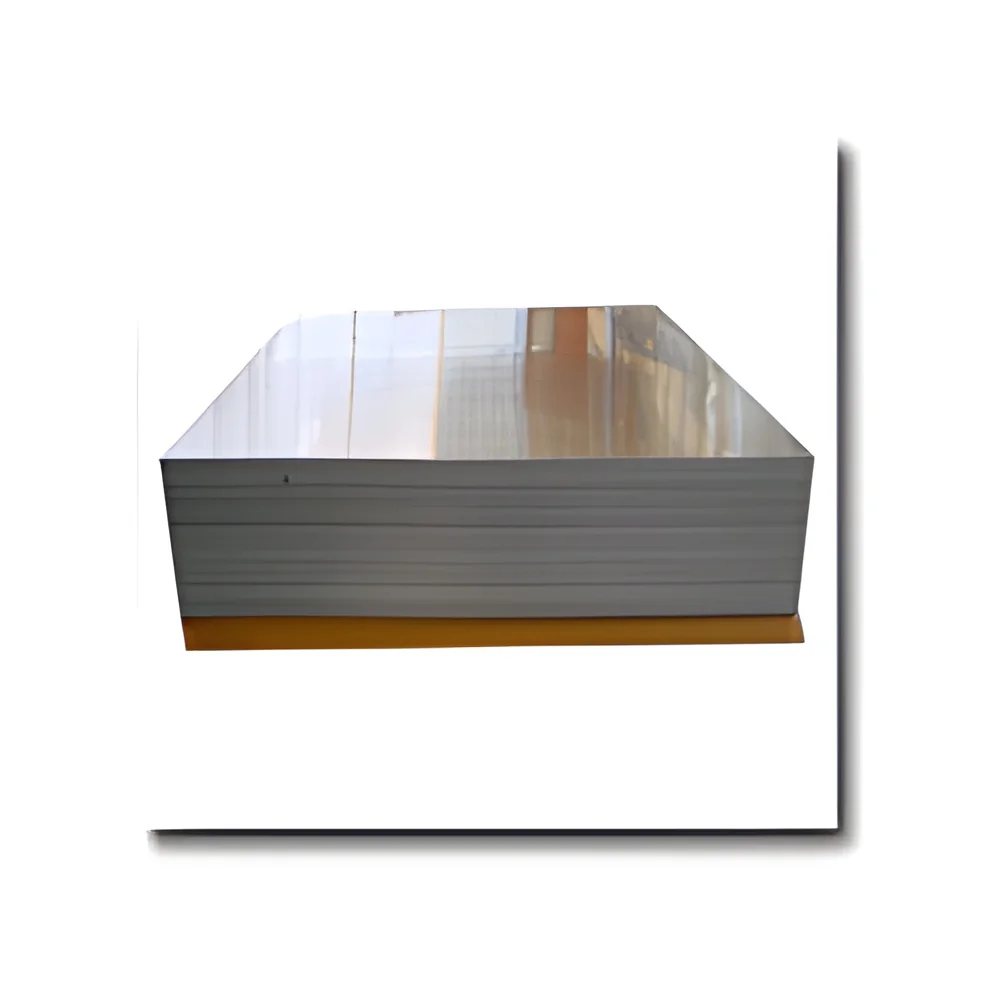
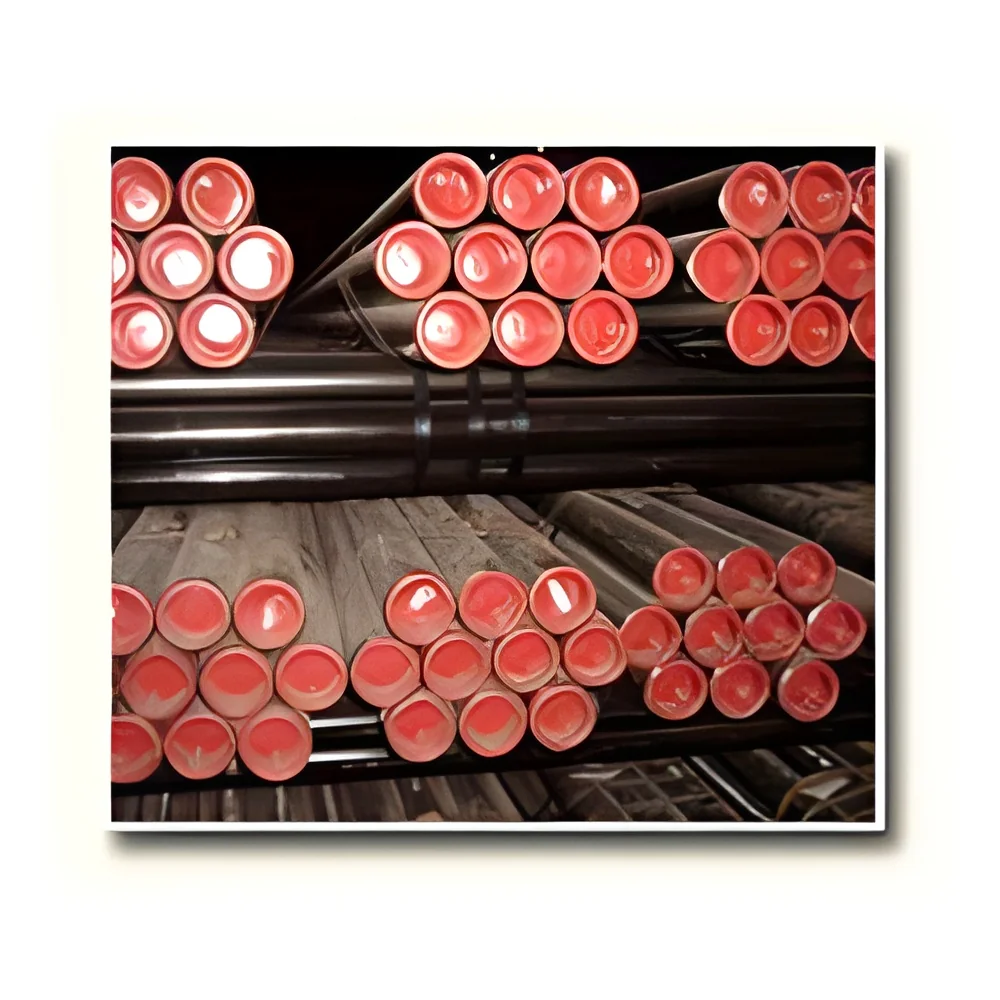
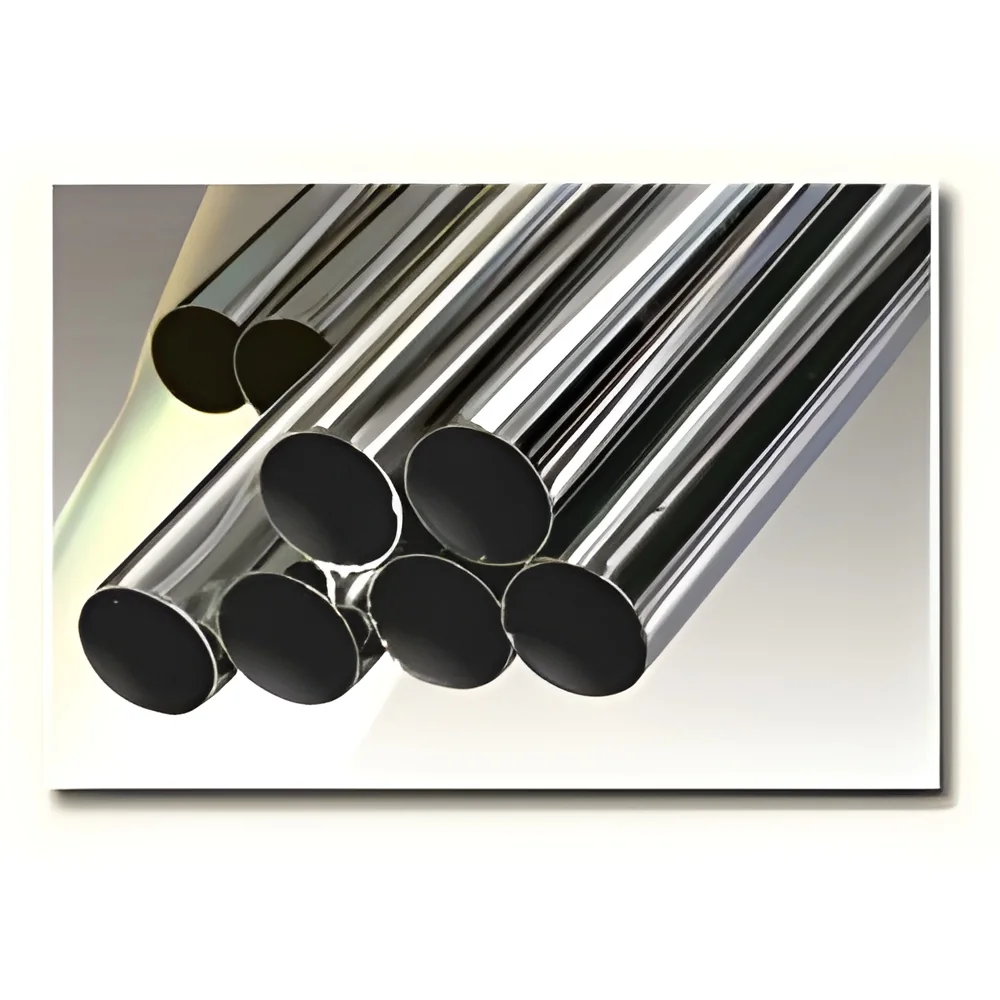
Industrial Nickel Ferro Alloys represent specialized metallurgical materials engineered specifically for enhancing steel properties during production. These precisely formulated alloys introduce controlled amounts of nickel and ferro compounds into molten steel, fundamentally altering its microstructure to achieve desired mechanical characteristics. The manufacturing process emphasizes consistency in chemical composition, particle size distribution, and purity levels to ensure predictable results in steelmaking operations. This reliability makes them essential for producers who require uniform material inputs to maintain quality standards across production batches while minimizing variability in finished steel products.

Multiple industrial sectors depend on nickel ferro alloys to manufacture components that meet specific performance requirements. Automotive manufacturers utilize these alloys to produce high-strength steel for safety-critical parts like chassis components and suspensio...
Industrial Nickel Ferro Alloys represent specialized metallurgical materials engineered specifically for enhancing steel properties during production. These precisely formulated alloys introduce controlled amounts of nickel and ferro compounds into molten steel, fundamentally altering its microstructure to achieve desired mechanical characteristics. The manufacturing process emphasizes consistency in chemical composition, particle size distribution, and purity levels to ensure predictable results in steelmaking operations. This reliability makes them essential for producers who require uniform material inputs to maintain quality standards across production batches while minimizing variability in finished steel products.

Multiple industrial sectors depend on nickel ferro alloys to manufacture components that meet specific performance requirements. Automotive manufacturers utilize these alloys to produce high-strength steel for safety-critical parts like chassis components and suspension systems that must withstand impact forces. Construction companies specify alloy-enhanced steel for structural applications in bridges, buildings, and infrastructure projects where corrosion resistance and load-bearing capacity determine project longevity. Energy sector applications include power generation equipment, pipelines, and renewable energy installations where materials must maintain integrity under extreme temperature and pressure conditions while resisting environmental degradation.

The value proposition extends beyond material specifications to encompass supply chain reliability and technical consistency. Manufacturers benefit from predictable alloy performance that reduces production variables and minimizes quality control issues during steelmaking. Consistent chemical composition across shipments ensures stable metallurgical outcomes, allowing precise control over final steel properties without unexpected variations. This reliability translates to fewer production interruptions, reduced material waste, and optimized manufacturing processes. Long-term supply relationships provide stability in material availability and pricing, enabling better production planning and inventory management for steel producers.

Key Features:
- Precisely controlled chemical composition meeting international steelmaking standards
- Consistent quality and performance across all production batches and shipments
- Optimized particle size distribution for efficient dissolution in molten steel
- Multiple grade options tailored to specific steel production requirements
- Rigorous quality verification through comprehensive testing protocols

Benefits:
- Enhanced steel properties including improved strength and corrosion resistance
- Reduced production variability through consistent alloy performance
- Optimized steelmaking processes with predictable metallurgical outcomes
- Lower rejection rates and material waste during manufacturing
- Reliable supply chain supporting uninterrupted production schedules
Specifications
| Additional Information | |
|---|---|
| Country of Origin | India |
Application
Nickel Ferro Alloys are fundamental alloying elements that transform base steel into high-performance materials. By introducing precise amounts of nickel and ferro compounds, manufacturers achieve enhanced mechanical properties including superior tensile strength, improved corrosion resistance, and better temperature stability. This allows production of specialized steel grades that meet exacting specifications for critical industrial components where failure is not an option.
These alloys serve as essential inputs across heavy industries that rely on advanced metallurgy. From automotive manufacturing requiring durable engine parts to construction projects needing long-lasting structural steel, nickel ferro alloys provide the material enhancements necessary for modern engineering challenges. Their consistent performance makes them indispensable for producing everything from industrial machinery to energy infrastructure, ensuring components withstand operational stresses while maintaining integrity over extended service life.
- Manufacturing corrosion-resistant stainless steel for chemical processing equipment
- Producing high-strength alloy steel for automotive chassis and safety components
- Creating heat-resistant steels for power generation turbines and exhaust systems
- Fabricating structural steel with enhanced durability for bridges and high-rise buildings
- Developing specialized tool steels for heavy machinery and industrial cutting tools
Trade Details
| Available Stock | In Stock |
| Sample Availability | No |
Payment Terms
| Payment Terms |
|
Company Profile
Balaji Trade Centre, West Bengal
 West Bengal, India
West Bengal, IndiaRaw Materials & Chemicals•Trading Company•Distributor / Wholesaler•Importer / Exporter
Factory Details
Factory SizeBelow 1000 sqm
Annual Production Capacity0
Industrial Nickel Ferro Alloys For Steel Production Manufacturing
Industrial Nickel Ferro Alloys for steel production manufacturing provide high-quality, reliable alloying materials that enhance strength and corrosion resistance in specialized steel grades for demanding industrial applications.
Min. Order Quantity: 1 unit
Shipping
Shipping fee and delivery date to be negotiated. Contact supplier now for more details.
Balaji Trade Centre
 West Bengal, India
West Bengal, IndiaRaw Materials & ChemicalsTrading Company