IN
IN₹
Apparel & Fashion
Description
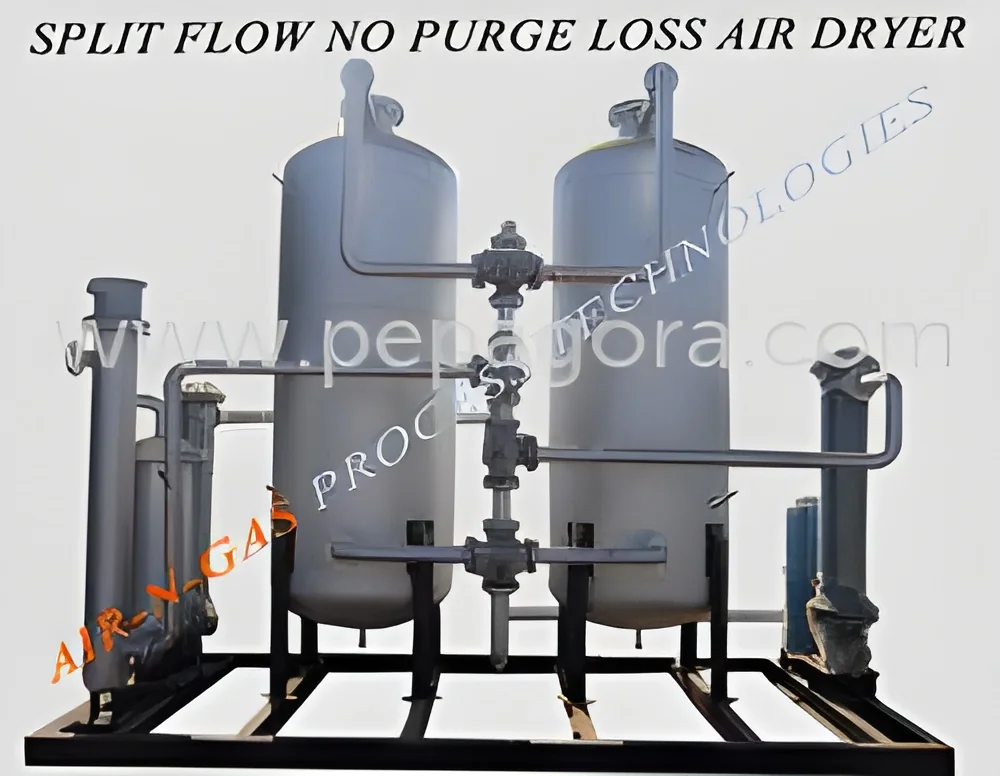
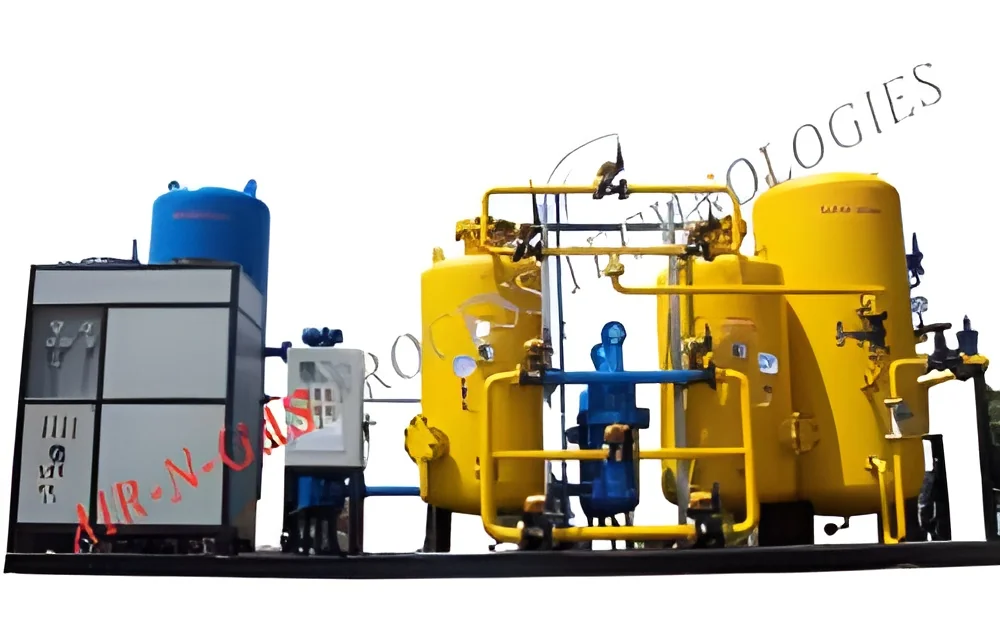
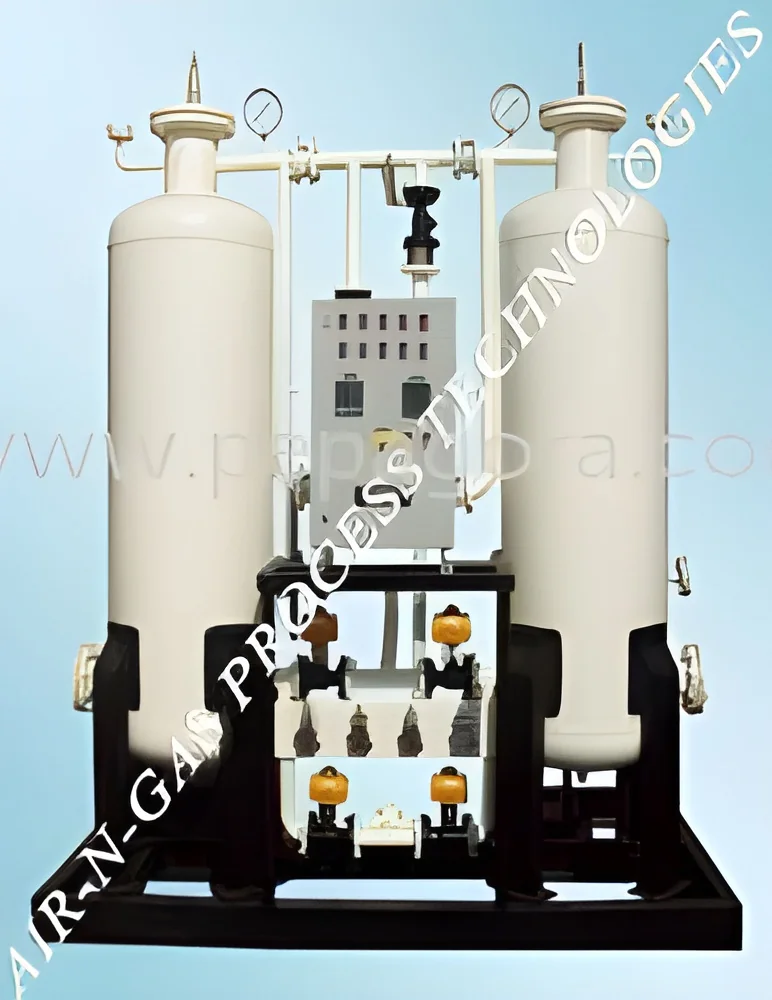
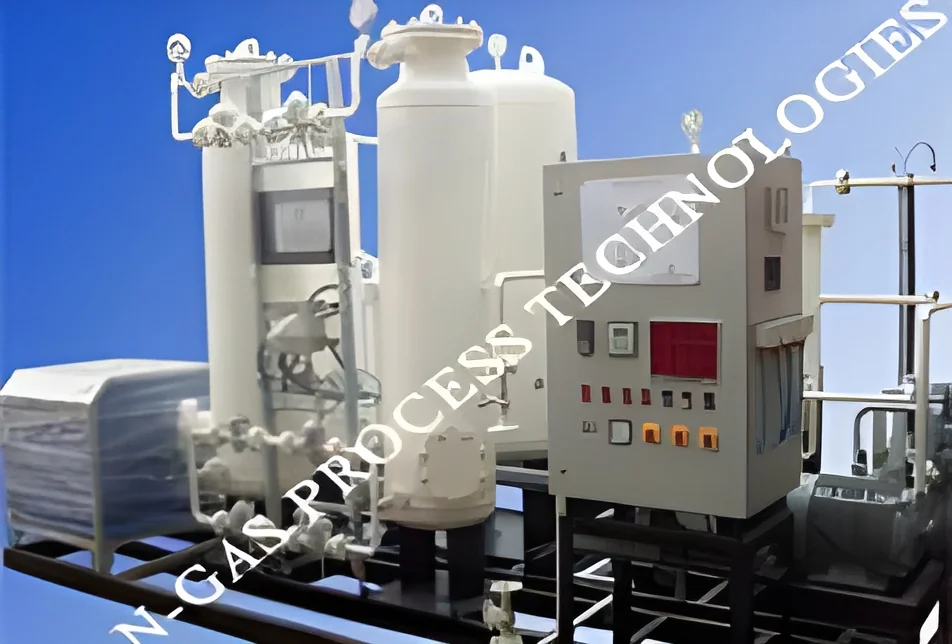
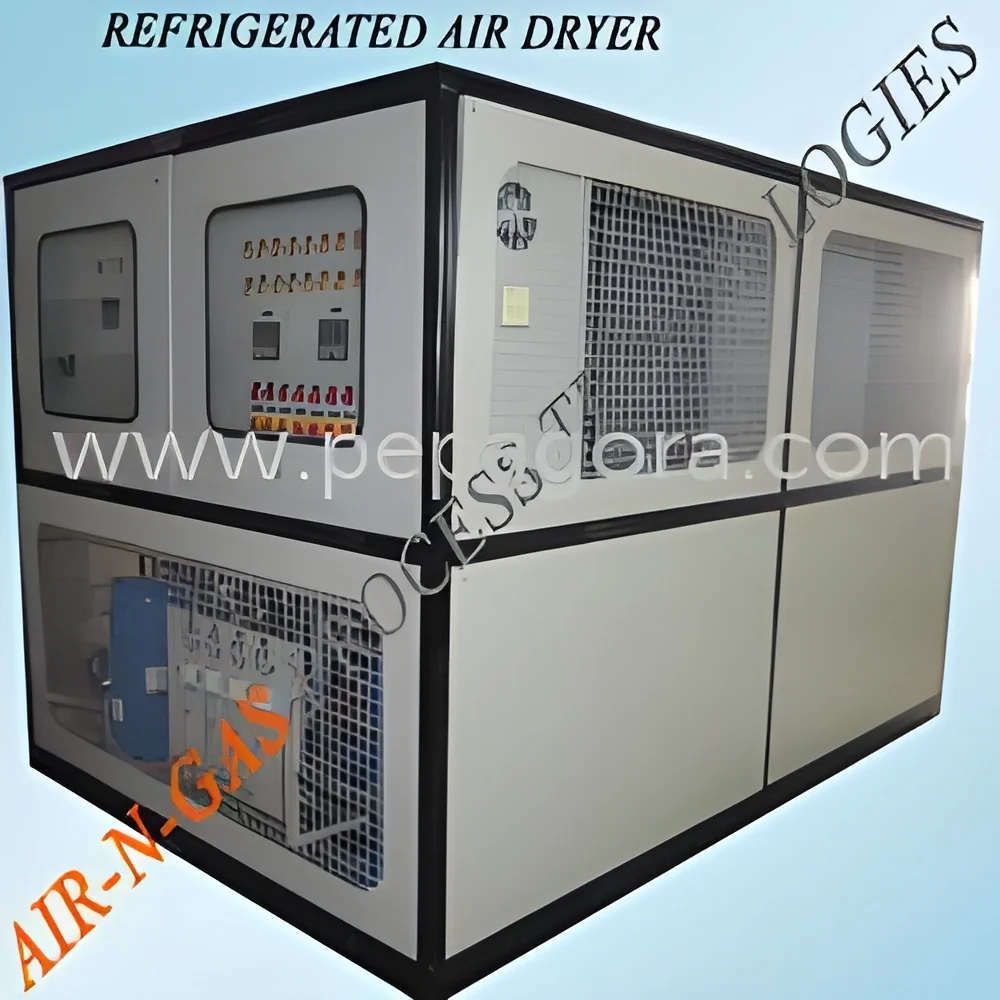
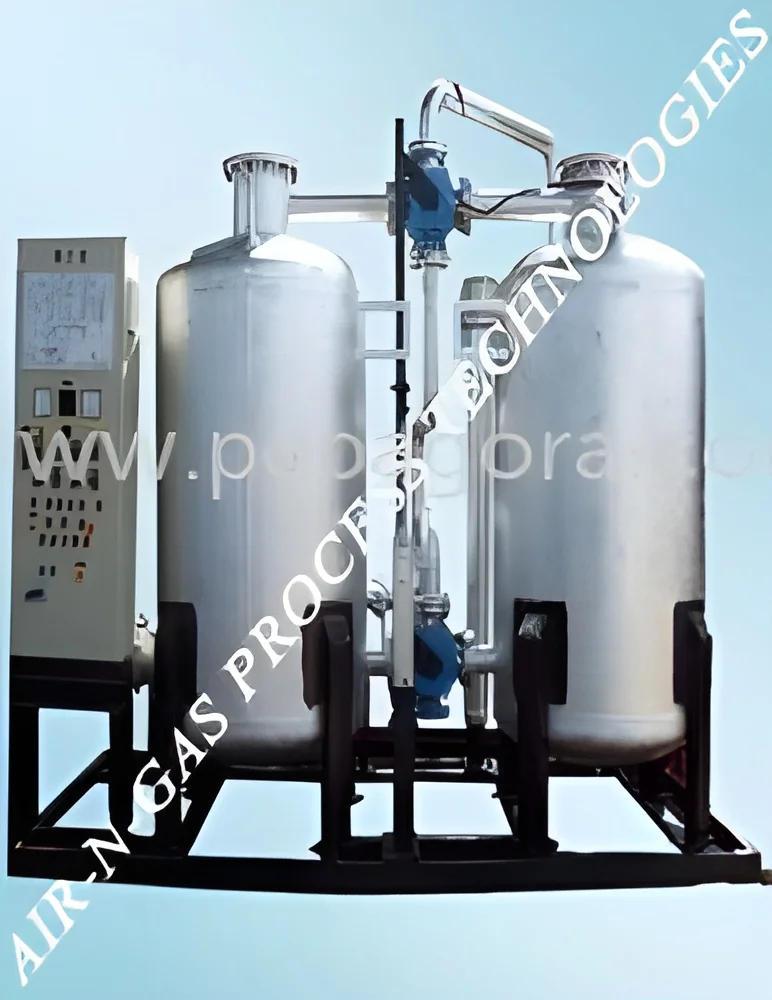
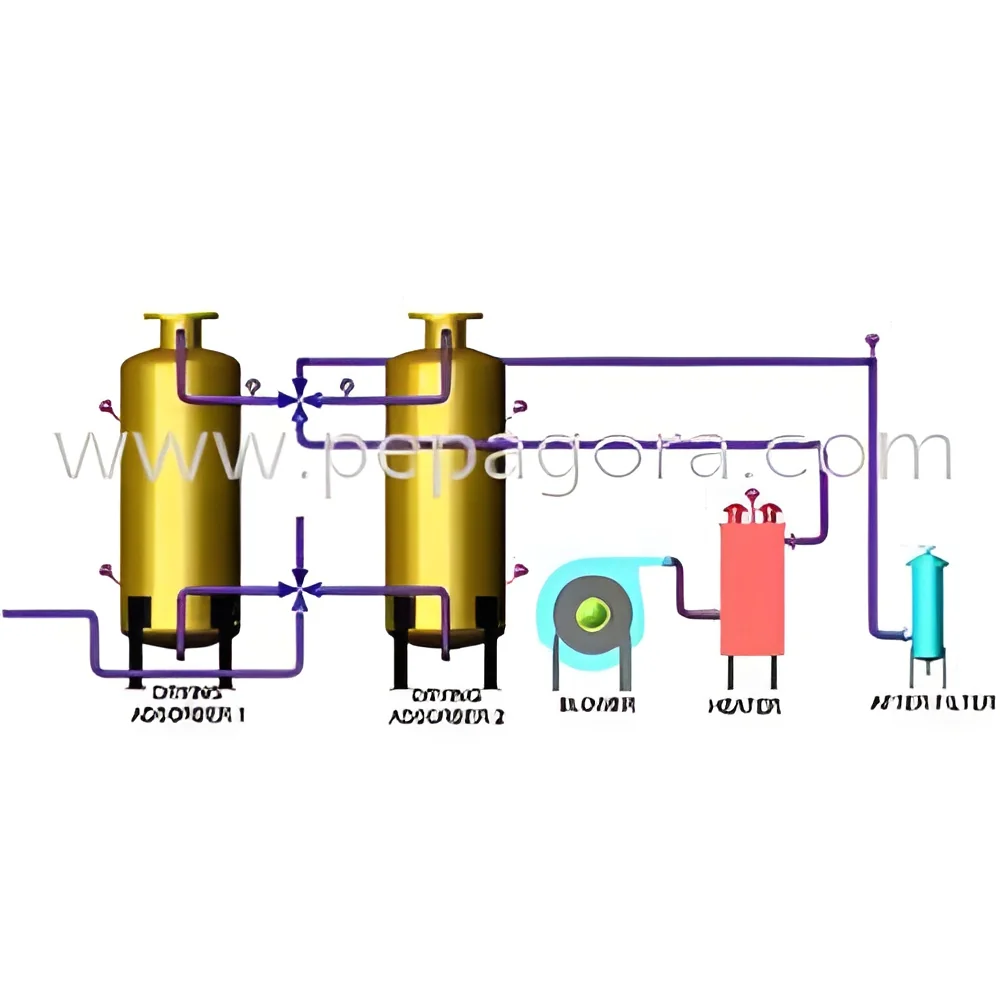
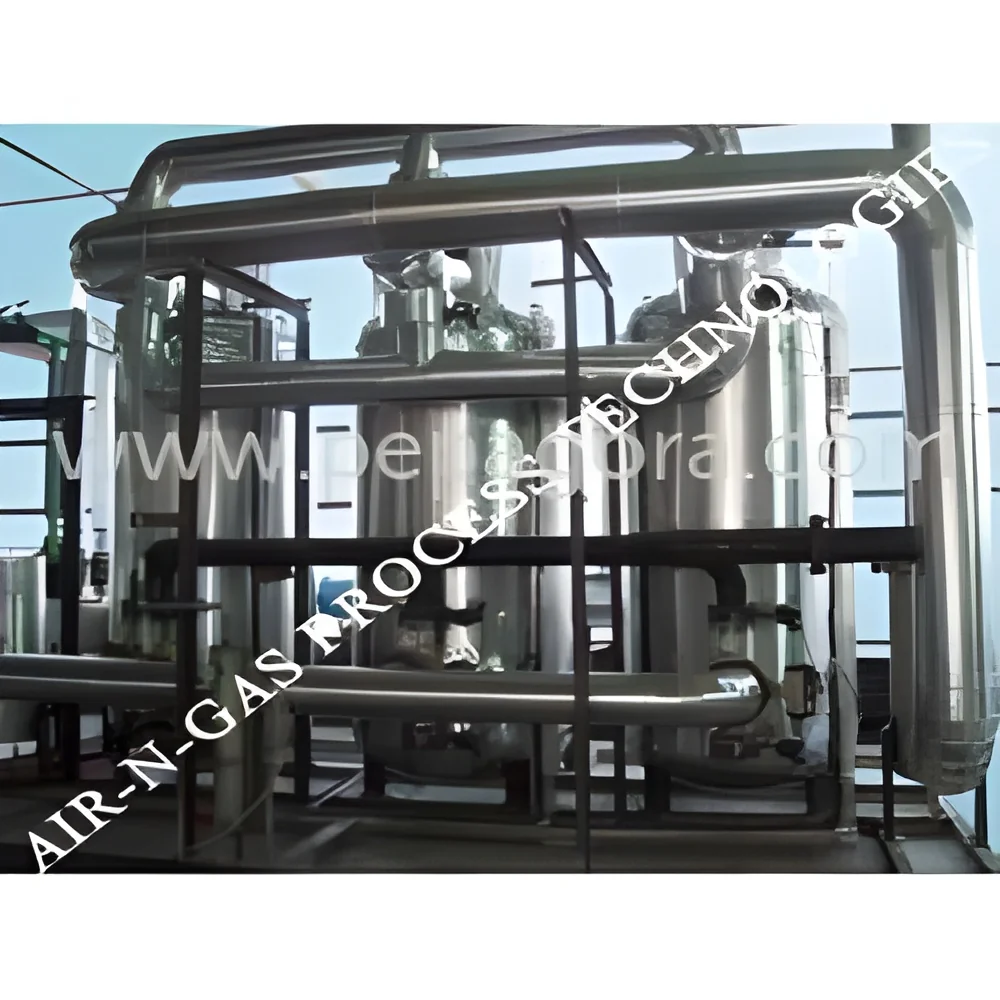
The Industrial Low Pressure Air Dryer with a three-tower design represents a significant advancement in reliable moisture removal technology for industrial compressed air systems. This system operates on a continuous cycle, where two towers actively dry the compressed air while the third undergoes regeneration, ensuring an uninterrupted supply of dry air—a critical feature for processes that cannot tolerate shutdowns. Engineered for low-pressure operation, it significantly reduces energy consumption compared to conventional dryers, delivering substantial operational cost savings. The unit is constructed with industrial-grade components for durability in demanding environments and features an intuitive control panel for straightforward pressure adjustment and system monitoring. Its design focuses on delivering consistently low dew points, effectively protecting downstream equipment from the damaging effects of moisture, including corrosion, freezing in lines, and product contamination.
...
The Industrial Low Pressure Air Dryer with a three-tower design represents a significant advancement in reliable moisture removal technology for industrial compressed air systems. This system operates on a continuous cycle, where two towers actively dry the compressed air while the third undergoes regeneration, ensuring an uninterrupted supply of dry air—a critical feature for processes that cannot tolerate shutdowns. Engineered for low-pressure operation, it significantly reduces energy consumption compared to conventional dryers, delivering substantial operational cost savings. The unit is constructed with industrial-grade components for durability in demanding environments and features an intuitive control panel for straightforward pressure adjustment and system monitoring. Its design focuses on delivering consistently low dew points, effectively protecting downstream equipment from the damaging effects of moisture, including corrosion, freezing in lines, and product contamination.

This air dryer serves as a foundational component across numerous industries where air quality is paramount. In manufacturing and automotive sectors, it safeguards pneumatic machinery, robotic actuators, and painting systems from moisture-induced failure and quality defects. Pharmaceutical and biotechnology facilities rely on its output to maintain the sterile conditions required for production, ensuring compliance with Good Manufacturing Practices (GMP). Within the chemical and petrochemical industries, it provides dry instrument air for control valves and analyzers, where moisture can lead to costly inaccuracies and safety risks. The food and beverage industry utilizes it to maintain dry air in packaging and processing, directly impacting product shelf life and safety. Its robust performance also makes it suitable for electronics manufacturing, textile production, and any application where clean, dry compressed air is a utility for quality and efficiency.

Investing in this Three Tower Low Pressure Air Dryer delivers clear business value through enhanced operational reliability and reduced total cost of ownership. Its energy-efficient design directly lowers electricity expenses, while the continuous operation model maximizes production uptime by eliminating moisture-related stoppages. The system's inherent reliability minimizes unplanned maintenance and extends the lifespan of connected tools and equipment, protecting capital investments. The durable construction ensures long service life with minimal intervention, reducing long-term operational complexity. By providing a consistent source of high-quality dry air, it enhances overall process stability, improves end-product quality, and reduces waste, making it a strategic asset for businesses focused on efficiency and reliability.

Key Features:
- Continuous three-tower design ensures non-stop drying operation with zero downtime for regeneration.
- Optimized for low-pressure operation to maximize energy efficiency and reduce operating costs.
- Industrial-grade construction with durable components built for harsh environments and long service life.
- Equipped with a high-capacity desiccant bed for effective moisture adsorption and consistent low dew point delivery.
- User-friendly control interface allows for easy monitoring of system status and adjustment of operational parameters.

Benefits:
- Guarantees an uninterrupted supply of dry air, preventing production halts and protecting sensitive downstream equipment from moisture damage.
- Significantly reduces energy consumption compared to standard dryers, leading to measurable cost savings on utility bills.
- Built with robust materials for reliable performance in demanding conditions, minimizing repair needs and downtime.
- Effectively removes water vapor, preventing corrosion in air lines, freezing in winter, and contamination in end products.
- Simple to operate and integrate into existing compressed air systems, reducing installation time and operator training requirements.
Specifications
| Additional Information | |
|---|---|
| Country of Origin | India |
Application
The Industrial Low Pressure Air Dryer delivers critical moisture control for industrial compressed air systems where reliability is non-negotiable. Its robust three-tower configuration ensures continuous operation, eliminating downtime during desiccant regeneration. This system effectively strips water vapor, contaminants, and oil aerosols from air lines, protecting sensitive downstream equipment from corrosion and malfunction. The low-pressure design optimizes energy use without sacrificing drying performance, making it a cost-effective solution for round-the-clock industrial operations.
This versatile dryer is engineered for sectors where air purity directly impacts product quality and process integrity. It seamlessly integrates into existing compressed air networks, providing a dependable source of dry air. The unit's adaptability and consistent output make it indispensable for environments with stringent air quality requirements, from sterile production zones to precision manufacturing floors. Its design prioritizes operational simplicity and long-term reliability, supporting critical infrastructure across diverse industrial landscapes.
- Ensuring moisture-free compressed air for pneumatic control systems and tools in automotive assembly plants, preventing rust and ensuring consistent tool operation.
- Providing ultra-dry, contaminant-free air for pharmaceutical manufacturing processes, including tablet coating and packaging, to meet strict regulatory standards.
- Protecting sensitive instrumentation and analytical equipment in chemical processing facilities from corrosion and inaccurate readings caused by wet air.
- Maintaining dry air in food and beverage packaging lines to prevent spoilage, preserve product freshness, and extend shelf life.
- Supplying clean, dry air to textile and fiber manufacturing processes to prevent moisture-related defects and ensure consistent product quality.
Trade Details
| Available Stock | In Stock |
| Sample Availability | No |
Payment Terms
| Payment Terms |
|
Company Profile
Air- N- Gas Process Technologies, Gujarat
 Gujarat, India
Gujarat, IndiaIndustrial Equipment & Machinery•Manufacturer•Trading Company•Importer / Exporter
Factory Details
Factory SizeBelow 1000 sqm
Annual Production Capacity0
Industrial Low Pressure Air Dryer Three Tower Moisture Removal
Industrial Low Pressure Air Dryer with three-tower design ensures reliable moisture removal for compressed air systems. Energy-efficient operation suitable for manufacturing, pharmaceuticals, and automotive applications. Built for durability and consistent performance.
Min. Order Quantity: 1 unit
Shipping
Shipping fee and delivery date to be negotiated. Contact supplier now for more details.
Air- N- Gas Process Technologies
 Gujarat, India
Gujarat, IndiaIndustrial Equipment & MachineryManufacturer