IN
IN₹
Apparel & Fashion
Description
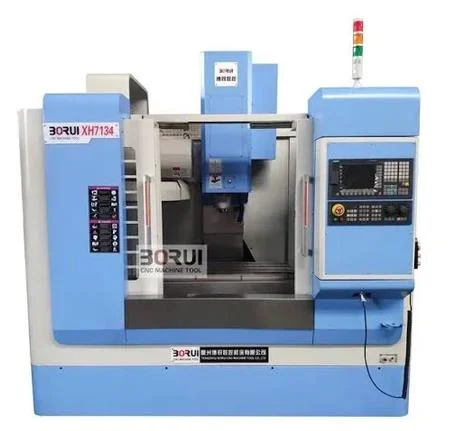
CNC Milling Machines represent advanced manufacturing technology designed for precision metalworking operations. These machines utilize computer numerical control systems to execute complex machining tasks with exceptional accuracy and repeatability. Built with rigid frames and high-performance spindles, they maintain dimensional stability during demanding operations. The sophisticated control interfaces allow operators to program intricate cutting paths, drilling patterns, and shaping operations, transforming digital designs into physical components with minimal manual intervention. This technology bridges the gap between design specifications and finished products, ensuring every manufactured part meets exact requirements.

These precision machines serve critical roles across multiple industrial sectors where accuracy and reliability are paramount. In aerospace manufacturing, they produce components with tight tolerances for aircraft systems and engines. Automotive industries utilize...
CNC Milling Machines represent advanced manufacturing technology designed for precision metalworking operations. These machines utilize computer numerical control systems to execute complex machining tasks with exceptional accuracy and repeatability. Built with rigid frames and high-performance spindles, they maintain dimensional stability during demanding operations. The sophisticated control interfaces allow operators to program intricate cutting paths, drilling patterns, and shaping operations, transforming digital designs into physical components with minimal manual intervention. This technology bridges the gap between design specifications and finished products, ensuring every manufactured part meets exact requirements.

These precision machines serve critical roles across multiple industrial sectors where accuracy and reliability are paramount. In aerospace manufacturing, they produce components with tight tolerances for aircraft systems and engines. Automotive industries utilize them for creating engine parts, transmission components, and specialized fittings. Industrial equipment manufacturers rely on these machines for producing machinery components, while the medical sector employs them for creating precise surgical instruments and device parts. The versatility extends to electronics manufacturing, where they create enclosures and specialized hardware, demonstrating their broad applicability across modern manufacturing environments.

The business value of CNC Milling Machines lies in their ability to deliver consistent quality while optimizing production efficiency. These machines reduce material waste through precise cutting operations and minimize rework through accurate first-time machining. Their reliability ensures uninterrupted production schedules, while the precision capabilities reduce quality control requirements. The technology enables manufacturers to handle complex designs that would be impractical with conventional methods, opening opportunities for innovative product development. This combination of precision, efficiency, and versatility makes these machines valuable assets for operations focused on quality manufacturing and competitive production capabilities.

Key Features:
- Advanced CNC control systems for precise operation programming
- Rigid machine frames ensuring stability during high-speed machining
- High-performance spindles supporting various cutting tools and operations
- Multi-axis motion control for complex three-dimensional machining
- Compatibility with diverse materials including metals and engineering alloys

Benefits:
- Consistent dimensional accuracy across production batches
- Reduced material waste through optimized cutting operations
- Enhanced production efficiency with automated machining processes
- Capability to produce complex geometries not possible with manual methods
- Reliable performance ensuring minimal downtime and maintenance requirements
Specifications
| Additional Information | |
|---|---|
| Country of Origin | India |
Application
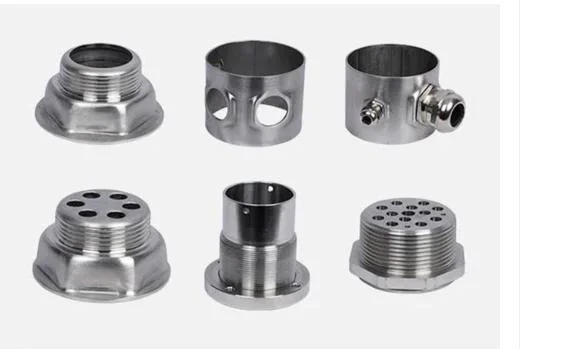
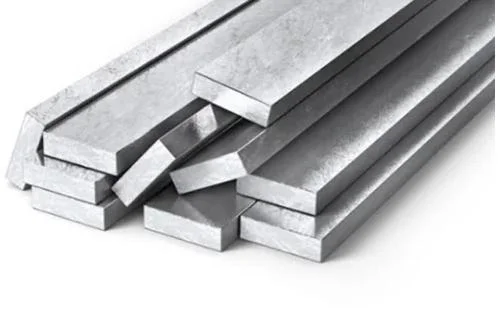
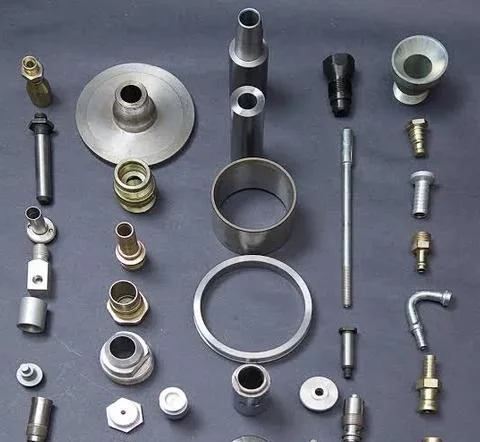
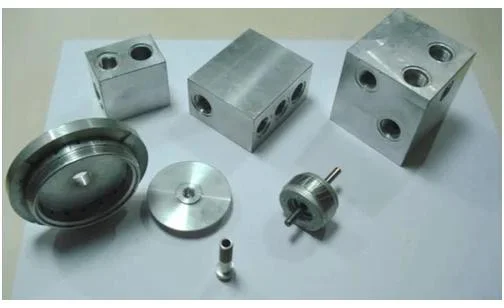
CNC Milling Machines excel in producing intricate metal components with tight tolerances, making them essential for industries requiring precision engineering. Their versatility allows handling various materials including stainless steel, aluminum, and engineering alloys for diverse manufacturing needs.
These machines support both prototyping and batch production workflows, enabling seamless transition from design to finished parts. Advanced CNC programming facilitates complex geometries and repeatable operations, ensuring consistent quality across production runs.
Real-world applications:
- Manufacturing precision components for aerospace and automotive industries
- Creating molds, dies, and tooling for industrial production processes
- Producing custom parts for machinery and equipment manufacturing
- Fabricating specialized components for medical device production
- Developing prototypes and low-volume production runs for engineering projects
Trade Details
| Available Stock | In Stock |
| Sample Availability | No |
Payment Terms
| Payment Terms |
|
| Payment Methods |
|
Company Profile
Ganapathy Machining Centre, Tamil Nadu
 Tamil Nadu, India
Tamil Nadu, IndiaIndustrial Equipment & Machinery•Manufacturer
Factory Details
Factory SizeBelow 1000 sqm
High Precision CNC Milling Machine For Metal Machining & Engineering
CNC Milling Machine delivers high-precision metal machining with consistent accuracy and surface finish using advanced CNC controls for cutting, drilling, and shaping operations.
Min. Order Quantity: 1 ton
Shipping
Shipping fee and delivery date to be negotiated. Contact supplier now for more details.
Ganapathy Machining Centre
 Tamil Nadu, India
Tamil Nadu, IndiaIndustrial Equipment & MachineryManufacturer