IN
IN₹
Apparel & Fashion
Description
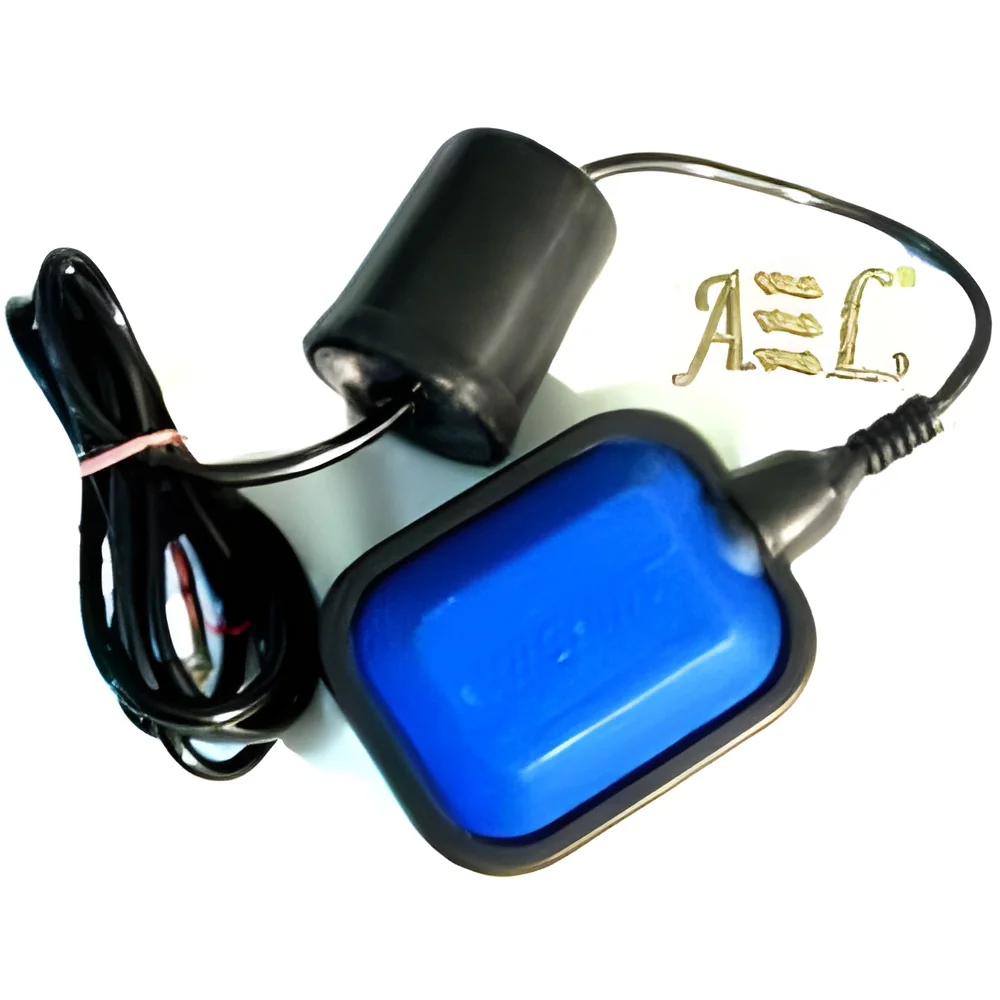
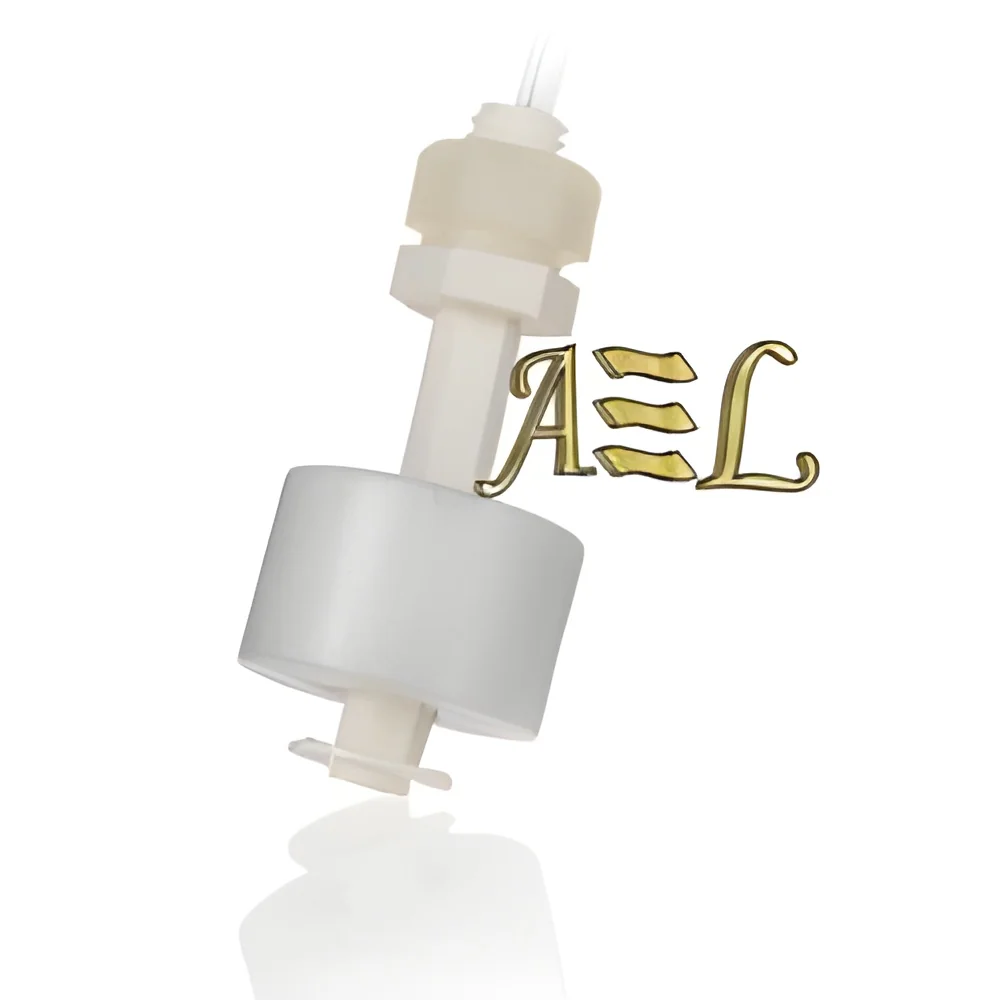
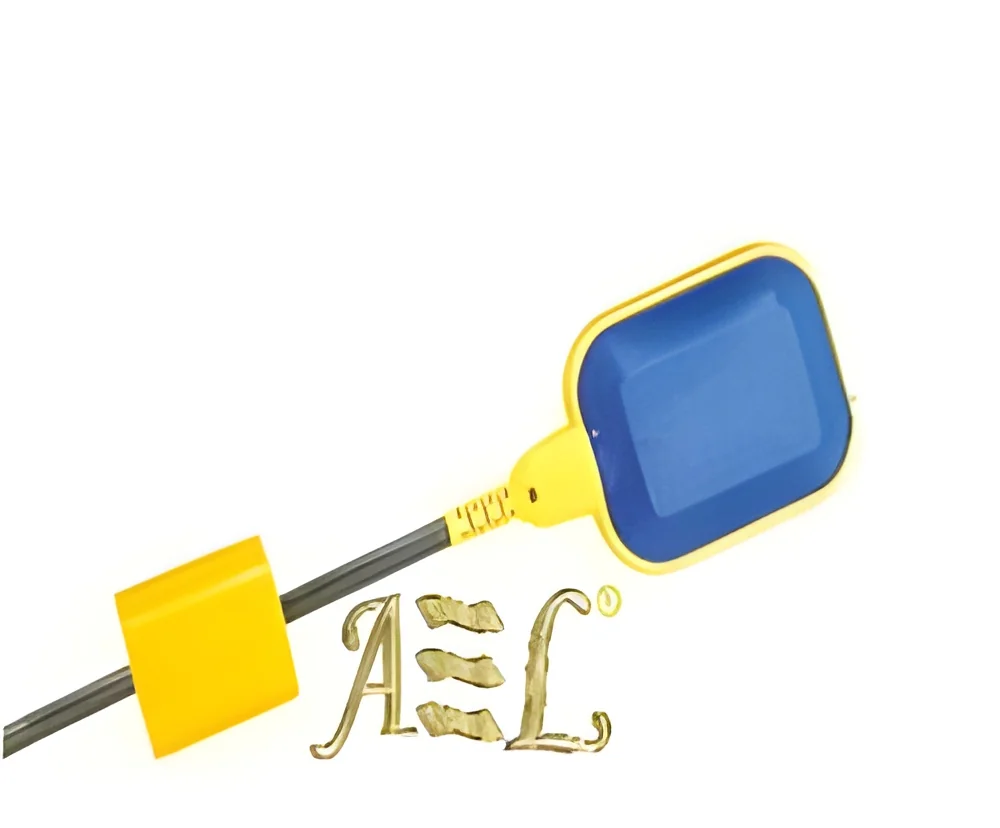
Industrial Liquid Level Monitoring Premium Air Tight Float Sensors represent advanced technology for precise liquid level control in demanding industrial environments. These sensors operate through a reliable float mechanism that triggers without direct contact between electrical components and the liquid medium. The completely sealed construction ensures no air or water penetration, making them ideal for applications where moisture, chemicals, or environmental factors would compromise conventional sensors. This innovative approach eliminates common issues like corrosion, scaling, and contamination while providing maintenance-free operation and exceptional longevity across diverse industrial settings.

These float sensors serve critical functions across multiple industries including manufacturing, water treatment, chemical processing, agricultural operations, and commercial infrastructure. Water treatment facilities utilize them for reservoir level monitoring and pump control operation...
Industrial Liquid Level Monitoring Premium Air Tight Float Sensors represent advanced technology for precise liquid level control in demanding industrial environments. These sensors operate through a reliable float mechanism that triggers without direct contact between electrical components and the liquid medium. The completely sealed construction ensures no air or water penetration, making them ideal for applications where moisture, chemicals, or environmental factors would compromise conventional sensors. This innovative approach eliminates common issues like corrosion, scaling, and contamination while providing maintenance-free operation and exceptional longevity across diverse industrial settings.

These float sensors serve critical functions across multiple industries including manufacturing, water treatment, chemical processing, agricultural operations, and commercial infrastructure. Water treatment facilities utilize them for reservoir level monitoring and pump control operations. Manufacturing plants depend on them for coolant level management in machinery and equipment. Chemical processing units benefit from their corrosion-resistant properties for accurate tank level monitoring. The food processing industry values their hygienic, non-contact design that prevents product contamination. Commercial buildings implement them in basement sump pumps and water storage systems to ensure automatic operation and prevent flooding incidents.

The operational value of these air tight float sensors extends beyond technical specifications to deliver measurable business benefits and cost savings. Their non-contact design significantly reduces maintenance requirements and eliminates frequent replacements due to corrosion or scaling damage. The robust construction ensures consistent performance without the frequent failures associated with traditional contact-based sensors, reducing production downtime. Manufacturers benefit from extended service life and low maintenance requirements that translate to significantly lower total cost of ownership. These reliability advantages make them a strategic investment for operations focused on efficiency, safety, and long-term operational consistency.

Key Features:
- Completely sealed construction prevents air and water penetration
- Non-contact operation eliminates sensor corrosion and scaling
- Durable materials withstand harsh industrial environments
- Precise level monitoring with reliable float mechanism
- Simple installation and integration with existing control systems

Benefits:
- Reduced maintenance requirements and operational costs
- Extended service life in demanding industrial conditions
- Consistent performance without frequent sensor failures
- Prevention of contamination in sensitive applications
- Lower total cost of ownership through reliability
Specifications
| Additional Information | |
|---|---|
| Country of Origin | India |
Application
These premium air tight float sensors deliver precise liquid level monitoring across demanding industrial environments. Their completely sealed construction prevents medium contact, ensuring reliable operation in corrosive, high-moisture conditions where traditional sensors fail. The robust design maintains accuracy while eliminating maintenance needs in challenging applications from chemical processing to water management systems.
Manufacturing plants, water treatment facilities, and processing industries depend on these sensors for critical level control operations. Their versatility allows seamless integration into both new installations and existing infrastructure without complex modifications. The durable construction withstands harsh chemicals, temperature variations, and continuous operation while providing consistent performance that reduces downtime and maintenance costs across diverse industrial settings.
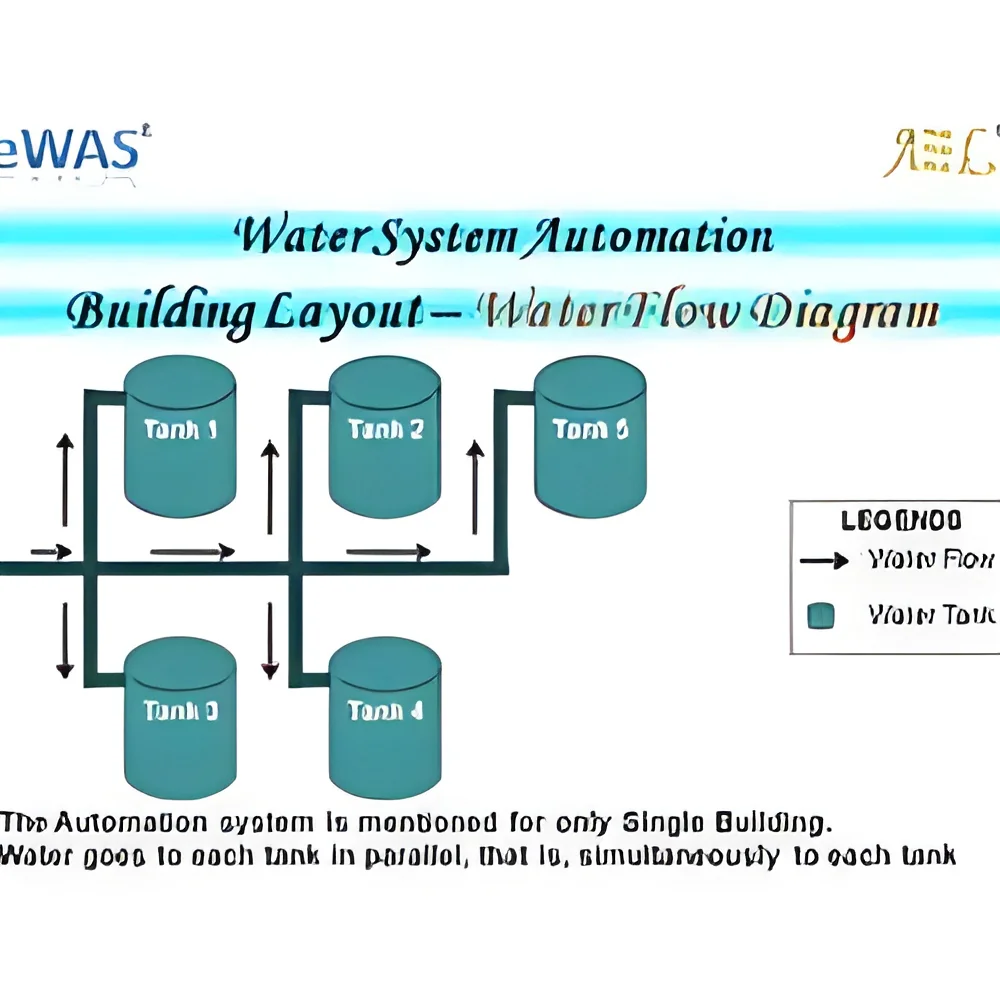
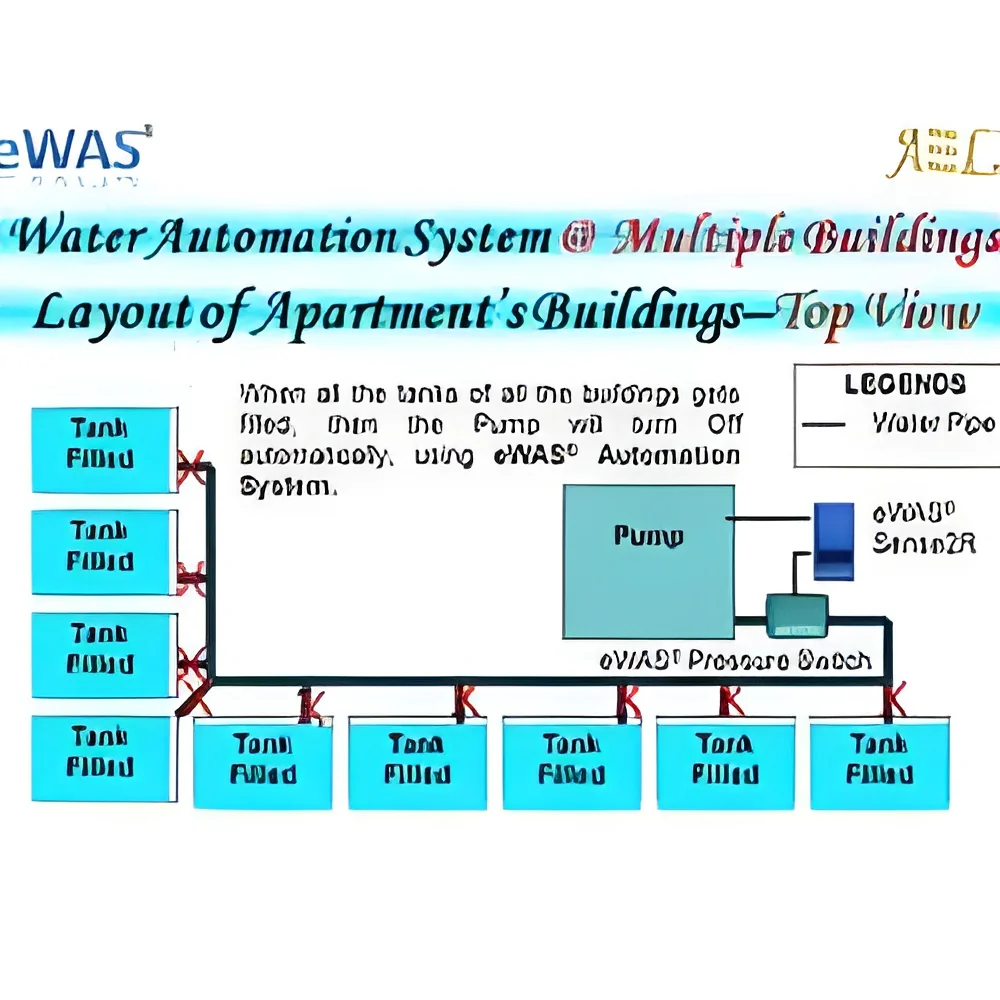
- Water storage tank level monitoring and pump control automation
- Sump pump activation systems for basement and industrial drainage
- Coolant level management in manufacturing and machining equipment
- Chemical processing tank level monitoring and control systems
- Agricultural irrigation system water level management and automation
Trade Details
| Available Stock | In Stock |
| Sample Availability | No |
Payment Terms
| Payment Terms |
|
Company Profile
Attri Enterprises Limited, New Delhi
 New Delhi, India
New Delhi, IndiaManufacturer•Distributor / Wholesaler•Retailer
Factory Details
Factory SizeBelow 1000 sqm
Annual Production Capacity0
Main Markets
North America
South America
Mid East
Southern Europe
South Asia
Southeast Asia
Industrial Liquid Level Monitoring Premium Air Tight Float Sensors
Industrial Liquid Level Monitoring Premium Air Tight Float Sensors provide precise liquid level control in water tanks, sumps, and processing systems with durable, corrosion-resistant construction for reliable industrial performance.
Min. Order Quantity: 1 unit
Shipping
Shipping fee and delivery date to be negotiated. Contact supplier now for more details.
Attri Enterprises Limited
 New Delhi, India
New Delhi, IndiaManufacturer