
 IN
Interior & Exterior Design Planning
1 products available
What are Interior & Exterior Design Planning?
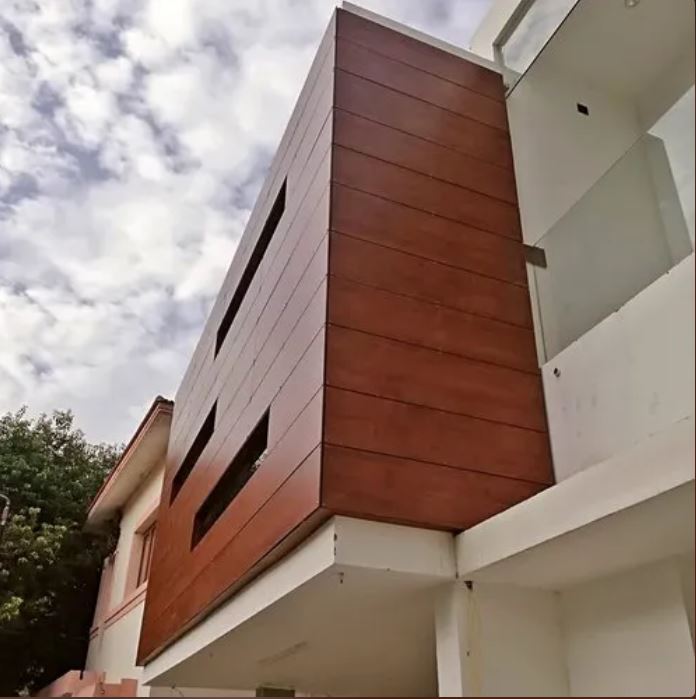
Interior and exterior design planning involves the strategic and aesthetic arrangement of spaces both inside and outside buildings. This process encompasses the layout, functionality, and visual appeal of environments, ensuring they meet the needs of users while adhering to design principles. Interior design focuses on elements such as furniture, lighting, and color schemes, while exterior design considers landscaping, facade materials, and overall building aesthetics.
These planning services are essential across various industries, including real estate, hospitality, and retail. Businesses utilize these services to enhance customer experiences, improve functionality, and create appealing environments that attract clients. For instance, effective interior design can boost employee productivity in office spaces, while well-planned exterior designs can enhance the curb appeal of commercial properties. The relevance of interior and exterior design planning continues to grow as businesses recognize the impact of their environments on operational success and brand identity.
Key Features and Specifications
Interior and exterior design planning services offer various features tailored to meet the unique needs of businesses. These services can vary in complexity and scope, depending on the specific requirements of the project.
Key specifications include:
1. Design Concept Development
- Initial creation of design themes and ideas
- Includes sketches, mood boards, and 3D renderings
2. Space Planning
- Strategic allocation of space for functionality and flow
- Consideration of furniture layout, traffic patterns, and accessibility
3. Material Selection
- Choosing appropriate materials for durability and aesthetics
- Includes options for flooring, wall finishes, and outdoor elements
4. Compliance with Building Codes
- Ensures designs meet local regulations and safety standards
- Involves knowledge of zoning laws and construction guidelines
5. Lighting Design
- Planning for natural and artificial lighting to enhance ambiance
- Incorporates energy efficiency and design aesthetics
6. Sustainability Considerations
- Focus on eco-friendly materials and practices
- Incorporates energy-efficient systems and waste reduction strategies
7. Project Management
- Coordinating all aspects of the design process
- Includes timelines, budgets, and contractor management
8. Client Collaboration
- Engaging with clients for feedback and adjustments
- Ensures the final design aligns with client vision and goals
In summary, interior and exterior design planning encompasses a range of features that cater to the diverse needs of businesses, ensuring that spaces are functional, appealing, and compliant with regulations.
Common Applications and Use Cases
Interior and exterior design planning is utilized across multiple sectors, each with specific applications.
1. Hospitality: Hotels and restaurants rely on design planning to create inviting atmospheres that enhance guest experiences. Attention to detail in décor and layout can significantly impact customer satisfaction.
2. Retail: Stores use design planning to optimize product placement and create engaging shopping environments. A well-designed space can drive sales and improve customer flow.
3. Corporate Offices: Companies implement design planning to foster productivity and employee well-being. Thoughtful layouts and aesthetic choices can improve morale and efficiency.
4. Residential: Homeowners engage design planning services to create personalized living spaces. This includes everything from layout optimization to selecting finishes that reflect personal style.
5. Education: Schools and universities utilize design planning to create conducive learning environments. This can include classroom layouts, common areas, and outdoor spaces that support student engagement.
6. Healthcare: Hospitals and clinics apply design planning to ensure patient comfort and safety. Effective layouts facilitate smooth operations and enhance the healing environment.
7. Public Spaces: Parks and community centers benefit from design planning to promote accessibility and community engagement. Thoughtful design can enhance usability and enjoyment.
Product Variants and Subcategories
Interior and exterior design planning services can vary significantly based on project scope and specific client needs.
Residential Design Planning
This variant focuses on creating personalized spaces for homes. It involves understanding the client's lifestyle and preferences to optimize functionality and aesthetics.
Commercial Design Planning
This variant caters to businesses looking to enhance their work environments. It includes office layouts, retail spaces, and hospitality designs aimed at maximizing both form and function.
Landscape Design Planning
This variant is dedicated to the outdoor aspects of a property. It involves the design of gardens, parks, and exterior spaces to create inviting and functional outdoor environments.
Benefits and Advantages
The advantages of utilizing interior and exterior design planning are numerous and impactful.
1. Enhanced Aesthetics: Professional design significantly improves the visual appeal of spaces, making them more attractive to clients and visitors.
2. Improved Functionality: Thoughtful planning ensures that spaces are optimized for their intended use, enhancing workflow and usability.
3. Increased Property Value: Well-designed interiors and exteriors can raise the overall value of a property, making it more appealing to potential buyers or tenants.
4. Client Satisfaction: A well-planned environment leads to higher satisfaction levels among clients and employees, fostering loyalty and positive experiences.
5. Sustainability: Incorporating eco-friendly practices in design can reduce environmental impact and appeal to socially conscious consumers.
6. Compliance Assurance: Professional design planning ensures that all aspects of a project meet local building codes and regulations, minimizing legal risks.
Buying Guide for B2B Buyers
When sourcing interior and exterior design planning services, it is essential to consider various factors to ensure a successful partnership.
1. Quality Assessment: Evaluate the quality of previous projects completed by potential service providers. Look for a portfolio that demonstrates a range of design styles and successful implementations.
2. Supplier Verification: Conduct thorough checks on suppliers, including references and reviews from past clients. This helps ensure they have a track record of reliability and professionalism.
3. Pricing and MOQ: Understand the pricing structure and any minimum order quantities that may apply. This information is crucial for budgeting and financial planning.
4. Delivery and Lead Times: Inquire about project timelines and expected delivery dates. Timely execution is critical to meet business objectives.
5. Compliance Requirements: Ensure that the service provider is knowledgeable about local regulations and compliance standards relevant to design projects.
Compliance and Certifications
Interior and exterior design planning must adhere to various quality standards and regulations to ensure safety and functionality. Relevant quality standards include ISO 9001, which focuses on quality management systems, and CE certification that indicates compliance with EU safety, health, and environmental regulations.
Design services should also consider safety and testing requirements relevant to the materials and systems used. Additionally, regional compliance considerations may vary, necessitating awareness of local building codes and zoning laws to ensure all design elements are legally compliant.
Why Source Interior & Exterior Design Planning from Pepagora?
Pepagora offers a reliable platform for sourcing interior and exterior design planning services with several key advantages.
Verified Supplier Network: Our platform connects buyers with a network of verified suppliers who have undergone thorough background checks. This ensures that businesses can source services from reputable providers.
Streamlined RFQ Process: Pepagora simplifies the request for quotation process, allowing businesses to easily compare offers from various suppliers. This efficiency helps buyers make informed decisions.
Trade Assurance and Support: Our trade assurance program protects buyers throughout the sourcing process. We provide support to ensure that all transactions are secure and satisfactory.
Regional Coverage: Pepagora has a strong presence in key markets, including India, the GCC region, and Southeast Asia. This geographic reach enables businesses to find the right design planning services tailored to their specific needs.



Frequently Asked Questions
What are Interior & Exterior Design Planning?
Interior & Exterior Design Planning involves the strategic arrangement and decoration of spaces both inside and outside a building. This includes selecting materials, colors, furniture, and layouts that enhance functionality and aesthetics.
What are the different types of Interior & Exterior Design Planning?
There are various types of Interior & Exterior Design Planning, including residential design, commercial design, landscape design, and sustainable design. Each type focuses on specific needs and environments, ensuring that the design serves its intended purpose effectively.
How do I choose the right Interior & Exterior Design Planning?
Choosing the right Interior & Exterior Design Planning requires assessing your specific needs, budget, and style preferences. It is advisable to review portfolios of potential designers or suppliers and consider their experience and expertise in your desired area.
What are the standard specifications for Interior & Exterior Design Planning?
Standard specifications for Interior & Exterior Design Planning often include material quality, safety standards, and compliance with local regulations. Additionally, designs should align with functional requirements and aesthetic preferences.
What is the price range for Interior & Exterior Design Planning?
The price range for Interior & Exterior Design Planning can vary significantly based on the scope of the project, materials used, and designer fees. Typically, budget considerations can start from a few thousand to several lakhs in Indian currency.
What quality standards apply to Interior & Exterior Design Planning?
Quality standards for Interior & Exterior Design Planning include adherence to safety codes, durability of materials, and overall craftsmanship. It is essential to ensure that all designs meet industry benchmarks to guarantee longevity and performance.
Where can I find Interior & Exterior Design Planning suppliers in India?
You can find Interior & Exterior Design Planning suppliers in India through various online B2B marketplaces, industry trade shows, and local directories. Additionally, websites like Pepagora.com offer a comprehensive list of suppliers and manufacturers in this category.
Can Interior & Exterior Design Planning be customized?
Yes, Interior & Exterior Design Planning can be customized to meet specific client requirements. Customization can include unique design elements, tailored materials, and personalized layouts that reflect the client's vision and functional needs.
What is the typical minimum order quantity for Interior & Exterior Design Planning?
The typical minimum order quantity (MOQ) for Interior & Exterior Design Planning varies by supplier and project type. It is essential to discuss MOQ directly with suppliers, as it can range from small sample orders to larger bulk purchases.
What is the typical lead time for Interior & Exterior Design Planning?
The typical lead time for Interior & Exterior Design Planning projects can range from a few weeks to several months, depending on the complexity and scale of the project. It is advisable to consult with suppliers for estimated timelines based on specific requirements.
Why Businesses Trust Pepagora
Thousands of companies trust Pepagora to source smarter and sell faster
Expand Your Sales Globally

Source Smarter,Grow Faster
