
 IN
Industrial Metal Stockists
46 products available
What are Industrial Metal Stockists?
Industrial metal stockists are specialized suppliers that offer a wide range of metal products and materials to various industries. These stockists maintain extensive inventories of metals such as steel, aluminum, copper, and other alloys, providing businesses with easy access to the raw materials they need for manufacturing and construction. The role of industrial metal stockists is critical in ensuring that companies can obtain these materials efficiently, reducing lead times and enabling them to meet production schedules.
The primary uses of industrial metal stockists span across several sectors including construction, automotive, aerospace, and manufacturing. Businesses rely on these stockists for various applications such as structural components, machinery parts, and fabrication work. By sourcing materials from stockists, companies can benefit from a steady supply of metals tailored to their specific needs. In today's competitive market, the relevance of industrial metal stockists is underscored by their ability to adapt to changing demands and provide high-quality materials that meet industry standards.
Key Features and Specifications
Industrial metal stockists provide a variety of features and specifications that cater to the diverse needs of their clients. These specifications are crucial for ensuring that the materials meet the required standards for different applications. The following are key specifications typically offered by industrial metal stockists:
1. Material Types:
- Availability of various metals such as carbon steel, stainless steel, aluminum, and more.
- Different grades and alloys suited for specific applications.
2. Dimensions and Shapes:
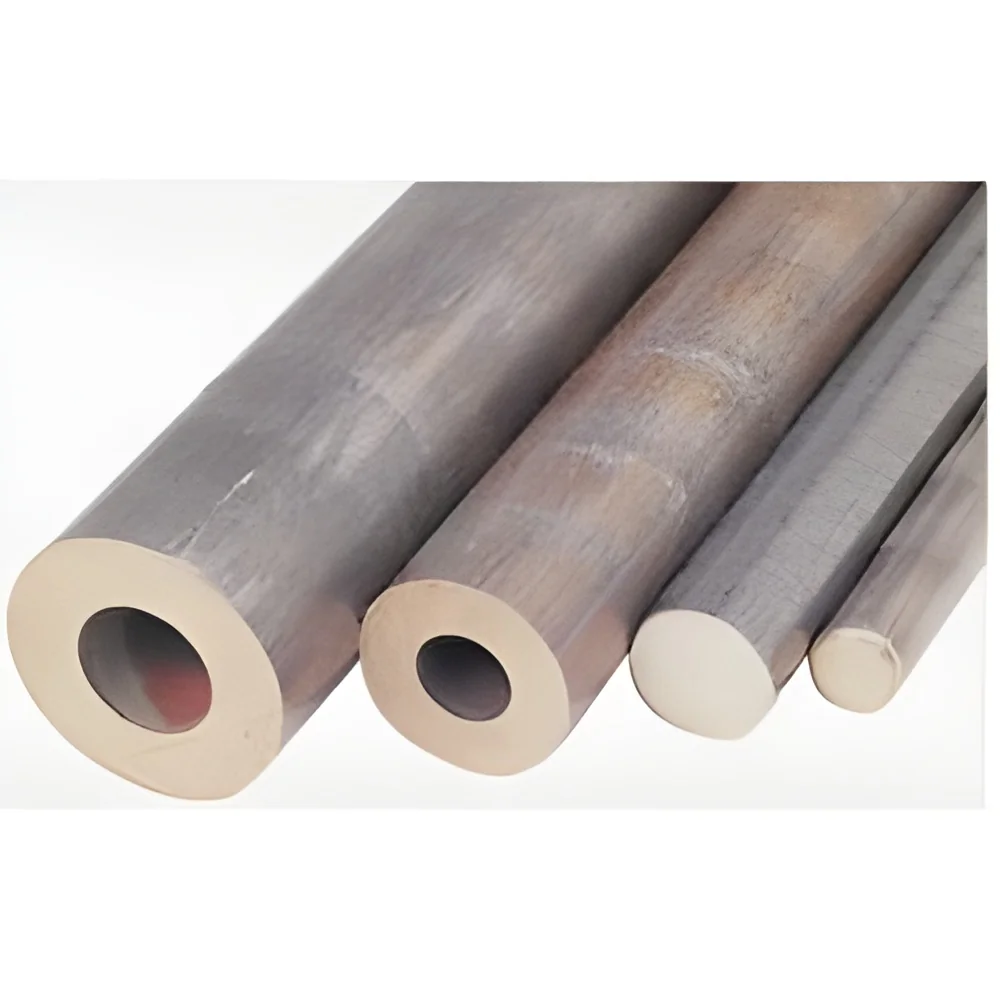
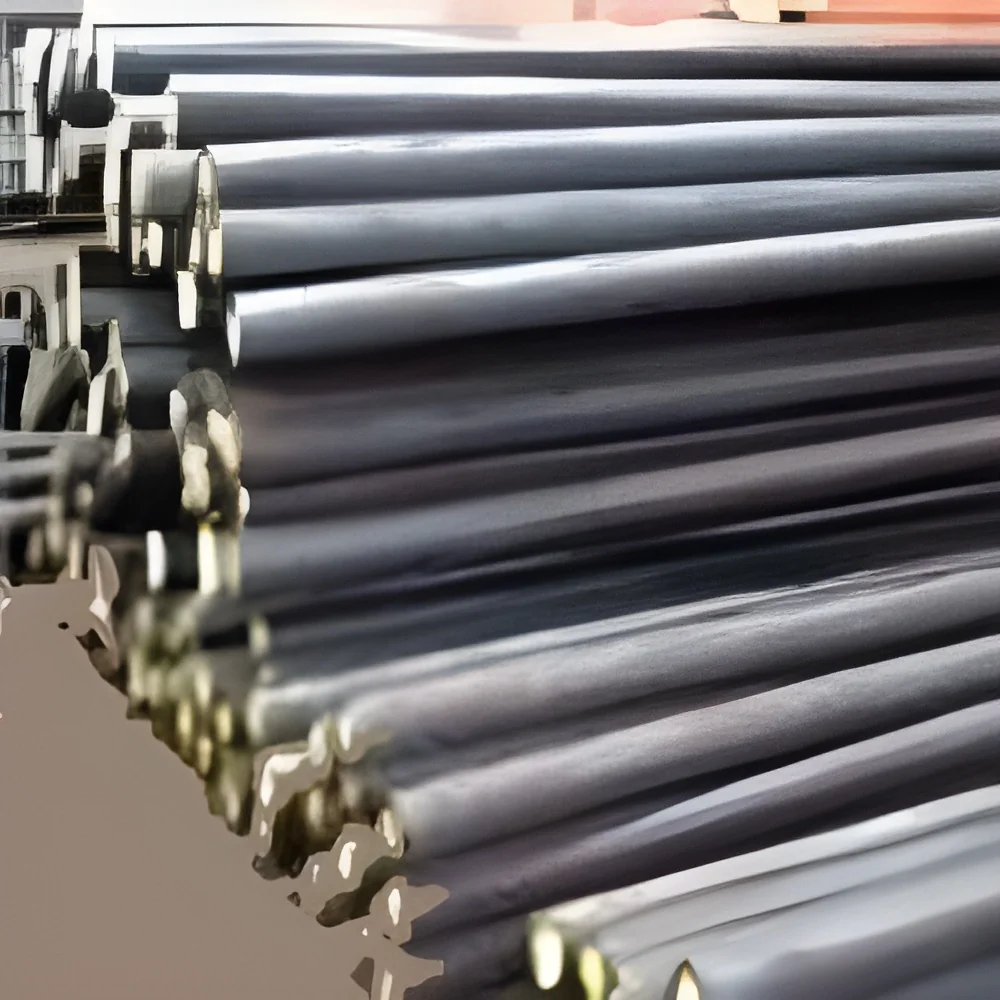
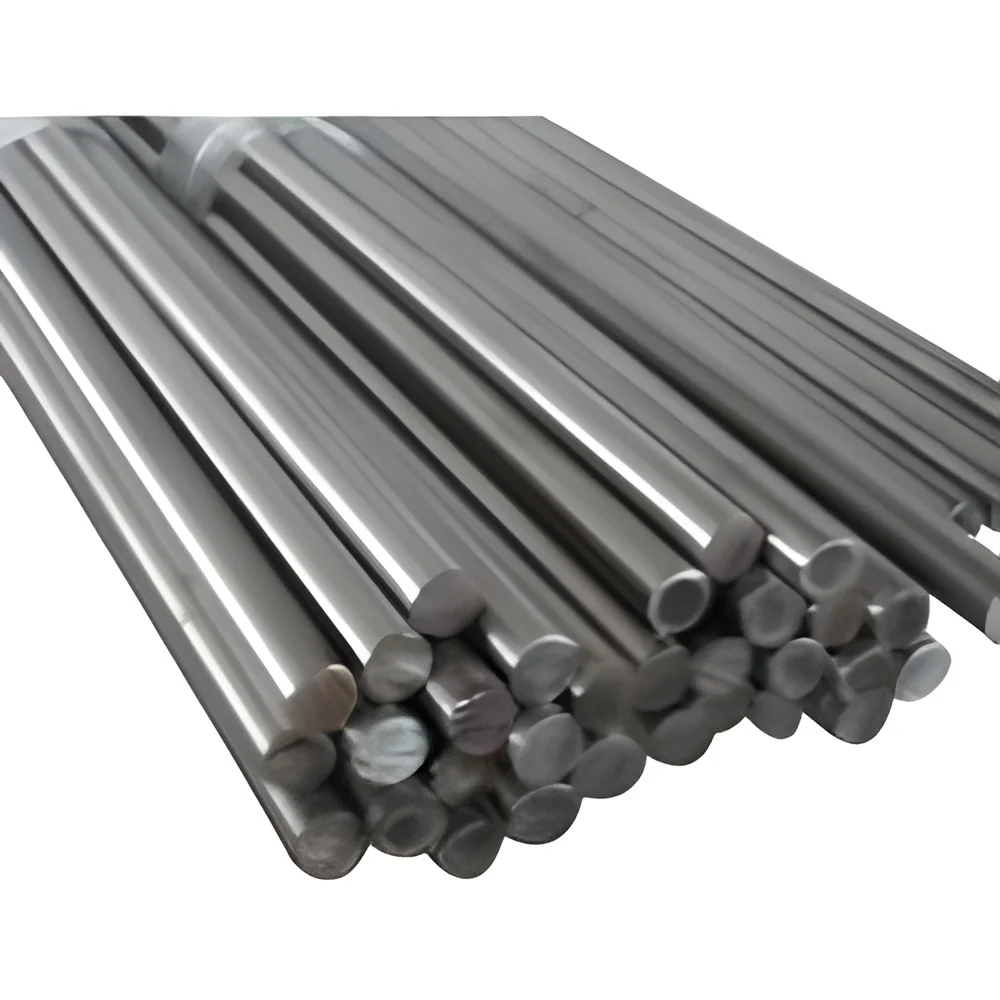
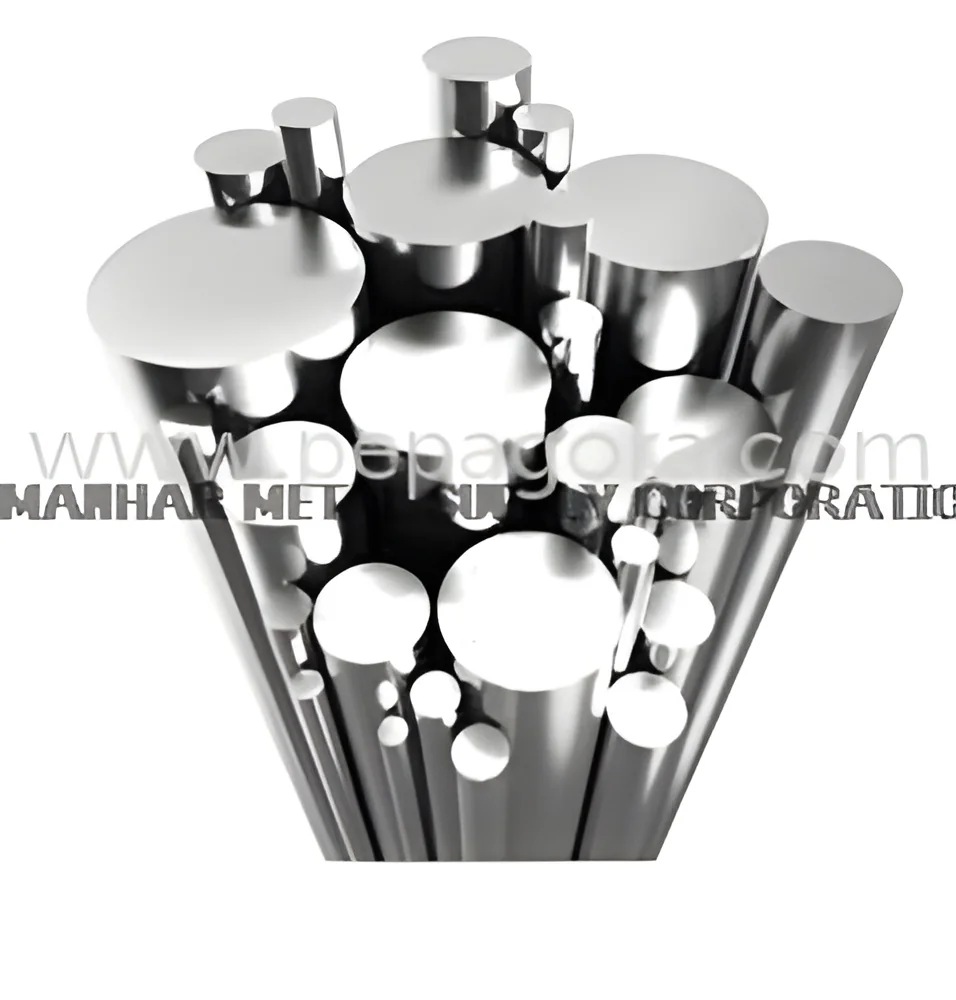
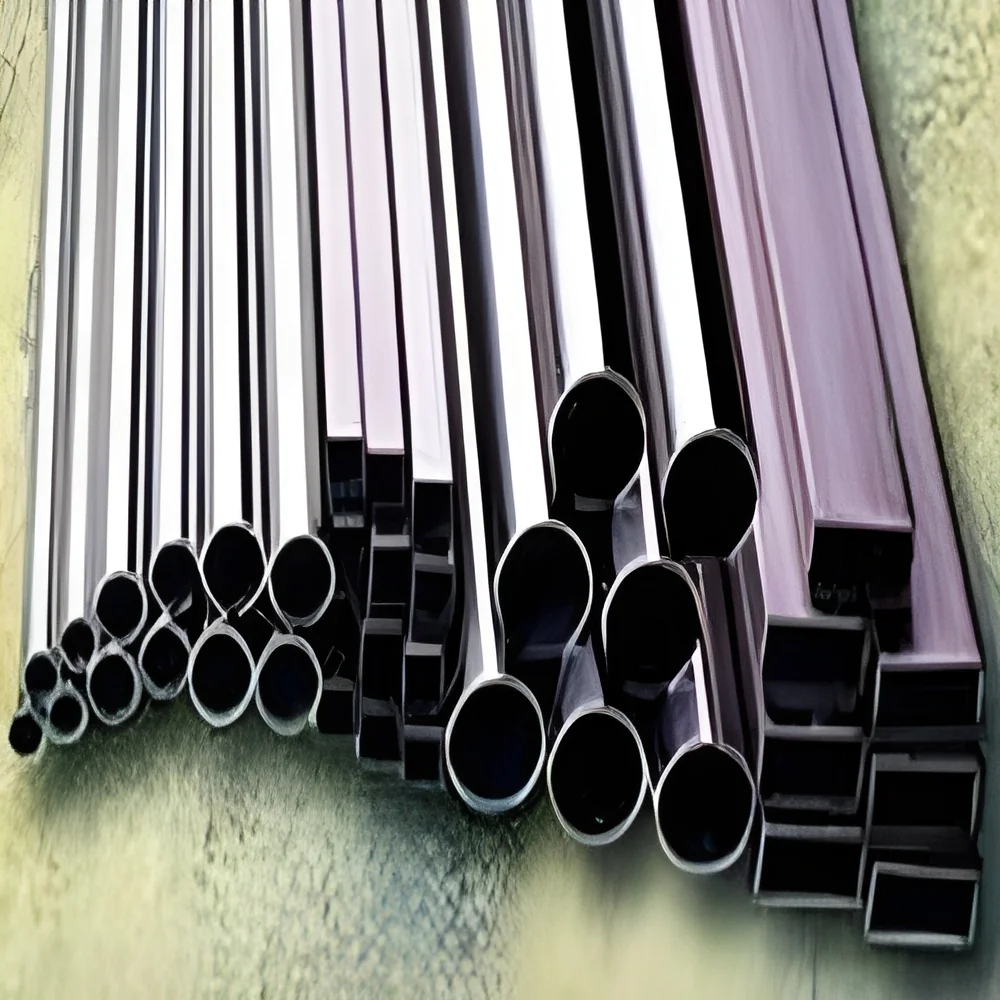
- Various sizes and shapes including sheets, plates, bars, tubes, and pipes.
- Custom lengths and thicknesses based on client requirements.
3. Surface Treatments:
- Options for surface finishes including galvanized, painted, or polished.
- Treatments that enhance corrosion resistance and durability.
4. Delivery Options:
- Flexible delivery schedules to accommodate urgent orders.
- Local and international shipping capabilities.
5. Minimum Order Quantities (MOQ):
- Variable MOQs depending on the type of metal and customer needs.
- Options for bulk purchases or smaller orders.
6. Certifications:
- Compliance with industry standards such as CE certification.
- Assurance of quality through documented inspection and testing processes.
The diverse specifications offered by industrial metal stockists ensure that clients can find the right materials for their specific needs, enhancing efficiency and productivity.
Common Applications and Use Cases
Industrial metal stockists serve numerous industries, each with unique applications for metal products.
1. Construction: Stockists provide materials for structural beams, reinforcements, and metal framing, essential for building infrastructure.
2. Automotive: Metals sourced from stockists are used in manufacturing vehicle components, including body panels and engine parts.
3. Aerospace: High-strength metals are critical for aircraft manufacturing, where weight and durability are paramount.
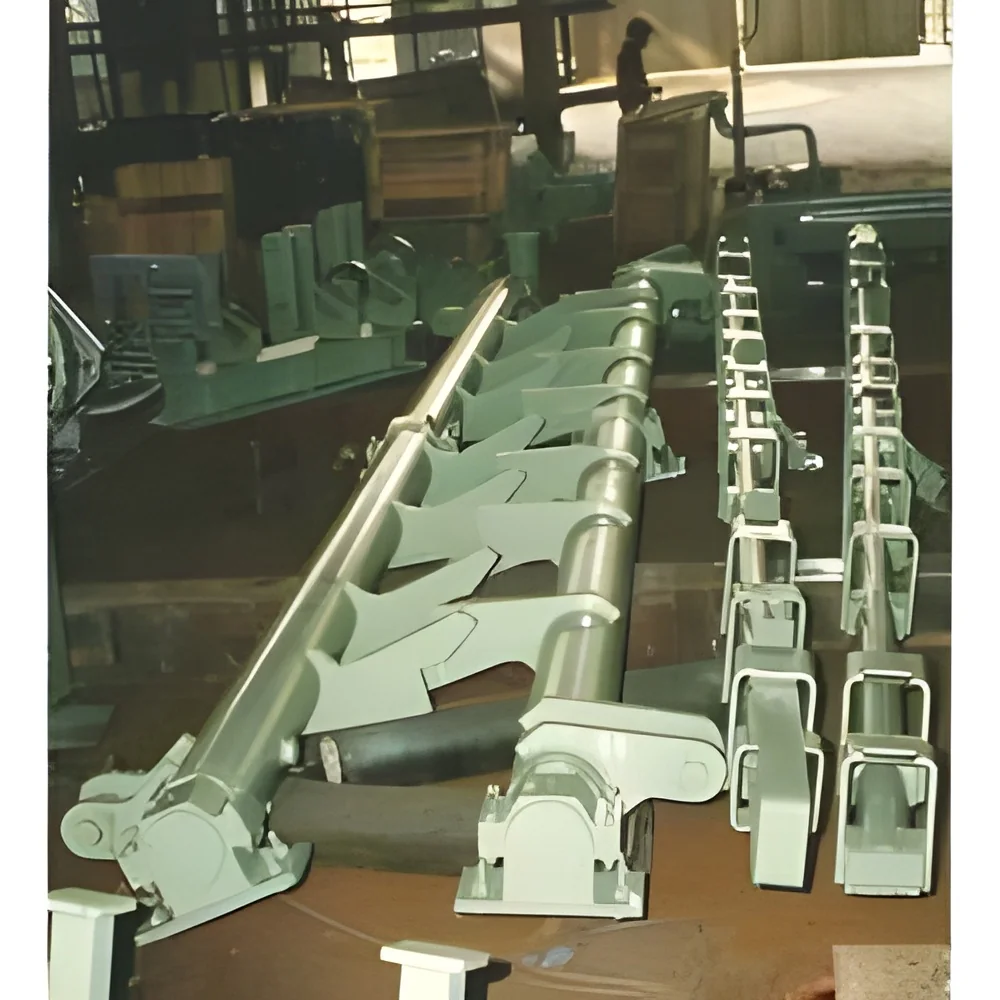
4. Manufacturing: Stockists supply raw materials for machinery and equipment production, ensuring consistent quality and availability.
5. Energy: Metals are needed for the construction of pipelines, rigs, and energy-efficient components in oil and gas industries.
6. Railways: Stockists provide specialized metals for rail tracks, carriages, and other railway infrastructure.
7. Shipbuilding: Metals play a crucial role in constructing vessels, where strength and corrosion resistance are vital.
Product Variants and Subcategories
Industrial metal stockists offer a range of product variants tailored to meet the diverse needs of their clients.
Steel Products: Steel variants include carbon steel, alloy steel, and stainless steel. These materials are widely used in construction and manufacturing due to their strength and versatility.
Aluminum Products: Lightweight and corrosion-resistant, aluminum variants are ideal for applications in aerospace and automotive industries.
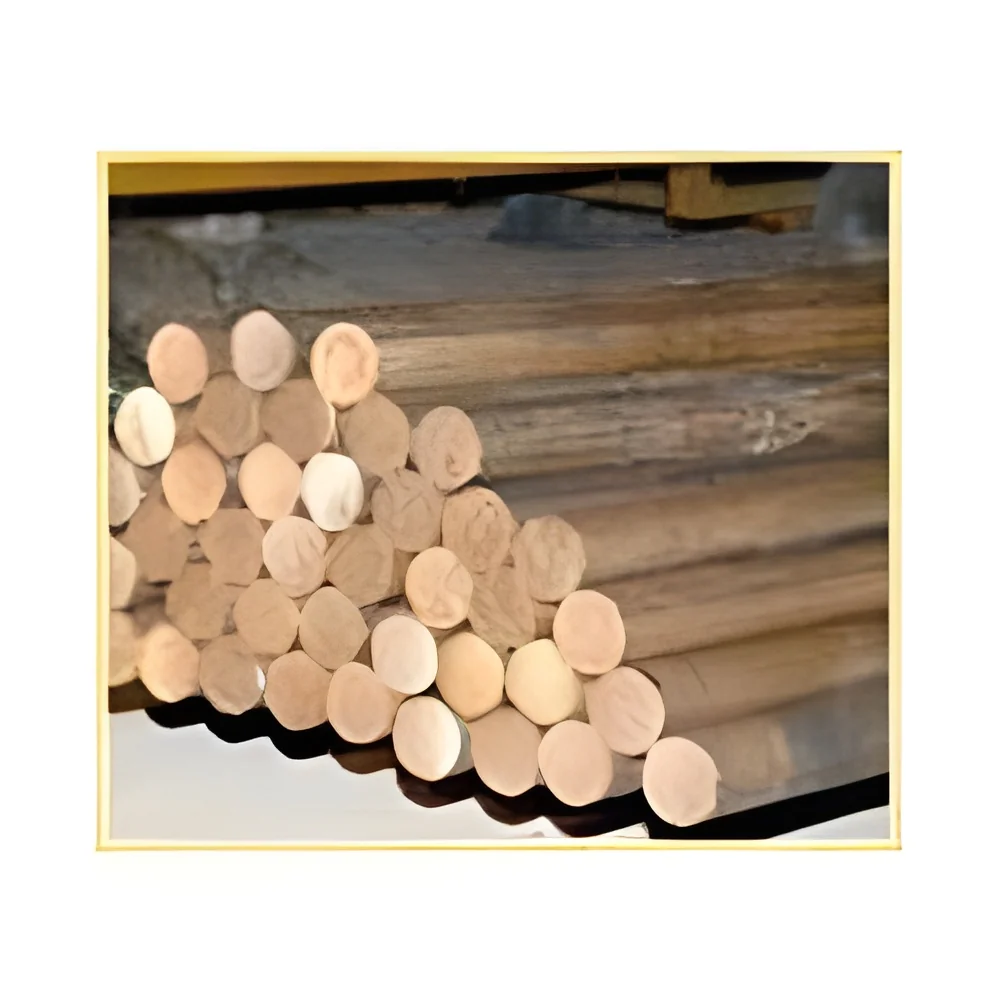
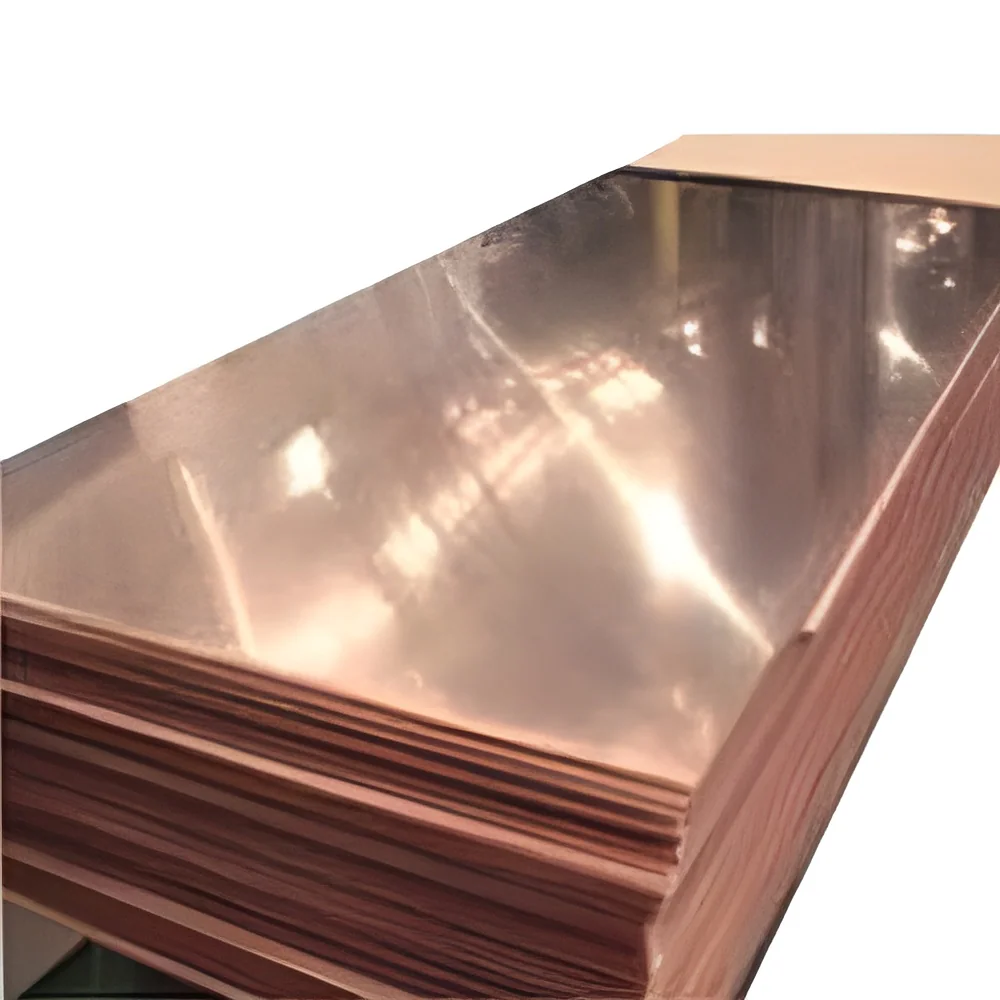
Copper Products: Copper is known for its electrical conductivity and is commonly used in electrical components and plumbing.
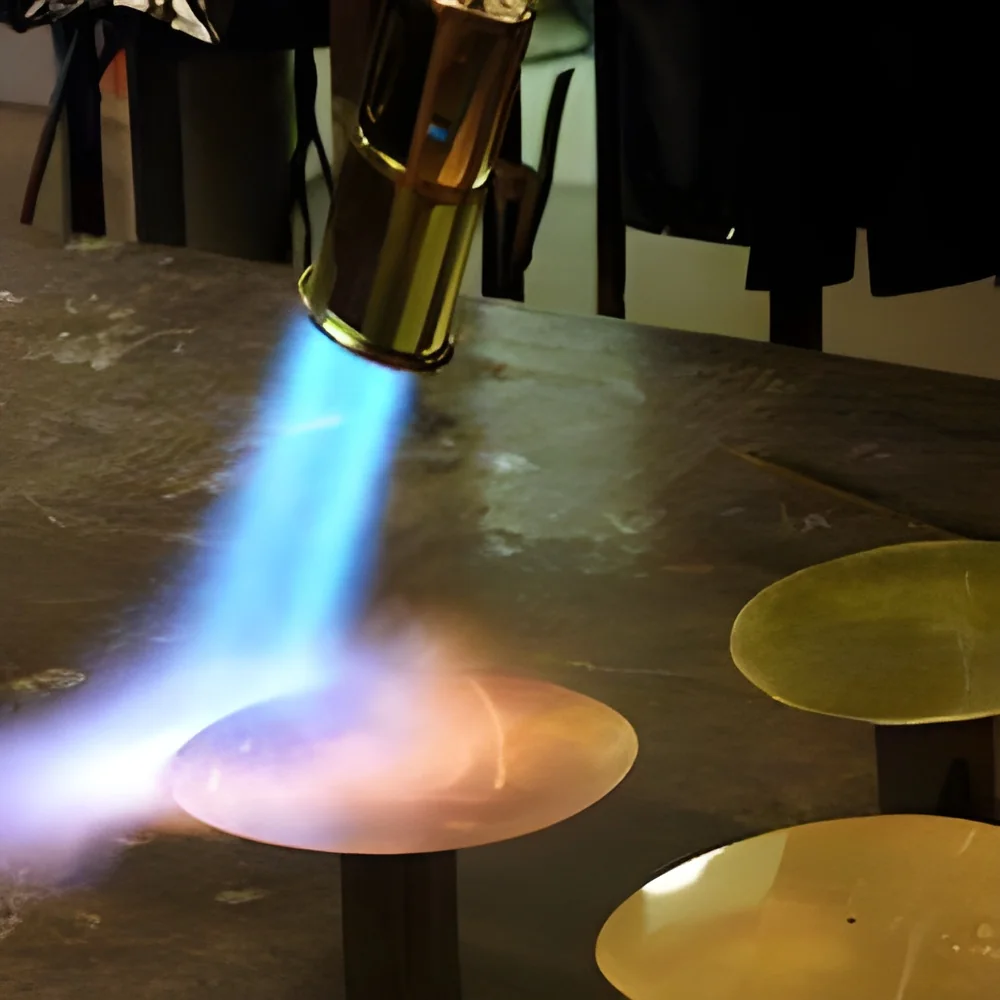
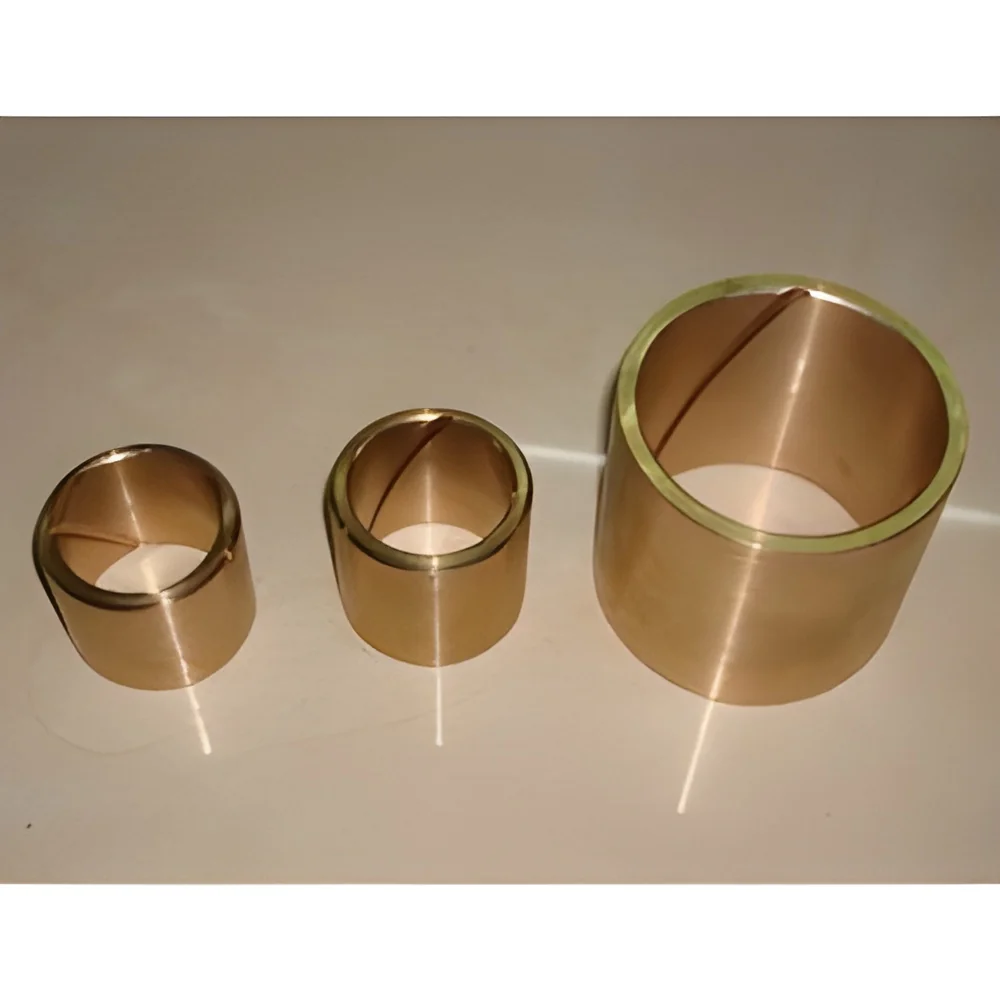
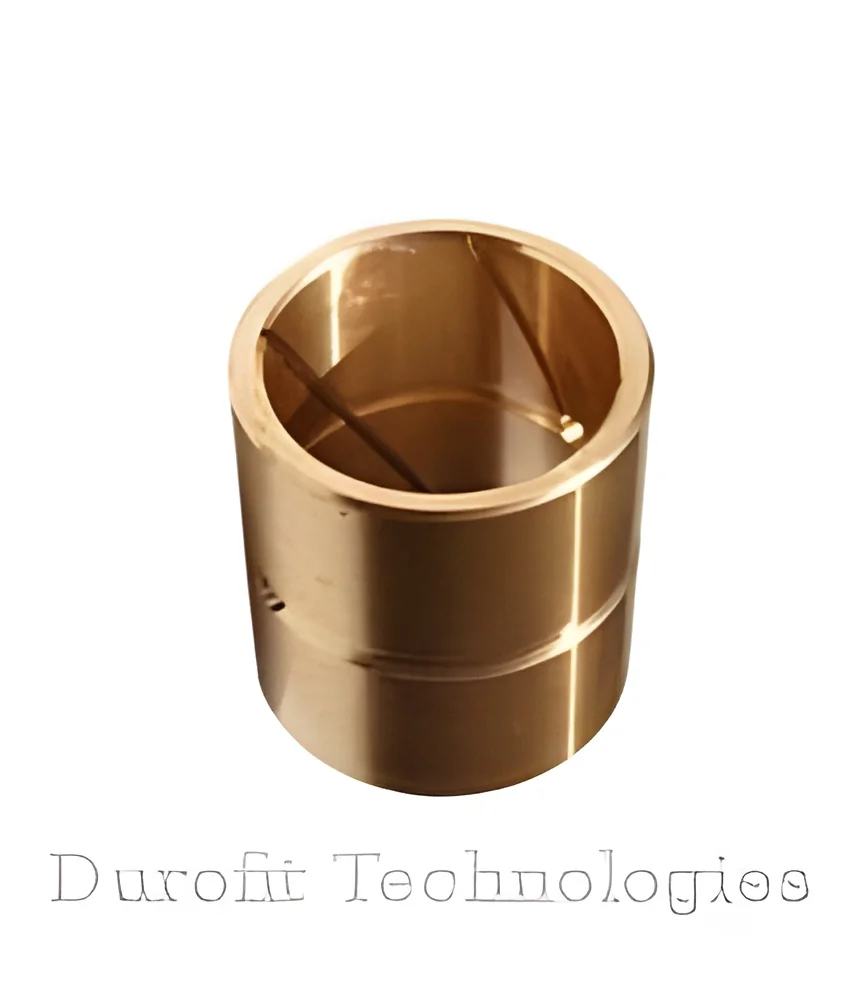
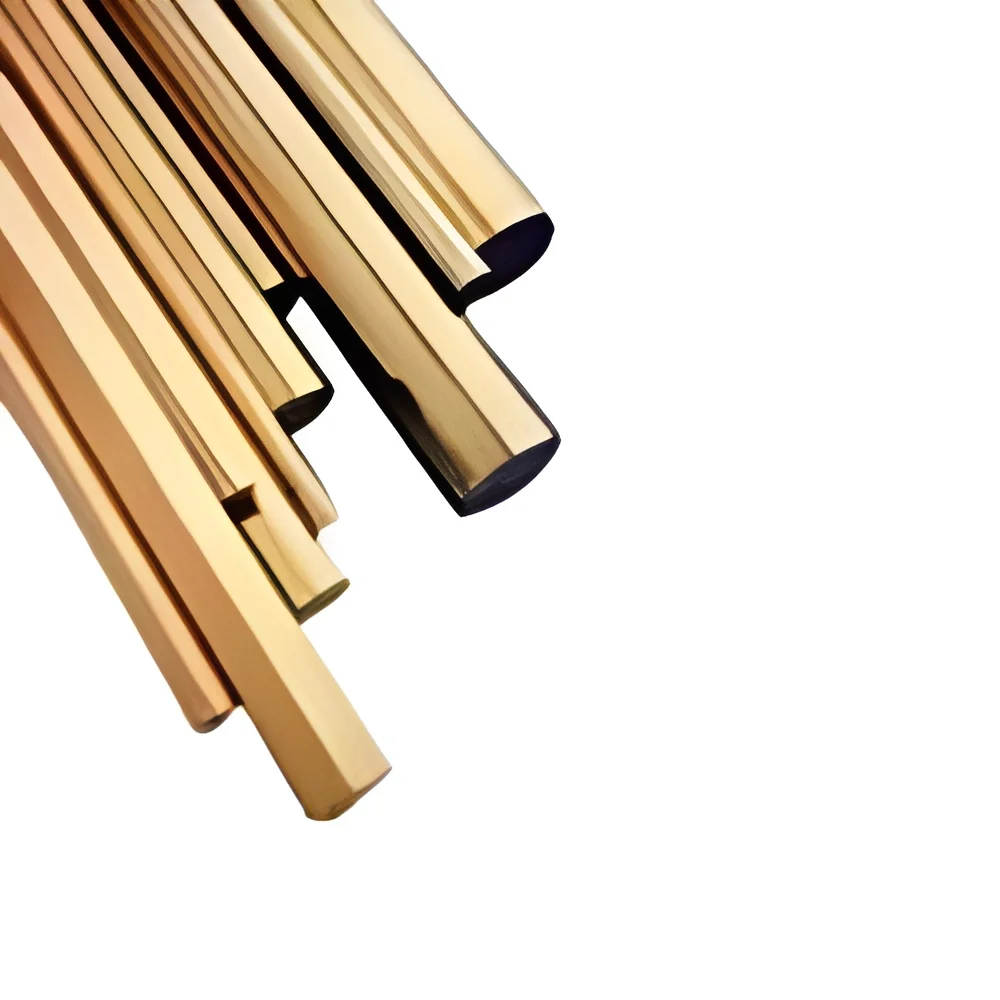
Brass Products: Brass is often used for decorative applications and plumbing due to its aesthetic appeal and corrosion resistance.
Benefits and Advantages
Sourcing from industrial metal stockists provides several advantages for businesses.
1. Cost Efficiency: Bulk purchasing from stockists often leads to reduced material costs, enhancing overall project budgets.
2. Immediate Availability: Stockists maintain large inventories, allowing businesses to obtain materials without long lead times.
3. Quality Assurance: Reputable stockists ensure that materials meet industry standards and certifications, providing peace of mind for buyers.
4. Customization Options: Many stockists offer customization in terms of dimensions and surface treatments to meet specific project requirements.
5. Technical Support: Experienced staff can provide guidance on material selection and specifications, improving the decision-making process.
6. Strong Supplier Relationships: Building relationships with stockists can lead to better pricing, priority service, and tailored solutions.
Buying Guide for B2B Buyers
When sourcing industrial metal stockists, a few key factors should be considered to ensure a successful partnership.
1. Quality Assessment: It is essential to evaluate the quality of materials offered by stockists. This includes checking certifications and conducting product inspections to ensure they meet necessary standards.
2. Supplier Verification: Vetting potential suppliers is crucial. Researching their reputation, reviewing customer feedback, and confirming their certifications can help ensure reliability.
3. Pricing and MOQ: Understanding the pricing structure and minimum order quantities is vital. This helps in budgeting and assessing the feasibility of purchasing from the stockist.
4. Delivery and Lead Times: Inquire about the stockist's delivery capabilities and lead times. Reliable logistics are essential to maintain production schedules.
5. Compliance Requirements: Ensure that the stockist meets any regulatory compliance requirements relevant to your industry. This can include safety standards and environmental regulations.
Compliance and Certifications
Compliance and certifications play a critical role in the quality assurance of industrial metal stockists.
Relevant quality standards such as ISO 9001 ensure that stockists maintain a consistent level of quality in their operations. Adhering to such standards indicates a commitment to continuous improvement and customer satisfaction.
Industry certifications such as CE mark signify that products meet European safety, health, and environmental protection standards. This is particularly important for businesses operating in regulated markets.
Additionally, safety and testing requirements must be met to guarantee that materials are safe for their intended use. This often involves rigorous testing processes to verify material properties and performance.
Regional compliance considerations may also come into play, as different regions may have unique regulations regarding metal products. It is essential for stockists to be aware of and comply with these regional requirements.
Why Source Industrial Metal Stockists from Pepagora?
Pepagora offers a reliable platform for sourcing industrial metal stockists, providing numerous key advantages for B2B buyers.
Verified Supplier Network: Pepagora features a network of verified suppliers, ensuring that buyers can trust the quality and reliability of the products they purchase.
Streamlined RFQ Process: The platform simplifies the request for quotation process, making it easy for buyers to obtain competitive pricing and terms from multiple suppliers quickly.
Trade Assurance and Support: Buyers benefit from trade assurance, which protects their purchases and ensures that transactions are secure and trustworthy. Additionally, Pepagora provides ongoing support to assist buyers throughout the procurement process.
Regional Coverage: With a strong presence in India, GCC, and Southeast Asia, Pepagora offers extensive regional coverage, connecting buyers with local stockists that can meet their specific needs efficiently.


 India



 India
 India

 India
 India
 India

 India
 India
 India

 India
 India
 India

 India
 India
 India
 India
 India
 India

 India
 India
 India
 India
 India


 India
 India
 India
 India

Frequently Asked Questions
What are Industrial Metal Stockists?
Industrial Metal Stockists are suppliers or distributors that specialize in stocking a variety of metal products for industrial applications. They provide businesses with access to different types of metals, such as steel, aluminum, copper, and more, in various forms including sheets, rods, and pipes.
What are the different types of Industrial Metal Stockists?
Different types of Industrial Metal Stockists may include those specializing in ferrous metals, non-ferrous metals, and specialty alloys. Some stockists focus on specific industries, such as automotive, construction, or aerospace, while others offer a broader range of metal products for general industrial use.
How do I choose the right Industrial Metal Stockists?
To choose the right Industrial Metal Stockists, consider factors such as product range, pricing, quality standards, and customer service. Research potential suppliers, read reviews, and request samples to ensure they meet your specific requirements and can deliver consistently.
What are the standard specifications for Industrial Metal Stockists?
Standard specifications for Industrial Metal Stockists often include compliance with industry standards such as ASTM, ISO, or EN. Additionally, specifications may cover the physical and chemical properties of the metals being supplied, including dimensions, tensile strength, and corrosion resistance.
What is the price range for Industrial Metal Stockists?
The price range for Industrial Metal Stockists can vary widely based on factors such as the type of metal, quantity purchased, and market demand. Generally, prices can range from a few thousand to several lakhs of Indian Rupees, depending on the materials and specifications involved.
What quality standards apply to Industrial Metal Stockists?
Quality standards for Industrial Metal Stockists typically include adherence to relevant national and international standards, such as ISO 9001 for quality management systems. Stockists may also be required to provide certifications for their products to ensure compliance with safety and performance criteria.
Where can I find Industrial Metal Stockists suppliers in India?
You can find Industrial Metal Stockists suppliers in India through online B2B marketplaces like Pepagora, trade directories, and industry associations. Additionally, attending trade shows and networking events can also help you connect with reliable suppliers in the metal industry.
Can Industrial Metal Stockists be customized?
Yes, many Industrial Metal Stockists offer customization options for their products to meet specific client requirements. This can include cutting metals to size, providing specific finishes, or sourcing unique alloys as per customer specifications.
What is the typical minimum order quantity for Industrial Metal Stockists?
The typical minimum order quantity (MOQ) for Industrial Metal Stockists varies depending on the supplier and the type of metal product. It can range from small quantities for standard items to larger minimums for custom orders or specialized products.
What is the typical lead time for Industrial Metal Stockists?
The typical lead time for Industrial Metal Stockists can range from a few days to several weeks, depending on the availability of stock and the complexity of the order. Factors such as customization requirements and shipping logistics may also impact the overall lead time.
Why Businesses Trust Pepagora
Thousands of companies trust Pepagora to source smarter and sell faster
Expand Your Sales Globally

Source Smarter,Grow Faster
