IN
IN₹
Apparel & Fashion
Description
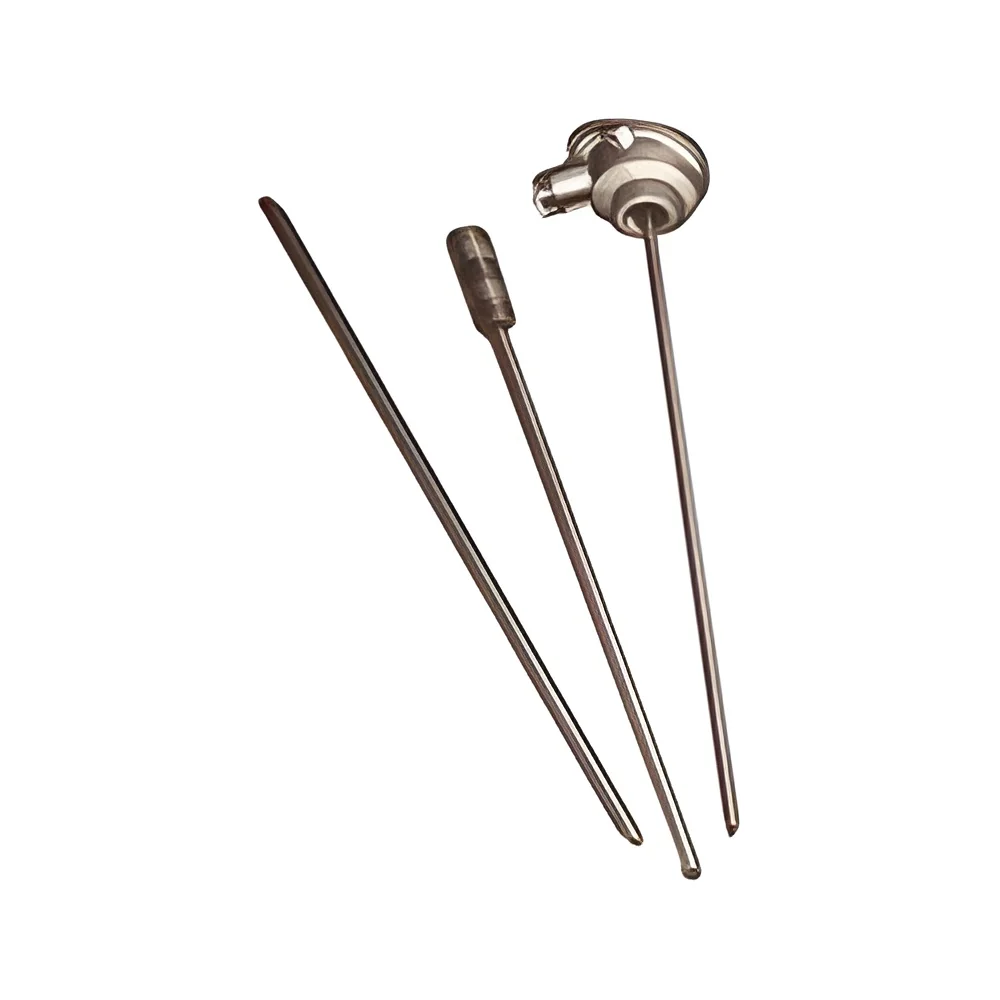
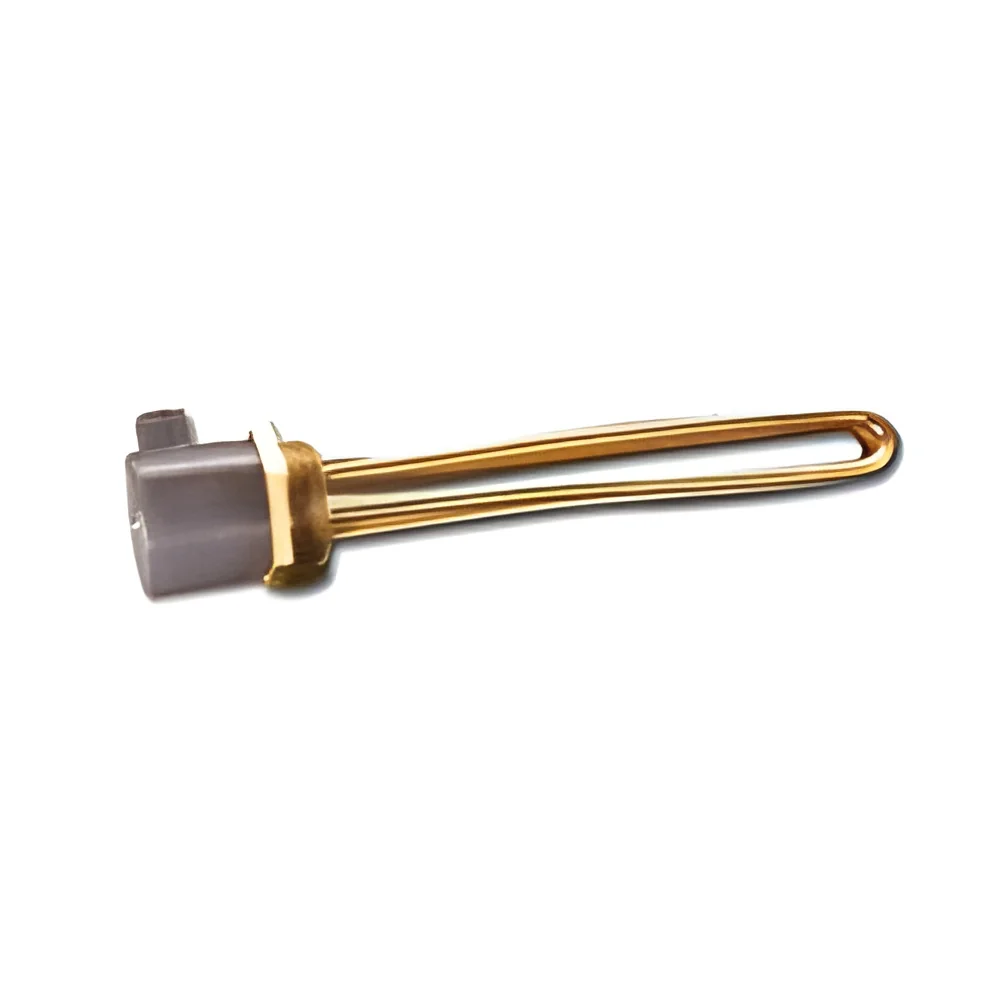
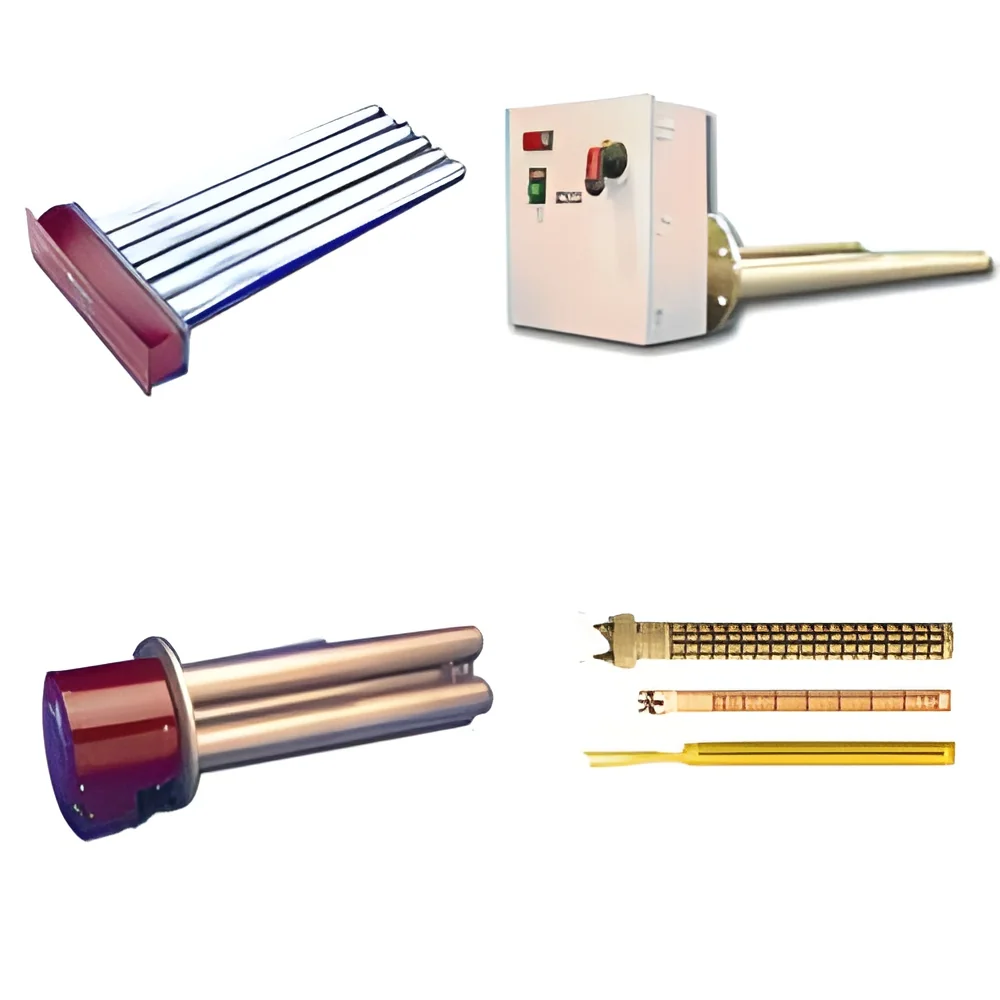
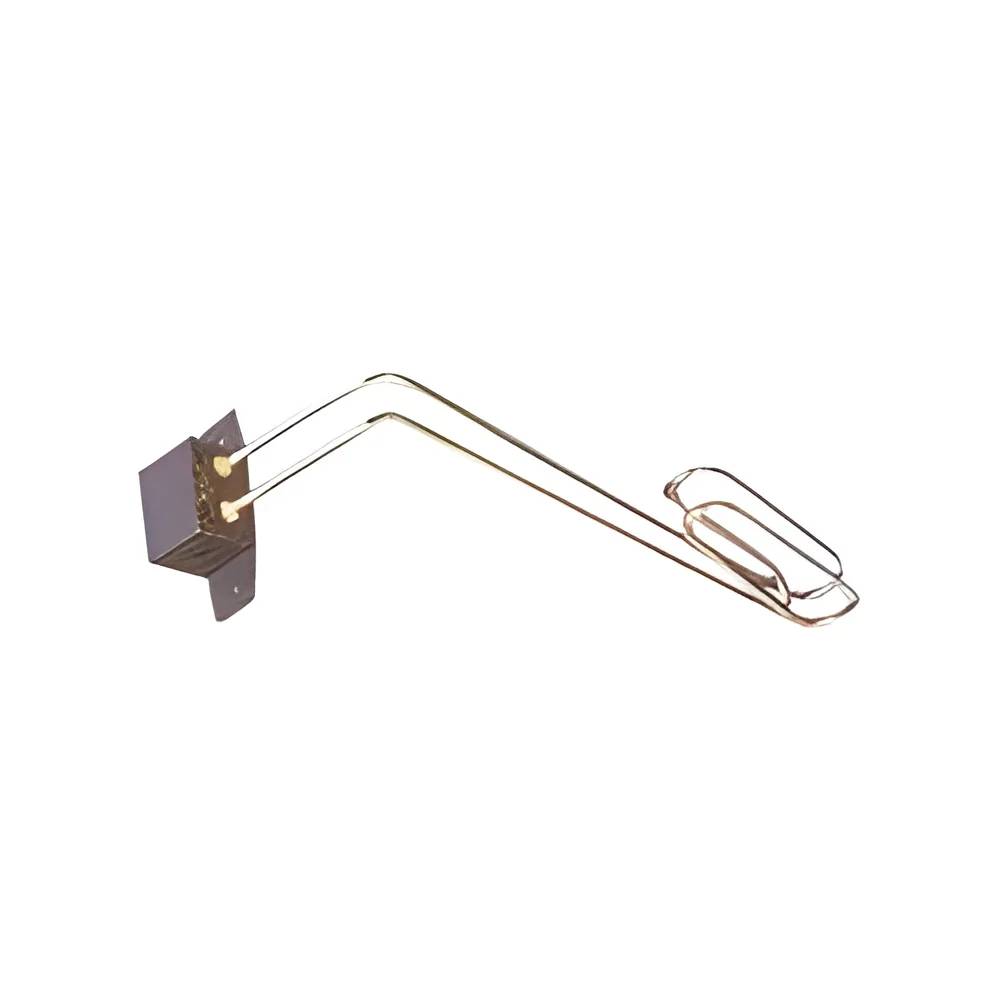
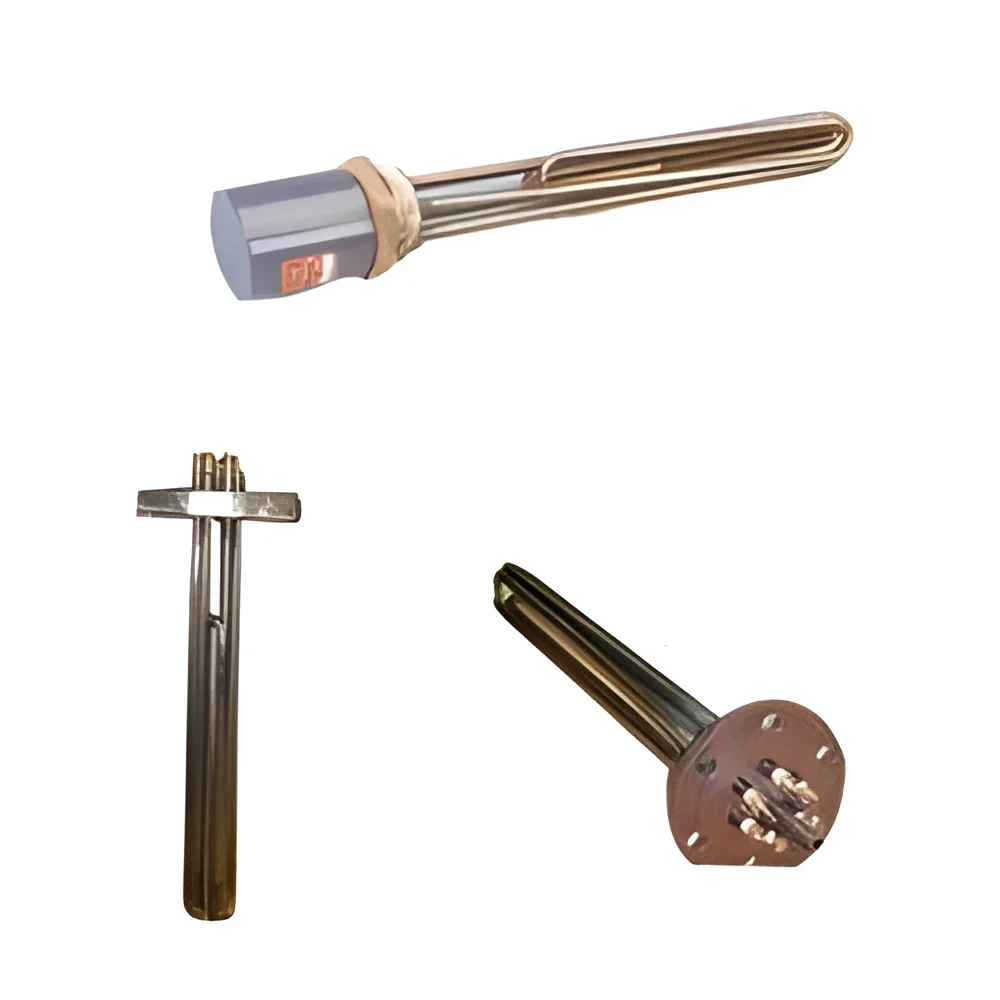
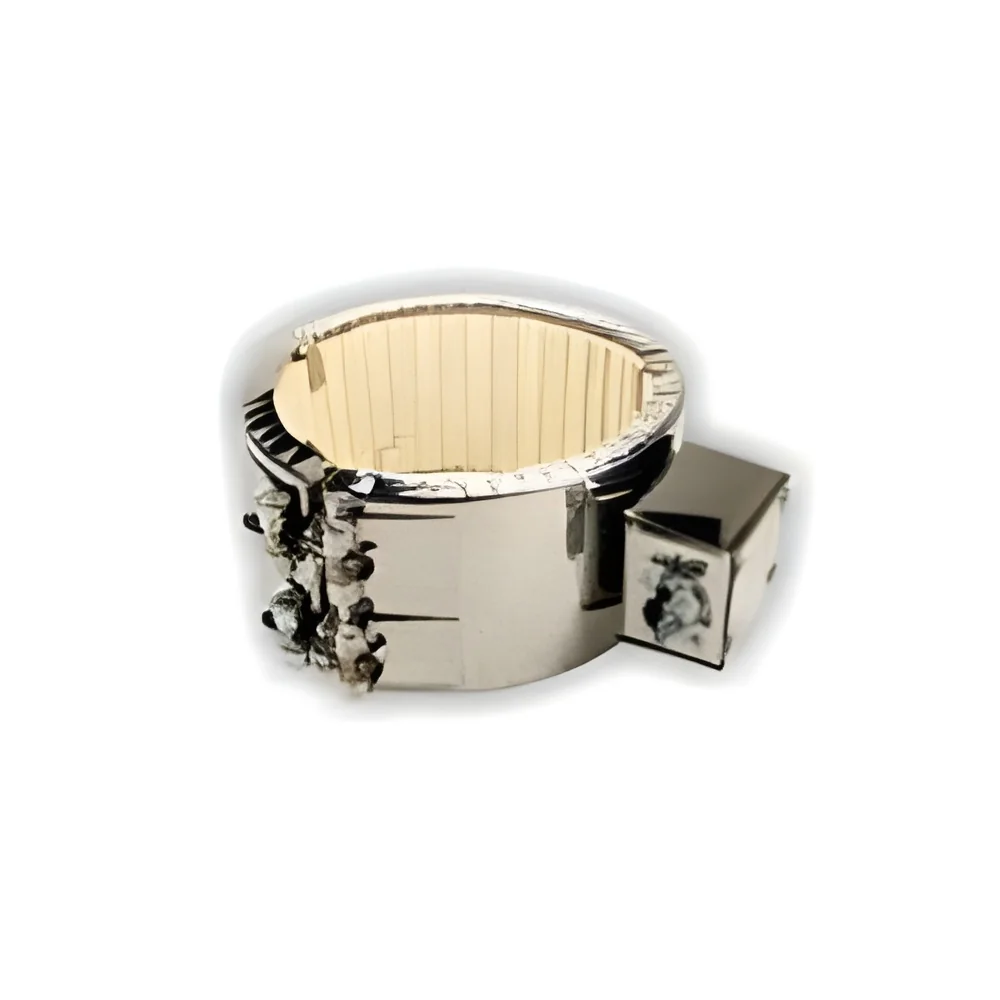
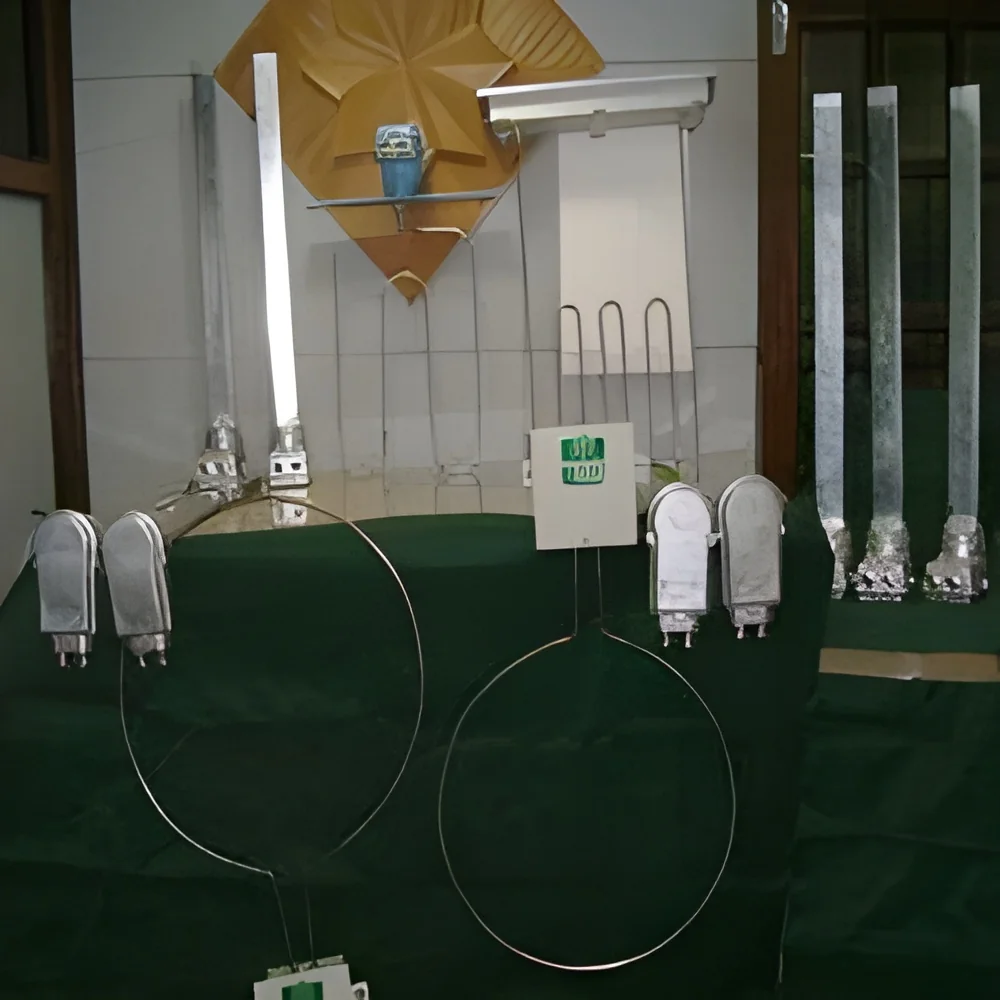
Industrial tubular heating elements are core components designed for efficient and reliable heat generation in a vast array of applications. They consist of a high-grade resistance coil, typically nickel-chromium, insulated within compacted magnesium oxide powder, all housed within a durable metal sheath. This construction ensures excellent heat transfer, electrical safety, and mechanical strength. The sheath, available in materials like copper, steel, stainless steel, and Incoloy, acts as the primary interface with the medium being heated, determining the element's compatibility and service life. Their fundamental design allows for bending and shaping to fit specific equipment layouts, offering a versatile solution for custom and standard heating needs without sacrificing performance or durability.

These elements are indispensable across numerous sectors due to their versatility and material-specific advantages. In manufacturing, they are used in industrial ovens, packaging machinery...
Industrial tubular heating elements are core components designed for efficient and reliable heat generation in a vast array of applications. They consist of a high-grade resistance coil, typically nickel-chromium, insulated within compacted magnesium oxide powder, all housed within a durable metal sheath. This construction ensures excellent heat transfer, electrical safety, and mechanical strength. The sheath, available in materials like copper, steel, stainless steel, and Incoloy, acts as the primary interface with the medium being heated, determining the element's compatibility and service life. Their fundamental design allows for bending and shaping to fit specific equipment layouts, offering a versatile solution for custom and standard heating needs without sacrificing performance or durability.

These elements are indispensable across numerous sectors due to their versatility and material-specific advantages. In manufacturing, they are used in industrial ovens, packaging machinery, and metal treatment baths. The food processing industry relies on stainless steel elements for hygienic heating in cooking and sterilization equipment. Chemical plants utilize specialized sheaths like Incoloy to handle aggressive acids and plating solutions. Facilities managing HVAC systems integrate them for air heating, while power generation and oil & gas operations use them for fuel and process fluid temperature maintenance. Each sector benefits from the ability to select a sheath material that resists corrosion, scaling, or chemical attack specific to their operational environment.

Choosing the right tubular heating element delivers significant operational value through enhanced reliability and process efficiency. Their robust build ensures long service life with minimal maintenance, reducing downtime and replacement costs. The precise heat output and efficient transfer characteristics contribute to lower energy consumption. By selecting the appropriate sheath material for the specific application, you prevent premature failure, ensure operator safety, and protect product purity. This tailored approach guarantees optimal thermal performance, leading to consistent process results, improved product quality, and a strong return on investment through reliable, uninterrupted operation.

Key Features:
- Constructed with a helical nickel-chromium resistance wire for consistent, uniform heating.
- High-density magnesium oxide insulation ensures superior electrical isolation and thermal conductivity.
- Available with protective sheaths in copper, steel, stainless steel, and Incoloy alloys.
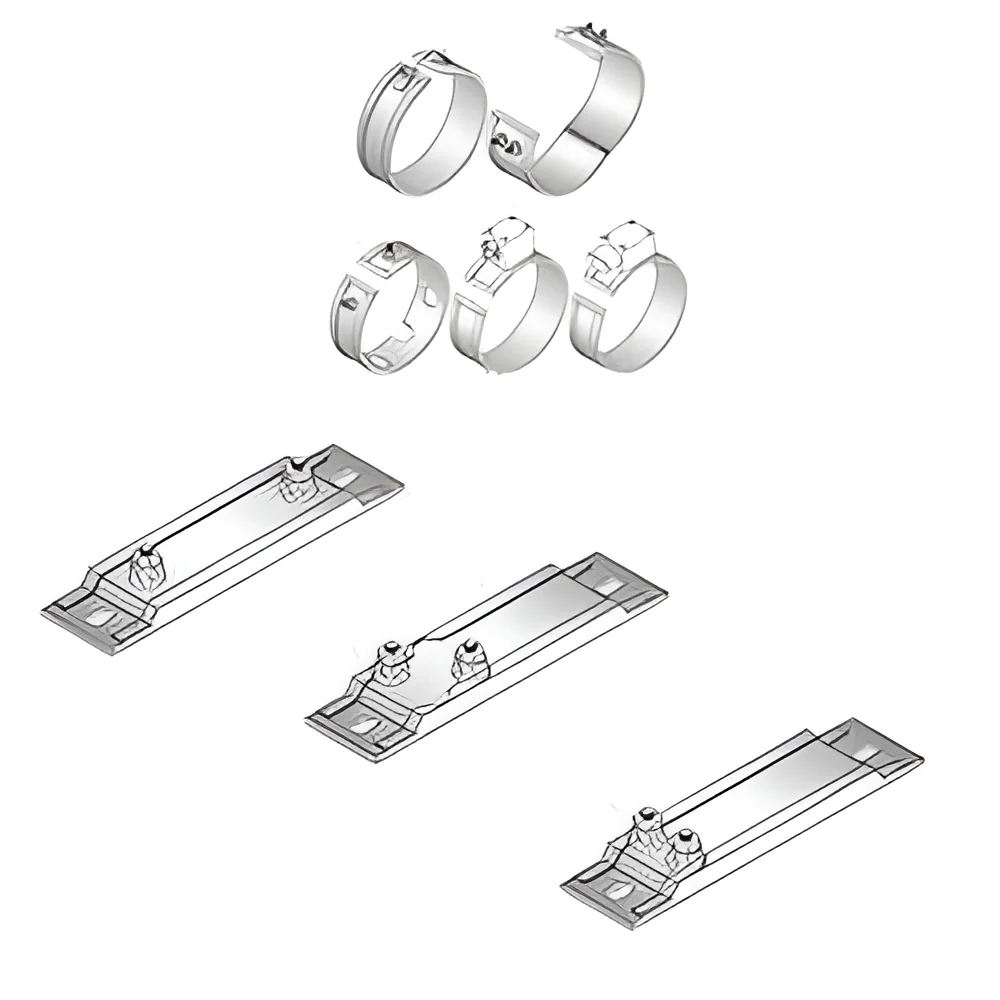
- Can be custom bent and formed to precise shapes for seamless equipment integration.
- Rugged sheath design provides excellent mechanical strength and resistance to physical stress.

Benefits:
- Delivers reliable and consistent heat output for stable process temperatures.
- Enhances operational safety with robust electrical insulation and durable sheath materials.
- Offers material flexibility to match the heating medium, preventing corrosion and contamination.
- Enables custom configurations for perfect fit and optimal heat transfer in existing machinery.
- Provides long-lasting performance, reducing maintenance frequency and total cost of ownership.
Specifications
| Additional Information | |
|---|---|
| Country of Origin | India |
Application
Tubular heating elements are engineered for precise thermal management across diverse industrial processes. Their robust construction and choice of sheath materials—copper, steel, stainless steel, and Incoloy—ensure compatibility and reliable performance when immersed in or in contact with various media, from water and oils to aggressive chemicals. This adaptability makes them a fundamental component for maintaining consistent temperatures in equipment and systems.
These elements excel in demanding environments where consistent heat transfer is critical. Their design allows for efficient operation in both immersion and surface heating applications, providing uniform temperature control. Industries select specific sheath materials based on the media being heated and the operating conditions, ensuring longevity and preventing contamination or corrosion, which is essential for process integrity and equipment safety.
- Heating water in industrial boilers, commercial water heaters, and storage tanks.
- Maintaining optimal oil temperatures in hydraulic power units, transformers, and lubrication systems.
- Providing process heat in food production equipment like fryers, ovens, and pasteurizers.
- Temperature control for plastic processing machinery, including injection molders and extruders.
- Heating corrosive liquids and solutions in chemical processing, electroplating, and cleaning systems.
Trade Details
| Available Stock | In Stock |
| Sample Availability | No |
Payment Terms
| Payment Terms |
|
Company Profile

Heatco, West Bengal
 West Bengal, India
West Bengal, IndiaIndustrial Equipment & Machinery•Importer / Exporter
Factory Details
Factory SizeBelow 1000 sqm
Annual Production Capacity0
Main Markets
South Asia
Industrial Tubular Heating Elements Copper Steel Stainless Steel Incoloy
Industrial tubular heating elements in copper, steel, stainless steel, and Incoloy sheaths for reliable water, oil, air, and corrosive liquid heating applications. Durable and efficient components for industrial thermal systems.
Min. Order Quantity: 1 unit
Shipping
Shipping fee and delivery date to be negotiated. Contact supplier now for more details.
Heatco
 West Bengal, India
West Bengal, IndiaIndustrial Equipment & MachineryImporter / Exporter