IN
IN₹
Apparel & Fashion
Description
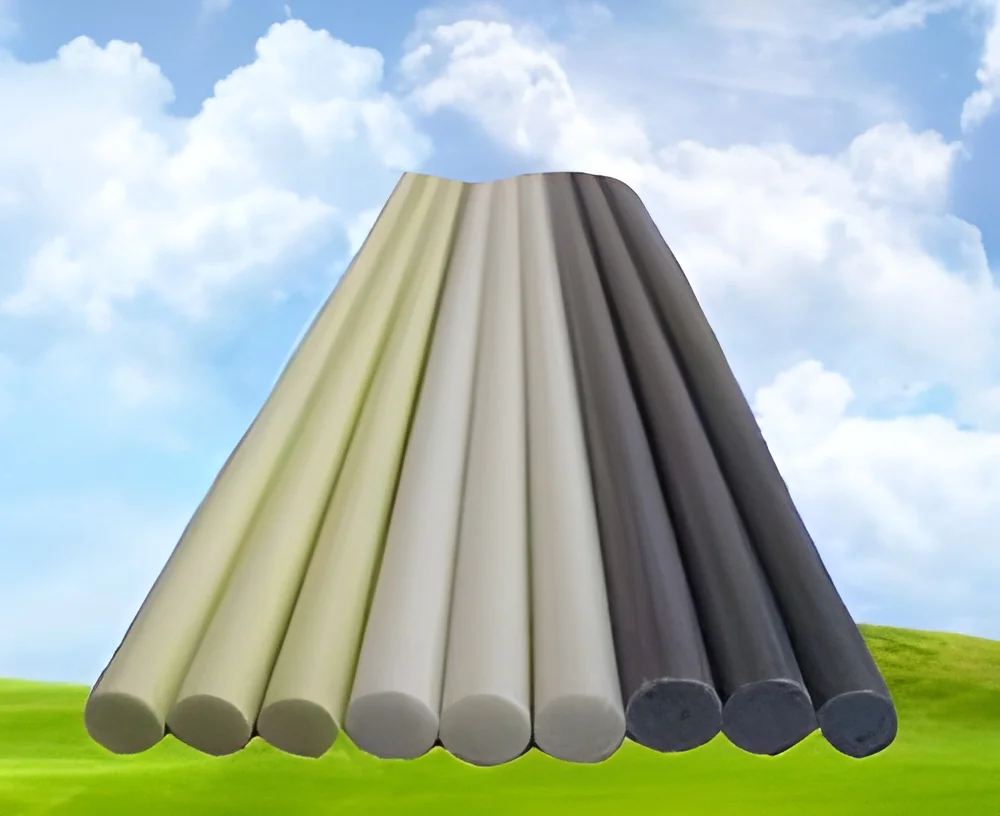
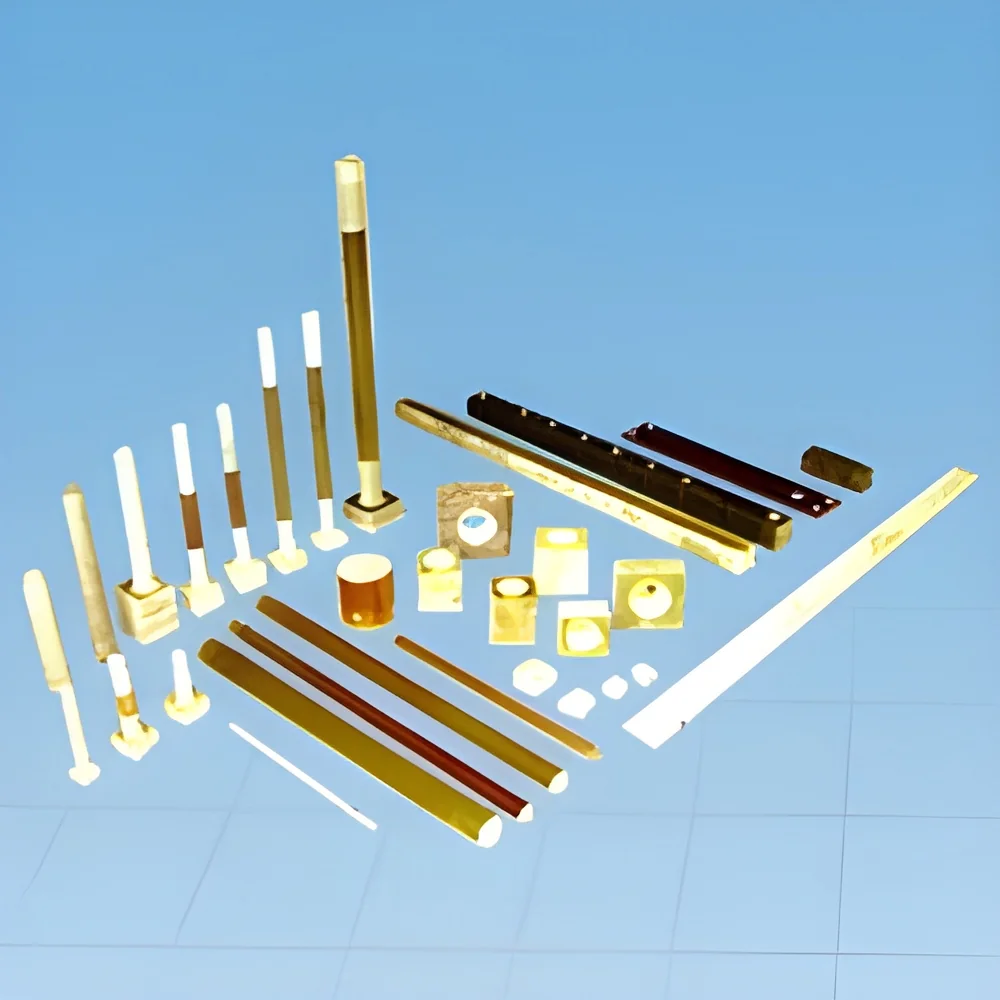
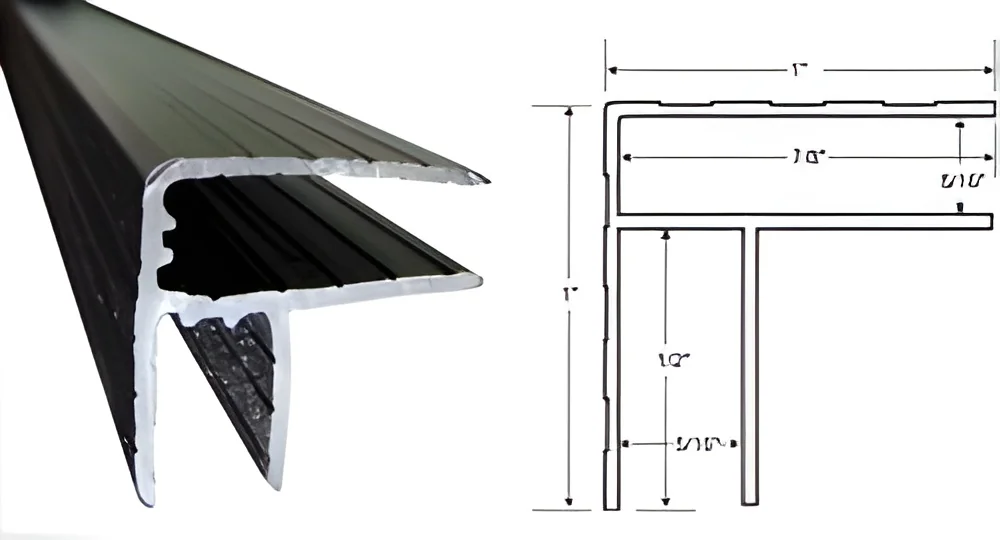
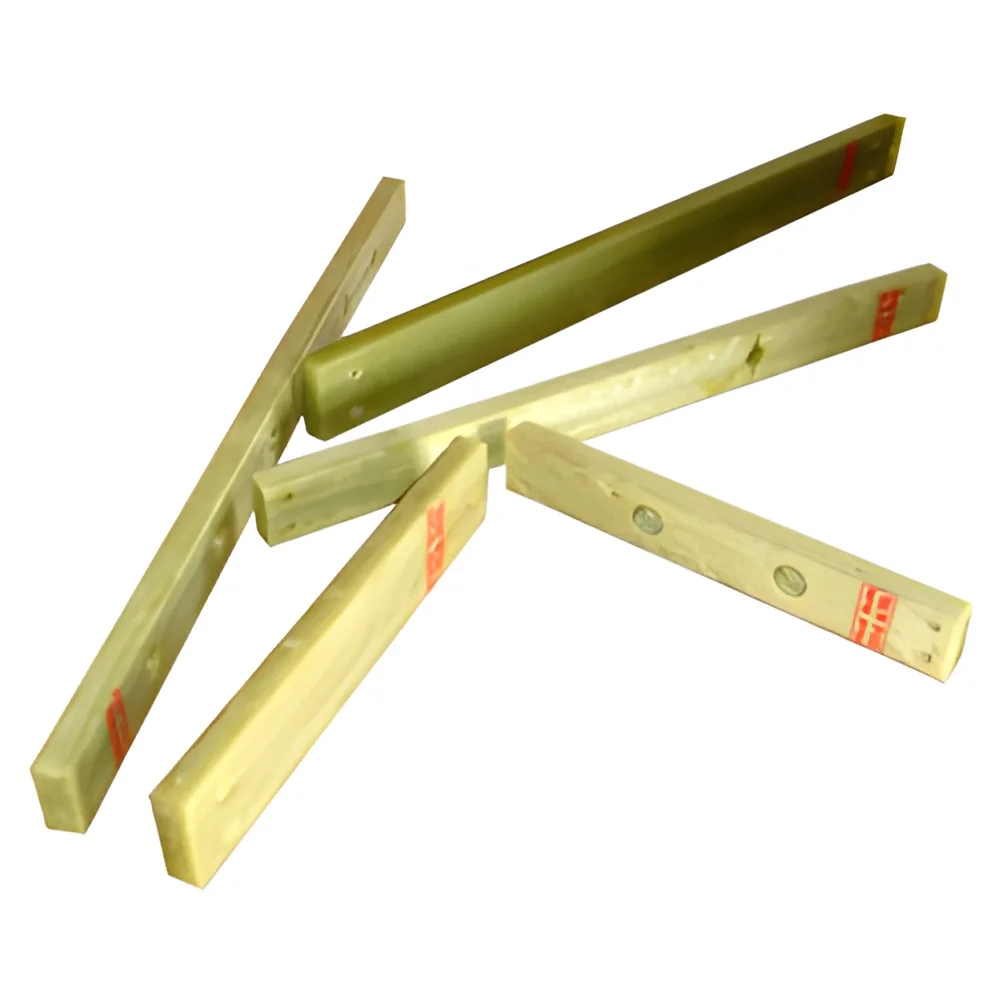
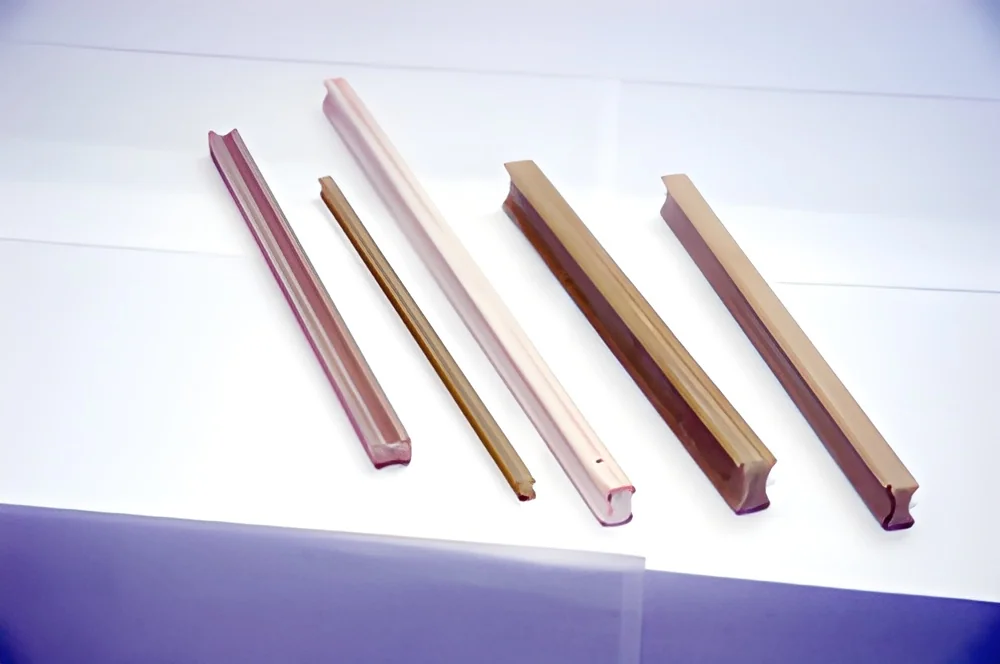
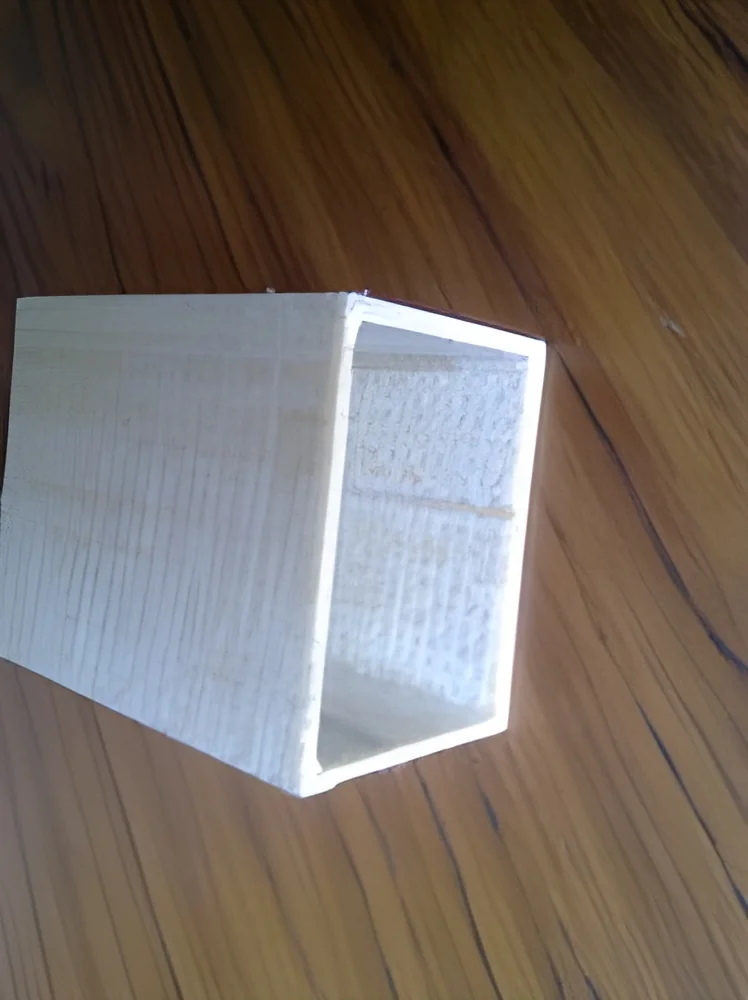
Industrial FRP rectangular tubes represent advanced composite engineering designed for demanding applications where traditional materials like steel and aluminum are unsuitable. These structural components combine high-strength fiberglass reinforcement with premium resin systems to create durable, corrosion-resistant profiles that maintain their integrity in the harshest environments. The rectangular shape provides optimal load-bearing capabilities and clean lines for various industrial and structural applications. Manufactured to consistent quality standards, these tubes deliver predictable, reliable performance where exposure to chemicals, saltwater, or extreme conditions makes material failure unacceptable. They are engineered to provide a maintenance-free structural solution that outperforms conventional alternatives.

These FRP tubes serve essential roles across multiple heavy industries. Chemical processing plants utilize them for structural supports, equipment frames, piping sys...
Industrial FRP rectangular tubes represent advanced composite engineering designed for demanding applications where traditional materials like steel and aluminum are unsuitable. These structural components combine high-strength fiberglass reinforcement with premium resin systems to create durable, corrosion-resistant profiles that maintain their integrity in the harshest environments. The rectangular shape provides optimal load-bearing capabilities and clean lines for various industrial and structural applications. Manufactured to consistent quality standards, these tubes deliver predictable, reliable performance where exposure to chemicals, saltwater, or extreme conditions makes material failure unacceptable. They are engineered to provide a maintenance-free structural solution that outperforms conventional alternatives.

These FRP tubes serve essential roles across multiple heavy industries. Chemical processing plants utilize them for structural supports, equipment frames, piping systems, and ventilation ducts exposed to aggressive chemicals, acids, and fumes. Water and wastewater treatment facilities install them as walkway supports, handrails, ladder cages, and equipment enclosures in constantly wet, chemically treated environments. Marine and offshore applications include dock structures, boat building components, seawall reinforcements, and platform elements where saltwater resistance prevents corrosion and degradation. Electrical utilities and power generation facilities rely on them for non-conductive support structures, cable management systems, and enclosures in substations where electrical safety is critical. They are also used in architectural applications, industrial buildings, and infrastructure projects requiring durable, low-maintenance materials.

The business value of these FRP rectangular tubes lies in their long-term reliability and significantly reduced total cost of ownership compared to traditional metallic materials. Unlike steel or aluminum alternatives that require frequent maintenance, protective coatings, or premature replacement due to corrosion, these composite tubes maintain structural performance for decades with virtually no upkeep. Their lightweight nature reduces installation costs, simplifies handling, and allows for easier on-site modifications while providing strength comparable to heavier metal sections. The consistent manufacturing quality ensures predictable performance across all installations, reducing project risks, engineering uncertainties, and ensuring compliance with stringent specifications. This reliability translates to fewer operational disruptions, enhanced safety, and lower lifecycle costs for industrial facilities, making them a smart investment for forward-thinking businesses.

Key Features:
- Superior corrosion resistance to chemicals, salts, moisture, and environmental factors.
- High strength-to-weight ratio providing efficient structural support with easier handling.
- Non-conductive and non-magnetic properties ensuring electrical safety in sensitive installations.
- Excellent dimensional stability across varying temperature and humidity conditions.
- Low maintenance requirements with no need for protective coatings or galvanization.

Benefits:
- Extended service life in corrosive environments, dramatically reducing replacement and repair costs.
- Lightweight construction lowering installation time, labor expenses, and transportation costs.
- Electrical insulation properties enhancing workplace safety and preventing short circuits.
- Minimal maintenance requirements decreasing operational downtime and long-term upkeep budgets.
- Consistent performance reliability across diverse industrial applications, ensuring project success.
Specifications
| Additional Information | |
|---|---|
| Country of Origin | India |
Application
Industrial FRP rectangular tubes excel in corrosive and demanding settings where traditional materials fail. Their composite construction delivers superior resistance to chemicals, moisture, and environmental factors while maintaining structural integrity. These tubes withstand harsh conditions that rapidly deteriorate metals, ensuring long-term reliability for critical infrastructure projects across multiple industrial sectors.
Beyond exceptional corrosion resistance, these rectangular tubes offer an excellent strength-to-weight ratio and reliable electrical insulation properties. They serve as ideal structural components in chemical plants, marine installations, and electrical systems where safety and durability are paramount. Their dimensional stability and minimal maintenance needs make them a cost-effective solution for permanent installations requiring dependable performance over decades.
- Structural framework and support systems in chemical processing and manufacturing facilities.
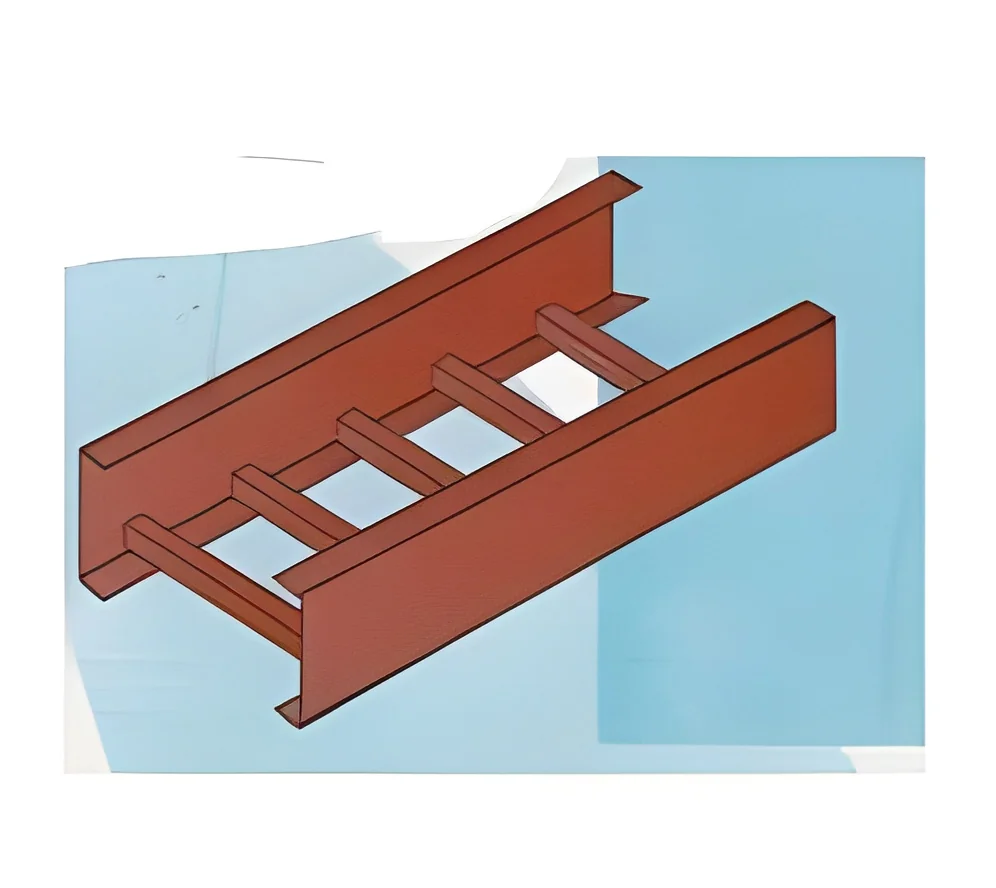
- Cable trays, conduits, and electrical raceways in power generation and distribution stations.
- Handrail systems, walkway supports, and guardrails on marine docks, piers, and offshore platforms.
- Equipment enclosures, protective casings, and structural members in water and wastewater treatment plants.
- Architectural elements, building components, and industrial framing requiring long-term corrosion resistance.
Trade Details
| Available Stock | In Stock |
| Sample Availability | No |
Payment Terms
| Payment Terms |
|
Company Profile

Bharat Fiber Glass Ind, Gujarat
 Gujarat, India
Gujarat, IndiaElectronics & Electrical•Manufacturer•Importer / Exporter
Factory Details
Factory SizeBelow 1000 sqm
Annual Production Capacity0
Industrial FRP Rectangular Tubes Durable Corrosion Resistant
Industrial FRP rectangular tubes provide durable corrosion-resistant structural solutions for construction, chemical processing, and marine applications. These high-quality composite tubes ensure reliable performance in demanding environments.
Min. Order Quantity: 1 unit
Shipping
Shipping fee and delivery date to be negotiated. Contact supplier now for more details.
Bharat Fiber Glass Ind
 Gujarat, India
Gujarat, IndiaElectronics & ElectricalManufacturer